‘Unless the Lord builds the house, the builders labour in vain.’
(Psalm 127:1)
The desire to belong accompanies every human life. For some, it becomes a lifelong struggle, raising one of humanity’s oldest questions: where does individual freedom truly lie, and what does it really mean? And beyond this, if identity shapes who we become, can it also give purpose and direction in an increasingly disordered world?
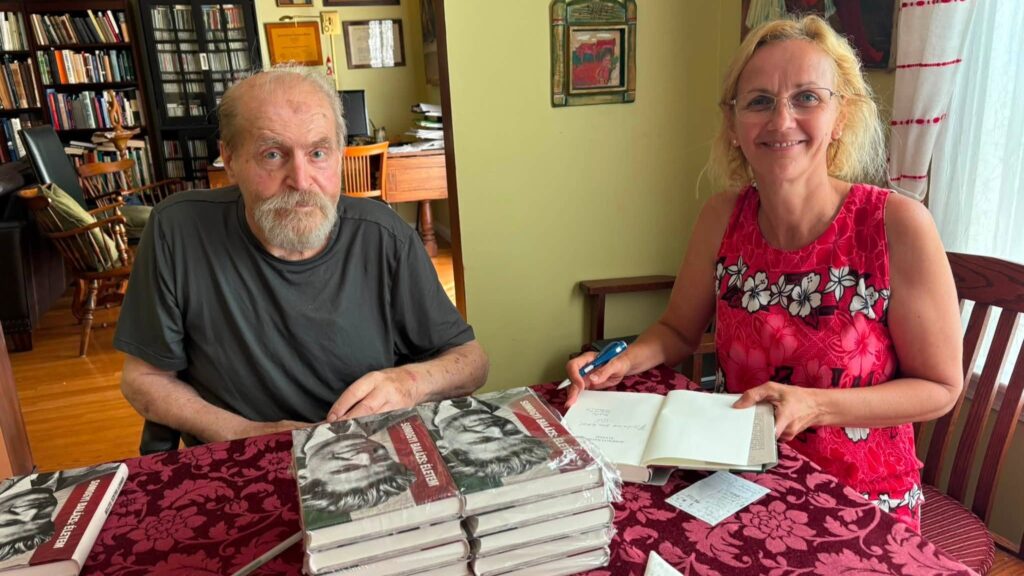
These questions have occupied an important place in psychology, sociology and philosophy ever since the developmental psychologist Erik H Erikson introduced the concept of identity into modern academic discourse during the 1950s. Since then, many have attempted to define it from different perspectives, including scholars, philosophers and other intellectuals. As an interesting example, Sándor Hódi, the Hungarian psychologist and social thinker, described identity as a psychological formation that provides the individual with a stable position within the complex hierarchy of society. In contrast, Ferenc Pataki, one of Hungary’s most influential social psychologists, regarded it as the mediating category between the individual and the social structure. Identity, therefore, is not merely a personal feeling, an intellectual construct or a context. It determines not only how we define situations in our lives, but how we recognize patterns and act on a bigger scale.
Identity, however, is never formed in isolation. At first glance, it may seem that identity, authenticity and selfhood are the achievements of the individual alone. Yet far more of who we become is shaped by life in community than we might initially suppose. Identity emerges through language, culture, faith, family and shared historical experience, gradually becoming part of a person’s understanding of both self and community.
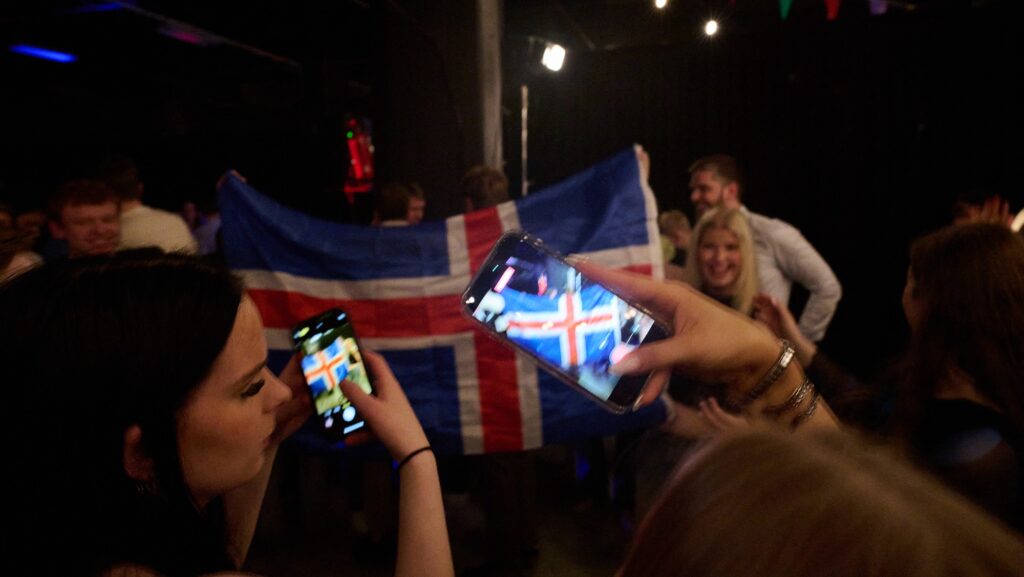
Yet identity has never been a monolithic phenomenon. Its very nature allows it to be divided into layers. National identity, religious identity, cultural identity and communal identity coexist and may reinforce one another. The complexity of Hungarian national identity itself illustrates this well. Language, elite and everyday culture, religious affiliation, historical memory, local traditions, national days, symbols, customs and even attachment to material culture all contribute to the way individuals define themselves.
Citizenship establishes a legal relationship between the individual and the state. National belonging, however, reaches much deeper. Love of one’s country is not merely a political sentiment but a moral relationship. It should be understood as Homer understood it in the Iliad, and Job in the Old Testament: with compassion. State borders primarily serve political and economic purposes; they do not, by themselves, create the emotional cohesion from which communities emerge.
‘Identity, however, is never formed in isolation’
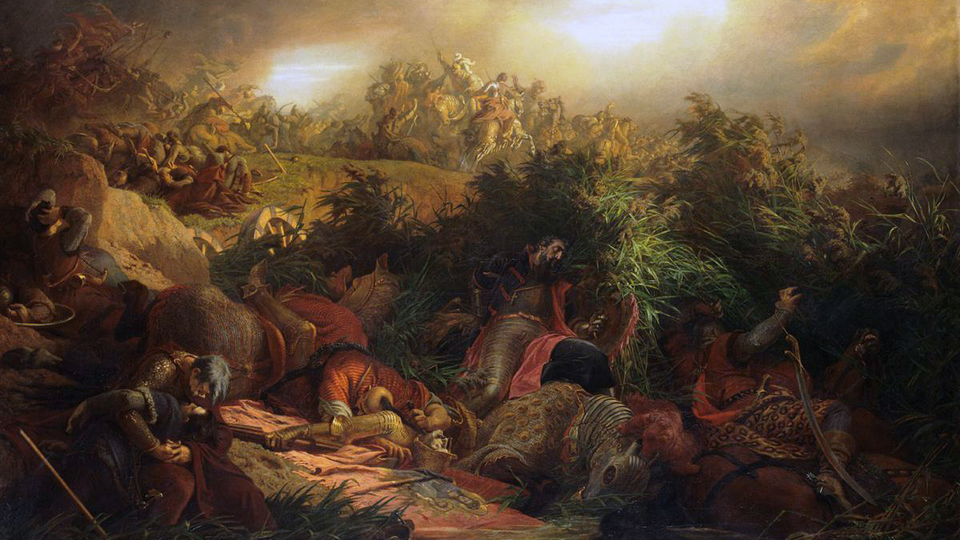
Throughout history, these layers have repeatedly been challenged. Every historical period has brought moments when communities were forced to redefine themselves. Yet one element has remained remarkably constant. The desire to belong somewhere has always been one of the strongest guarantees of preserving selfhood. This, however, becomes possible only when individuals have found a path towards order and common understanding. Therefore, they no longer see life merely as a series of disconnected chapters. Once they begin to recognize life as a whole—including its finitude—they also begin to long to transcend themselves, to live not only for themselves, but for their loved ones, country, and something greater than themselves.
Perhaps this explains one of the most remarkable developments of our own time.
Across much of Europe, religion has gradually retreated from everyday public life. Local communities have weakened or disappeared entirely, traditional forms of communal life have become less influential, and family structures themselves have changed considerably. At the same time, globalization and the overwhelming flow of information increasingly blur the content of self-definition and the road to identity. To the calmness of knowing who I am. The human need to belong, however, has not disappeared: it has merely begun searching for new forms of community.
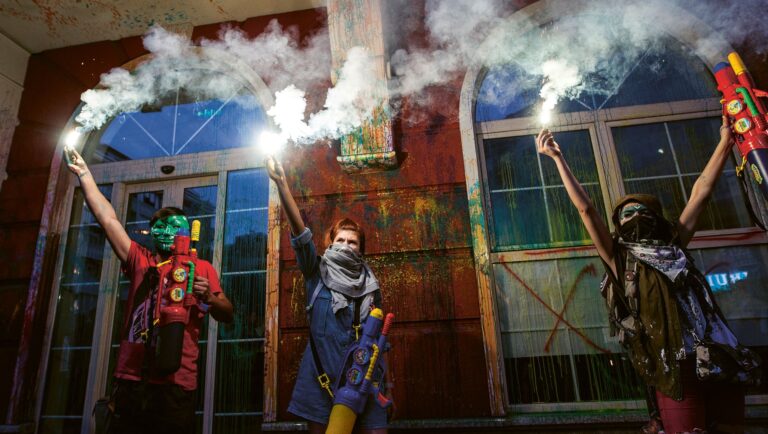
For instance, interestingly, political affiliation has become part of personal identity in Hungary. Political communities have gradually assumed functions they were never designed to fulfil. Supporting a political movement is no longer merely a matter of public preference; for many, it has become a way of defining who they are. Yet this may also be one of the great misunderstandings of contemporary public life. Politics can organize society. It cannot permanently provide identity. The so-called political communities seek agreement. Genuine communities shape character.
‘Interestingly, political affiliation has become part of personal identity in Hungary’
European civilization took shape differently. The structures commonly described as nation-states never relied exclusively on political institutions. Cultural heritage, shared values, language and religion all played indispensable roles in shaping collective identity. Particularly under minority conditions, culture was never merely an abstract value. It became part of the very structure of identity itself. Ethnic identity consistently showed a strong relationship with cultural life, communal participation and religious practice, which genuinely defined the everyday.
The evolution of identity remains one of the most fascinating processes of both the modern and postmodern age. Yet the information overload of contemporary life and the pressures of globalization increasingly dissolve the content of self-definition while offering an illusion of belonging through temporary communities. Many of these communities provide emotional mobilization, but nothing more.
Man is first a citizen of the universe, second an inhabitant of the Earth, and only then the child of a nation. The tragedy of modern man is not that he no longer seeks belonging, but that he increasingly seeks it in places incapable of offering lasting peace. The oldest foundations of European civilization have endured not because they resist change, but because they continue to answer questions that every generation is forced to ask anew. Whoever truly makes this simple truth his own will remain free, whichever side of the prison bars he happens to stand on.
Related articles:
At a time when public debate is increasingly polarized and superficial, Hungarian Conservative remains committed to depth, intellectual honesty, and independent conservative thought.
Producing high-quality journalism requires resources. Your contribution helps us expand our coverage, reach new audiences, and keep our content accessible.

Please consider supporting our mission.