
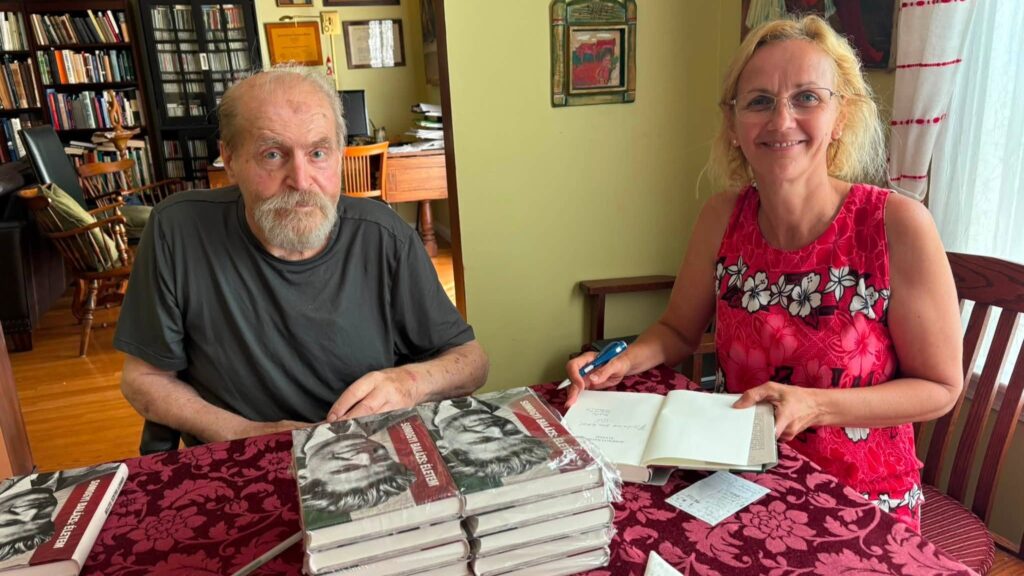

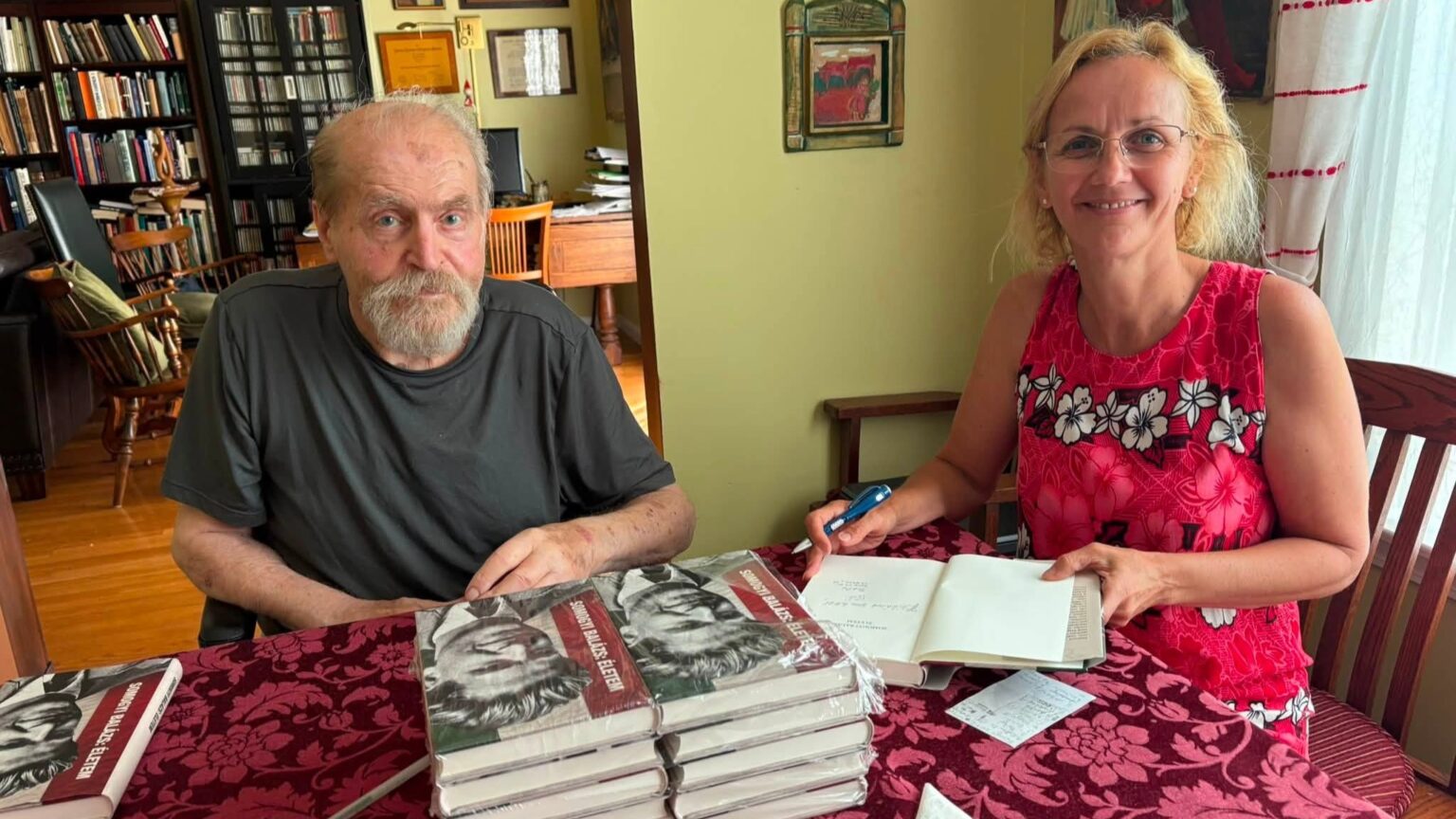
Balázs Somogyi’s memoir recounts his life from the 1956 Revolution to decades of Hungarian–American community work, offering a personal account of history, identity, friendship and service to the Hungarian diaspora.
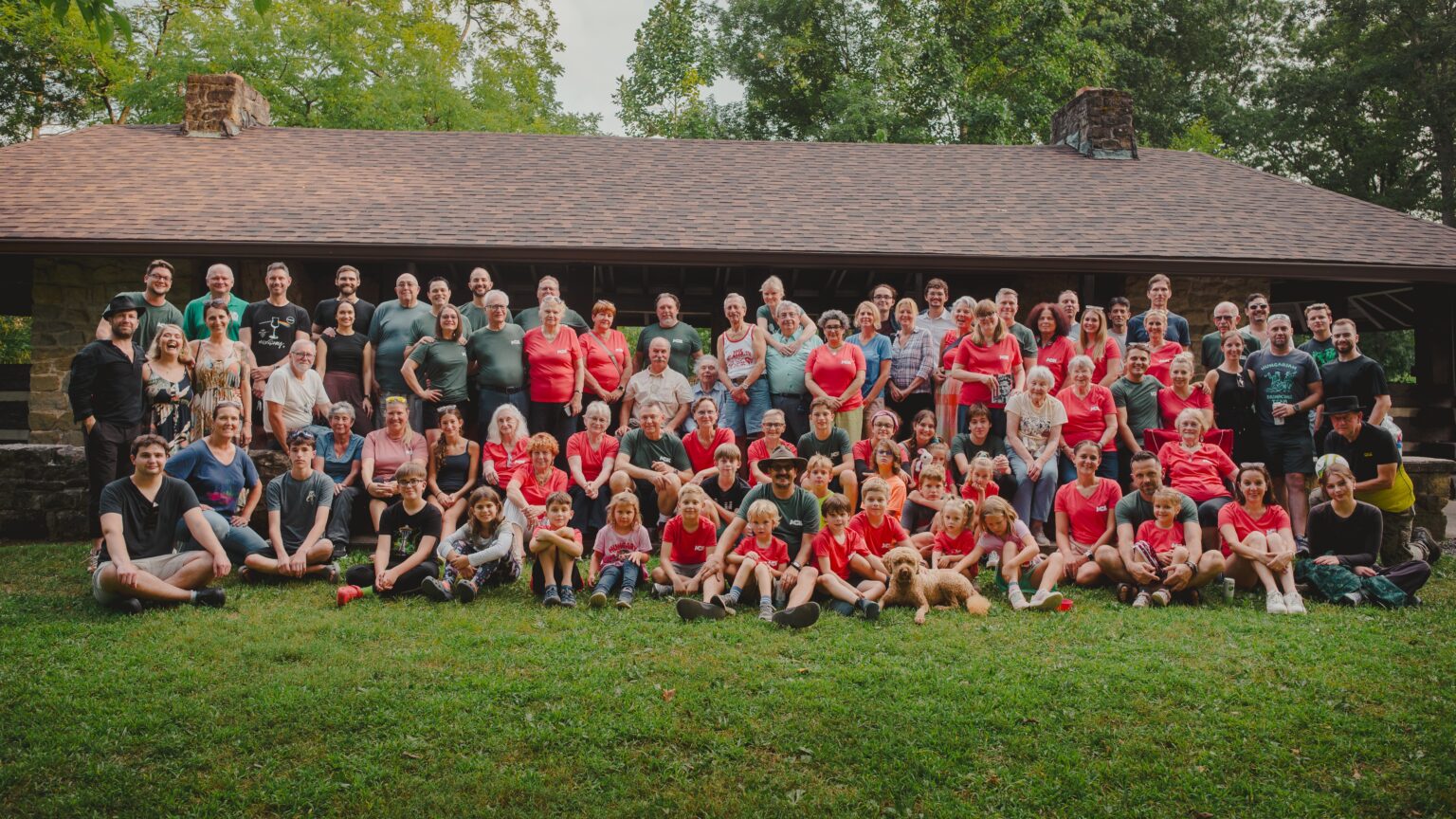
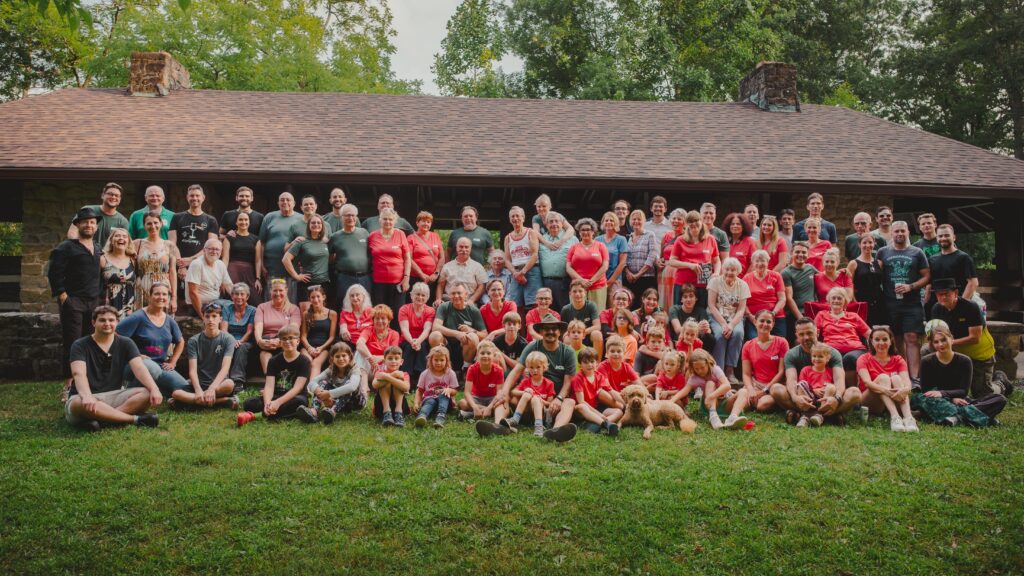
‘After a day or two I no longer felt like a guest, but like an integral member of an old family-and-friends kind of community.’ The 50th ITT-OTT Conference brought together Hungarian Americans and members of the wider diaspora for a week of culture, intellectual exchange, music, dance, food and enduring friendship.
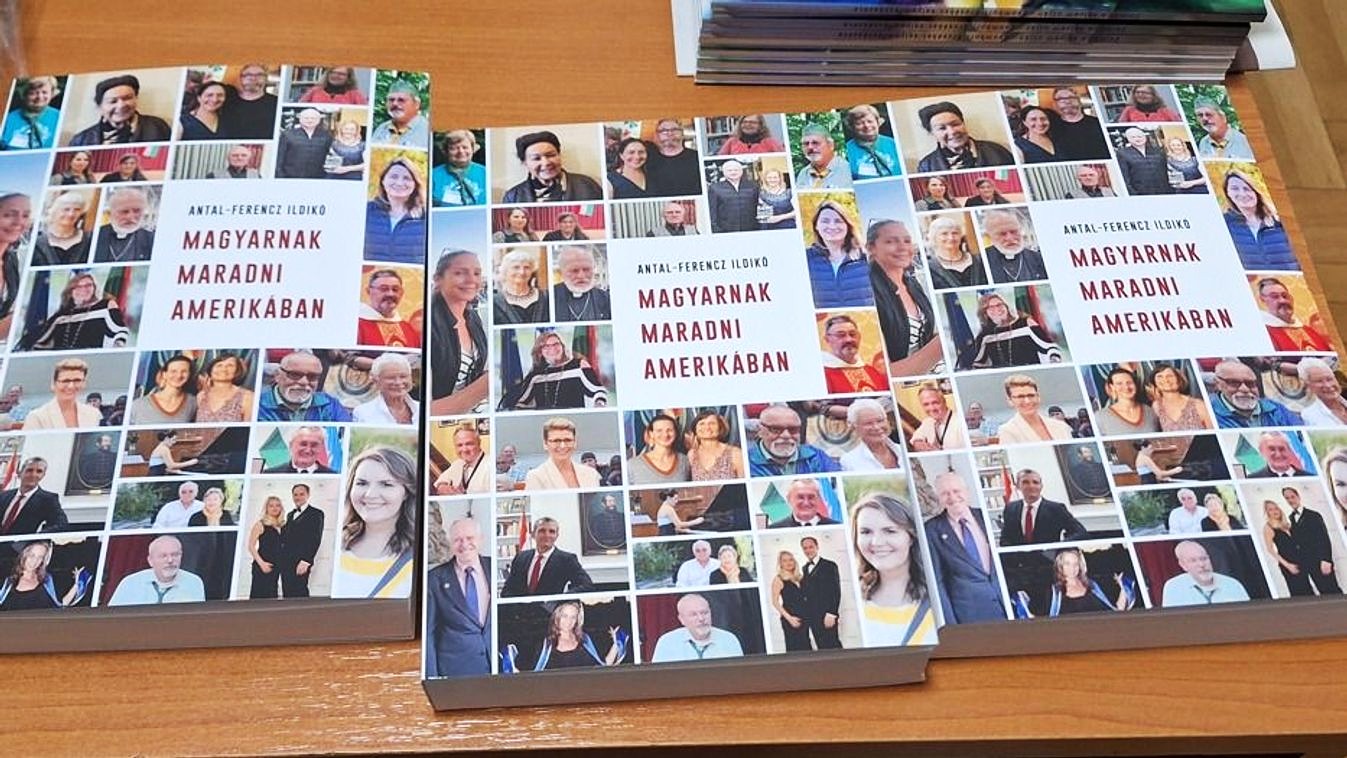
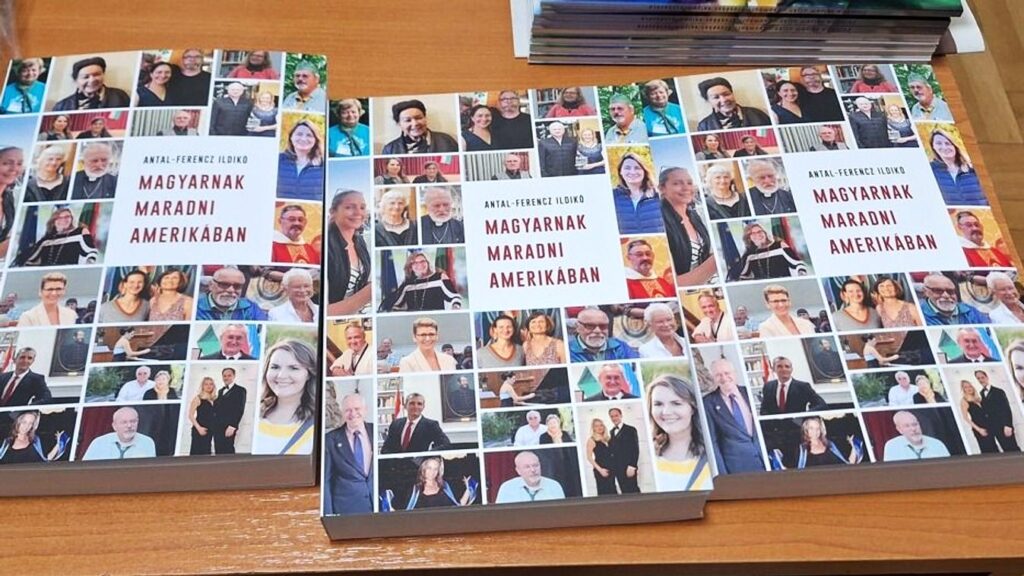
Antal-Ferencz Ildikó spent three years in the USA with her family, where they soon became active members of the local Hungarian communities. The many personal encounters resulted in several interview books, the essence of which is a compilation featuring 45 portraits that covers not only the past and present of the Hungarian diaspora in the USA, but also helps predict its future.

‘Nestled in the rainforest, the house belonged to an elderly lady who rented out two bedrooms while continuing to live there herself. It soon became apparent that the reason she spoke English with an unusual accent was simple: she was Hungarian! Apart from a single tourist couple, she was the only fellow Hungarian we encountered during our stay in Hawaii.’
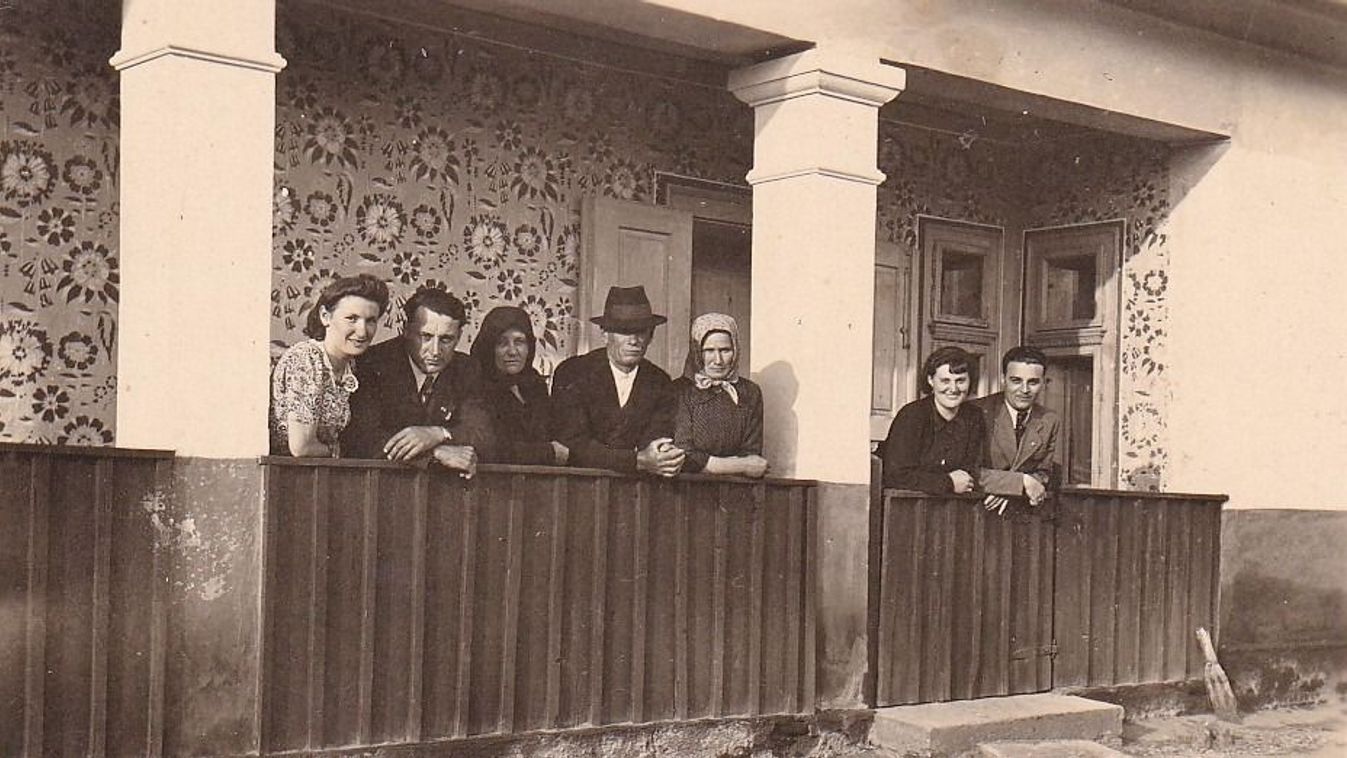
Little America instead of Little Hungary in the Borsod countryside: a strong community created by Hungarian emigrants who returned home from the U.S. flourished near Nemesbikk for almost half a century.
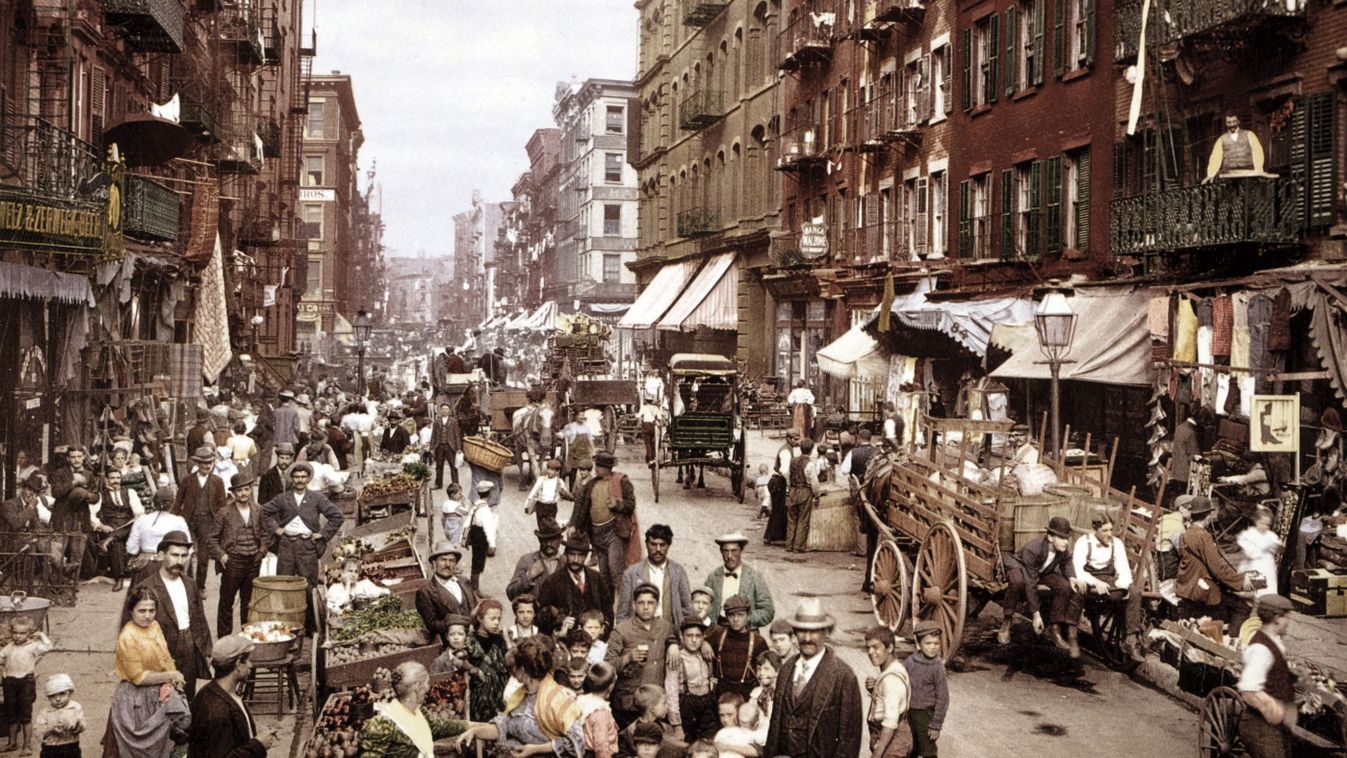
‘Anna Fenyvesi and I often say that, from the moment of emigration, time stands still. This was especially true in the past, when communication depended almost entirely on letters.’
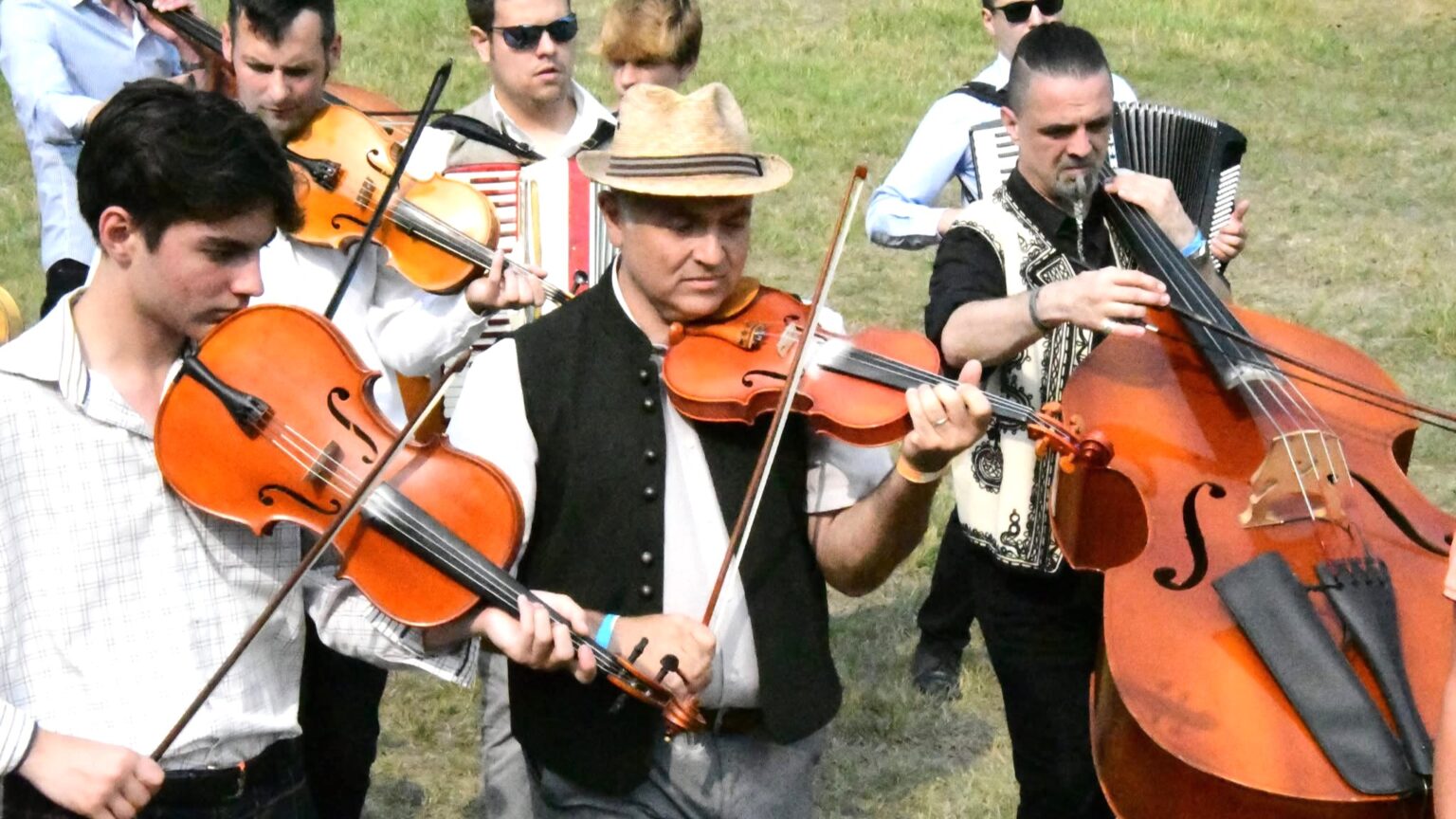
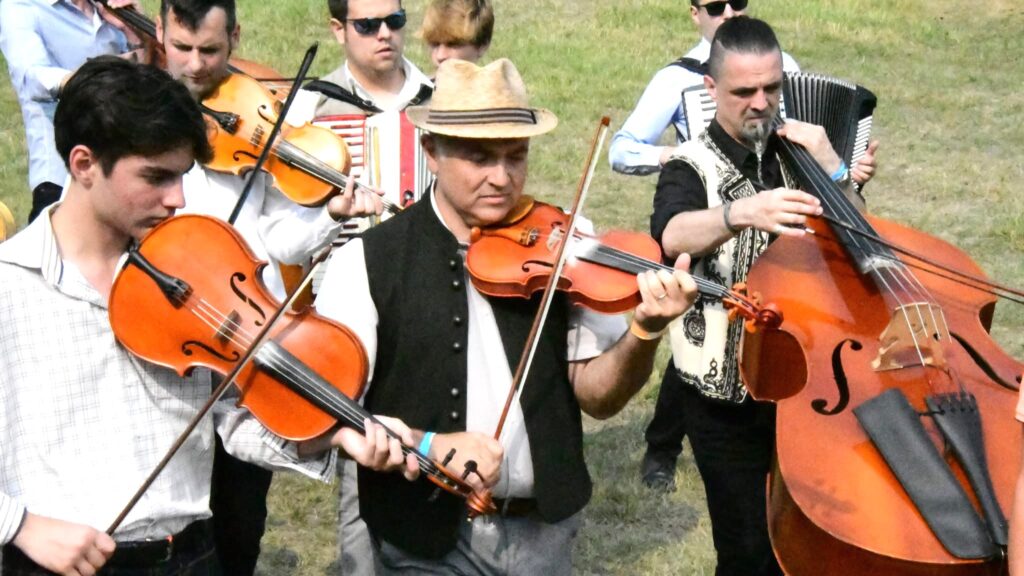
‘The final stop is the adult folk camp in Válaszút, where I’ll be part of the night-time band, providing music for dancing until dawn. During the day we’ll either be sleeping or dancing. Last year I learned Bonchida dances—perhaps this year I’ll learn something new.’
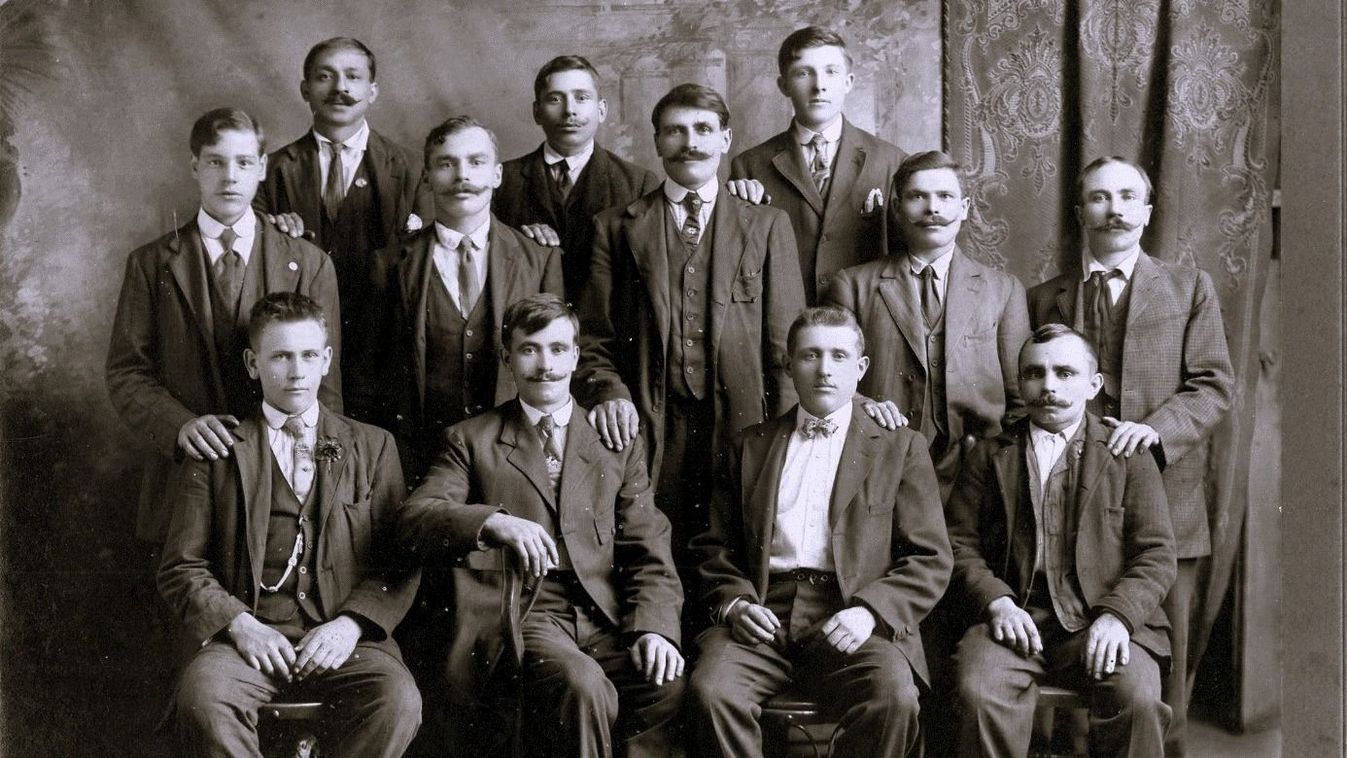
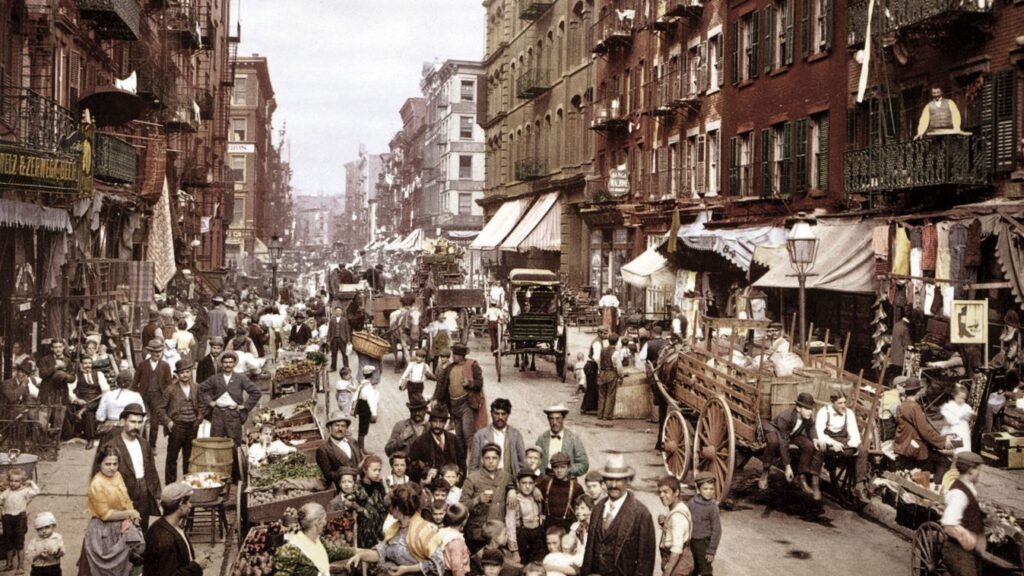
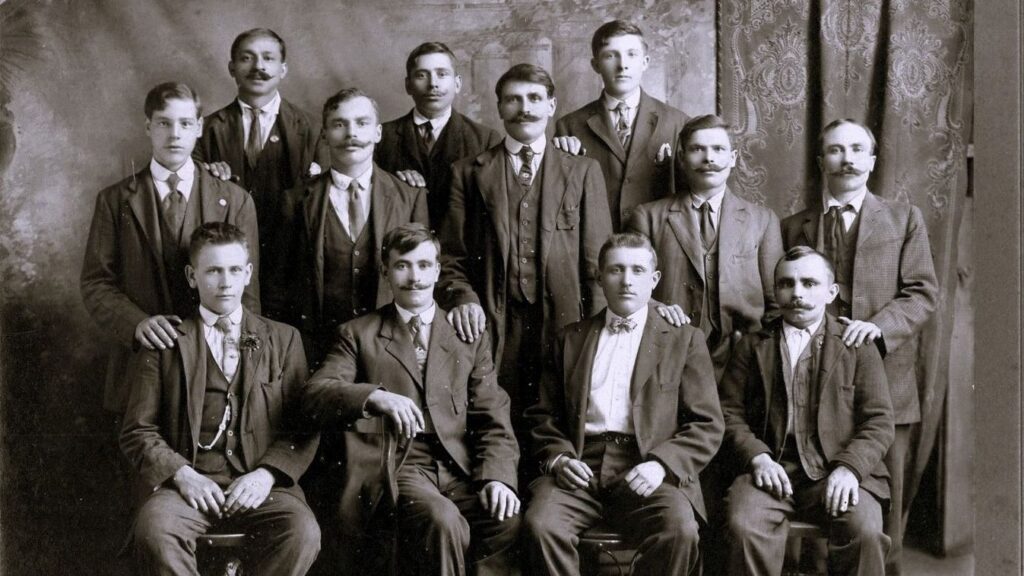
At the turn of the last century, some 200 people from Homoródalmás alone set out to seek their fortune overseas. Their story, written in blood and sweat, will soon be published in book format as the next standalone volume of the Hungarian Roots and American Dreams series, which explores the lives of Hungarian immigrants in America.
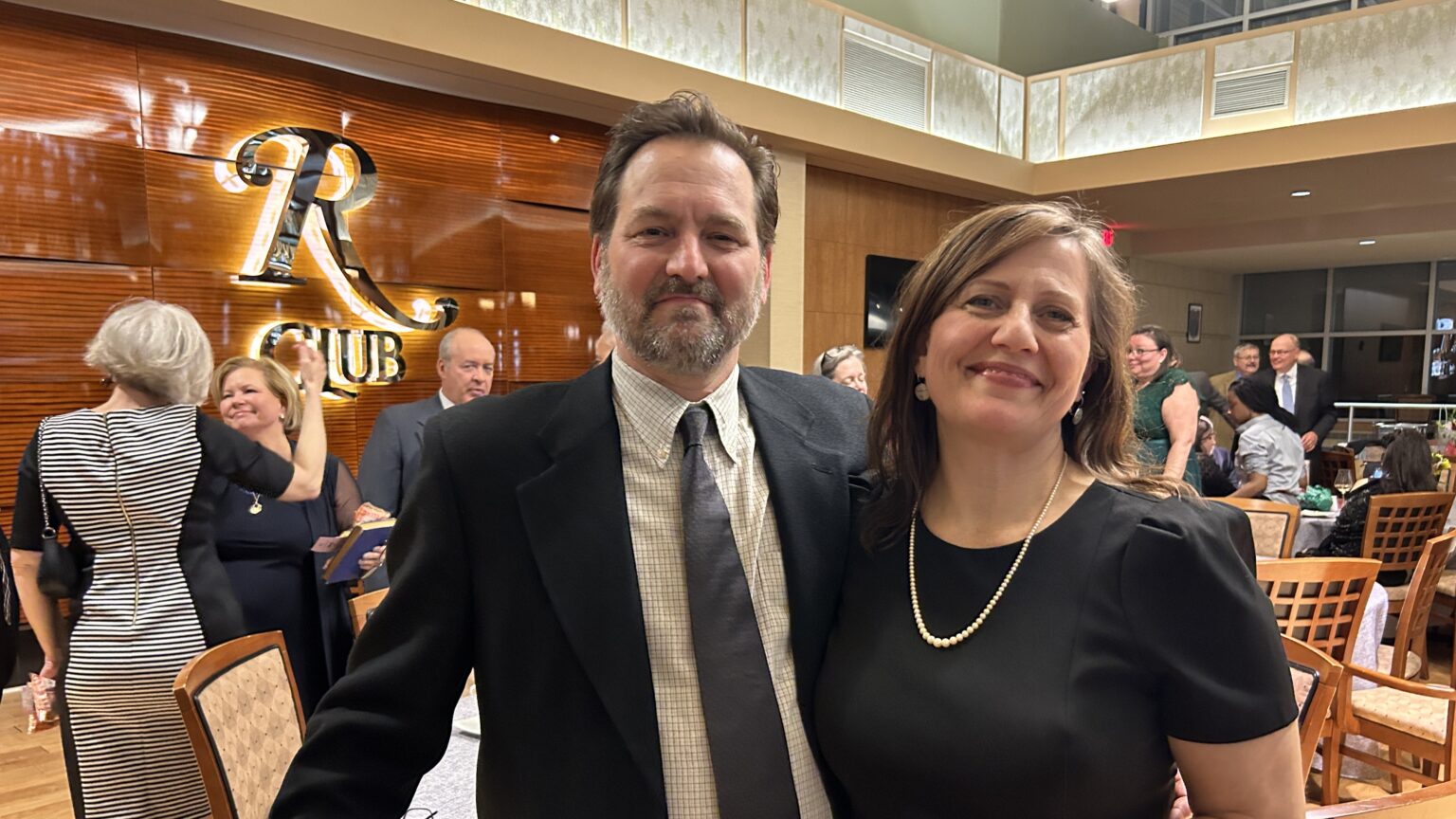
‘The flower is an important symbol for me on two levels. First of all, the traditional flower embroidery that was all over my grandparents’ house and even in ours was literally a thread that kept me connected to my heritage. The title also comes from a love poem by Sándor Petőfi…the book is really a love story about how much my father loved his country…It’s also about my love for my father.’
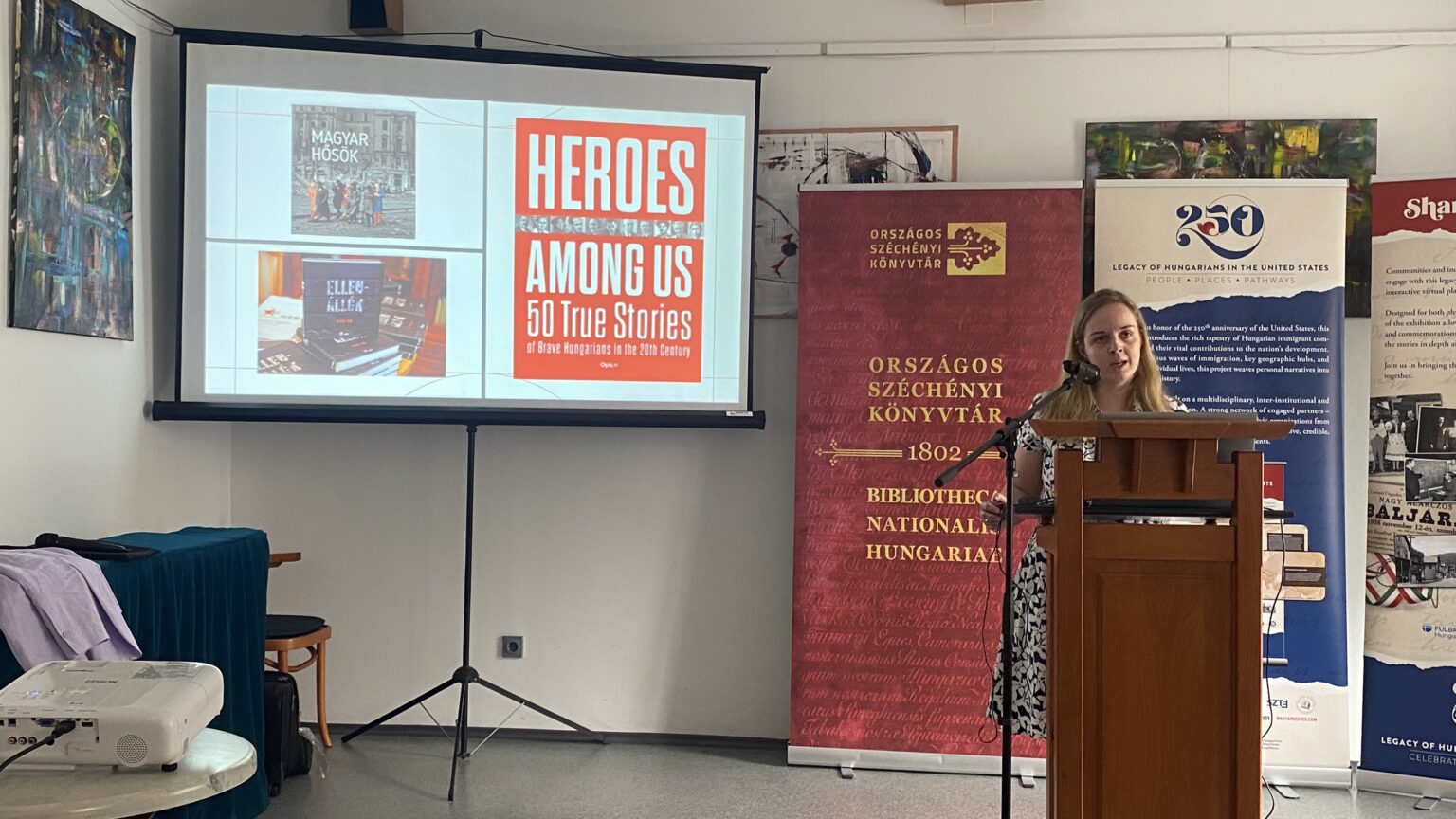
The Third Emigrants’ Heritage Workshop, held at the National Library of Foreign Literature, brought together researchers, institutions, and community initiatives exploring the history and legacy of Hungarian emigration to North America. The event focused on the USA 250 exhibition project, strengthening cooperation, and developing a sustainable research network on Hungarian American heritage.
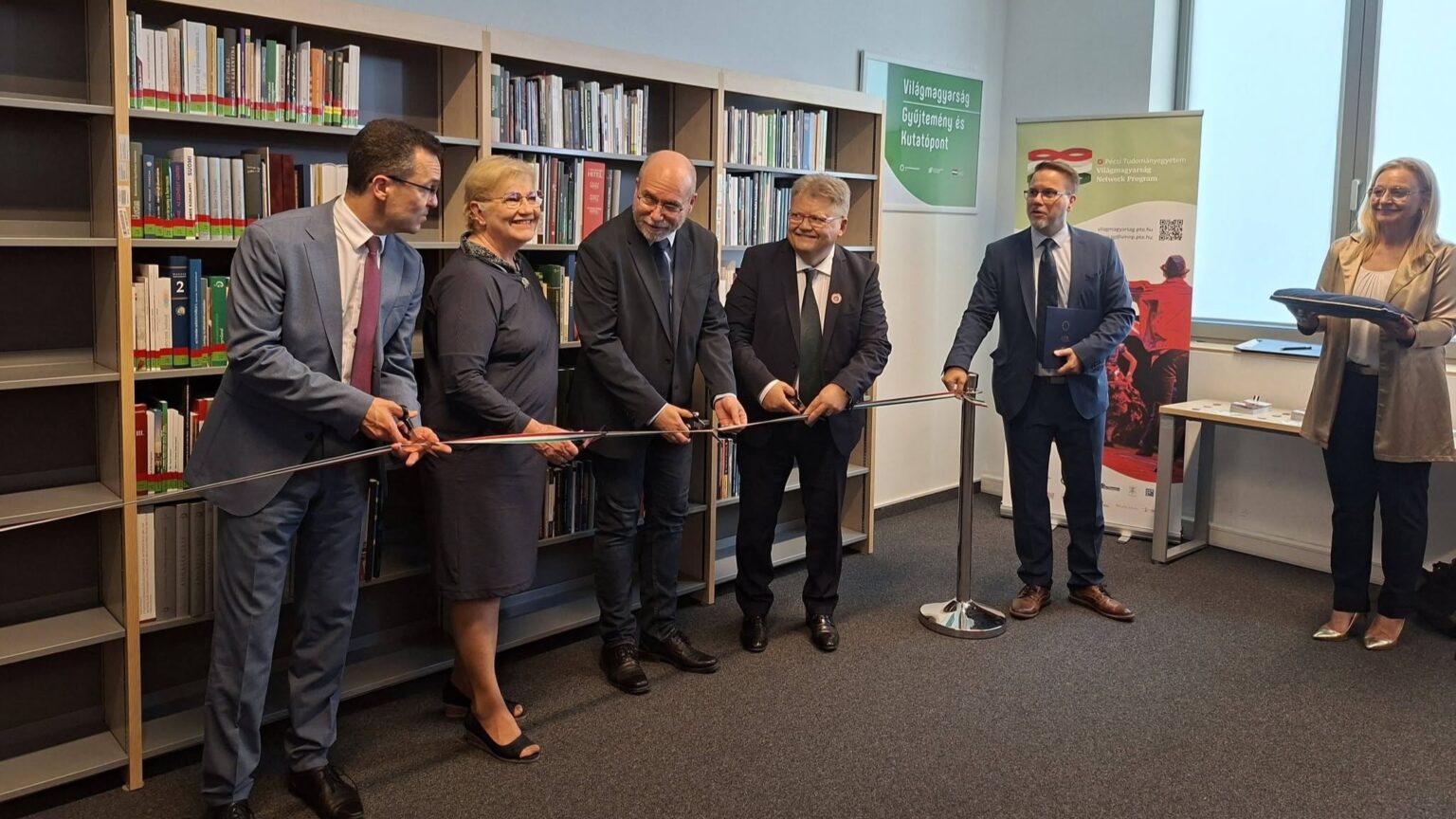
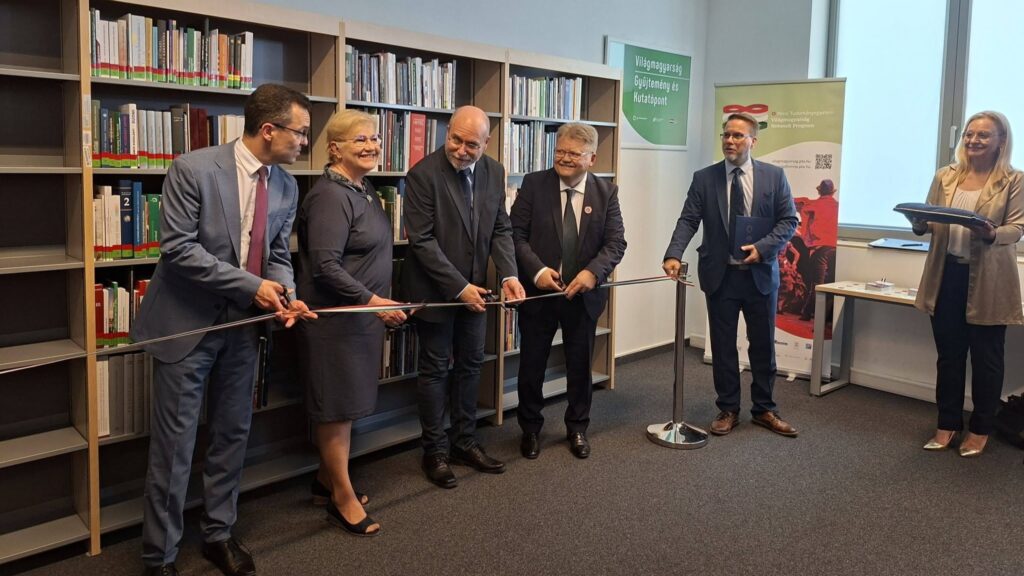
The University of Pécs has opened the Collection and Research Centre of Hungarians Worldwide, a new academic hub dedicated to studying Hungarian communities in the Carpathian Basin and the diaspora. Built around a unique collection of books and research materials, the centre aims to strengthen scholarship, education, and connections among Hungarians worldwide.
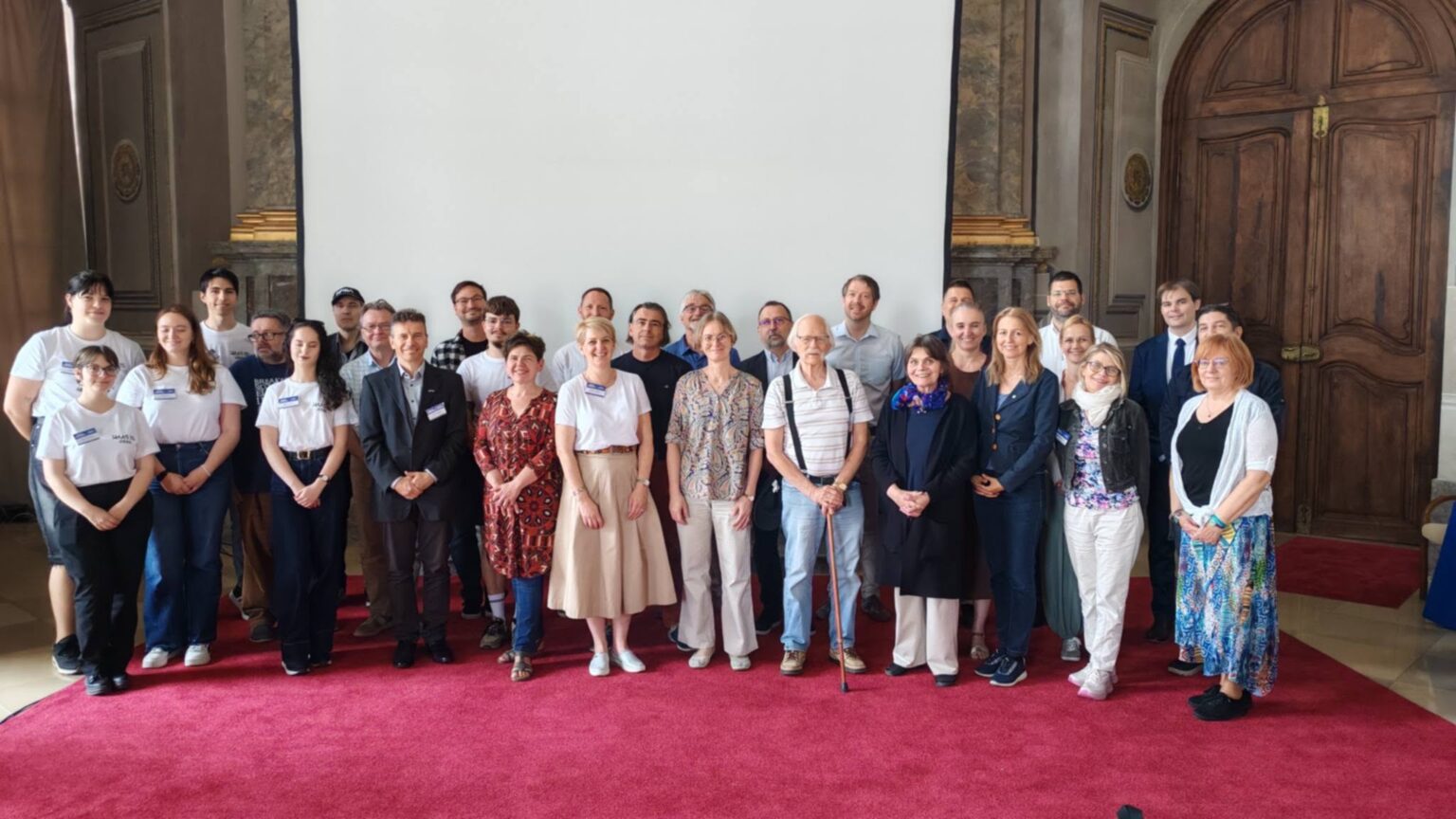
Marking the 250th anniversary of the United States, the 15th biennial conference of the Hungarian Association for American Studies brought together scholars from Hungary and abroad to explore the American legacy through history, literature, culture, migration, and international connections across the Americas.
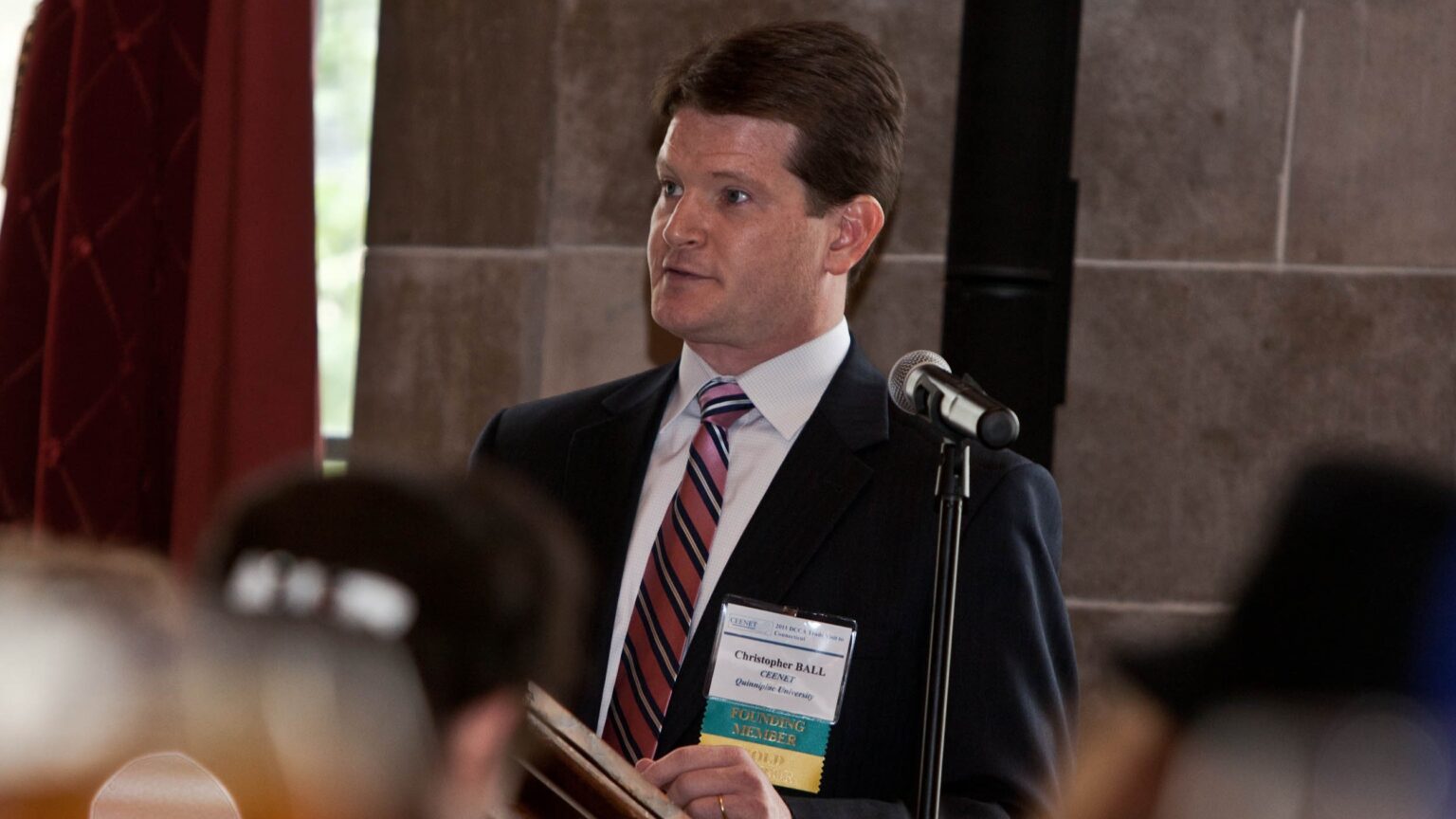
‘In 2007, I met a Hungarian American businessperson at QU…We connected and developed what is today our Hungarian American Business Leaders (HABL) scholarship and program: bringing Hungarians to QU to earn their MBA and work at businesses, then return home, taking that knowledge back to put to the best use, as they see fit.’
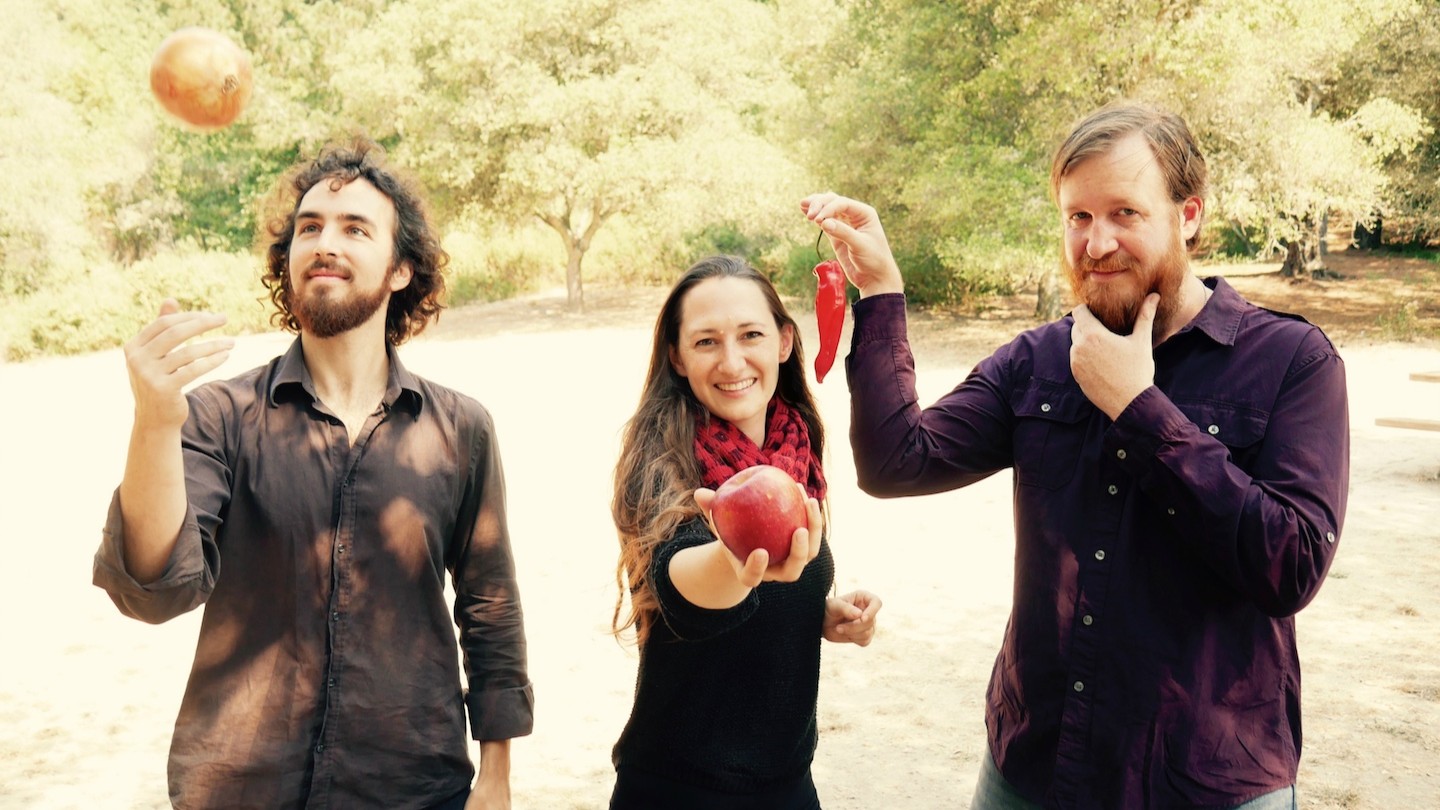
‘Naturally, over time, the song texts had more and more meaning for me as well. I learned very quickly that the old recordings and the songs were just the tip of the iceberg: these captured a whole way of life and thinking. I’d say that’s when the course of my life truly changed.’
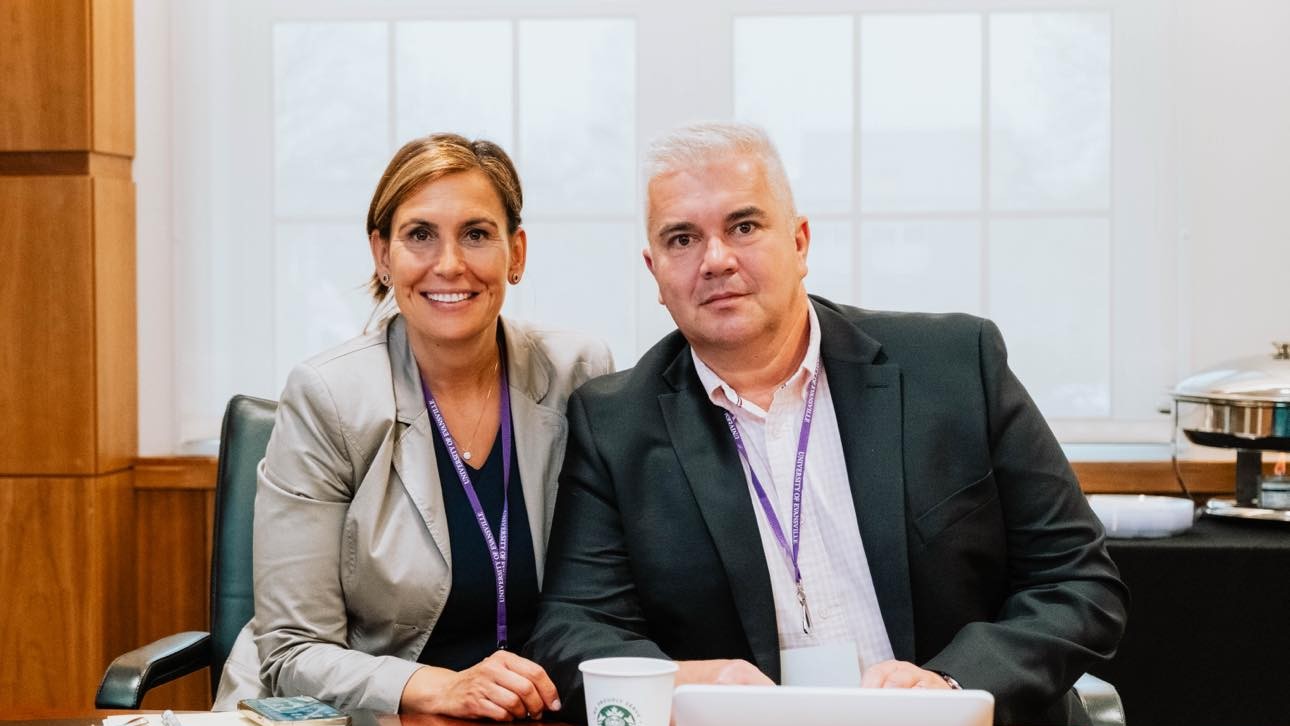
‘We never tell students not to leave; we tell them to go abroad, but then to return home, because it’s worth doing so. I feel that among the 340 million in the U.S., we matter nowhere near as much as we do in a smaller community. That sense of belonging—people know you and are waiting for you, you matter and can have an impact—is, in my opinion, far stronger there than it is here.’
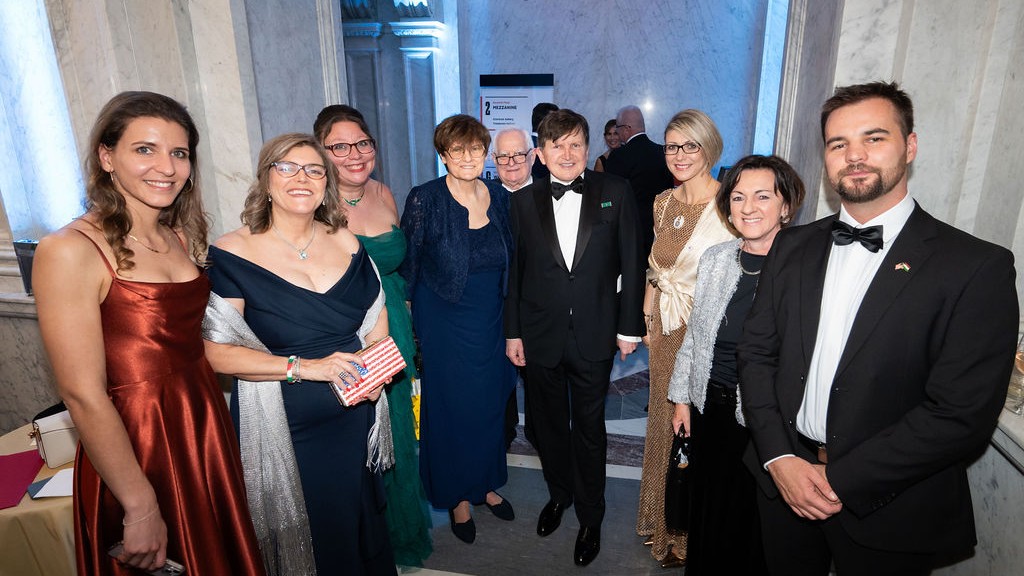
‘America is a large and prosperous country that has attracted talented individuals from all over the world—that’s how it reached such a high level also in science. Through the exhibition, Americans can learn about the remarkable contributions Hungarian scientists have made to this success.’
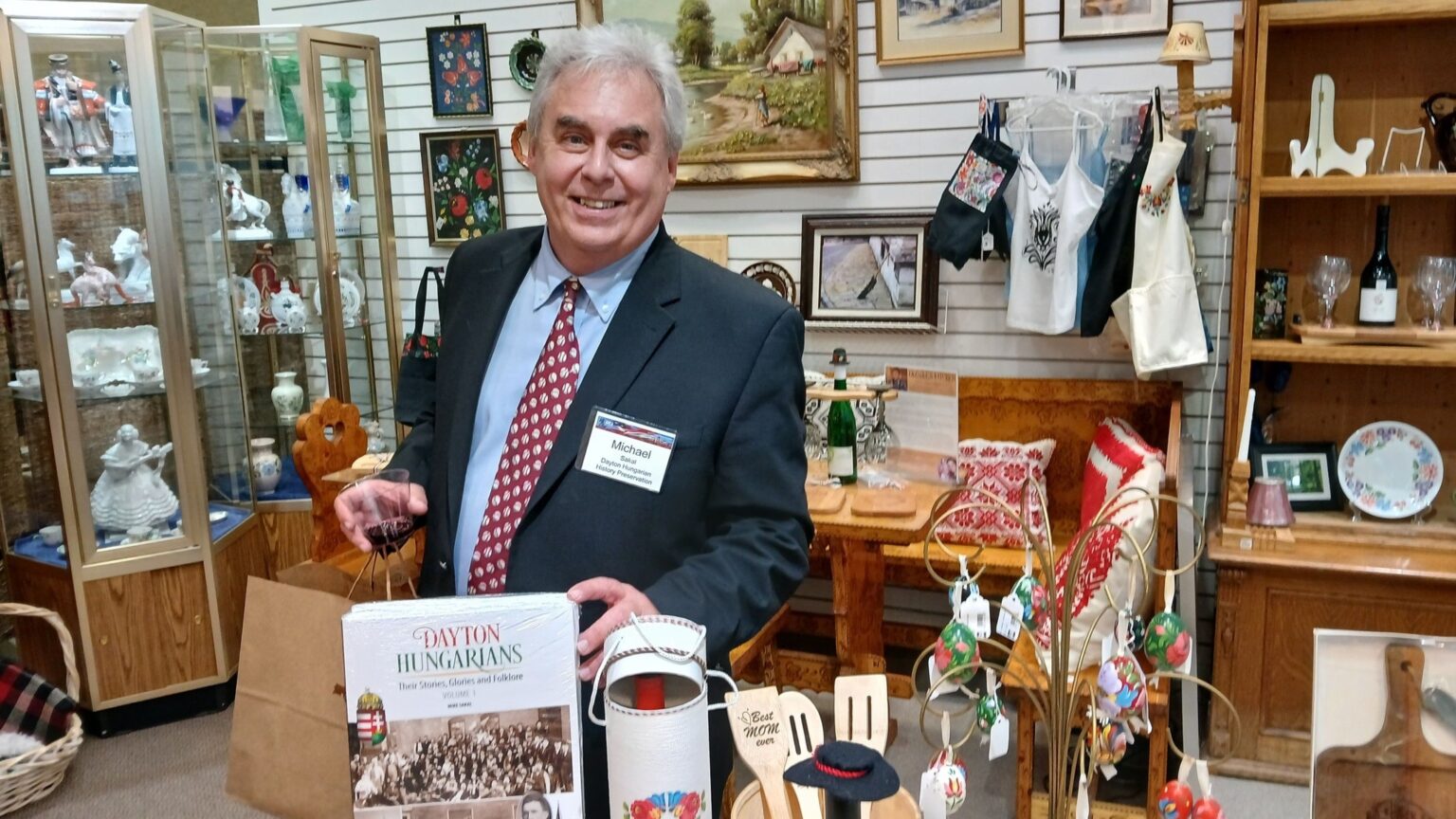
‘It absolutely changed me from the very time I interviewed the “old guys” of the Dakota Street Football Team in late 1991, and with nearly every interview later with Dayton Hungarians individuals or couples, who shared wonderful stories. Many of those people are gone now; I’m glad I was able to preserve their legacies in this book…’
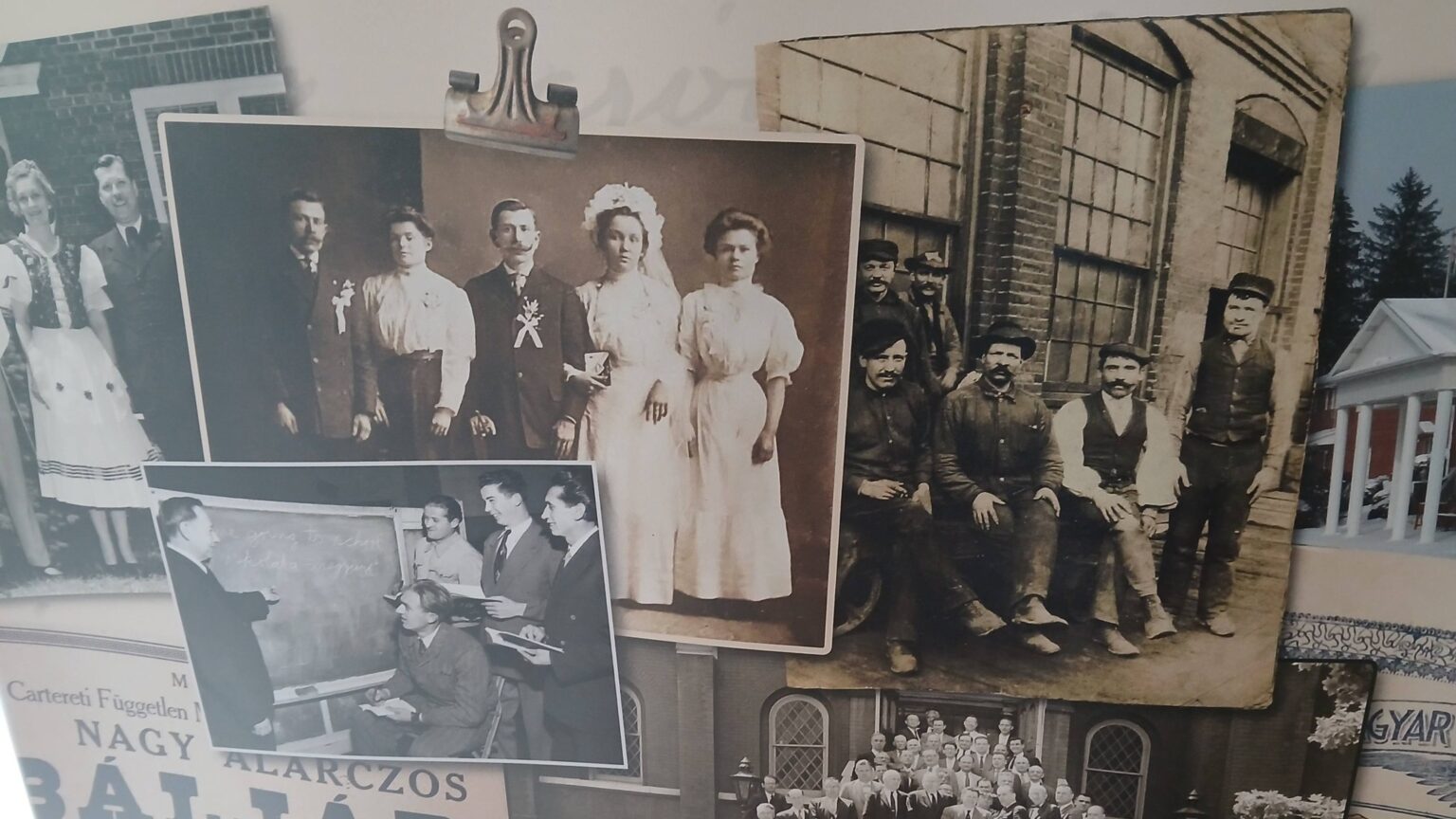
‘The 50th annual American Hungarian Educators Association (AHEA) conference took place at Cleveland State University on 16–18 April, 2026. The program consisted of panels on history, cultural studies, literature, linguistics, music, and science on the theme of 250 Years of Hungarian Contributions to the USA, featuring presenters from North America and Hungary.’
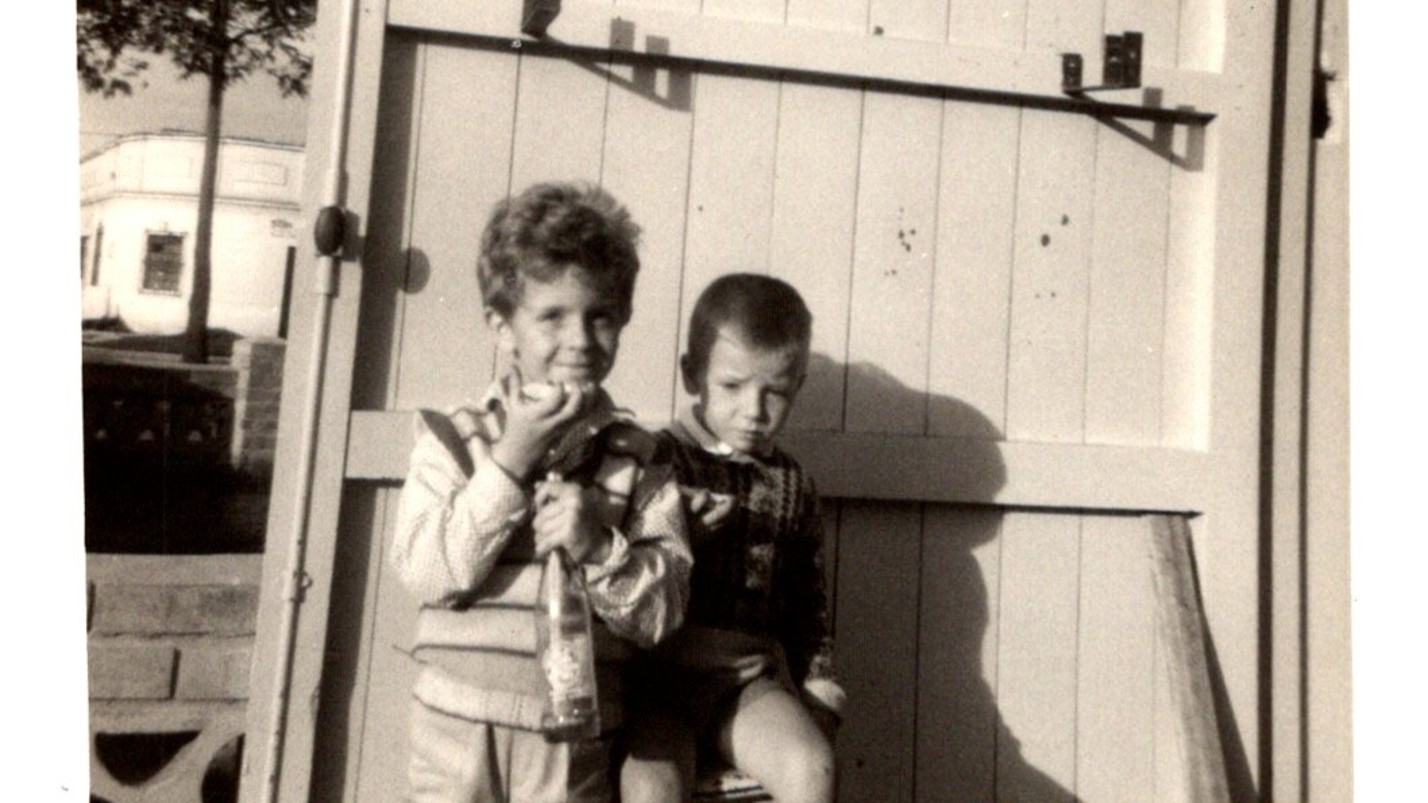
‘I’m an engineer, I don’t write, but I started to make videos in 2023…I have almost 40 anecdotes. Some are about the visits of the well-known Hungarians mentioned earlier, but I also made one, for example, about the Hungarian cemetery in Paraguay. I have my own old video recordings and photographs; I show those and tell the stories alongside them, mostly available with Hungarian subtitles.’
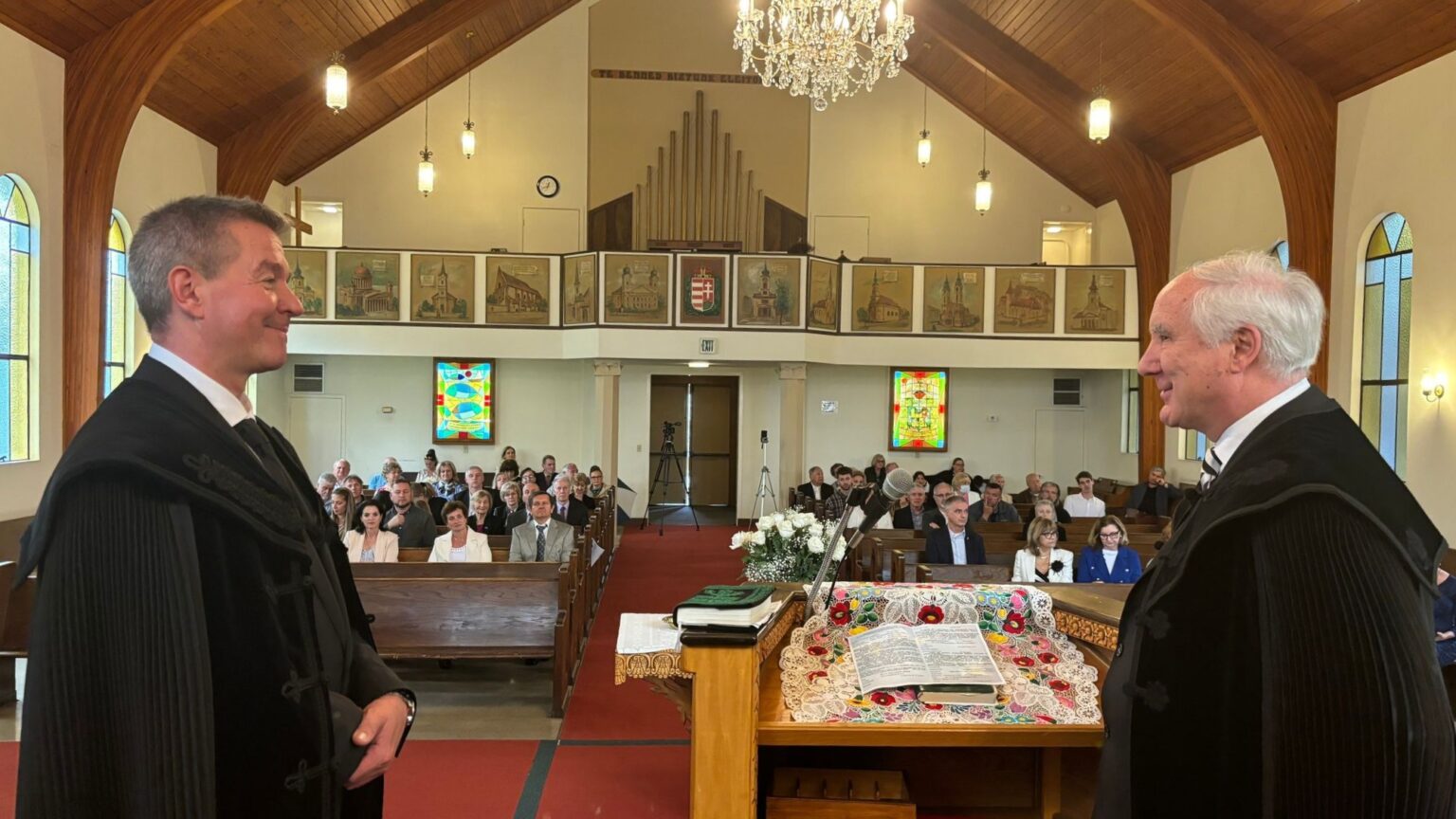
‘Faith in God is, for me, a deeply experienced certainty. I hope that both the Lord and the congregation will grant me the trust to continue serving…’
‘Embracing Australia’s fascinating culture and traditions while simultaneously seeking out Hungarian diaspora communities do not compete with each other: they open the possibility to develop a rich and stable bicultural identity, a dual anchor.’
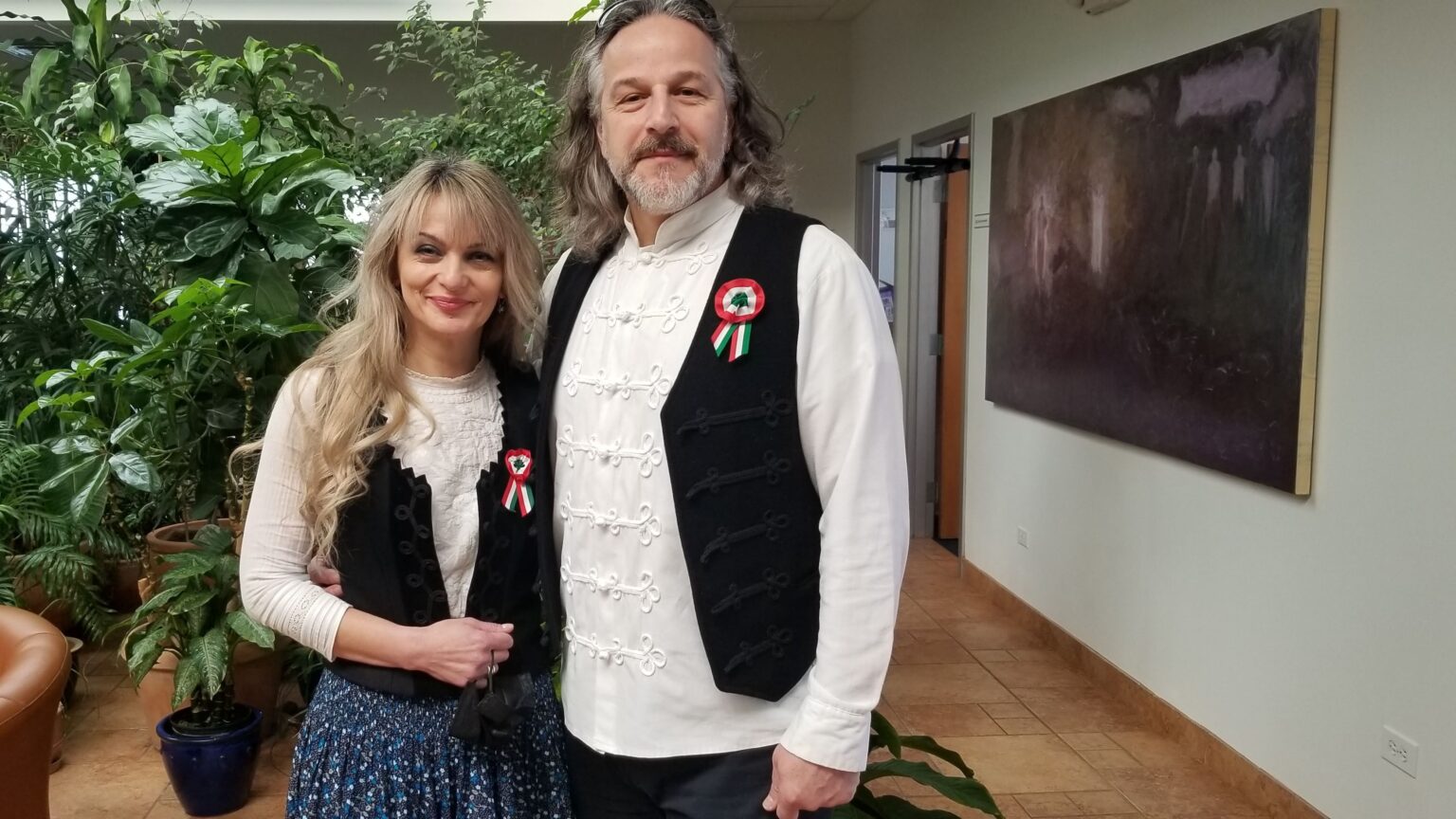
‘Our foundation was established for the Hungarians of Cleveland—to promote Hungarian community life and strengthen the sense of belonging among them. We work for them together with my wife and my friends, whom I’m grateful to for their support.’
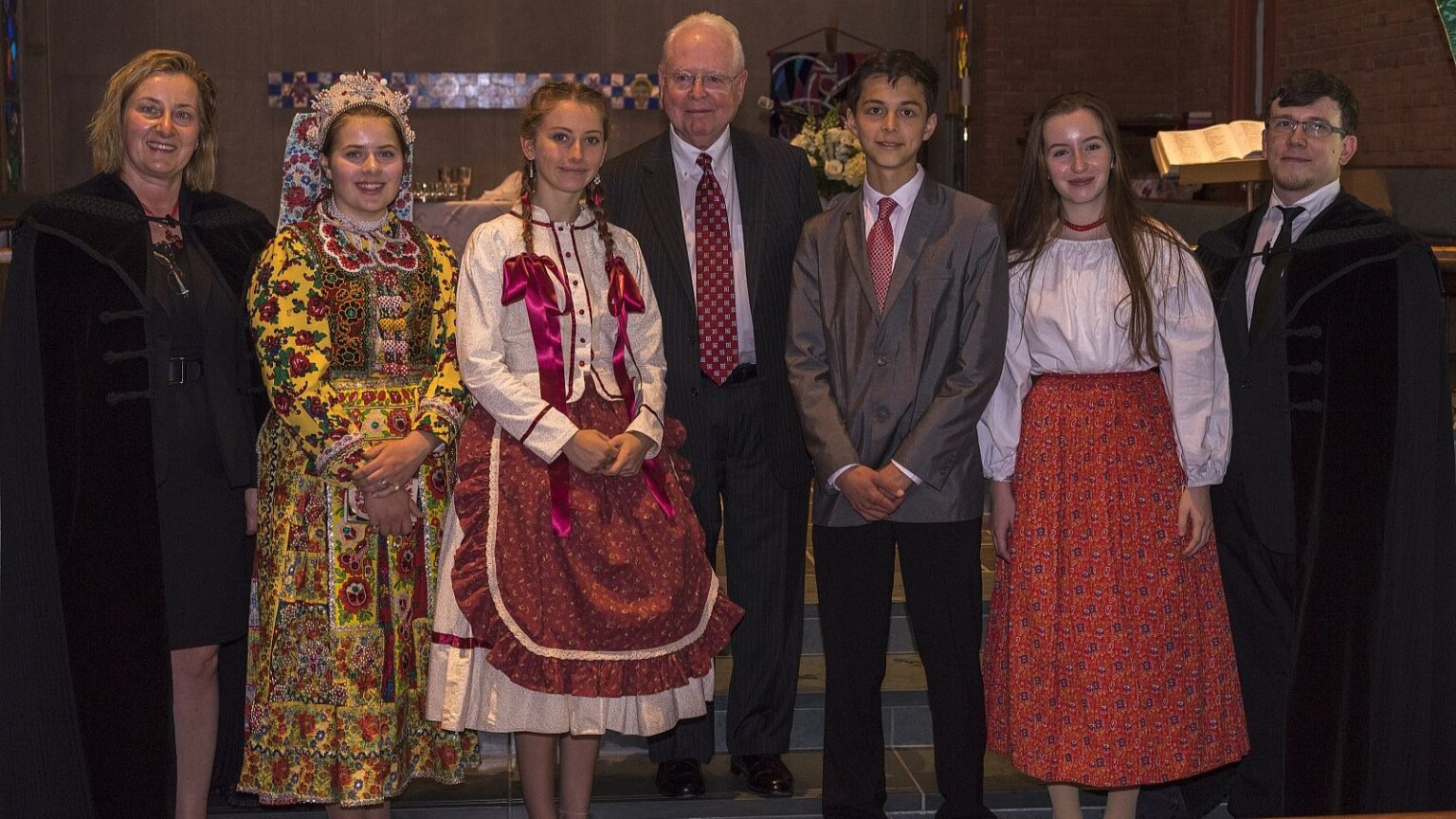
‘The idea of becoming a congregational pastor matured in me in America. We managed to visit my grandmother several times, who fled Hungary in 1956 and lived in New Jersey…In 1996, however, I felt that I’d like to come to America properly, look around, and talk to fellow pastors. That was when I first felt that perhaps I should try my hand at congregational ministry.’
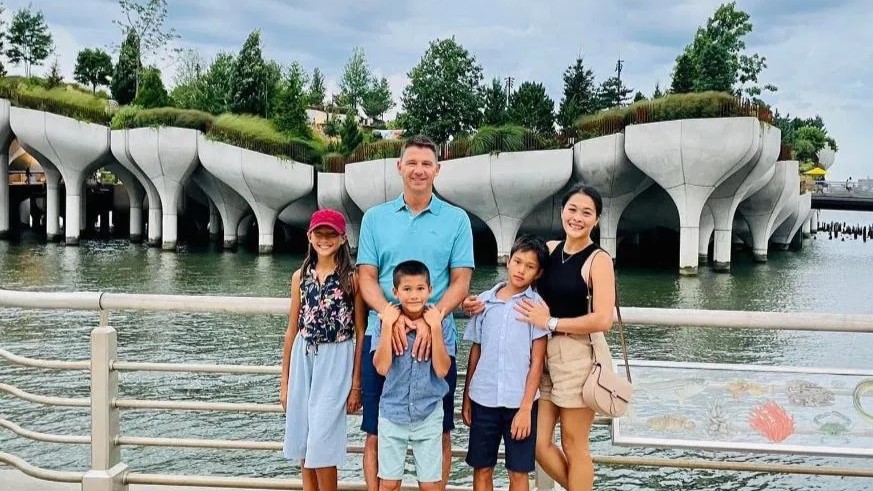
‘I received a scholarship that covered tuition fees, but the cost of living was very high. Alongside two training sessions a day, I had to study and also work—as a waiter—in order to be able to pay for accommodation…With the university team, we won the Eastern Championship, defeating universities such as Harvard, Princeton, Brown, and the Navy’s team, too.’
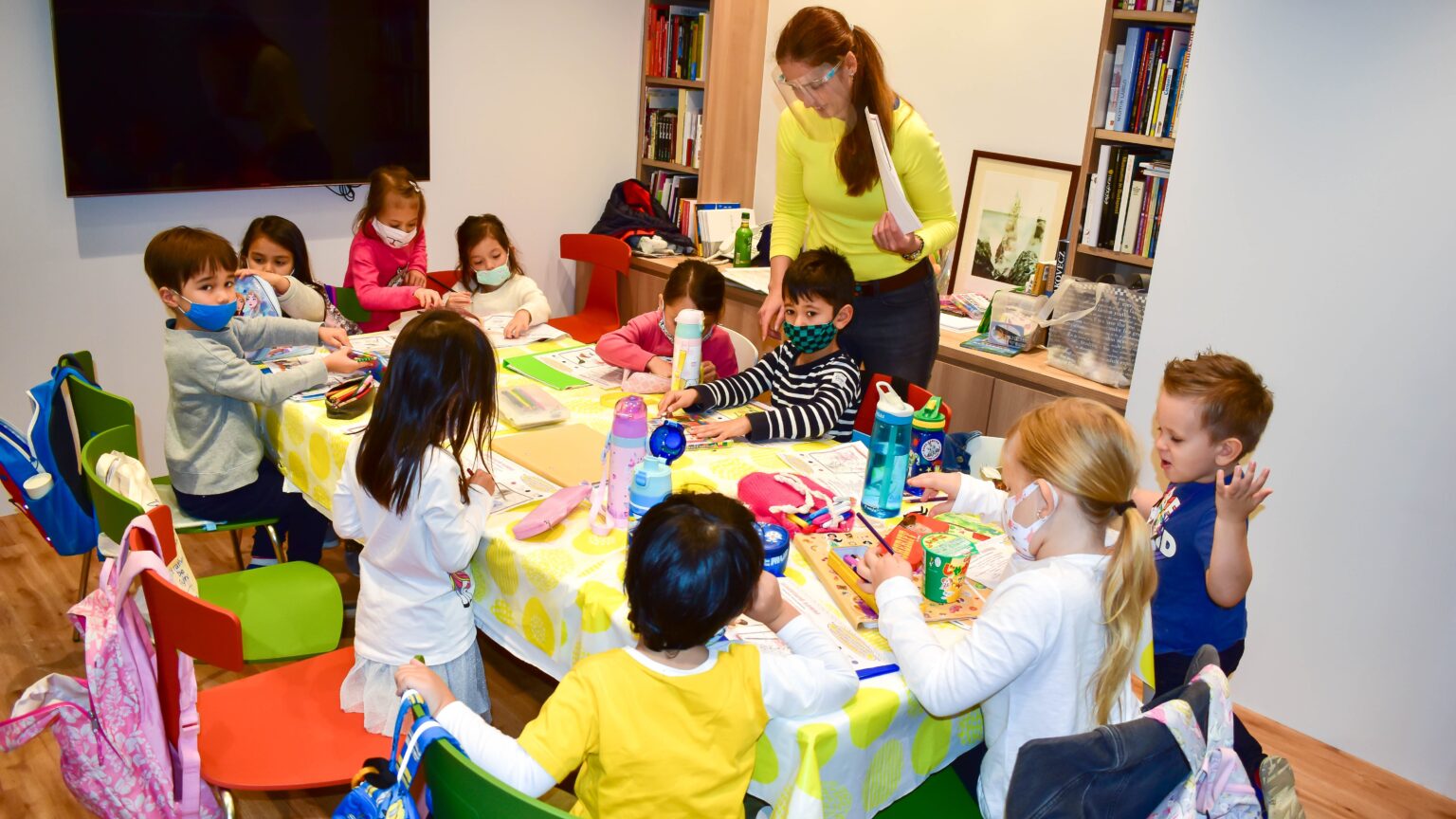
‘It isn’t easy to find proper intellectual work here. We talked with the Hungarian ambassador about work possibilities, and it came up that there were more and more Hungarian children in Tokyo, so perhaps I could try founding a Hungarian weekend school—there might be interest.’
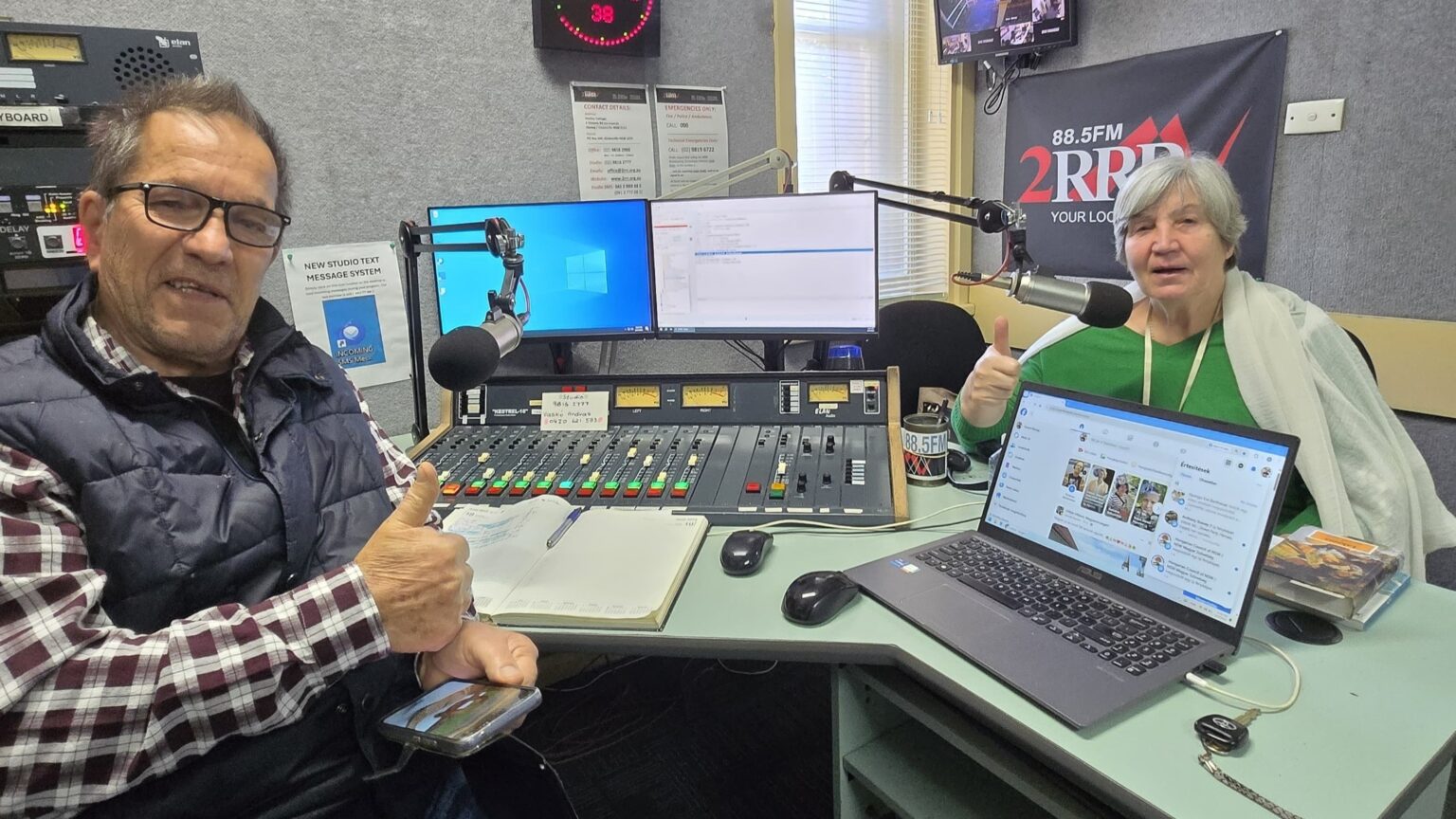
‘The radio goes on air every weekend, yet people are less and less willing to join in and sacrifice time for the community. Until we find someone who falls in love with the radio—and through it, falls in love with the Hungarian community—we have no chance of ensuring the radio’s survival. We’ll keep doing it until the microphone falls out of our hands…’
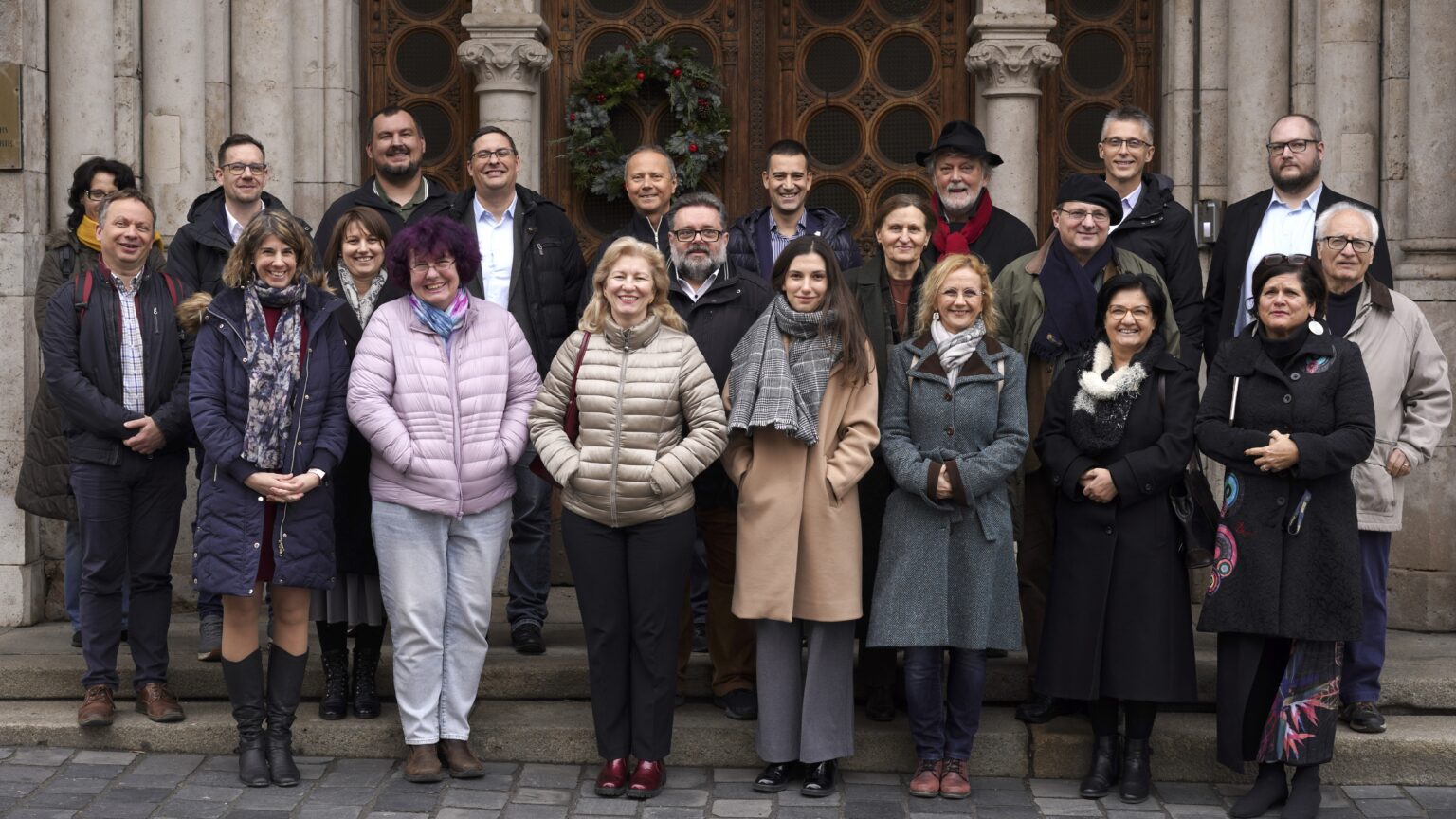
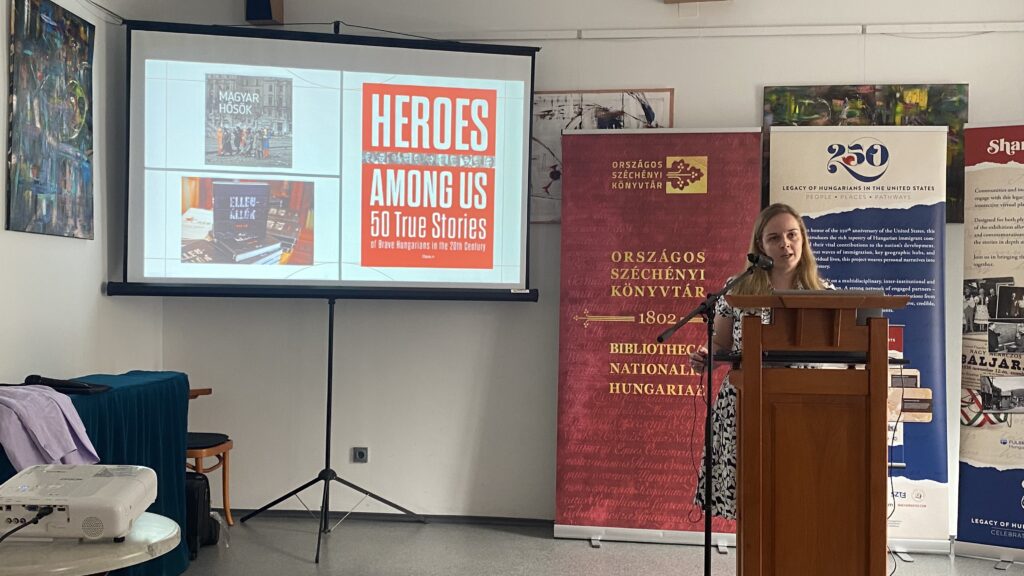
‘Although Hungarian emigration to the U.S. has been widely researched, far less attention has been given to the hundreds of thousands who, after spending years abroad…eventually came back to Hungary. The program aims to highlight this lesser-known heritage and call attention to the rich family archives, documents, and memories that still exist but remain unexplored.’
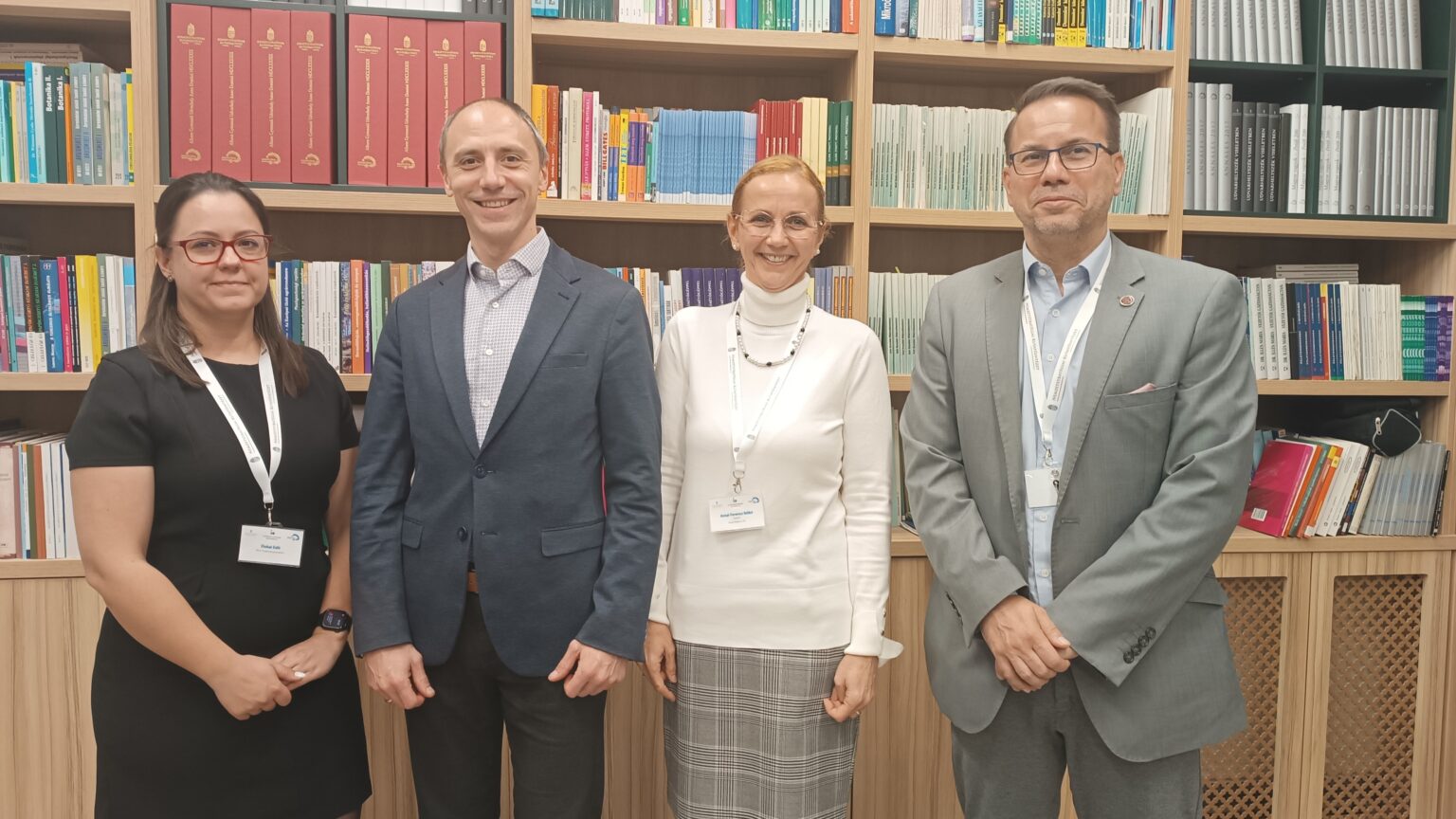
‘In the era of modern migration, the situation of individuals and communities living beyond a country’s borders has growing importance from both national strategy and national policy perspectives. It is considered unique even in an international context that the totality of the Hungarian nation consists of three distinct components…’

In its ‘Beyond the Óperencia’ series, Magyar Krónika is looking at the meeting points of America and Hungary, and at Hungarians in America, from penniless peasants to political emigrants and soldiers of fortune. In this section, let us introduce a mysterious woman who spent perhaps the most beautiful period of her overall tragic life overseas.
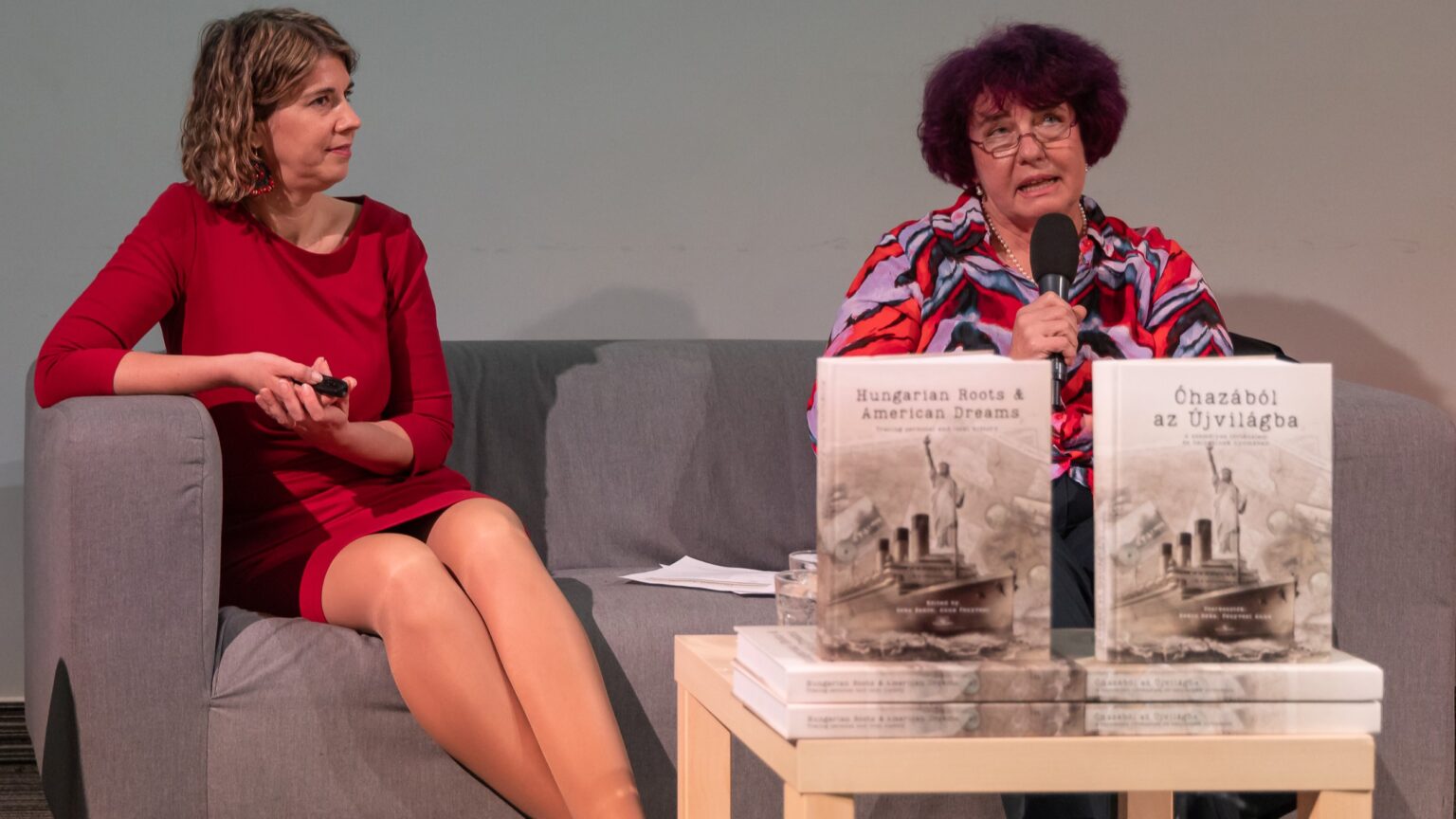
‘The books primarily focus on the U.S. and represent a “beautiful and high-quality imprint” of the Hungarian diaspora there…the project could be continued to include Hungarians living on other continents, and these works should reach every Hungarian community.’

At a time when public debate is increasingly polarized and superficial, Hungarian Conservative remains committed to depth and independent thought.
Donate Now
Please consider supporting our mission.