In Paris, I needed to buy milk for my son, who was then six months old. I went into a supermarket near the Arc de Triomphe and found two full aisles dedicated to pet food. Eventually, I located the few shelves for babies and, with some difficulty, grabbed a dusty box of milk. When I got home, my wife pointed out that the brand’s logo had changed. We looked at the box more closely: it had expired several months earlier.
This true story inspired the present article.
In France, 2026 is well on its way to becoming the least fertile year since the Second World War, dethroning… 2025. The event is historic: deaths are now more numerous than births.
Yet nature abhors a vacuum.
The children who were never born are being replaced by domestic animals. Sometimes cats, but often dogs.
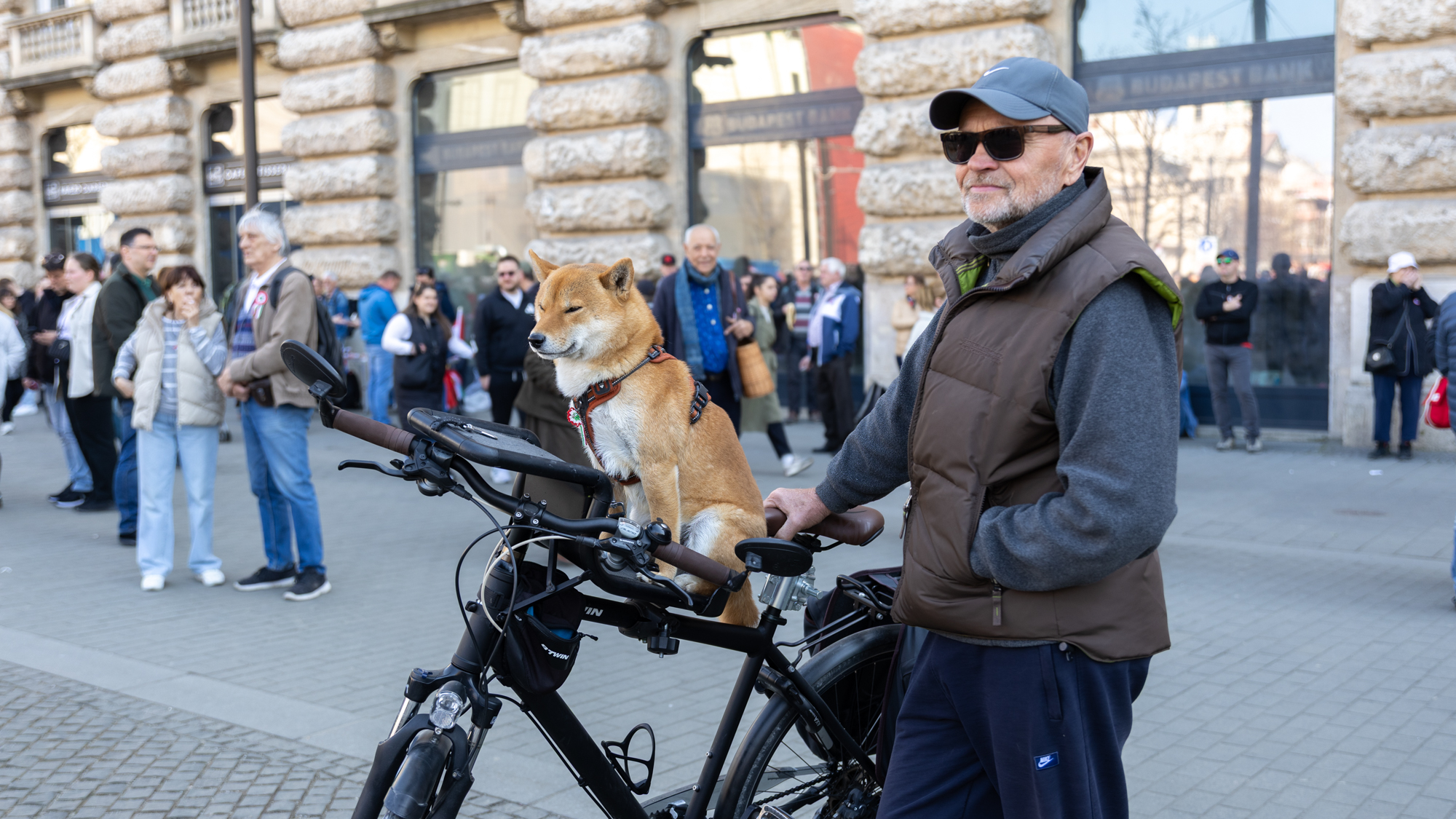
The phenomenon is visible in all major Western metropolises. While it is now possible to go several days without seeing a single child, dogs are omnipresent. They occupy the sidewalks, parks, shops, and even offices. Large families have become the exception; the single person with a Labrador has become the norm. Businesses have fully understood this shift.
The famous French children’s products catalogue Vertbaudet now has an entire dedicated category for animals. This is not out of cynicism or to ride the wave, but simply because a company selling products exclusively for children can no longer survive.
The market adapts. It seeks new consumers, and when babies are lacking, dogs become surrogate customers.
In a well-understood capitalist system, demand creates supply. The result is striking. Even outside major cities, you can find strollers for dogs, dog spas, and even dog daycares.
This week, the French local press even promoted an amusement park for dogs! When can we expect canine psychologists?
The Evolution Is Also Cultural
An adult is notably defined by their capacity to become a parent. Someone who is alive naturally wishes to pass life on, and they are precisely able to do so once they have become an adult.
Yet today, many adults indefinitely prolong the habits of adolescence. They collect hobbies, multiply experiences and travels (no doubt a form of compensation for their inability to buy their primary residence—an element which, unfortunately, also weighs on the birth rate) and refuse lasting constraints.
They buy ice creams, have snowball fights, build monuments with Lego, spend their weekends in amusement parks, or shoot pellet guns.
The phenomenon is significant enough to outline a new anthropological model: adults remain children and, consequently, no longer have any.
In this logic, the dog offers a considerable advantage. It provides affection without demanding the sacrifices imposed by a child. It does not challenge career plans, does not require 20 years of investment, and does not radically transform one’s lifestyle.
‘Adults remain children and, consequently, no longer have any’
This lack of maturity recalls the Book of Genesis. Before the creation of woman, man had to understand that there exists a fundamental incommunicability between himself and the animals. We have returned to a pre-creation stage. Our contemporaries do not seem to have understood that a cat will not bring them unconditional love, that a dog cannot be a true friend (whatever the saying claims), and that cuddling one’s cat is only a sad imitation of the warmth of a family. They do not know that Humans Need Humans.
Contraception and abortion have obviously played a major role in dissociating sexuality from parenthood.
City Centres: Anti-Family Spaces
City centres have become increasingly expensive and therefore ever less suited to family life.
The consequences of having a child (the noise, the space required, the school constraints…) have become hardly compatible with contemporary urban lifestyles, from the price per square meter to the car-unfriendly policies.
Families have therefore moved away, leaving the space to singles and childless couples. Large family apartments have been carved up by property developers or turned into shared housing for ‘adolescents’ aged 35 years old.
A photograph taken in Paris in winter in the 1960s shows children running everywhere. If you go to Paris this winter, you will see dogs wearing clothes.
When Individual Choices Have Collective Consequences
Boris Johnson rejoices at this situation even though he himself decided to import immigrants because of the shortage of children and workers when he was Prime Minister.
The demographic deficit is not filled by the presence of pets, so immigration comes to remedy it, bringing its share of difficulties (rise in crime, creation of parallel societies, Islamization, etc).
The birth of a child is the only ‘lifelong’ adventure. Even marriage has become temporary. Careers change, friendships dissolve, and cities are left behind. A child, however, remains.
He reminds us that durability exists. This is why people prefer a form of pet parenthood without posterity.
This may be why dogs are enjoying such success today. They offer a lightweight version of parenthood: attachment without transmission, affection without filiation, responsibility without legacy.
Related articles:
At a time when public debate is increasingly polarized and superficial, Hungarian Conservative remains committed to depth, intellectual honesty, and independent conservative thought.
Producing high-quality journalism requires resources. Your contribution helps us expand our coverage, reach new audiences, and keep our content accessible.

Please consider supporting our mission.