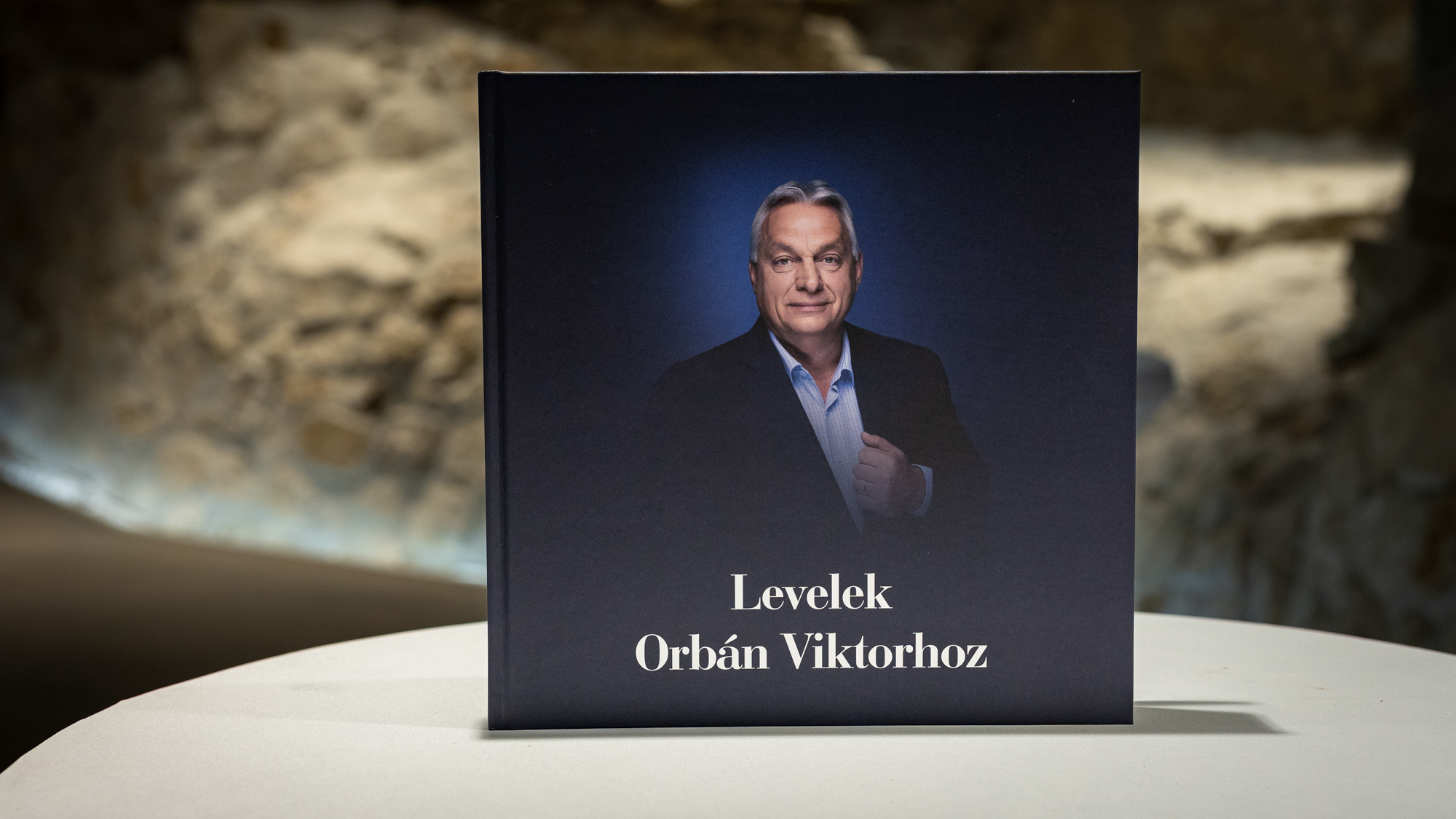
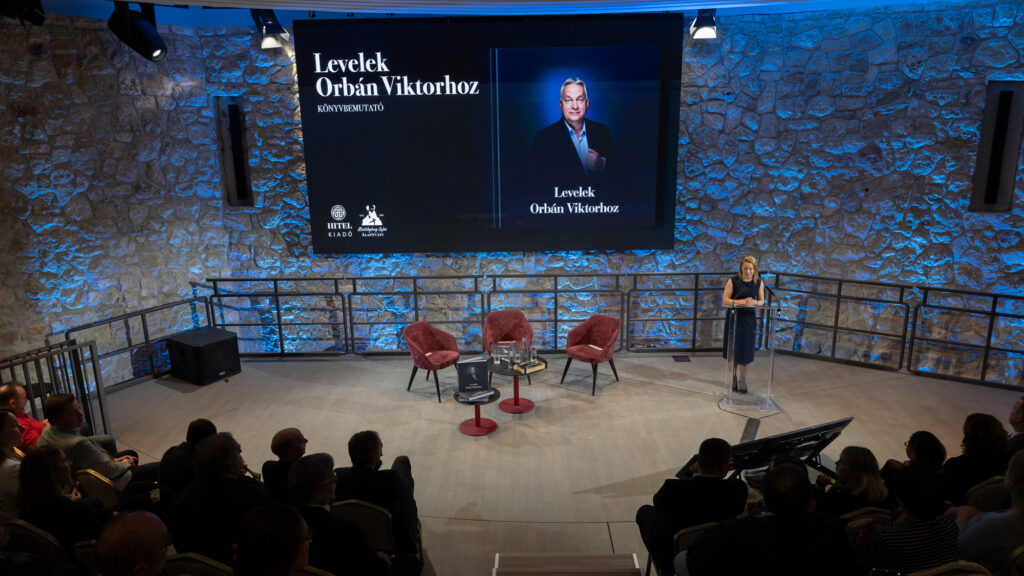
A new volume titled Letters to Viktor Orbán was presented in Budapest at an event organized by the Batthyány Lajos Foundation, offering a rare glimpse into nearly three decades of Hungarian and European political history through personal and official correspondence addressed to the prime minister.
Speaking at the launch, publishing director Anikó Gorácz described the project as an ambitious undertaking, drawing from more than 60,000 letters spanning 28 years. The selected collection of over 100 documents aims not only to preserve historical memory but also to provide guidance for future generations. She emphasized the unique emotional and historical depth of letters, noting that they capture the spirit of their time—human relationships, conflicts, and hopes—more vividly than other sources. Among the highlights are letters from three popes, including a message from Pope John Paul II in 2000 calling for peace, a theme she said remains strikingly relevant today.
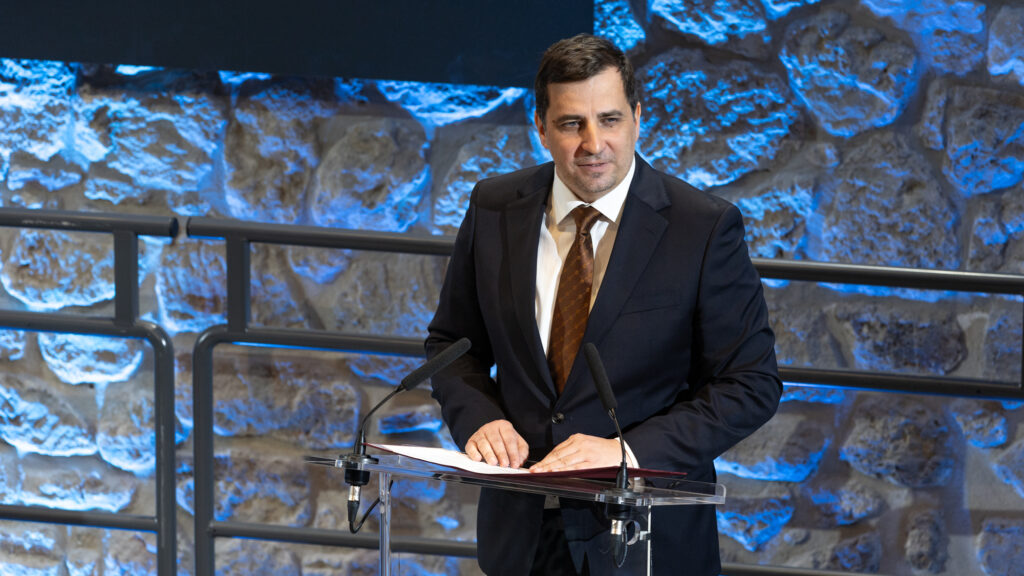
In his opening lecture, Rector Gergely Deli of the National University of Public Service framed the book as a ‘great journey’ that extends beyond Viktor Orbán’s personal political career. According to Deli, the period from 1998 to 2025 represents a transformative era not only for Hungary but for the broader European landscape. He argued that the volume documents a historical arc encompassing five government cycles, each marked by defining milestones: NATO and EU accession, the adoption of Hungary’s Fundamental Law, the migration crisis, the policy of Eastern Opening, and the ongoing Russo–Ukraine war.
The panel discussion that followed brought together former ambassador Andor Nagy, State Secretary János Nagy, and editor Kristóf Heil. Heil detailed the editorial process, explaining that the team reviewed tens of thousands of documents, including letters, emails, messages and even social media posts, before selecting those that best reflect both political developments and personal relationships.
For Andor Nagy, the collection offers a deeply personal experience. He described reading the letters as ‘travelling alongside’ the prime minister, recalling key moments from his own diplomatic career. One such memory involved former German Chancellor Helmut Kohl, who, during a visit to Hungary, privately reflected on political uncertainty while lighting a candle in St Stephen’s Basilica shortly after his wife’s death. According to Nagy, such moments highlight the human dimension behind political leadership.
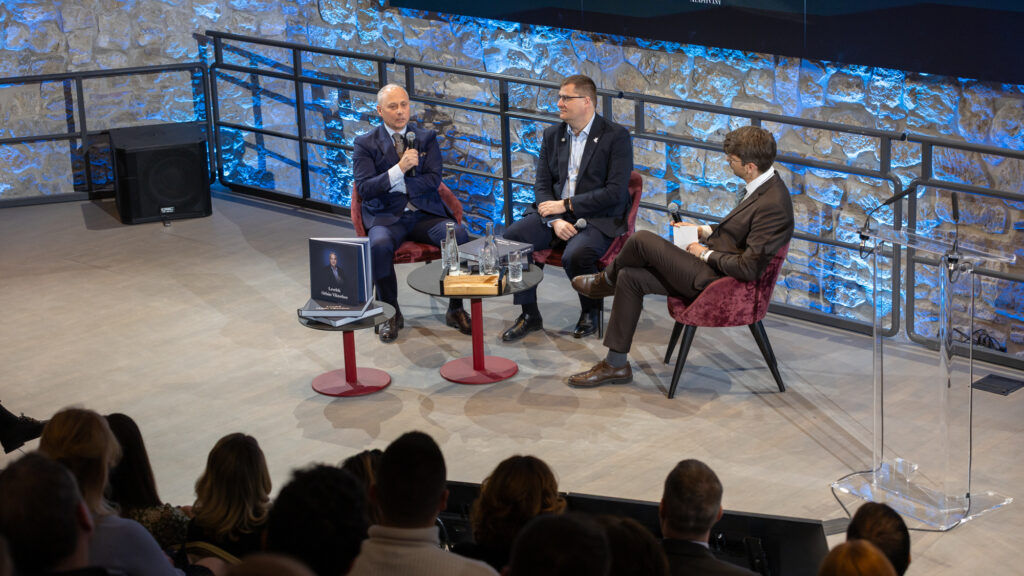
János Nagy emphasized the institutional effort behind preserving the correspondence, noting that the existence of the collection itself reflects decades of administrative continuity. He also pointed to letters from global figures, including Israeli Prime Minister Benjamin Netanyahu, as evidence of Hungary’s international engagement. These documents, he said, reveal not only formal diplomacy but also the tone and personal connections underpinning political relations.
Speakers agreed that the volume is both a historical record and a reflection of evolving leadership. While many letters express appreciation or acknowledgement, the collection also includes critical voices, underscoring the complexity of international politics. The discussion highlighted how sustained personal relationships and trust play a crucial role in diplomacy, often built over years rather than through formal meetings alone.
The conversation also touched on leadership style. According to the panellists, Orbán’s approach, marked by a willingness to engage in conflict when necessary, has contributed to his standing on the international stage. They argued that political disputes, when grounded in national interest, do not preclude respect from partners and rivals alike.
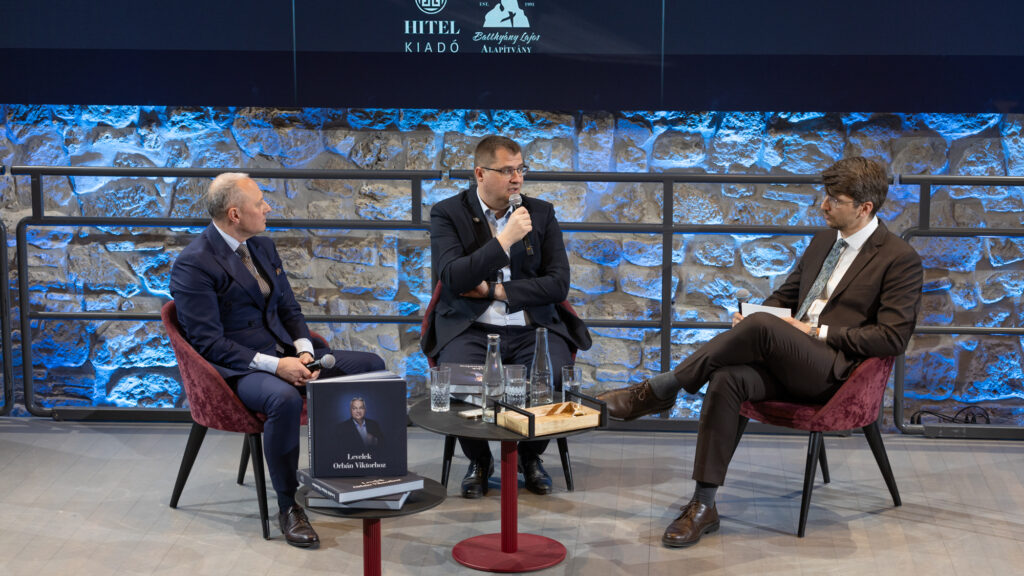
The book further illustrates the breadth of correspondence, extending beyond political leaders to include artists, athletes, and public figures. These letters, the speakers noted, demonstrate the cultural and social dimensions of leadership, as well as the symbolic importance of recognition and communication.
Ultimately, the volume presents a multifaceted portrait of a political era, blending official documentation with personal narrative. As Heil concluded, each letter serves as both a message and a gesture of respect, capturing the interplay between individual relationships and broader historical forces.
Related articles:
At a time when public debate is increasingly polarized and superficial, Hungarian Conservative remains committed to depth, intellectual honesty, and independent conservative thought.
Producing high-quality journalism requires resources. Your contribution helps us expand our coverage, reach new audiences, and keep our content accessible.

Please consider supporting our mission.