Hungary said it could lift its opposition to the 90 billion euro European Union loan package if Ukraine restores oil deliveries through the Druzhba pipeline, linking support for the financing arrangement directly to the resumption of energy transit.
Prime Minister Viktor Orbán said on Sunday that, through mediation by Brussels, Hungary had received indications from Ukraine that oil shipments through the pipeline could resume as early as Monday, provided Budapest subsequently removes its block on the EU loan package.
‘If there is oil, there is money,’ Orbán said, reiterating the Hungarian government’s position that approval of the financing package depends on the restoration of supplies.
According to Orbán, once oil transit resumes, Hungary would no longer obstruct adoption of the loan framework, which he said would not impose a direct financial burden or liability on Hungary.
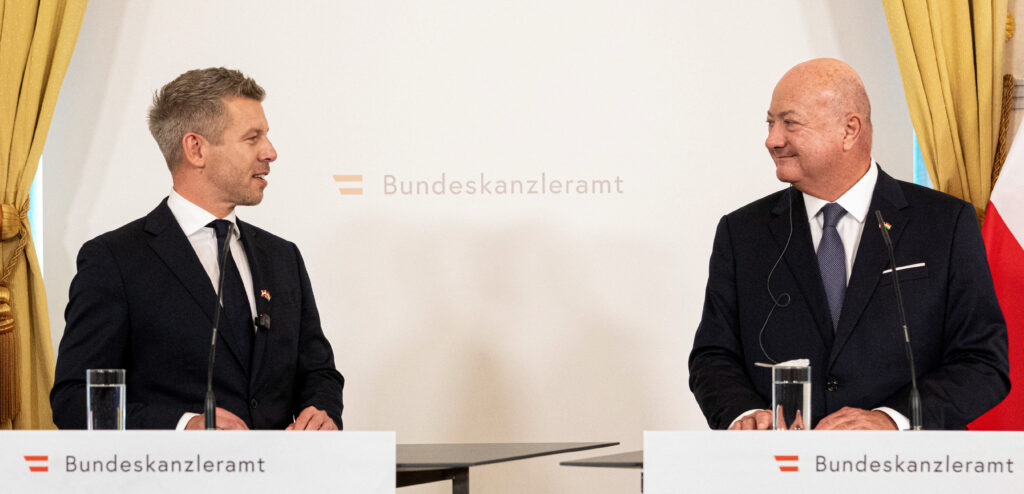
Hungary’s Minister for European Union Affairs János Bóka echoed the position, saying the issue could move forward as soon as Wednesday at a meeting of permanent EU representatives if oil deliveries restart on Monday.
Bóka argued the dispute had demonstrated that Ukraine’s suspension of oil transit was politically motivated and said Hungary’s response showed political pressure could only be countered with similar means.
He also criticized the European Commission, accusing it of failing to show solidarity with Hungary and Slovakia and of not sufficiently enforcing provisions of the EU–Ukraine Association Agreement.
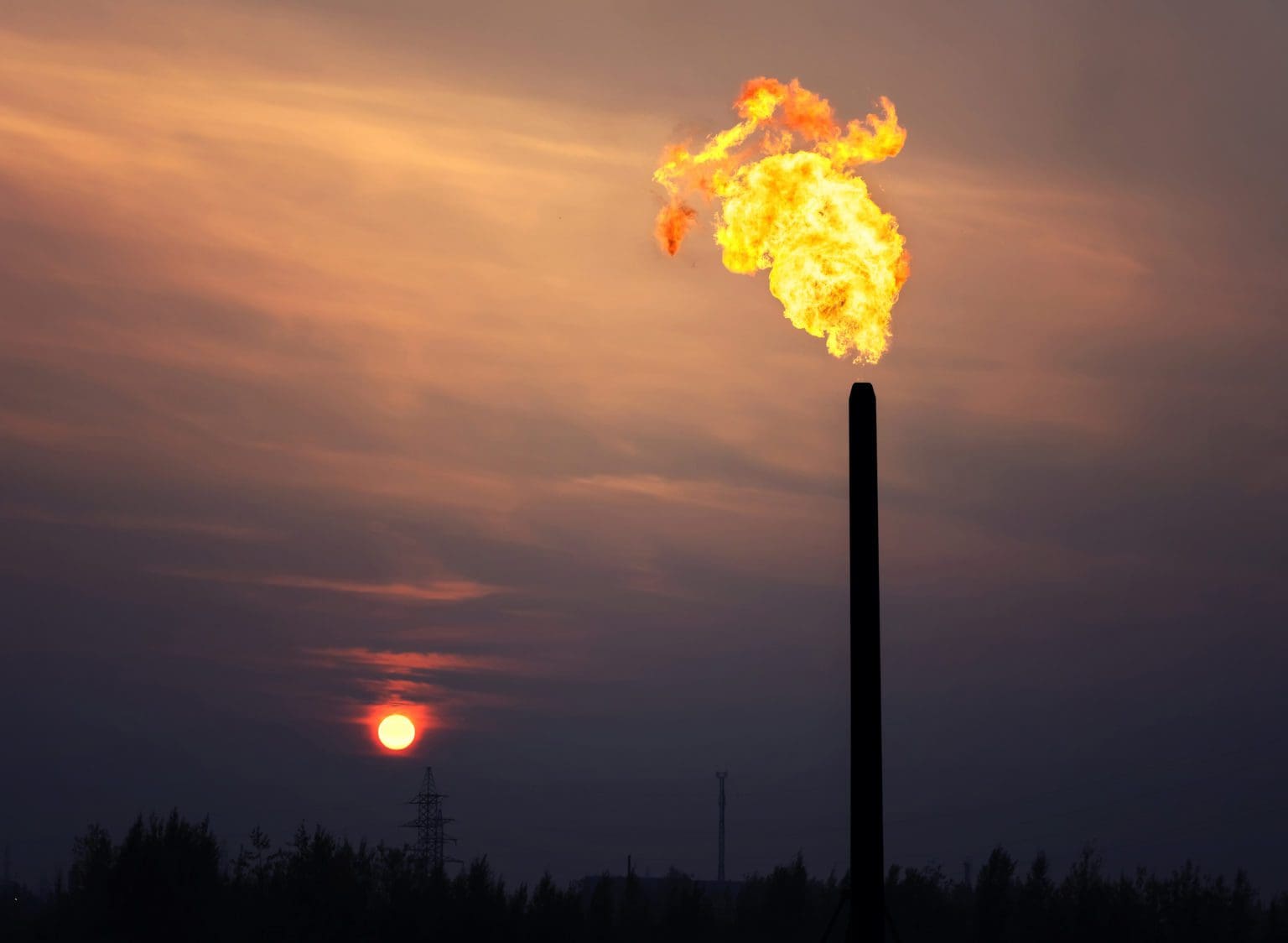
The Druzhba pipeline has been a key route for crude oil supplies to Central Europe, and disruptions have raised concerns over regional energy security amid broader tensions between the EU, Ukraine and Russia.
The standoff has also underscored how energy transit and financial support for Ukraine have become increasingly intertwined in wider negotiations between Brussels and member states.
While the apparent breakthrough could ease immediate tensions, Hungarian officials signalled the dispute may have longer-term implications for future negotiations with Kyiv, particularly on energy and broader bilateral relations.
Related articles:
At a time when public debate is increasingly polarized and superficial, Hungarian Conservative remains committed to depth, intellectual honesty, and independent conservative thought.
Producing high-quality journalism requires resources. Your contribution helps us expand our coverage, reach new audiences, and keep our content accessible.

Please consider supporting our mission.