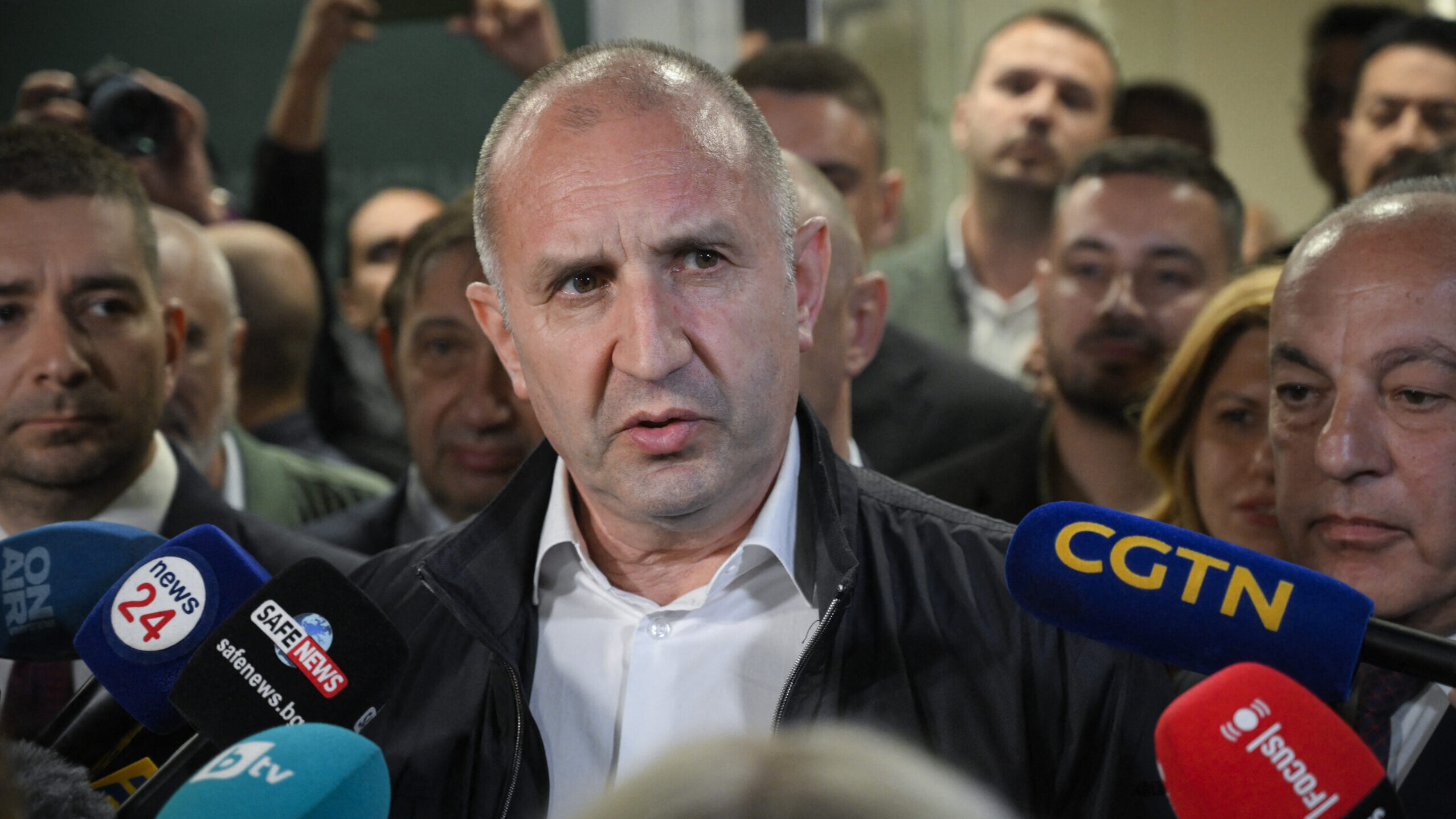
Former president Rumen Radev and his Progressive Bulgaria (PB) coalition won a landslide in Bulgaria’s eighth snap election since 2021, held on Sunday, 19 April. Radev secured 44 per cent of the vote and an outright majority of seats, while the outgoing governing parties, GERB–SDS, fell to around 15 per cent. This is the first time in Bulgaria’s modern history that the Bulgarian Socialist Party (BSP) has failed to enter parliament.
Turnout was below 50 per cent, with analysts pointing to corruption, the cost-of-living crisis, and voting irregularities as the main issues during the campaign. More than 96 per cent of the vote had been counted at the time of writing.
Bulgaria, 96.4% of protocols processed:
— Europe Elects (@EuropeElects) April 20, 2026
National parliament election
PB-*: 44.7% (+0.2)
GERB-SDS-EPP: 13.4% (+0.1)
PP-DB-RE|EPP: 12.9% (-0.6)
DPS-NN-NI: 6.7% (+0.6)
V-ESN: 4.3% (-0.1)
MECh-*: 3.3%
Velichie-*: 3.1% (-0.1)
BSPOL-S&D: 3.0%
Siyanie-G/EFA: 2.9% (-0.1)
APS-RE: 1.5%… pic.twitter.com/vZ4QRUEgjO
Formally a left-wing nationalist, EU-sceptic coalition, Progressive Bulgaria, under the leadership of Rumen Radev, prioritizes Bulgaria’s national interest and is highly critical of Bulgaria’s adoption of the euro in 2026.
Regarding his foreign policy, most analysts describe Radev as a ‘sovereigntist pragmatist’, meaning he sees Bulgaria’s future within the EU and NATO, but is highly critical of their policies, especially on sanctions and energy.
Radev has consistently called for restoring relations with Moscow and improving economic ties, and supports resuming imports of Russian gas and oil. He also frames EU sanctions on Russia as harmful to both sides, echoing many of the policies of outgoing Hungarian prime minister Viktor Orbán. Radev is often nicknamed by the media as the ‘Bulgarian Orbán’.
‘Radev has consistently called for restoring relations with Moscow’
The incoming prime minister of Bulgaria also opposes sending military support to Ukraine and advocates an immediate ceasefire and negotiations. He opposes NATO involvement in Ukraine, as well as fast-track membership for Ukraine in both NATO and the EU.
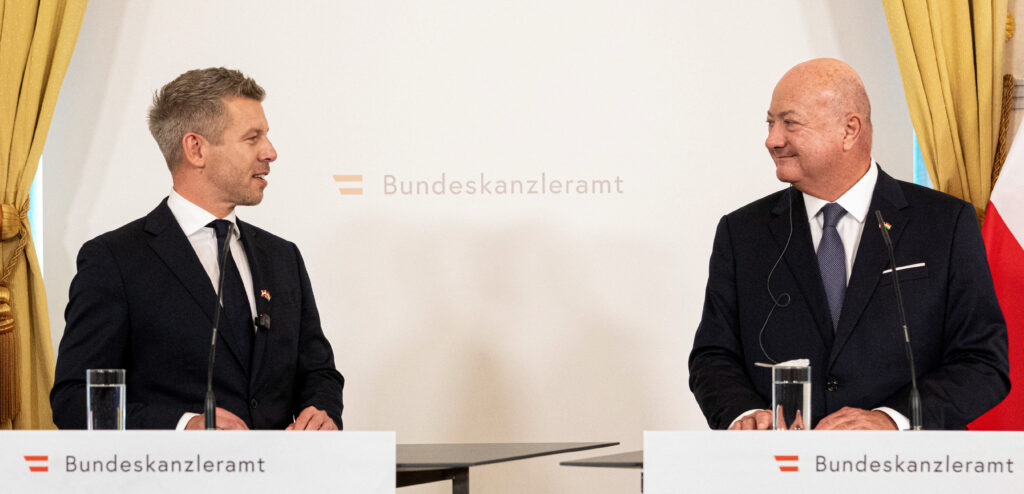
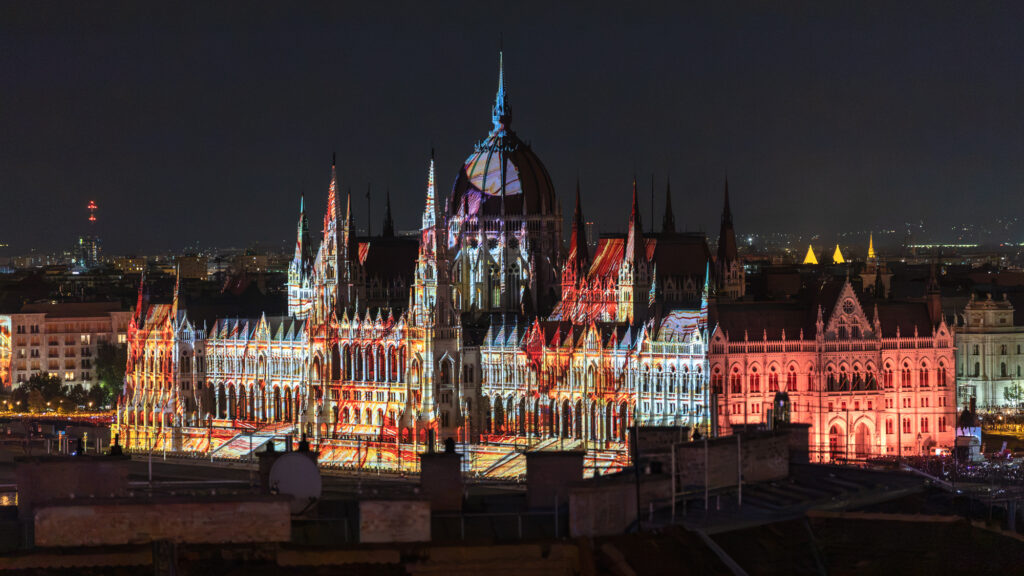
Radev’s landslide victory comes just a week after Viktor Orbán suffered a crushing electoral defeat, losing power after 16 years to the Tisza Party and Péter Magyar, which secured a constitutional supermajority with 141 mandates in the 199-seat parliament. Western media celebrated Orbán’s defeat, and EU leaders were quick to engage with the incoming Hungarian government on several issues, including currently frozen EU funding and lifting Hungary’s veto on a joint EU loan of €90 billion to Kyiv.
With Radev coming to power in Bulgaria, analysts suggest that the country could replace Hungary as a more Russia-friendly voice within the EU, alongside Robert Fico’s Slovakia, which has already signalled it is ready to use its veto power if the government in Hungary changes.
Related articles:
At a time when public debate is increasingly polarized and superficial, Hungarian Conservative remains committed to depth, intellectual honesty, and independent conservative thought.
Producing high-quality journalism requires resources. Your contribution helps us expand our coverage, reach new audiences, and keep our content accessible.
Please consider supporting our mission.