1 May is celebrated across much of the world as Labour Day, a date rooted in the struggle for workers’ rights and now widely recognized as a symbol of solidarity. First marked in 1890, the day has evolved from a militant international workers’ holiday into a broader commemoration of labour and social justice.
The origins of May Day trace back to the Industrial Revolution, when workers faced gruelling conditions, often labouring between ten and 14 hours a day. Early calls for reform came from figures such as Robert Owen, who in 1817 proposed the now-famous principle: eight hours for work, eight hours for rest, and eight hours for recreation.
Progress came slowly. By the mid-19th century, some limits had been introduced, particularly for women and children, but the demand for an eight-hour workday continued to grow. One of the earliest successful actions took place in Melbourne, Australia, in 1856, when construction workers secured shorter hours without a reduction in pay.
The movement gained global momentum in the late 19th century. In the United States, tensions escalated dramatically during protests for the eight-hour day. On 1 May 1886, a nationwide strike began, culminating days later in the violent Haymarket affair in Chicago. Clashes between police and demonstrators left multiple people dead, and the subsequent trial and execution of anarchist leaders sparked international outrage.
In response, the Second International declared 1 May a day of global worker demonstrations. The first coordinated international observance took place in 1890, with mass rallies across Europe and beyond, including in Hungary.
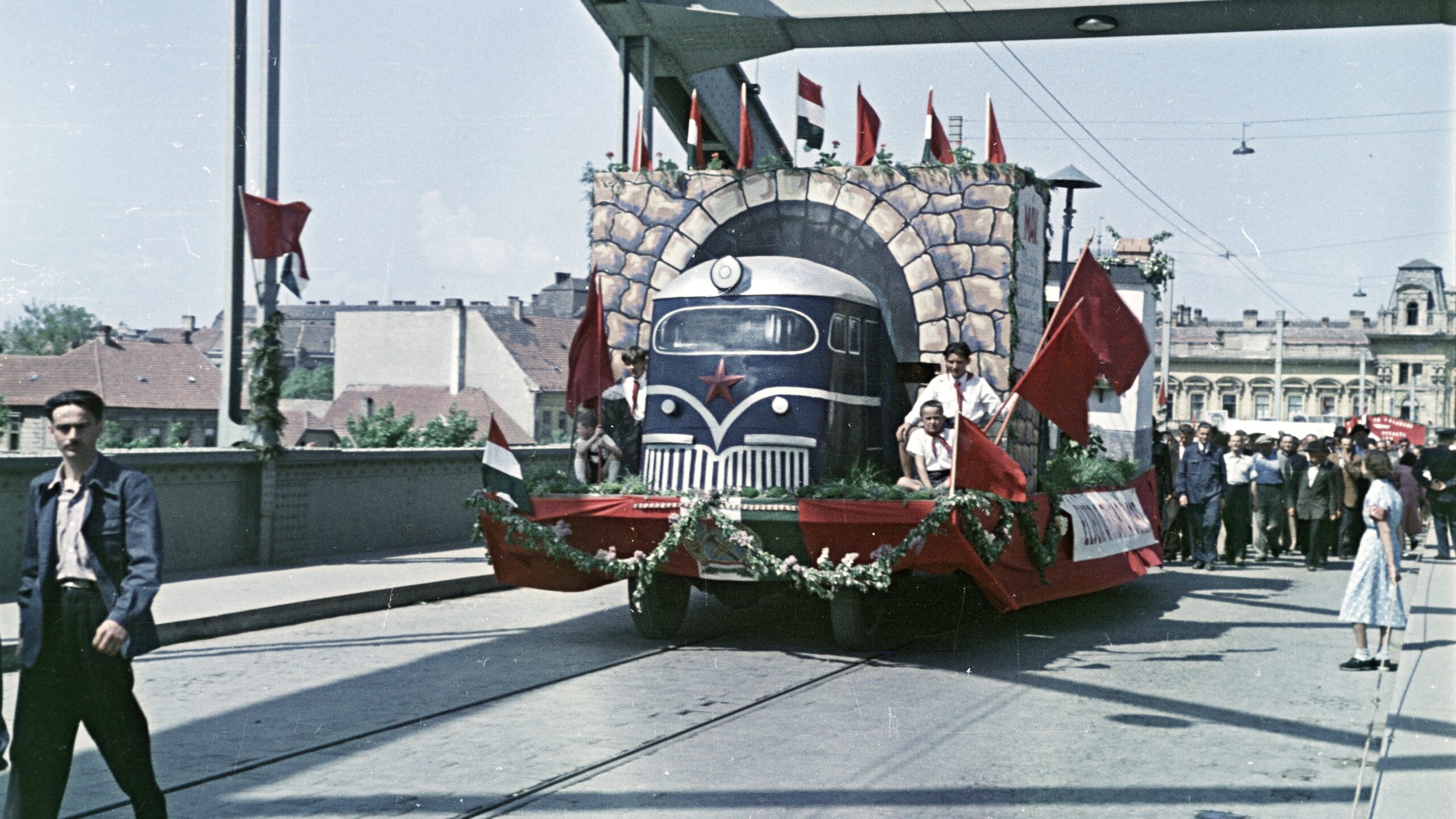
Throughout the 20th century, May Day became the most significant international workers’ holiday, especially in socialist states such as the Soviet Union and across Central and Eastern Europe. Governments organized large-scale parades showcasing industrial achievements and social progress, turning the day into both a celebration and a display of political power.
Following the fall of communist regimes in the 1990s, the character of May Day shifted. While it remained a public holiday in many countries, it increasingly became a day of reflection and advocacy rather than a state-organized spectacle. Trade unions and civil organizations continue to hold demonstrations, focusing on issues such as fair wages, job security and workers’ rights.
Today, May Day carries multiple meanings. In many places, it is marked by festivals and community events, while in major cities, it remains a platform for protest and social dialogue. Its core message: solidarity among workers continues to resonate in a rapidly changing global economy.
1 May also holds religious significance in the Catholic tradition as the feast of Saint Joseph, the patron saint of workers. Instituted in 1955 by Pope Pius XII, the observance honours Joseph’s role as a carpenter and symbolically links labour with dignity and faith.
From its origins in industrial struggle to its modern role as a global day of solidarity, May Day remains a powerful reminder of the ongoing pursuit of fair and humane working conditions.
Related articles:
At a time when public debate is increasingly polarized and superficial, Hungarian Conservative remains committed to depth, intellectual honesty, and independent conservative thought.
Producing high-quality journalism requires resources. Your contribution helps us expand our coverage, reach new audiences, and keep our content accessible.

Please consider supporting our mission.