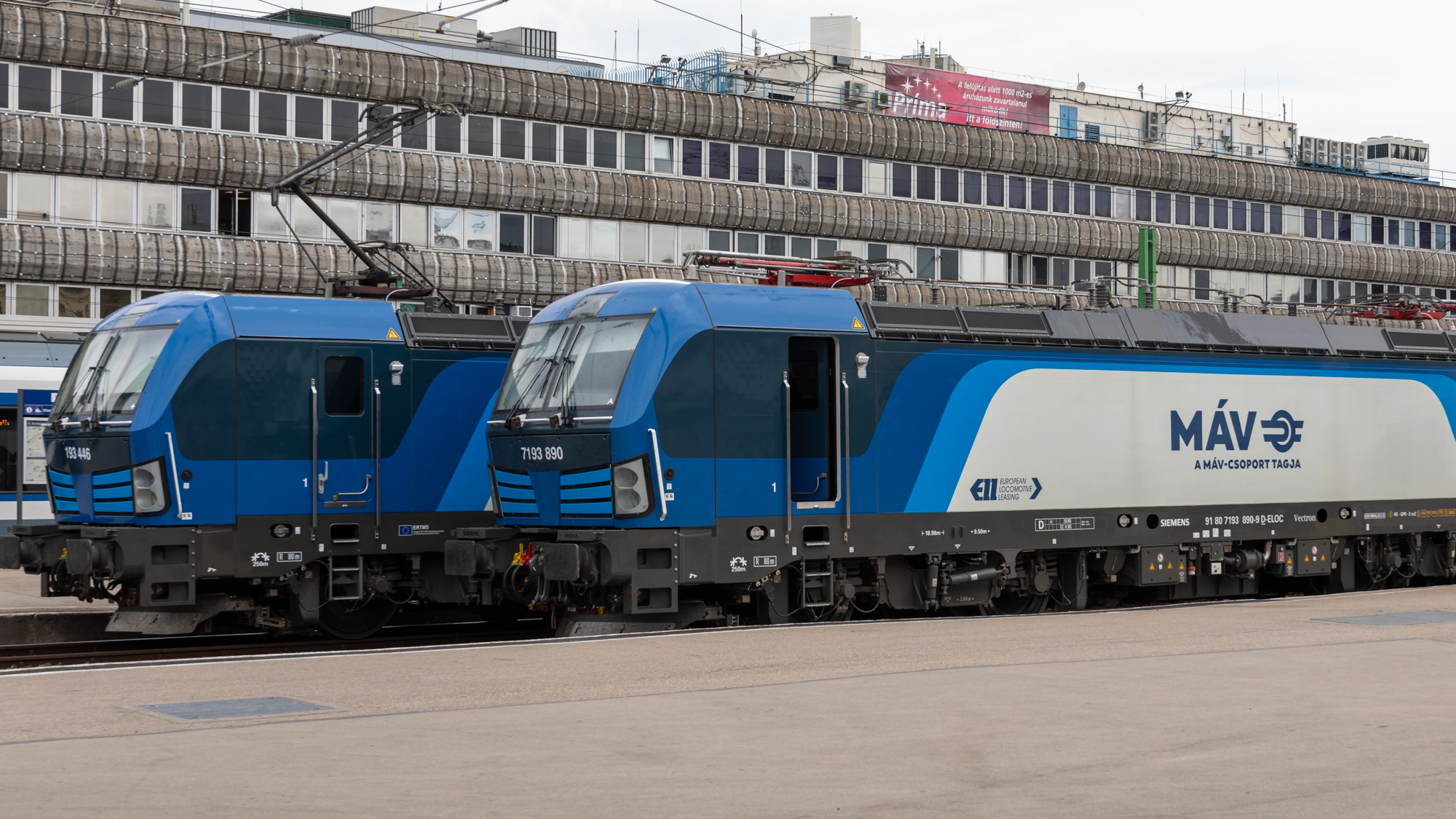
The Hungarian government has launched the Baross Gábor Railway Development Plan, a long-term investment programme worth up to 3.55 trillion forints aimed at modernizing the country’s rail network and reversing decades of underinvestment.
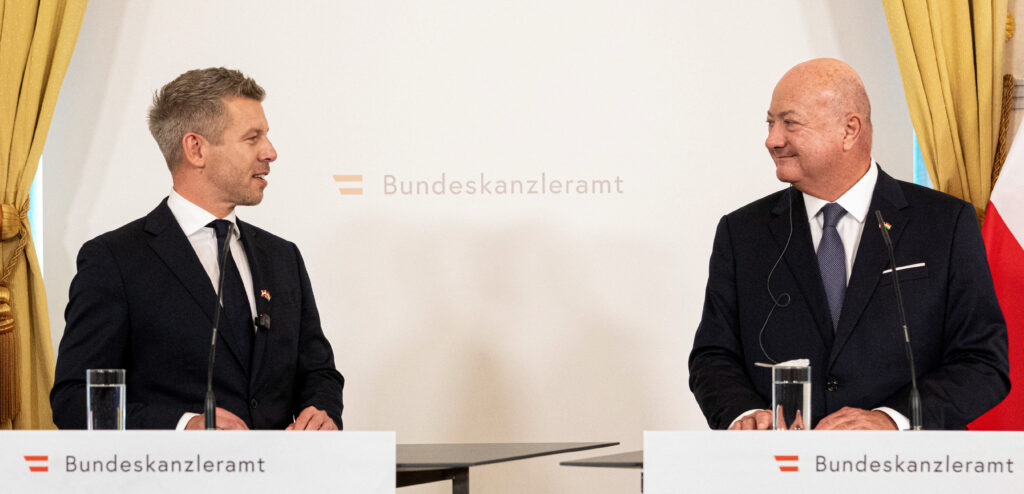
Speaking at Budapest’s Rákospalota-Újpest railway station, Prime Minister Péter Magyar said the government had approved the programme at last week’s cabinet meeting. He described railway development as not only a transport policy issue but also a matter of national strategy, arguing that it would influence regional competitiveness, labour mobility, economic performance and Hungary’s international connectivity.
The prime minister said the programme aims to build a nationwide rail network capable of competing with road transport by offering faster, more reliable and more comfortable services. He noted that ageing infrastructure and rolling stock remain among the railway system’s most significant challenges.
The ten-year programme, which extends beyond a single government term, seeks to reduce the average age of railway vehicles, increase speeds on main lines, expand the electrified network, improve the reliability of regional services and introduce more passenger-focused operations.
Magyar said the plan is structured around six strategic priorities: improving rail access to every county seat, strengthening regional rail services, expanding suburban rail networks, enhancing cooperation with Budapest, developing rail freight transport and improving international rail links, including closer regional cooperation.
Transport and Investment Minister Dávid Vitézy said the programme marks the beginning of efforts to eliminate the railway’s long-standing infrastructure deficit. According to the financing framework presented by the government, 1.1 trillion forints are expected to come from EU cohesion funds, 700 billion forints from the Recovery and Resilience Facility (RRF), 400 billion from European Investment Bank loans and 400 billion through concession-based investments. A further 950 billion forints have been earmarked for projects planned under the European Union’s 2028–2034 budget cycle.
Related articles:
At a time when public debate is increasingly polarized and superficial, Hungarian Conservative remains committed to depth, intellectual honesty, and independent conservative thought.
Producing high-quality journalism requires resources. Your contribution helps us expand our coverage, reach new audiences, and keep our content accessible.

Please consider supporting our mission.