
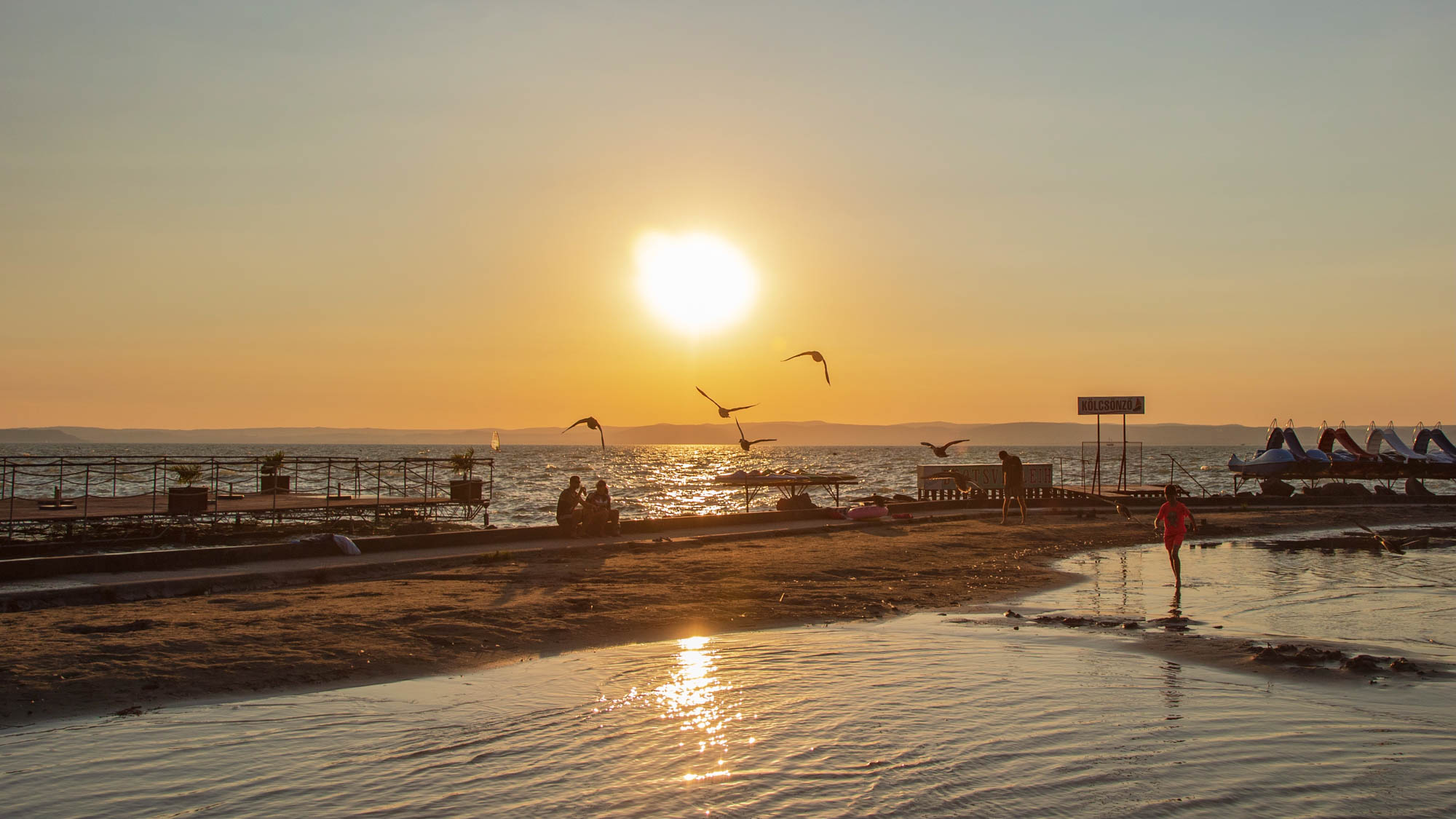
Hungary’s chief medical officer has declared a third-degree heat alert for the entire country from 00:00 on Thursday until midnight on Tuesday, based on the latest forecasts from HungaroMet.
According to HungaroMet, average daily temperatures on Thursday are expected to exceed 27°C in Győr-Moson-Sopron, Komárom-Esztergom, Veszprém, Fejér, Bács-Kiskun and Csongrád-Csanád counties. In most other parts of the country, with the exception of Nógrád, Heves, Borsod-Abaúj-Zemplén and Szabolcs-Szatmár-Bereg counties, average temperatures are forecast to remain above 25°C.
On Friday, average temperatures are expected to exceed 29°C in Komárom-Esztergom, Fejér and Bács-Kiskun counties. Temperatures are forecast to remain above 27°C across most of the country and above 25°C even in the coolest northeastern counties.
In a joint statement, the National Centre for Public Health and Pharmacy and the National Directorate General for Disaster Management warned that the prolonged heatwave could place significant strain on the body and urged residents to take extra care of themselves and vulnerable relatives.
The authorities said sustained high temperatures increase perspiration, leading to fluid and electrolyte loss that may cause dehydration, low blood pressure, dizziness, fainting and worsening symptoms among people with chronic illnesses.
The heat can also reduce physical and mental performance, increase fatigue and the risk of accidents, and aggravate cardiovascular, respiratory and kidney diseases. The most serious heat-related condition is heatstroke, which can be life-threatening. Anyone showing symptoms should be moved immediately to a cool place, cooled down and provided with emergency medical assistance if necessary.
Health officials said the greatest risk is faced by people with cardiovascular, metabolic, respiratory and kidney diseases, as well as those living with dementia or other mental health conditions. Older adults, infants, young children, pregnant women, people with reduced mobility and those working outdoors or in hot environments are also particularly vulnerable.
Authorities noted that firefighters have responded to an average of 25 incidents per day this year involving elderly people living alone who had not been heard from for several days. They encouraged residents to check regularly on elderly relatives and neighbours during the heatwave.
Residents are advised to drink plenty of water, avoid alcohol, sugary drinks and beverages containing large amounts of caffeine, and limit strenuous outdoor activities during the hottest part of the day between 11:00 and 15:00. Homes should be shaded during the day and ventilated at night, while light-coloured clothing, hats and UV-protective sunglasses are recommended. People taking regular medication should also ensure it is stored at the temperature specified in the product information.
‘Anyone who sees a child or animal left inside a vehicle should immediately call the emergency number 112’
The authorities also stressed that children and pets must never be left unattended in parked vehicles, where temperatures can become life-threatening within minutes. Anyone who sees a child or animal left inside a vehicle should immediately call the emergency number 112.
Firefighters have recently been responding to nearly 100 outdoor fires each day, with forests, fields, grasslands and agricultural areas affected. Residents are urged to avoid lighting fires outdoors during the heat alert.
Officials also recommended installing carbon monoxide detectors in homes equipped with open-flue water heaters, as extreme heat can create air blockages in chimneys and increase the risk of carbon monoxide accumulation.
A list of publicly accessible air-conditioned facilities is available on the Disaster Management Authority’s website, while updates on the heat alert can also be accessed through the authority’s free VÉSZ mobile application.
Related articles:
At a time when public debate is increasingly polarized and superficial, Hungarian Conservative remains committed to depth, intellectual honesty, and independent conservative thought.
Producing high-quality journalism requires resources. Your contribution helps us expand our coverage, reach new audiences, and keep our content accessible.

Please consider supporting our mission.