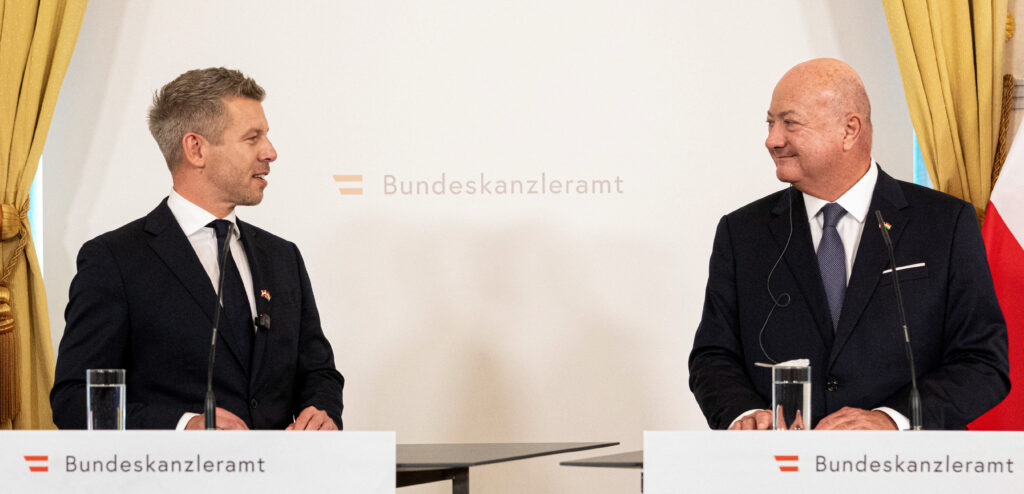
The Hungarian government is launching the Szent István Rural Development Programme to support local communities and improve conditions in rural areas, Prime Minister Péter Magyar told Parliament on Tuesday.
Magyar said that more than a year ago, while still in opposition, his political movement had pledged on 20 August, Saint Stephen’s Day, to provide rural communities with an annual one billion forint development fund for every group of ten settlements.
The government will now begin implementing that commitment, he said. Rather than determining from Budapest how the money should be spent, the ten settlements in each participating area will work together to identify their own priorities and decide which developments are needed.
Magyar said the programme was intended to address what he described as a long-standing failure of Hungarian politics to adequately support rural communities.
He argued that young people leave villages when they cannot find work locally, schools and shops close, access to healthcare becomes more difficult, and infrastructure deteriorates. Eventually, he said, communities can reach a point where the question is no longer how they can develop but how they can survive.
The prime minister also criticized what he described as decades of political division between rural and urban Hungary. He said rural residents had too often been treated as a political constituency rather than as partners, while urban residents had been portrayed by political forces as being disconnected from people living in villages.
Magyar said the government wanted to move beyond such divisions, stressing that Budapest was not the enemy of rural Hungary, villages were not the enemies of cities, and rural residents were not less modern or less Hungarian.
‘Rural residents had too often been treated as a political constituency rather than as partners’
‘A strong Hungary cannot exist without strong local communities,’ he said, adding that rural areas and Budapest were not enemies but part of ‘one country’.
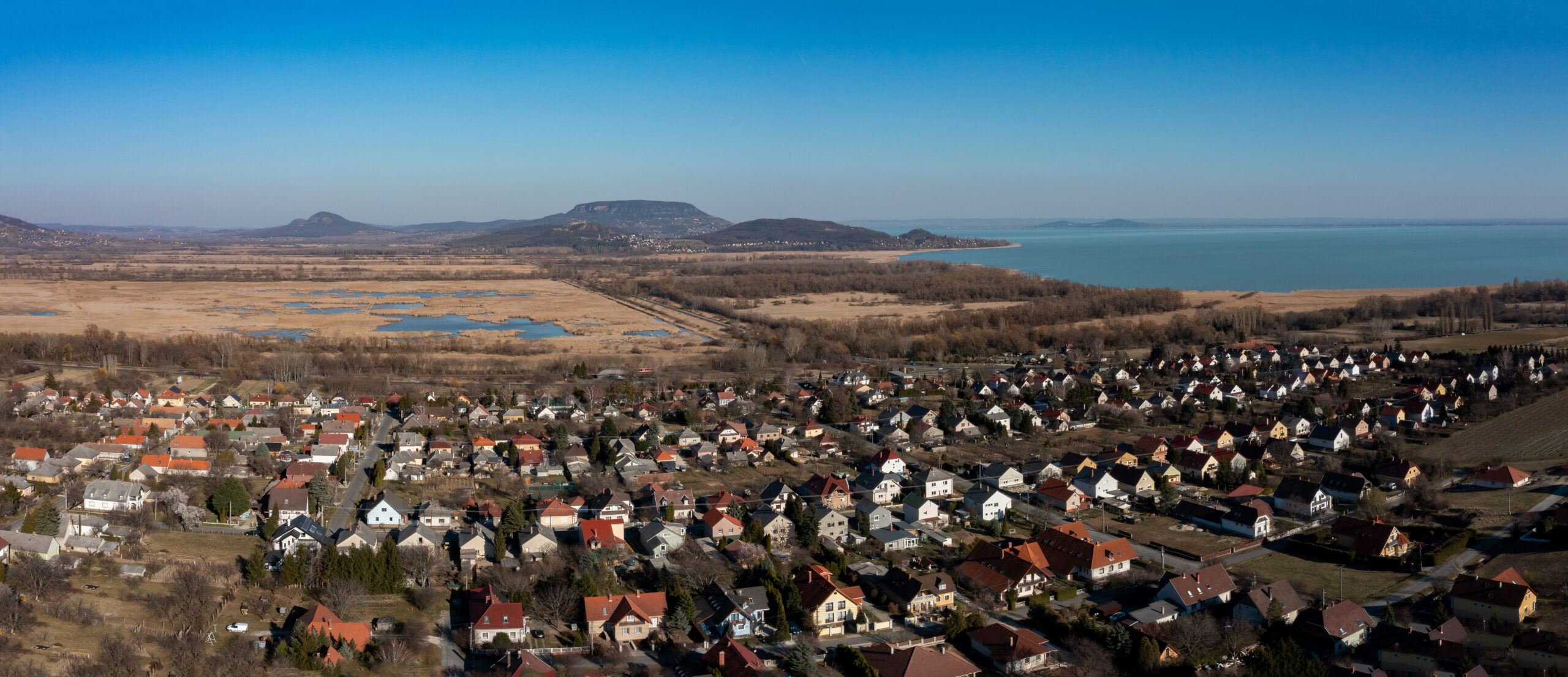
The programme will initially be tested in ten rural micro-regions around Zalakaros, Harkány, Bács, Pásztó, Medgyesegyháza, Igal, Tiszaújváros, Gyöngyös, Nyírbátor and Gönc. The pilot phase will involve 100 settlements and almost 100,000 residents. Magyar said average per capita income in the ten participating areas was 36.7 per cent below the national average.
Over the coming months, local residents and experts will jointly assess the opportunities and challenges facing each area, develop local strategies and draw up investment plans that are considered technically and financially feasible. Residents will then have a say in determining which projects should receive priority, he said.
Magyar also announced plans to restructure Hungary’s county-level municipal system, arguing that previous governments had weakened county assemblies and turned them into political patronage mechanisms.
He accused opposition parties of using county assemblies as ‘public money ATMs’ and said the government had already sought to reduce spending by abolishing expense allowances for county assembly presidents and vice-presidents and cutting the multi-million-forint salaries of assembly leaders.
Magyar said the government was now preparing a proposal to abolish what he called the ‘hollowed-out’ county assemblies and fundamentally restructure the system.
He argued that the changes could eventually save the state tens of billions of forints each year, allowing more public funds to be directed towards rural development. He also said the government would consider which functions should remain within the county-level municipal system.
The prime minister identified keeping young people in rural areas as one of the biggest challenges facing Hungary’s rural policy.
He said young people could not simply be told to stay in their hometowns, start families and establish businesses locally if there were no jobs, nurseries, adequate roads, reliable internet or other basic infrastructure.
The government will assess the initial ten-region phase of the Szent István Programme and use the results to establish a nationwide rural and regional development network, Magyar said.
Under current plans, nationwide implementation could begin after 20 August 2027. The programme could eventually directly support 2,174 rural settlements and around 1.85 million people, he said. Magyar said the government’s task was to bring the state closer to people, including those living in Hungary’s smallest settlements.
He drew a parallel with the past, saying that a thousand years ago ten settlements could come together to build a church, while today ten settlements could jointly build roads, medical facilities, nurseries, community spaces, water-retention systems and workplaces, as well as create new opportunities for the future.
He called on rural residents to monitor the government’s work, communicate their needs, participate in decision-making and oversee the implementation of the programme, arguing that Hungary can only be strong if its local communities are strong as well.
Related articles:
At a time when public debate is increasingly polarized and superficial, Hungarian Conservative remains committed to depth, intellectual honesty, and independent conservative thought.
Producing high-quality journalism requires resources. Your contribution helps us expand our coverage, reach new audiences, and keep our content accessible.

Please consider supporting our mission.