

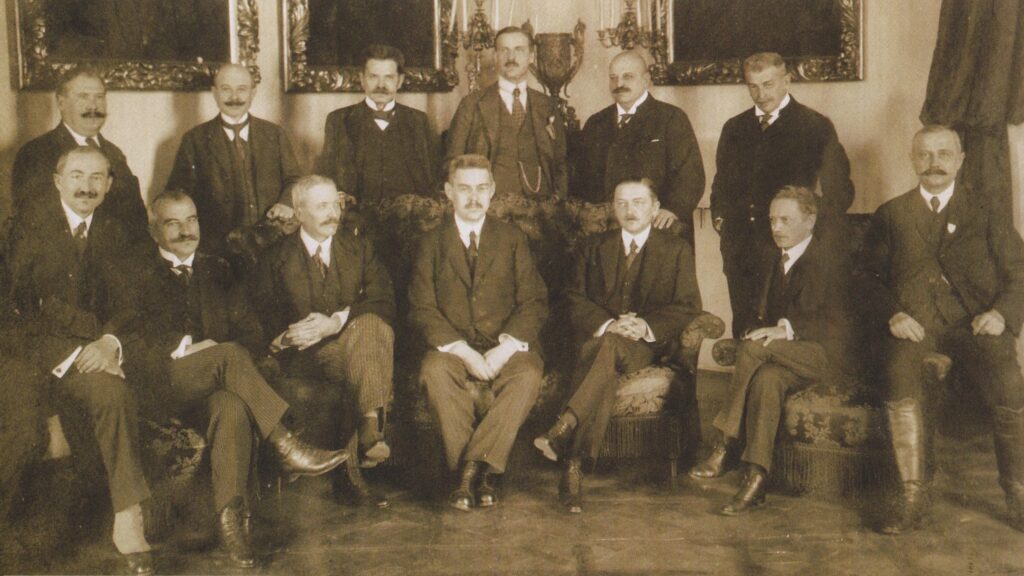



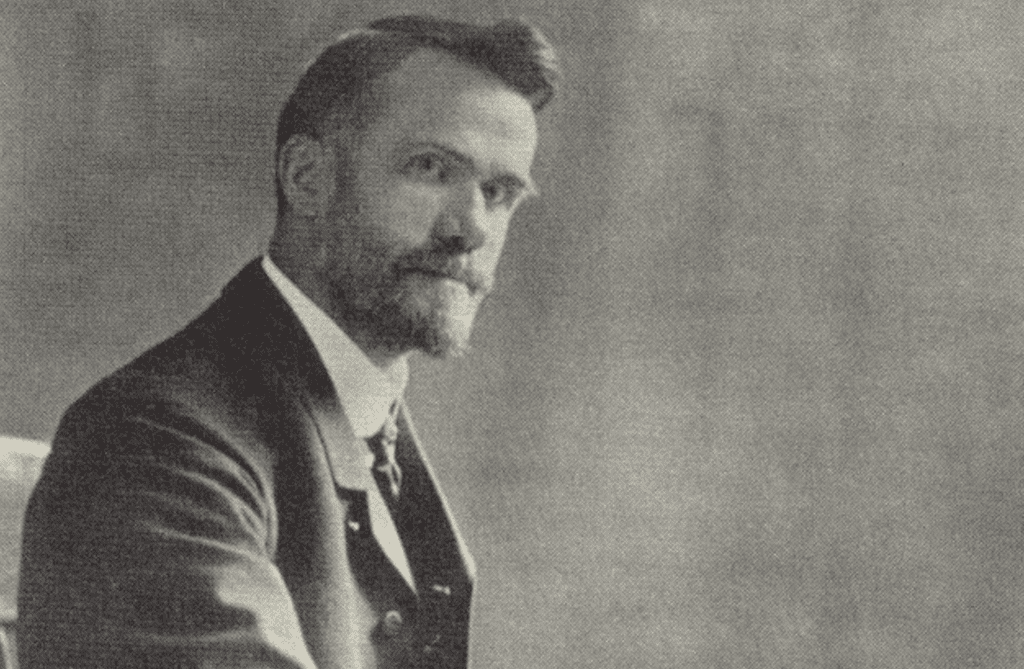

István Haller was a prominent Hungarian Christian politician in the first half of the 20th century. His book summing up his views on Christian politics is apparently paradoxical—it is both Christian-inspired and antisemitic. This combination illustrates the troubling tension that burdened the Christian national politics of the Horthy era in Hungary.
‘Is dominance good or bad? What is the relationship between dominance and democracy? What are the main reasons for dominance? Concerning the last question, the authors argue that—besides the already investigated causes, such as the electoral system—five aspects explain Fidesz’s dominance: the view of the past, the image of the nation, the perception of democracy, leadership, and the party’s role in the party system (and in relation to the opposition). The central part of the book elaborates on these five aspects, focusing on Fidesz and two additional international examples of dominant parties in each chapter.’
‘The systematic method Tóth uses really contributes to our understanding of ideology and ideological thinking. To mention a few substantial arguments that are derived from the plot of Darkness at Noon: ideological thinking is not necessarily concerned with objective reality; it naturally leads to radicalism; and—somewhat paradoxically—seems to replace its ideological nature with neo-Machiavellian pragmatism when the question of power politics emerges.’
As Kecskés frequently highlights, the source and the end for human beings is God. This is the basis on which every Christian social theory should rest.
In order to understand where to move forward, first, we must look at our past, our history, so that we become able to identify our strengths, weaknesses and our spiritual resources.
‘Most of the pitfalls in social ethics, political theory and education are due to a misunderstanding of the ontological character of love.’
While realism is defined explicitly, Christianity is not. Nevertheless, several crutches could lead us to understand Bennett’s theological perspective. He helps us in this effort when he plainly rejects ‘post-Kantian idealism that represents the pride of autonomous reason’.
In this piece, we venture to America again to immerse in the thoughts of Walter Rauschenbusch (1861–1918).
In this article, we will briefly review the history of the Serenity Prayer’s origin. We will also add two short notes, to highlight the importance of being aware of the authors and the content of our prayers.
In this article, the insightful ideas of an essential American protestant theologian from the last century will be recalled.

At a time when public debate is increasingly polarized and superficial, Hungarian Conservative remains committed to depth and independent thought.
Donate Now
Please consider supporting our mission.