

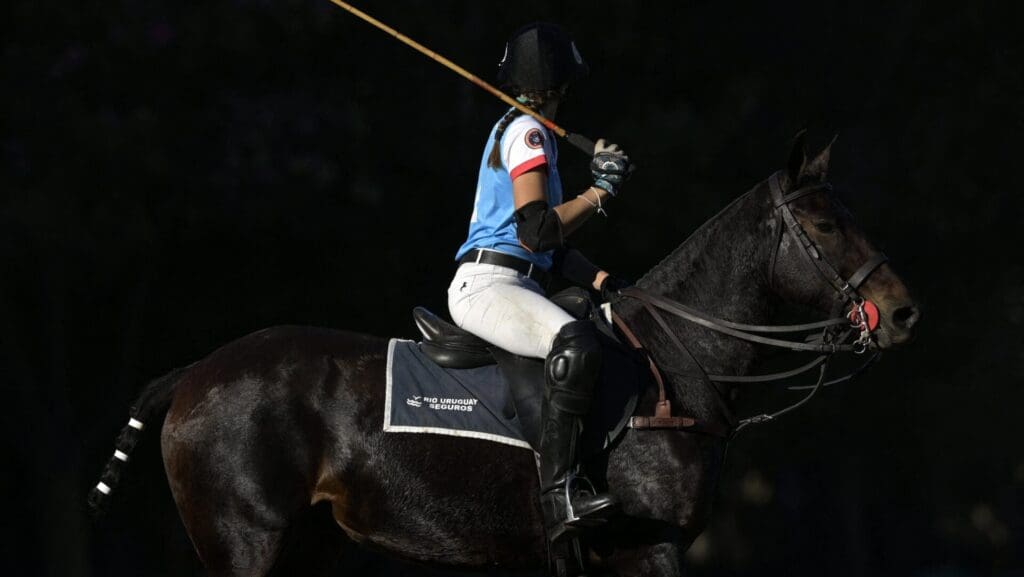


A few decades ago, cloning was only the dream of the elite of the scientific world—now it is our reality. It is used in agriculture, medicine, and even in polo to improve horses. It is a little-known fact that the latter has significant Hungarian connections.
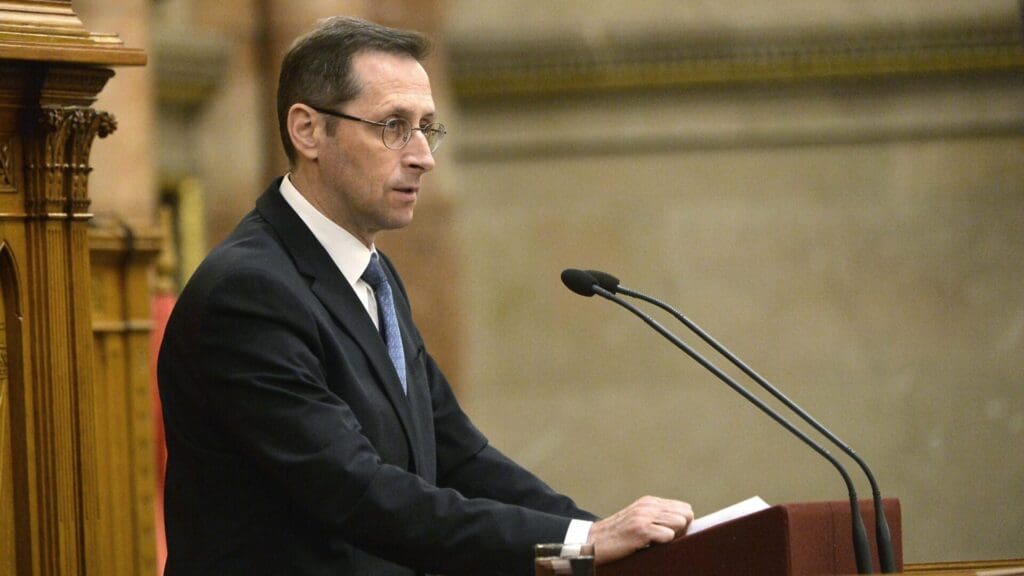
Mihály Varga pointed out during the introductory economic policy roundtable discussion that the government has taken measures to reduce inflation risks, which have yielded results. This is confirmed by the analyses of major credit rating agencies, which are ‘filled with positive findings,’ he said.
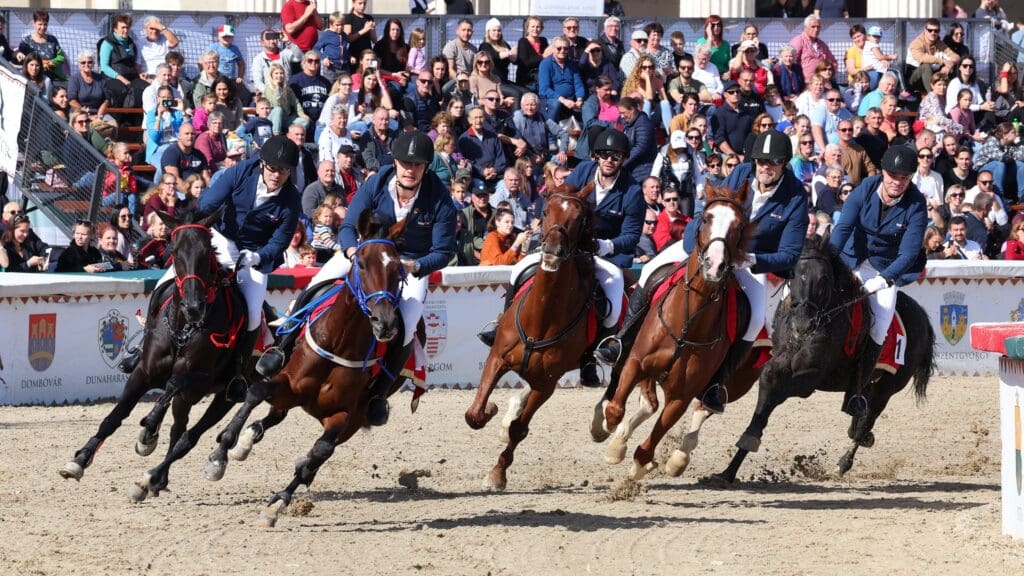
Szilvásvárad, the home of the nationally treasured Lipizzaner horse breed, has been announced as the new location of the event. In the past, the Gallop was organized in the capital city.
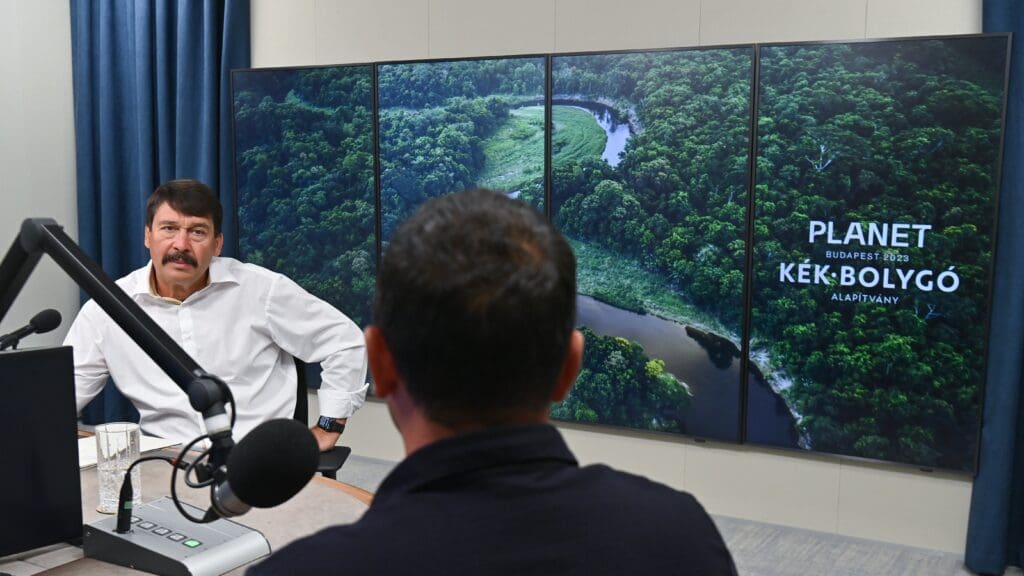
According to Áder, a viable solution in preventing a global climate disaster can only be reached through an agreement involving the G20 nations, wherein the preferred and sanctioned activities are outlined. He stressed the need for a well-monitored system that prioritizes long-term sustainability over competitive advantage.
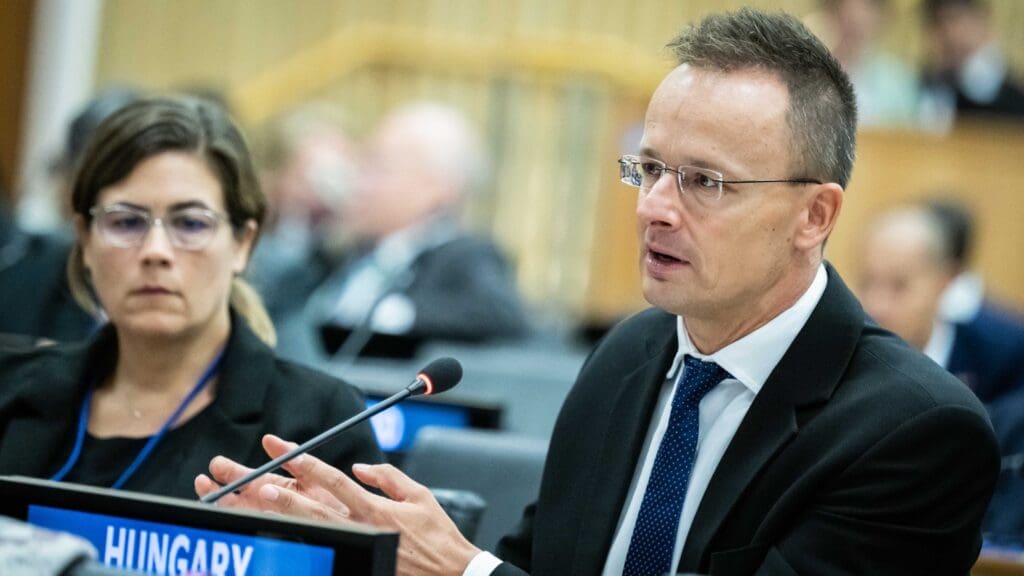
The Hungarian foreign minister emphasized that despite all efforts, global terrorism remains more severe than ever, claiming 6,700 lives last year due to various attacks. He opined that one of the reasons for that is that terrorism and illegal migration create a kind of ‘vicious circle’.
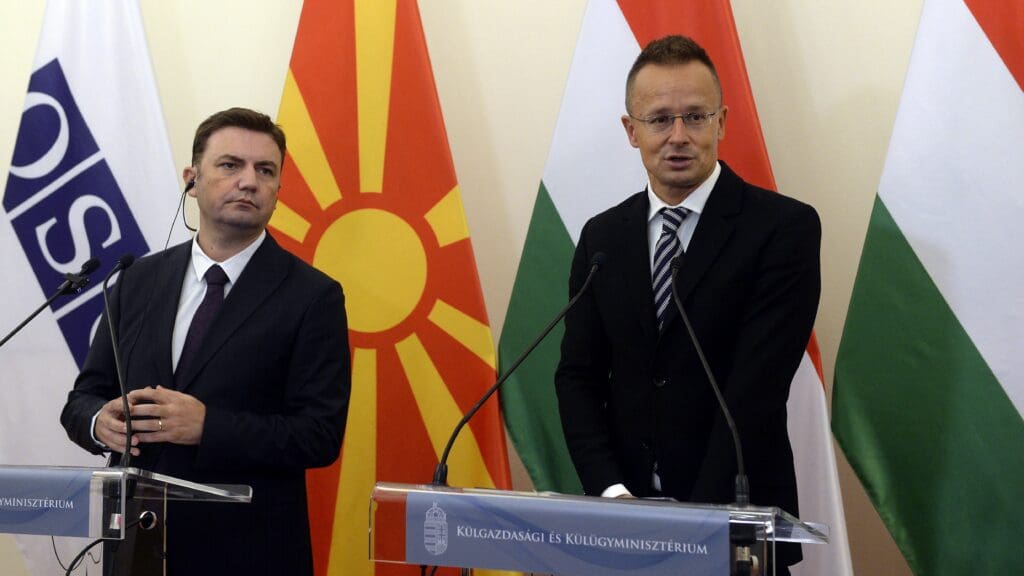
Szijjártó urged the start of genuine European Union accession negotiations for Albania and North Macedonia. He emphasized that Europe is facing extraordinary economic and security challenges, making the stability and peace of the Western Balkans more crucial than ever.
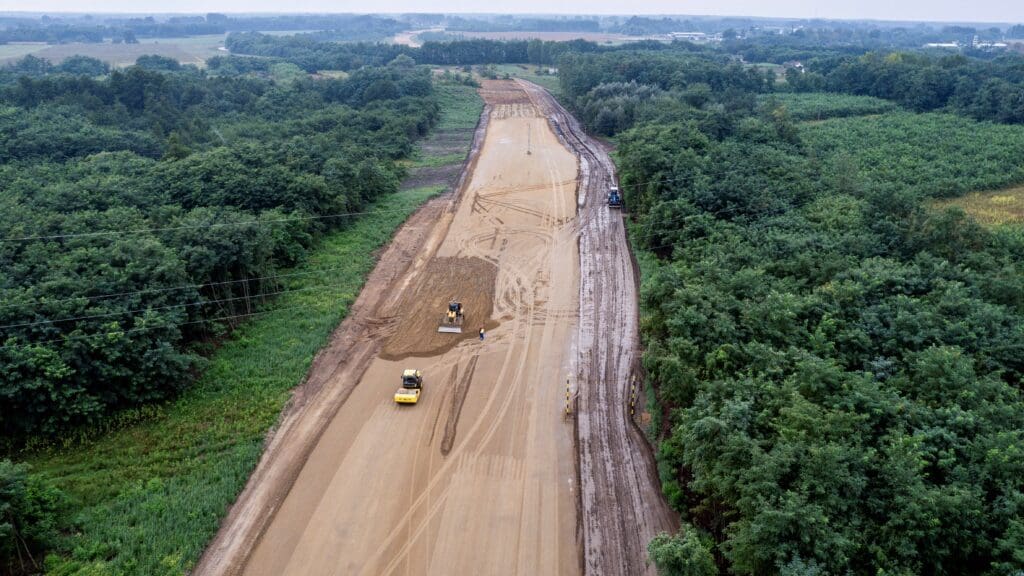
Minister of Construction and Transport János Lázár announced near Nyírmeggyes in Szabolcs–Szatmár–Bereg County that the construction of the first, 28-kilometre-long segment of the expressway being built in two phases between the M3 motorway and the Hungarian–Romanian border has begun, with an investment of approximately 175 billion forints by Duna Aszfalt.
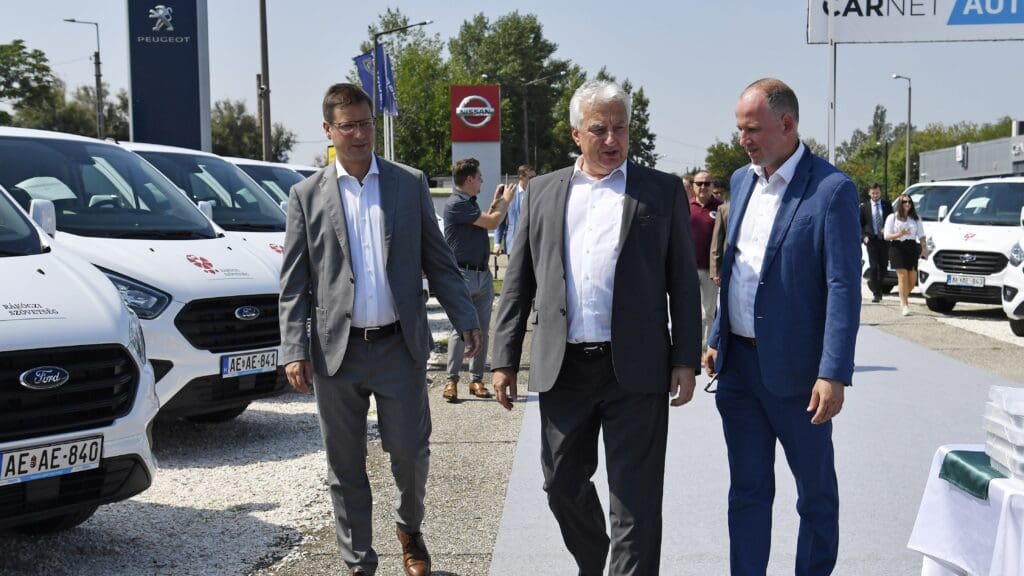
From September onwards, the Rákóczi Association will operate 58 school buses in Transylvania, helping more than 720 ethnic Hungarian children reach school in 48 settlements. The operation of the buses will cost 231 million forints per academic year, which will be covered by the Hungarian state, thus school attendance will impose no financial burden on the families or schools.
According to State Secretary Bence Rétvári, this year, 18,845 people applied for teacher training, of which 10,514 were admitted, of whom 9,674 will study on a government scholarship. The number of admitted students has not been this high in the past six years, he stressed.
The Budapest embassy stated that the United States government made significant efforts over the years to avoid this modification and resolve the longstanding security risk resulting from the Hungarian simplified naturalisation process. However, the Hungarian government decided not to address the concerns raised and did not take the necessary steps to fully comply with the VWP requirements.

At a time when public debate is increasingly polarized and superficial, Hungarian Conservative remains committed to depth and independent thought.
Donate Now
Please consider supporting our mission.