


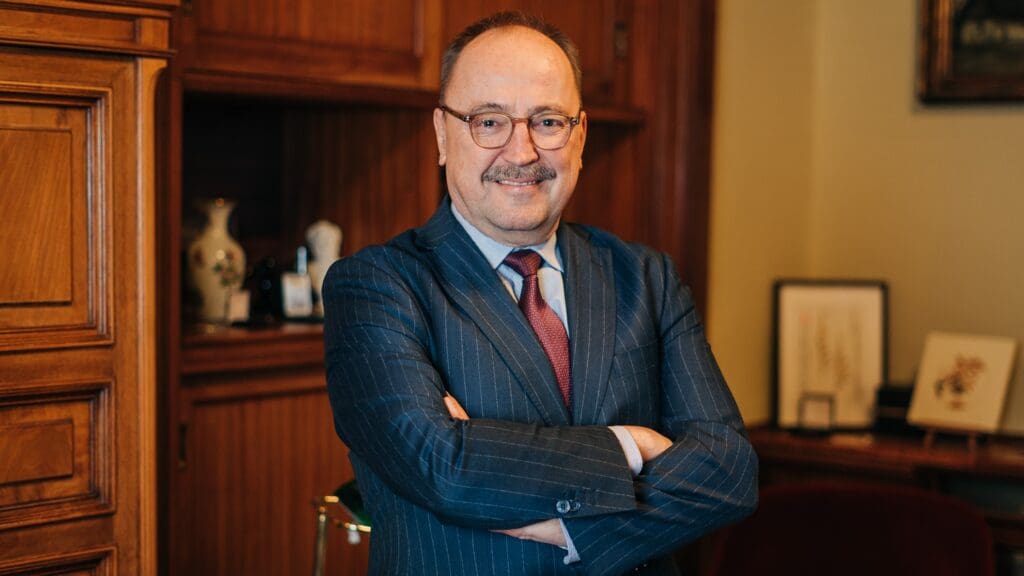


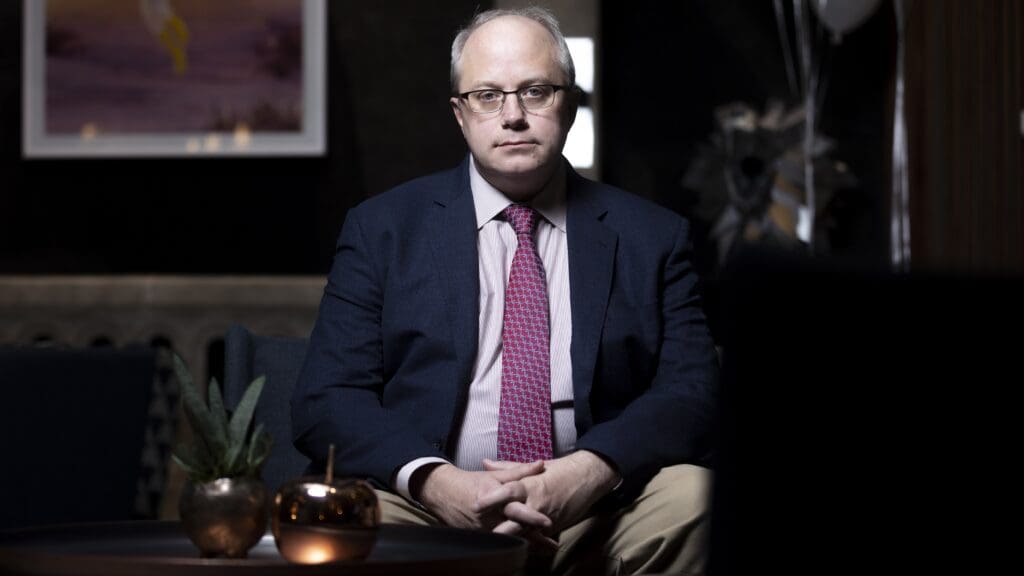

Hungary’s commitments under the new rule of law framework should serve as a model for the whole EU, states State Secretary János Bóka. An interview about the so-called rule of law debate, the growing political pressure of the European Parliament and the Hungarian Child Protection Act.
There has been no doubt from the first moment that Hungary is committed to Ukraine’s territorial integrity and sovereignty, argues Zsolt Németh, Chairman of the Foreign Affairs Committee of the Hungarian Parliament in an interview about the decades of Hungarian NATO membership, the Hungarian peace diplomacy and the prospects of the Finland & Sweden Accession.
The payment of EU funds allocated to Hungary in the 2021–2027 budget cycle was suspended in December 2022. The suspension, however, does not mean a loss of resources. In other words, the path is clear for Hungary: defying the political headwind, it can set a model for the EU as a whole, as to how its financial interests can be protected by means of the rule of law.
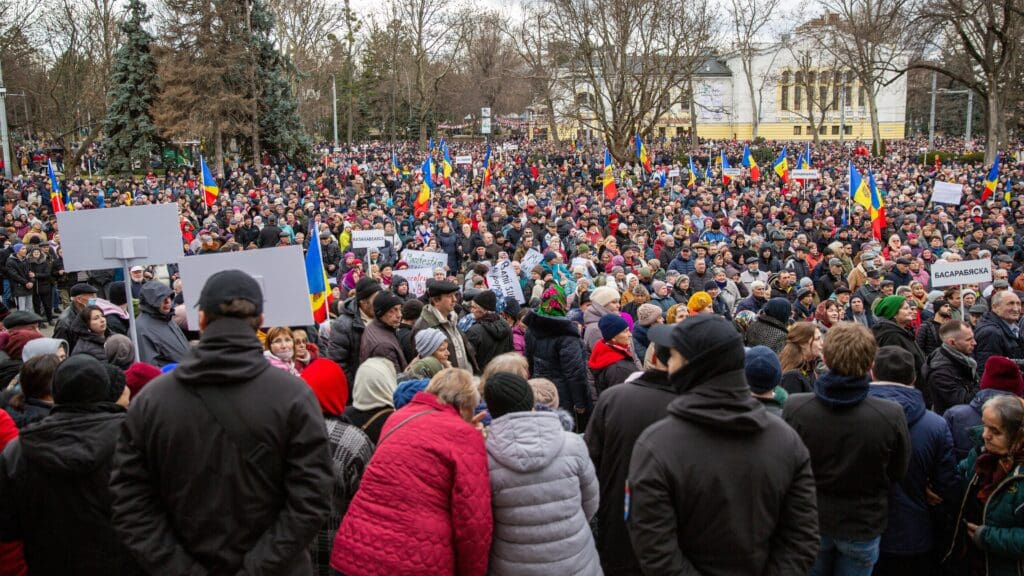
Trans-Dniester in Moldova is considered to be Russia’s next target for invasion by the intelligence communities of multiple countries. Meanwhile, there has been social unrest is the capital city of Chisinau, also suspected to be connected to the Kremlin.
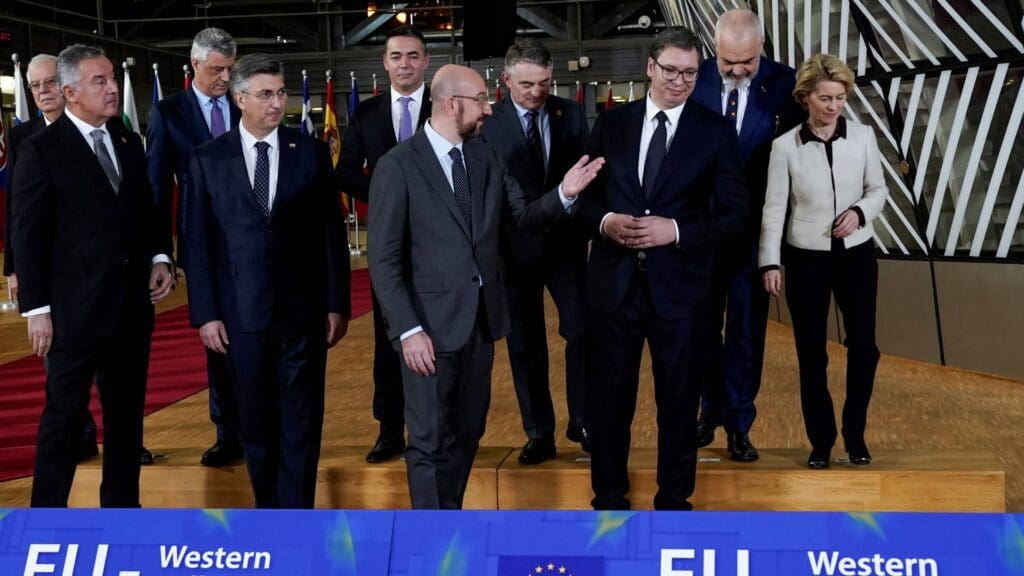
The latest developments in the dialogue between Pristina and Belgrade indicate that Belgrade may even recognise Kosovo’s statehood in order for Kosovo and Serbia to find peace alongside each other as EU member states.
‘Over the past decades, the number of fences at the EU borders has risen from 0 to 19.’
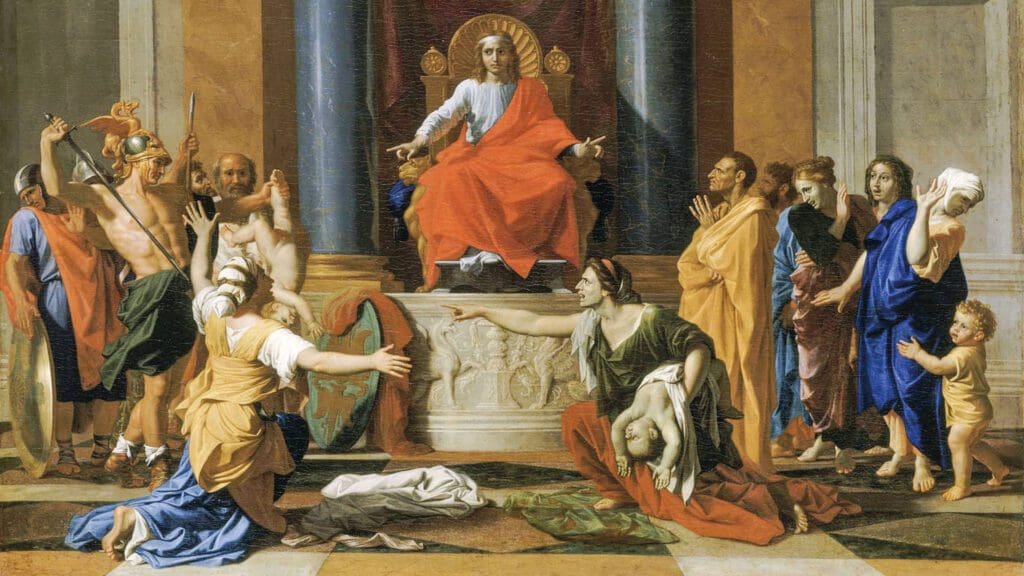
‘The European Commission is getting more political than its predecessors. In my view, this is unfortunate, given that this body is meant to be independent—the “Guardian of the Treaties”.’
‘A major theme of the classical law is that the law should be stable over time and protect traditional expectations about how human life is arranged and how society is conducted. Liberalism by contrast is a doctrine of perpetual disruption and instability, constantly trying to find new frontiers by which traditional societies, and traditional morality can be disrupted.’
The Maastricht Treaty is undoubtedly one of the most important achievements of European integration. Precisely for this reason it is painful that the principle of subsidiarity, as one of the most important aspects of the instrument, is one of the least respected of all EU values.
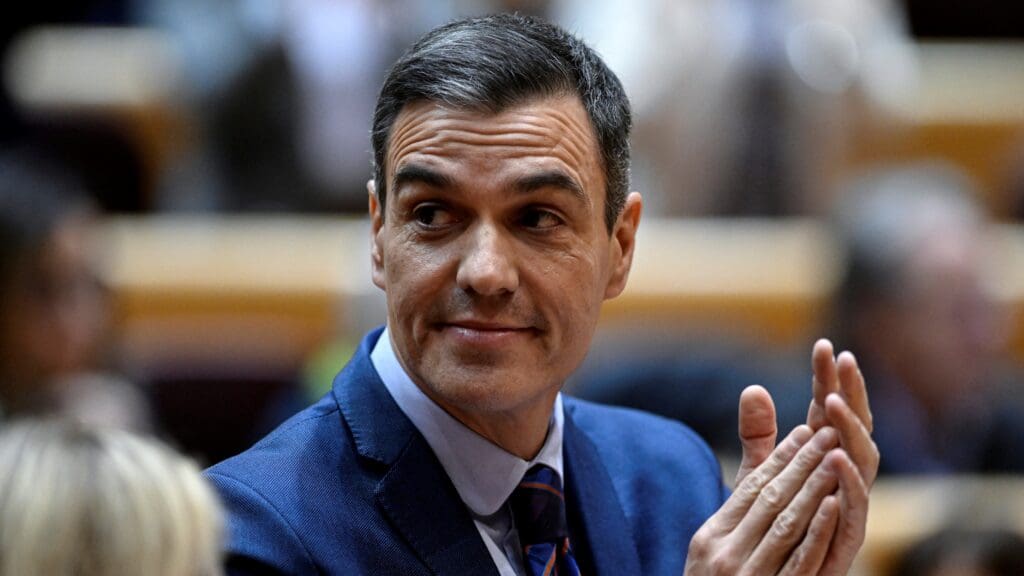
While Europe was busy disciplining Hungary and Poland, the far-left Socialist government of Spain, preparing for re-election, surreptitiously smuggled its politicians into the Constitutional Court.

At a time when public debate is increasingly polarized and superficial, Hungarian Conservative remains committed to depth and independent thought.
Donate Now
Please consider supporting our mission.