




‘For István Käfer, one of the elements that has historically united both Slovakia and Hungary is, surprisingly, the language. Bálint Balassi, for instance, a crucial figure in Hungarian renaissance poetry, wrote his works in Hungarian, but he knew Slovak very well, which greatly influenced his thinking and language use. Cardinal Péter Pázmány also had a significant influence on the development of the Slovak language, by not only allowing, but encouraging its use in Catholic prayers.’
Albeit on Monday the public was informed that only Tibor Kapu and Gyula Cserényi have been selected as the astronauts for the programme, the other two candidates who had been included in the final round of selection, clinical orthopaedic surgeon Ádám Schlégl and aerospace design engineer András Szakály, will nonetheless assist with the work of the HUNOR mission in leading positions on the staff of the mission’s ground-based control centre. As for Kapu and Cserényi, they will soon be sent to the United States, where they will undergo the final phase of their training, supervised and assisted by the US space agency NASA and the private company Axiom Space, Hungary’s international space exploration partners.
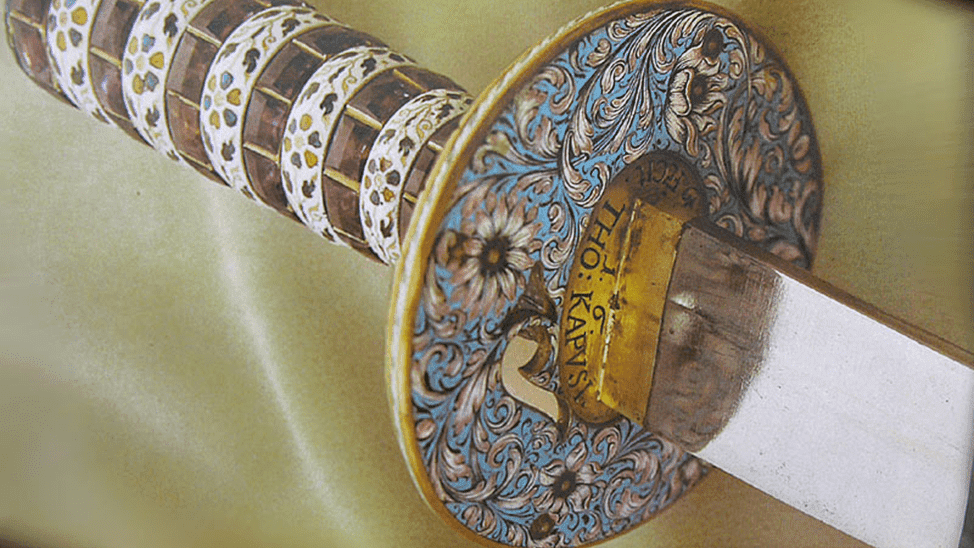
While except for a few known pieces of the puzzle the story of the sword and its origins remain obscure, the Transylvanian Samurai sword of Thomas Kapustran is certainly a manifestation of the complexity and richness of Hungarian history. Despite being torn apart by two empires and enduring a century of wars, Transylvania still held a remarkable position in the world. So significant was its influence, grandeur, and civilizational level that it could procure luxury goods from distant and isolated lands like Japan.
After the beginning of the conflict in Ukraine, all large Russian opposition media outlets were forced to leave the country. Notwithstanding their dire situation, some of them could nonetheless retain a significant chunk of their former readership, which equals millions. Regrettably, judging by how they portray Hungary, responsible journalism is not their strength.
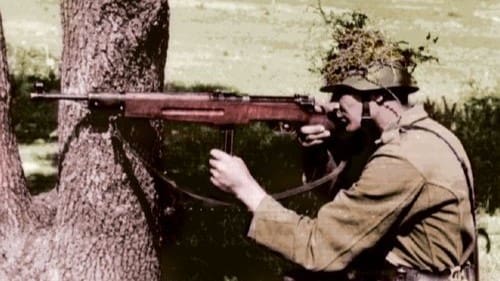
Hungary is a hospitable land with exceptionally friendly people, a country known for welcoming millions of tourists annually. That kindness, however, shall not be mistaken for weakness, as over the course of history, Hungary has proved it is a birthplace of warriors, valiancy, and engineering ingenuity that brought about effective military technologies.
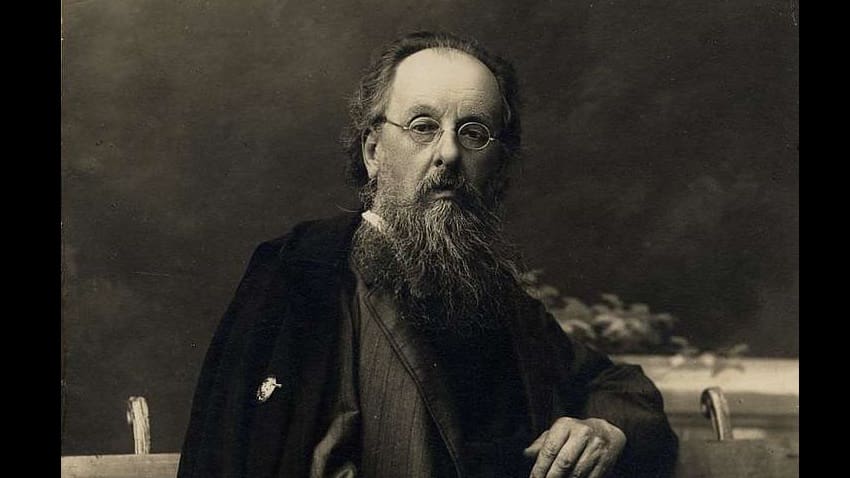
‘What is less known is that Tsiolkovsky essentially wrote his groundbreaking contributions to rocket theory as supplementary notes to his philosophy of space exploration, which was the primary focus of his attention and consumed most of his efforts. What is even less acknowledged is that the philosophical foundations of his framework had an inalienable influence of Christianity that played an important role in shaping his perspective, a fact which Tsiolkovsky himself recognized.’
Around 3100 BC, the Yamnaya people began to move westwards, migrating from their homeland in modern-day southern Ukraine and Russia. As they reached the Carpathian Basin and the Danube valley, they began transforming the landscape of their newly acquired home, erecting kurgans, that is, burial mounds, for the deceased of higher status. Many of these ancient mounds are still visible in Hungary.

A couple of years ago, the famous meme ‘Hide the Pain Harold’ used to be among the most widespread on the internet, and even today it still enjoys a decent degree of popularity. This brought the man depicted in the memes, Hungarian-born András István Arató, plenty of publicity, in fact, so much so that the electrical engineer from Kőszeg didn’t know how to handle it at first. Let’s uncover the story behind his unexpected success!
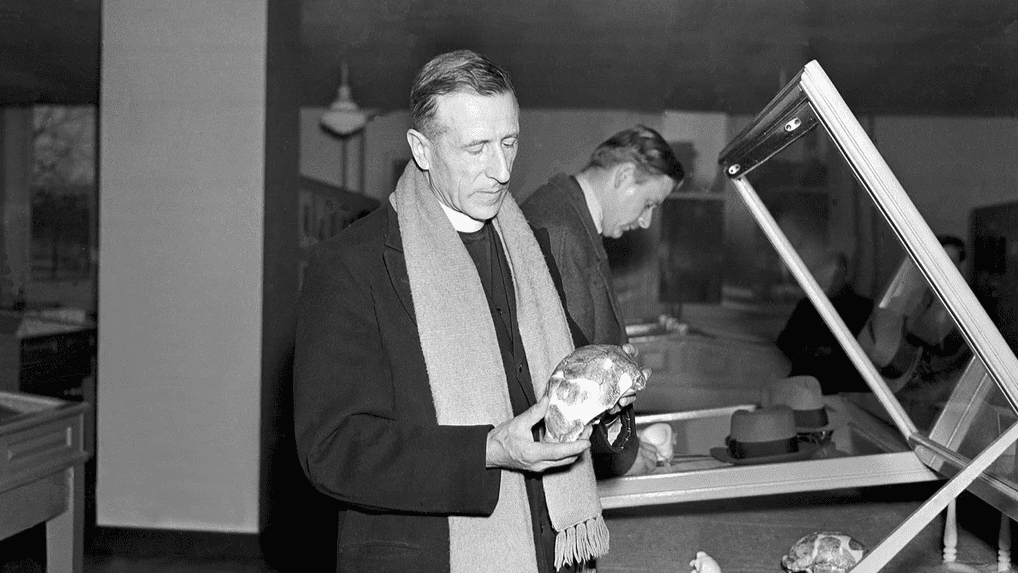
Pierre Teilhard de Chardin is without a doubt one of the most prominent theologians of the 20th century, whose intellectual contributions to both science and religion gained recognition and respect from both the clergy and the scientific community. His oeuvre demonstrates that faith and scientific inquiry are in fact not at odds with each other.
Albeit Hungary does not traditionally celebrate Halloween in its North American sense, the connection between the Hungarian commemoration of the dead and Halloween is stronger than one might think.

At a time when public debate is increasingly polarized and superficial, Hungarian Conservative remains committed to depth and independent thought.
Donate Now
Please consider supporting our mission.