

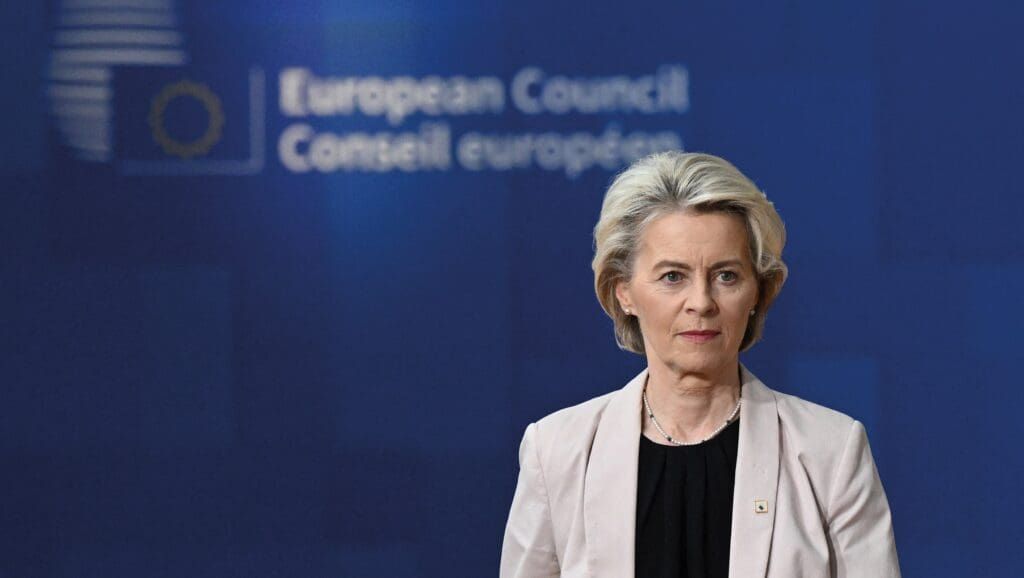



‘The history of European integration is in fact nothing more than the history of the power struggle of the EU institutions. The powers of the institutions at the core of the current EU have been in a constant state of flux since the beginning of the European project…’
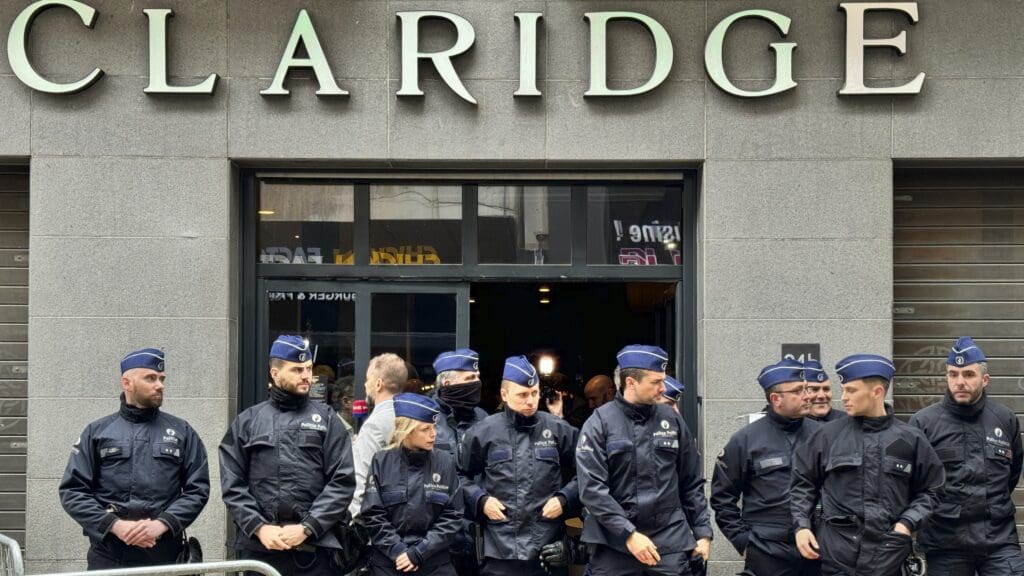
‘The lessons of human history suggest that the future is rarely bright and happy where the state is unable, or worse, unwilling, to contain the hypersensitivity of certain political camps. The precedent of the terrible terrorist attacks in Brussels or the common immigrant riots show that Belgium has already lost the battle against the hypersensitivity of radical Islam. It does not seem to want to take a firmer stand against the left either.’
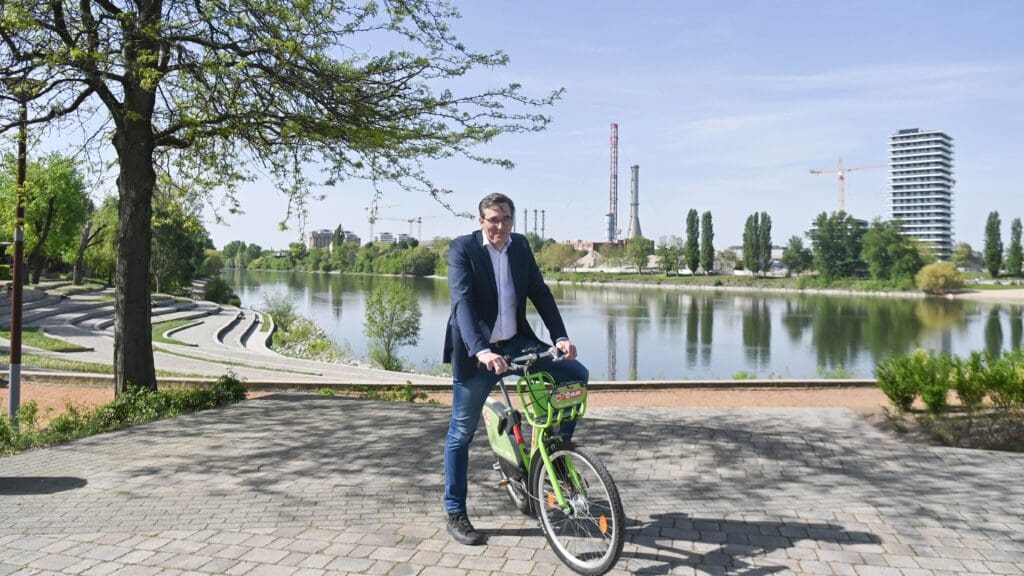
Whether Budapest will remain a stronghold of the left is at stake in the municipal elections to be held on 9 June 2024. Mayor of Budapest is practically the highest political office directly elected by citizens in Hungary, but the outcome of the June election is exciting not only because of that but also because the capital has been the scene of daily party political battles ever since the last election in 2019.
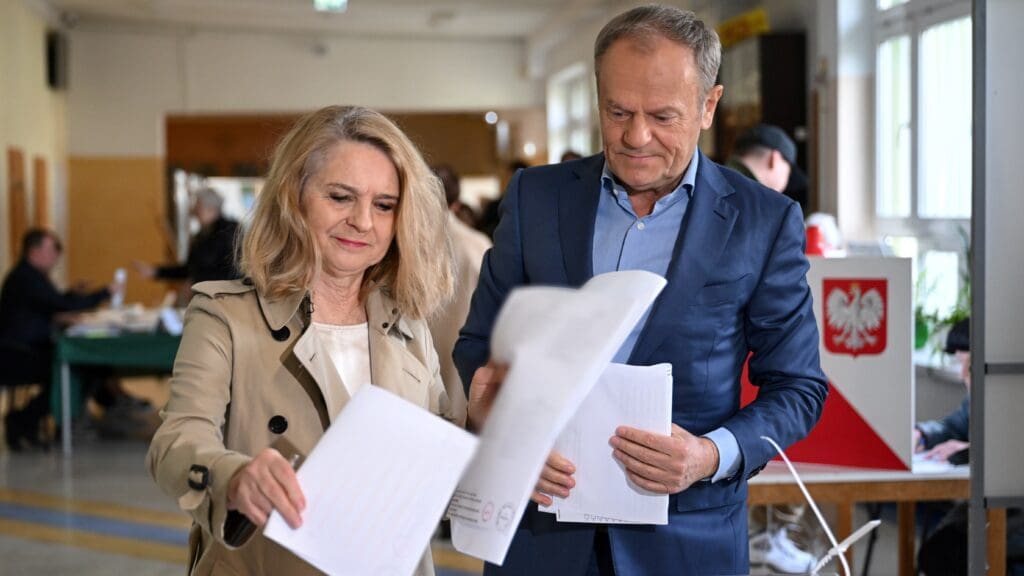
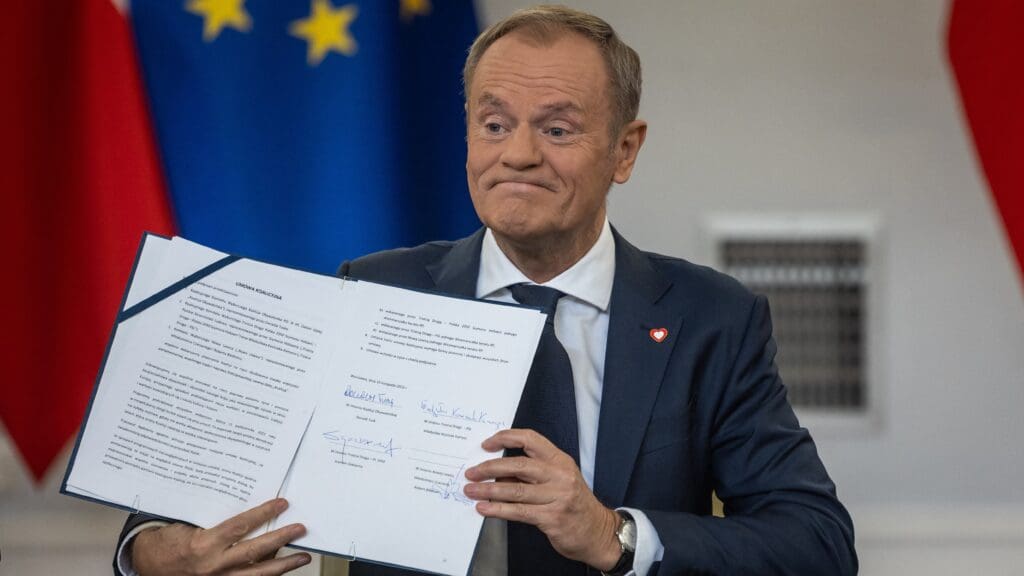
‘The unfreezing of funds is a turning point in the EU–Poland relationship—one that had become very strained in recent years—and of course a major political success for the new cabinet. But that is not the only reason why the Commission decision is so instructive: the damage to the rule of law in Poland, which was so widely reported on in the European press in recent years, appears to have been reversed in less than two months, to the extent that the European Commission was willing to waive the withholding of EU funds, which is undoubtedly a very effective tool for blackmailing reluctant member states.’
In several countries of the European Union, the concept of referendums linked to the enlargement of the Union is well known. In 2016, the Netherlands held a referendum on the adoption of the association agreement between Ukraine and the European Union. The majority of voters rejected the agreement, but as it was only an advisory referendum, so the result did not ultimately bind the Dutch government. France’s constitution requires a referendum to be held before any future EU enlargement. I see no reason why Hungary should not be the next country to have such a plebiscite.
The statement denouncing the law on the protection of national sovereignty alleges that it potentially restricts press freedom, by threatening the operation of and intimidating the ‘independent’ media.
The German constitutional court has recently declared it unconstitutional that the Berlin government had re-channelled some 60 billion euros of the fund created to tackle the coronavirus crisis into the climate protection fund. The ruling, having reinforced the strictures on further borrowing, will definitely have an impact on the not-yet-adopted 2024 budget.
The new Polish government is quite likely to not be able to deliver on many of its crucial election promises, which may create legitimacy problems. And this is far from being the only difficulty: if the new government is unable to change the laws that led the EU to launch the Article 7 and the so-called rule of law proceedings against Poland, there may be serious economic consequences for the country.
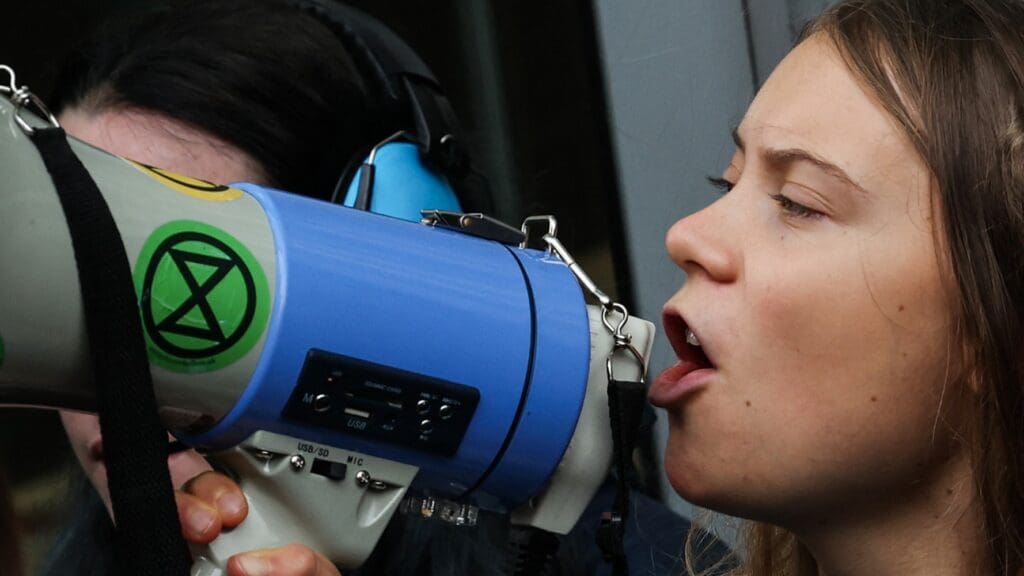
Greta Thunberg has voiced the opinion that the Western media ‘brainwashes’ people about Israel, and recently wore a Palestinian scarf to a climate protest in Amsterdam. As a result, Fridays for Future Germany has repeatedly distanced itself from their Swedish comrade, saying that they do not compromise on antisemitism and that protecting Jewish lives is important to them. ‘She does not represent Fridays for Future Deutschland’, they tweeted.
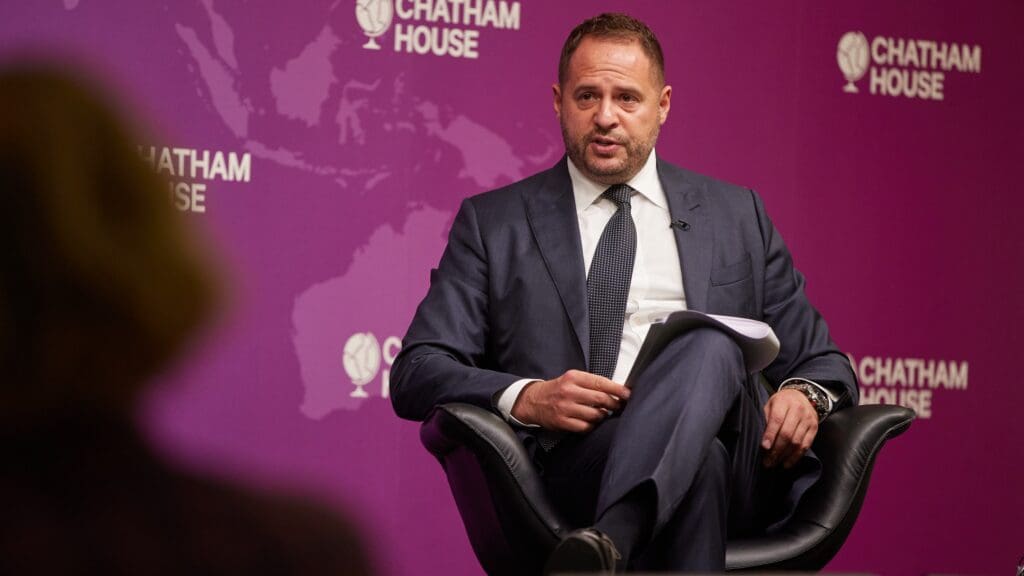
In a recent interview with POLITICO, Zelensky’s chief of staff Andrii Yermak stated that it is unacceptable that some of Europe’s leaders and citizens are fatigued by the conflict in Ukraine. It is no coincidence that war fatigue was mentioned, as Russian prank callers recently extracted a statement to that effect from Italian Prime Minister Giorgia Meloni.

At a time when public debate is increasingly polarized and superficial, Hungarian Conservative remains committed to depth and independent thought.
Donate Now
Please consider supporting our mission.