






What is also crucial to the strategy proposed by Balázs Orbán is the preservation of interconnectivity within the West. Strengthening the cornerstones of Western civilisation, rooted in Judeo-Christian values, is paramount, the political director underscores in his piece, adding that sovereignty, religion, and family must be defended from destructive attempts to ‘undermine our shared values and identity.’
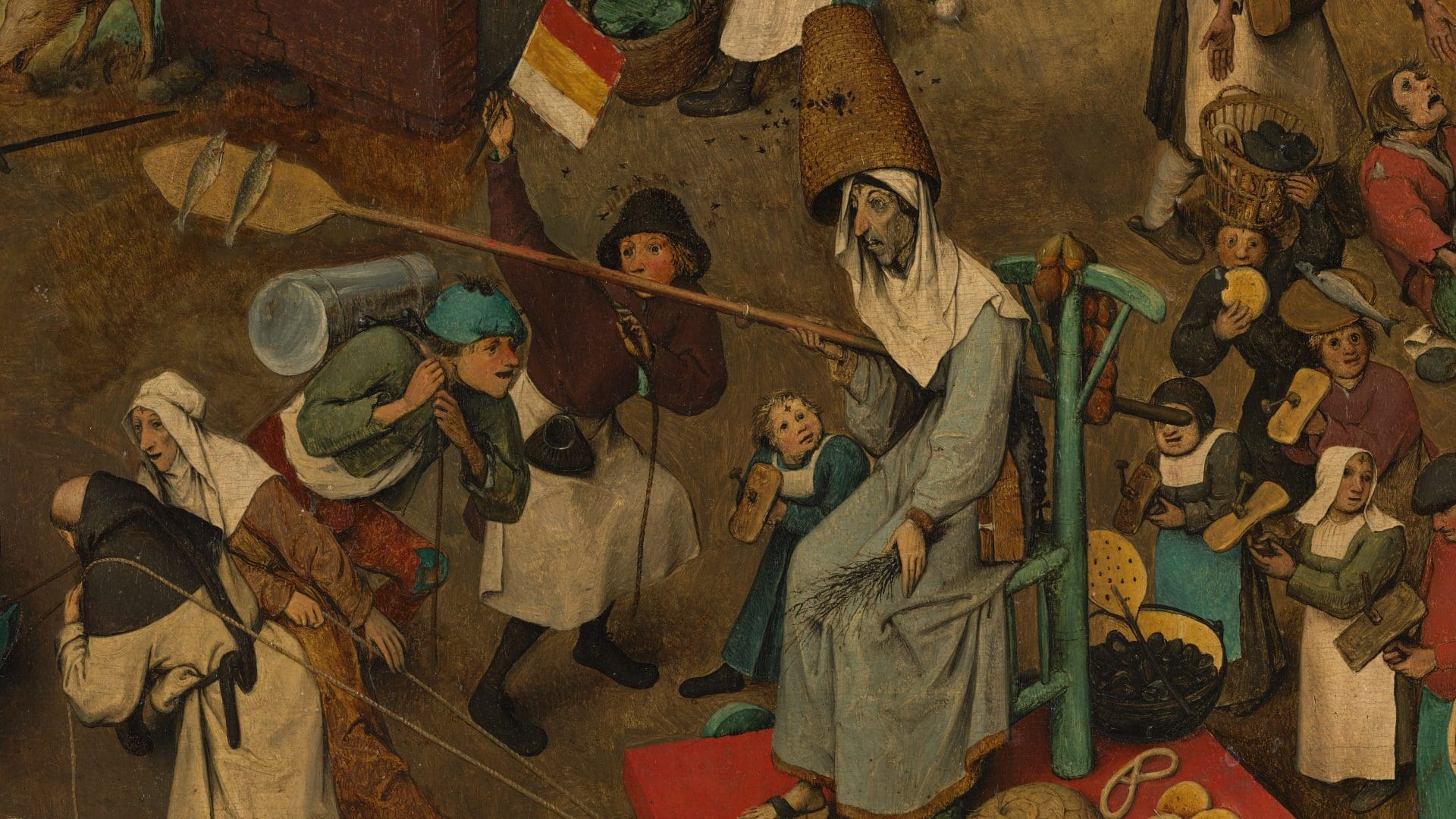
According to Hungarian folk belief, those who receive the ashes on Ash Wednesday will be free from headaches for quite a while. In the olden days, there was even a Hungarian folk tradition according to which people returning home from church rubbed their foreheads with those who stayed at home, to help them avoid headaches.
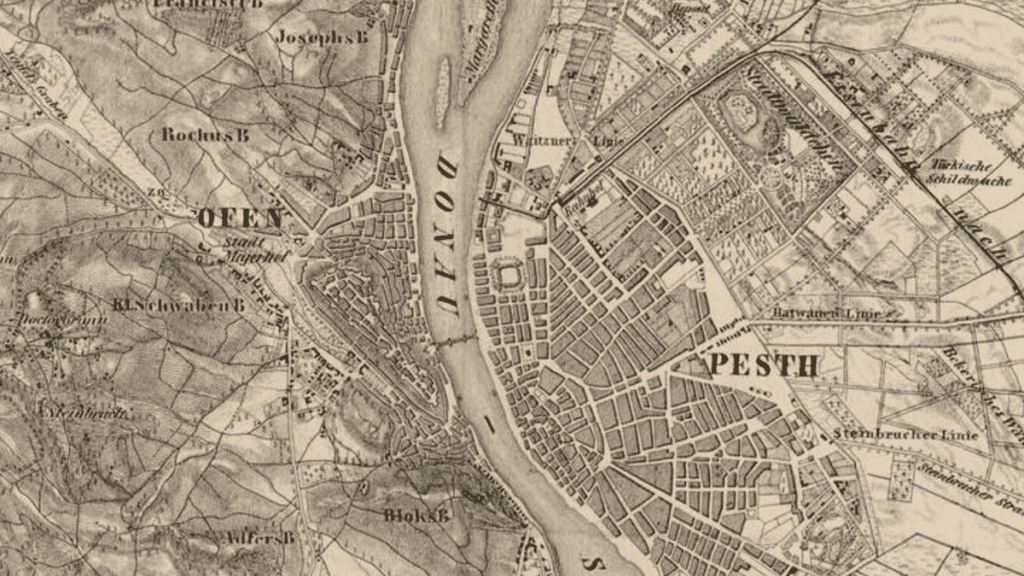
The story of the individual districts is a brief summary of the past centuries not only from the point of view of their names: if we look at them on the map, we can immediately see that the history of their establishment and development is also the history of the expansion of Budapest.
German journalist Mariam Lau finds it very difficult to deal with the fact that talented young people, open to modernity, are interested in Orbán’s policies. It is certainly not easy for a German journalist to acknowledge that there are young people who identify openly and firmly as conservative and patriotic. Frank Spengler reflects. Review.
The real danger is not posed by those who would like to embellish public opinion of themselves with bribes, but the external and internal powers that can easily dictate to EU policymakers.
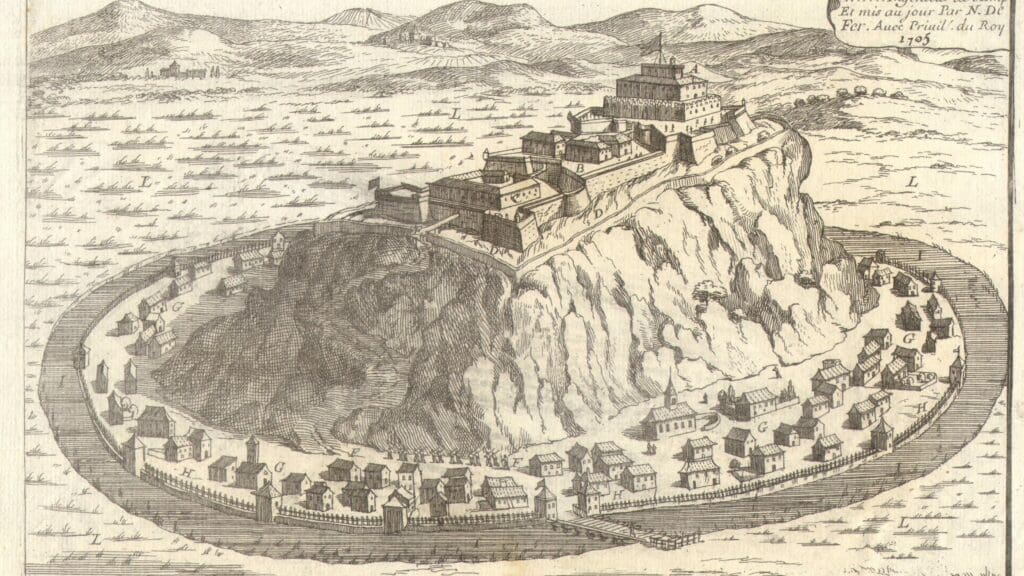
The size of the Ukrainian trident compares to the magnitude of the massive Mukachevo castle the same way decades of Ukrainian rule compare to the one-thousand-year-old Hungarian history in Transcarpathia.
Retirement generates an income loss in all countries. However, Hungarian employees suffer the smallest decline in living standards after retirement in the whole of Europe.
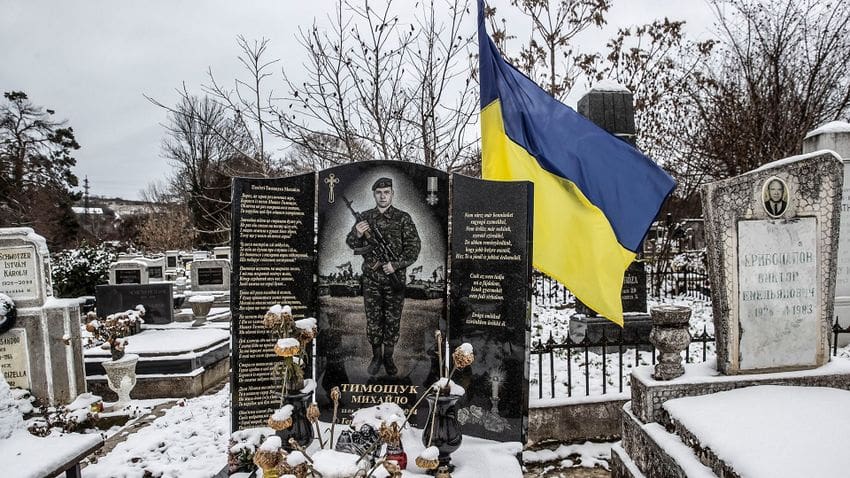
In a January article published in the Transcarpathian paper Magyar Szó, Ungvár (Uzhorod) Consul László Kuti spoke about 12 Hungarian soldiers having fallen—the Hungarian Foreign Ministry provides financial aid to the families of all Hungarian victims of the war. However, estimates have put the number closer to 100 recently.
Constantin Schreiber’s novel is a work of fiction about Germany 30 years from now.
Exactly 200 years ago, on 1 January 1823, Sándor Petőfi, perhaps the most famous Hungarian poet, was born. To this day, he is such a dominant figure in Hungarian literature that his name is almost synonymous with the art of poetry.

At a time when public debate is increasingly polarized and superficial, Hungarian Conservative remains committed to depth and independent thought.
Donate Now
Please consider supporting our mission.