
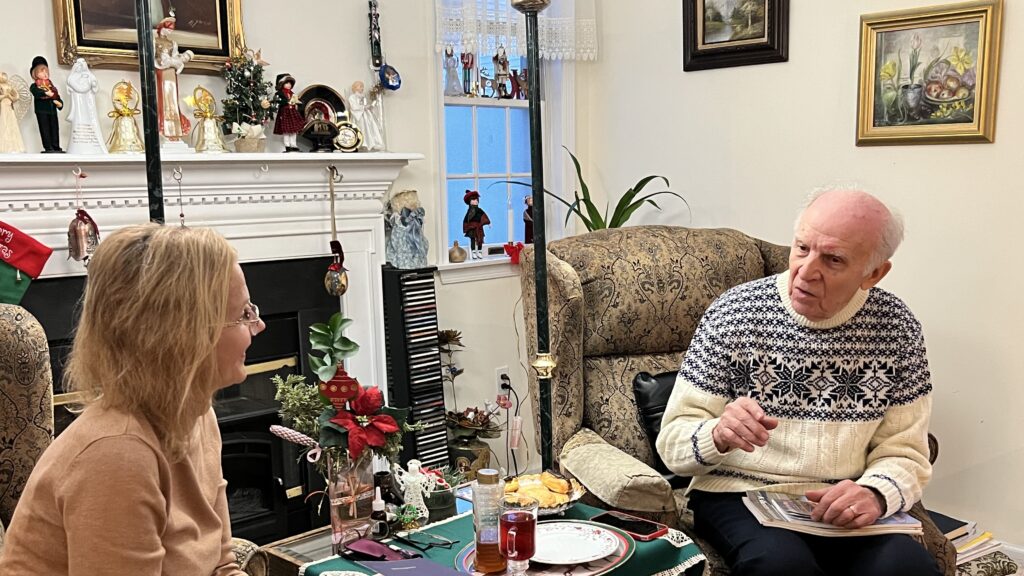
‘My life very often turned out completely differently than I had planned. History intervened several times; for example, World War II, the final phase of which I experienced in Hungary as a child aged 8–9; the communist dictatorship that followed; and then, the 1956 revolution and freedom fight and its suppression that I had to flee from.’
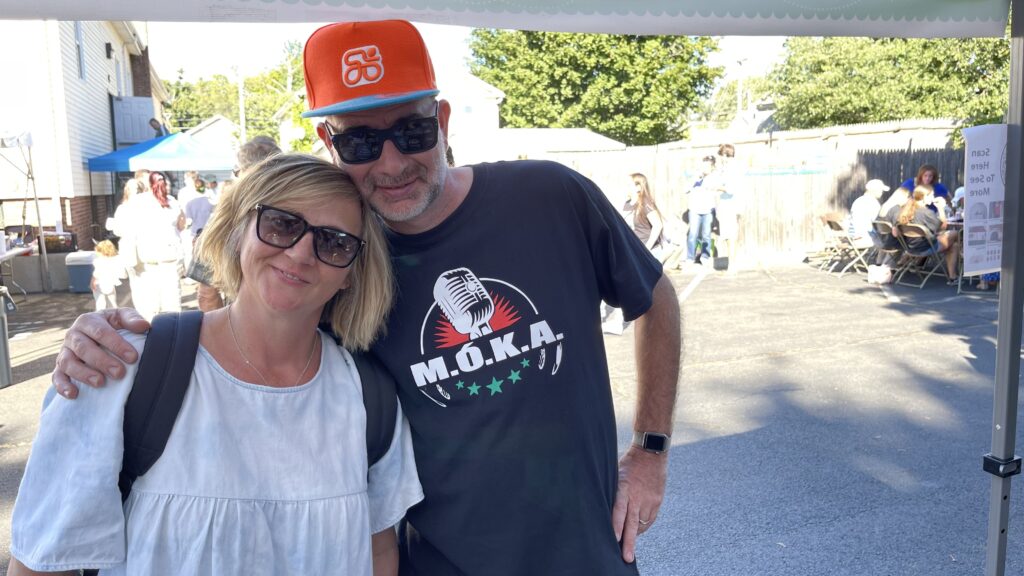
An in-depth interview with Péter Kiss, who came to America as a young adult, and after years of no contact with Hungarian Americans, visited the Garfield Hungarian Club almost by accident. Since then he has organized many events there, and also launched a podcast about the adventures of Hungarians in America.
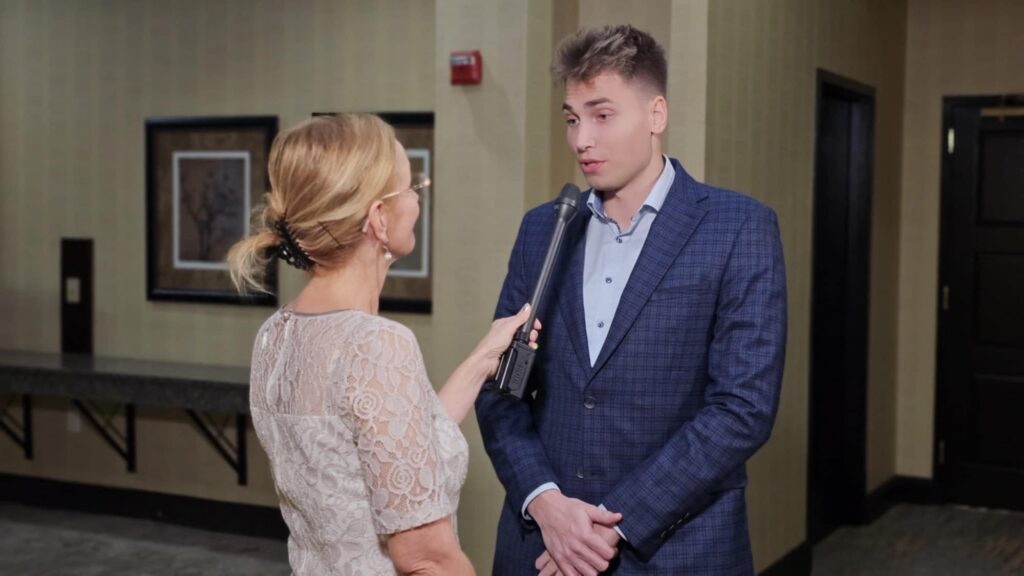
‘Everything I learned in sports has contributed to who I am today. That’s why I believe that when I have children, I’ll encourage them to do sports as well… It’s a blessing because it teaches discipline, focus, self-control, and perseverance.’
‘As I see it, the problem is always the same across the various minority communities here: there are fewer and fewer participants within them…my view is that even if there are only three or four people involved in specific activities, we should continue the organizing work, so that our communities and their associations continue to exist.’
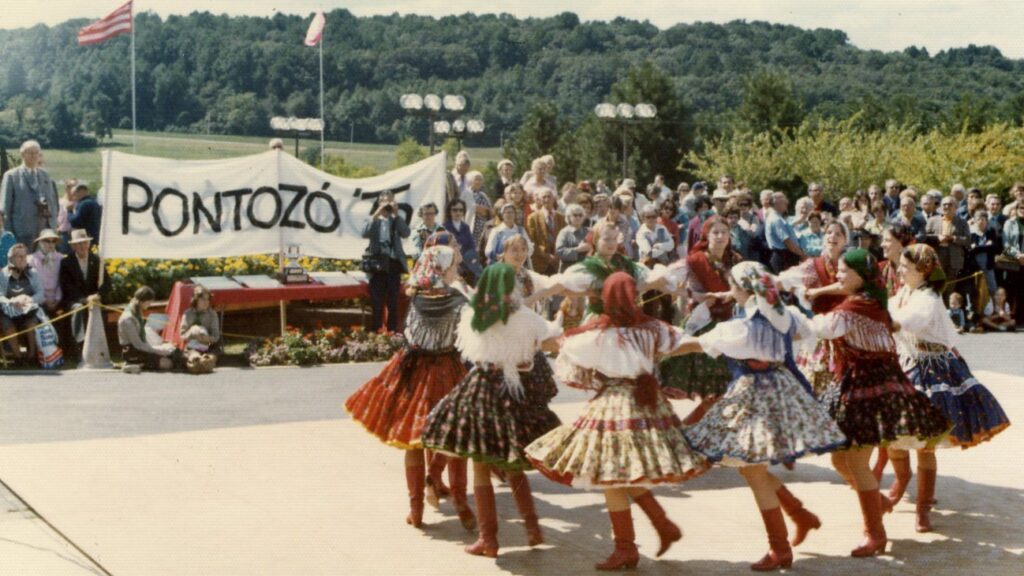
‘The absolute number of those claiming Hungarian descent in the American censuses, approx. 1.5 million, has remained largely unchanged over the past few decades. Even if the communities dwindle, there will always be those who will do their best to be ‘Hungarian’. Because what does it take for someone to remain Hungarian in the diaspora? You need a Hungarian identity…and a culture you are proud of that you don’t throw away and don’t replace,’ says Kálmán Magyar Sr., conceiver of the Pontozó folk-dance festival.
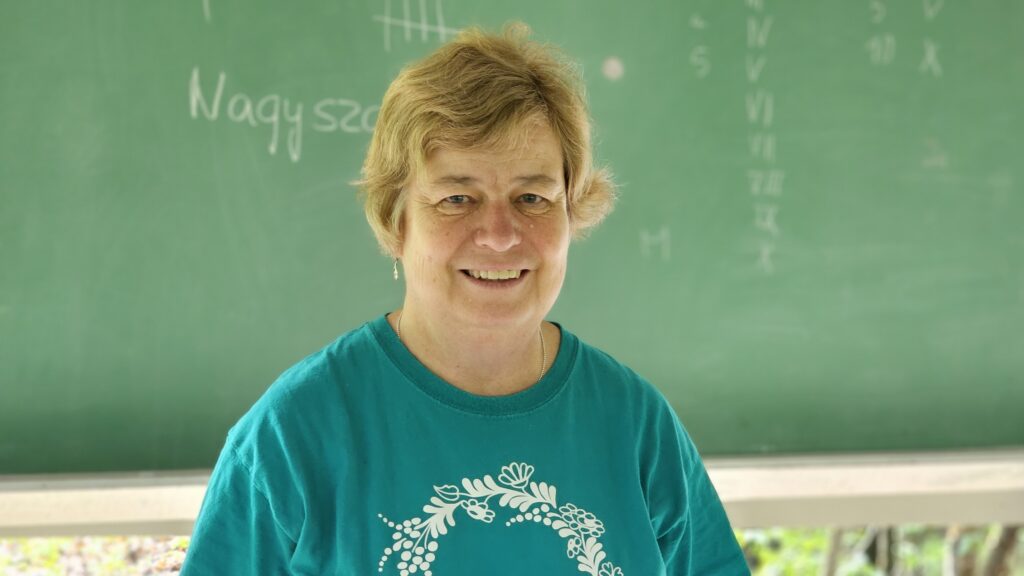
An in-depth interview with Hungarian teacher Kata Tóthné Kollár, principal of the Sándor Kányádi Hungarian School in the San Francisco Bay Area and director of the two-week Hungarian School Camp in Fillmore, New York. She came to the United States almost 30 years ago, and became a teacher at the Hungarian school right after enrolling her two daughters there.
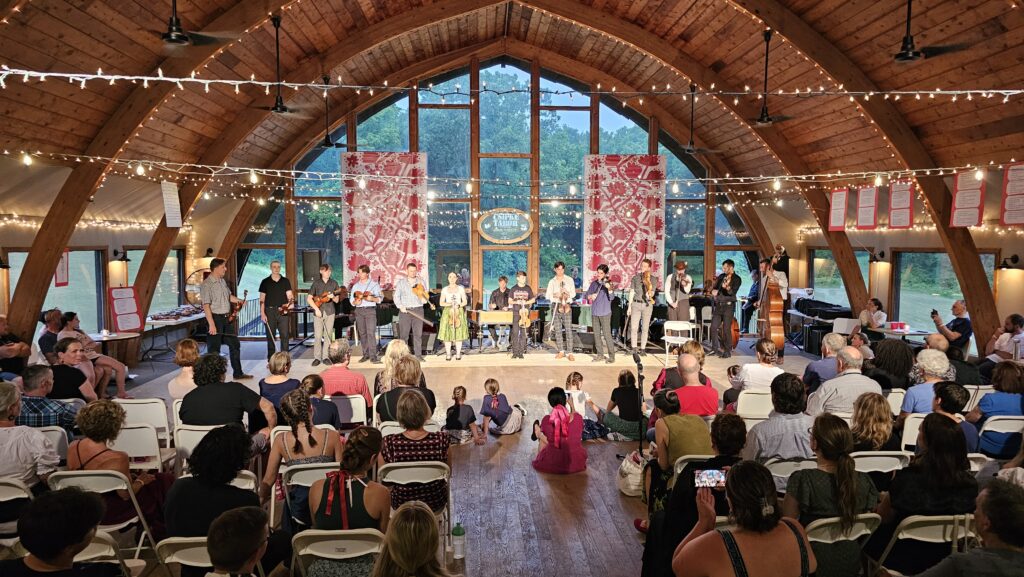
An interview with the artistic director of the Csipke Ensemble about the challenges and beauties of organizing the premier Hungarian dance camp in the United States, as well as about family, Transylvania, folk dancing, and more.
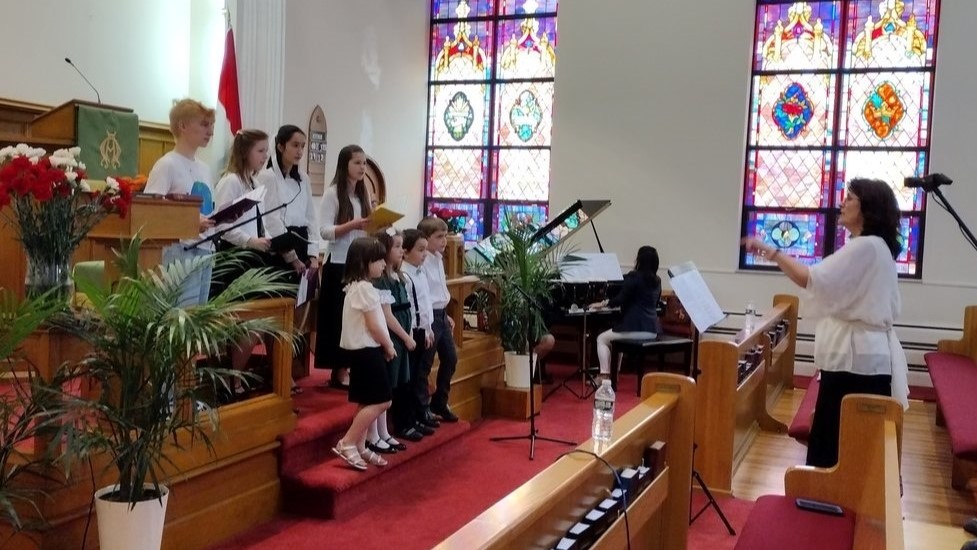
‘The immigrants, such as me, are called Hungarian American, and those who were born here are American Hungarians. Our mentality can differ for many understandable reasons, but we are all bound together by the same mission: our love for God and for each other,’ says Reverend Zsolt Ötvös, who leads the diverse and vibrant Magyar Reformed Church congregation in New Brunswick.
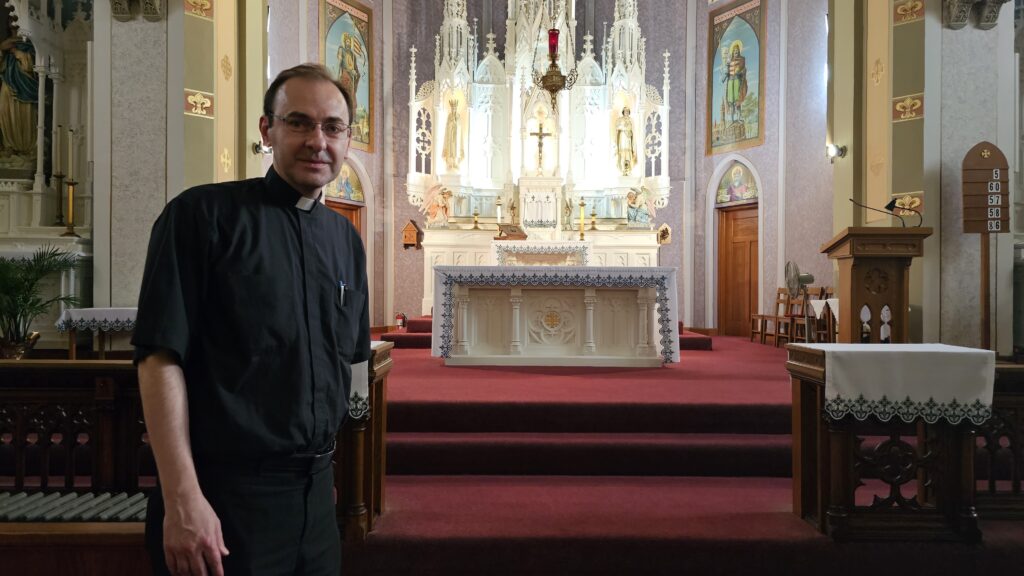
An in-depth interview with Richárd Bóna, who, after finishing seminary in Cleveland and becoming an ordained priest, served in English-speaking parishes for eight years, followed by his assignment in Washington, DC for further studies. In 2020 he finally became the Pastor of St. Emeric and St. Elizabeth Parishes.
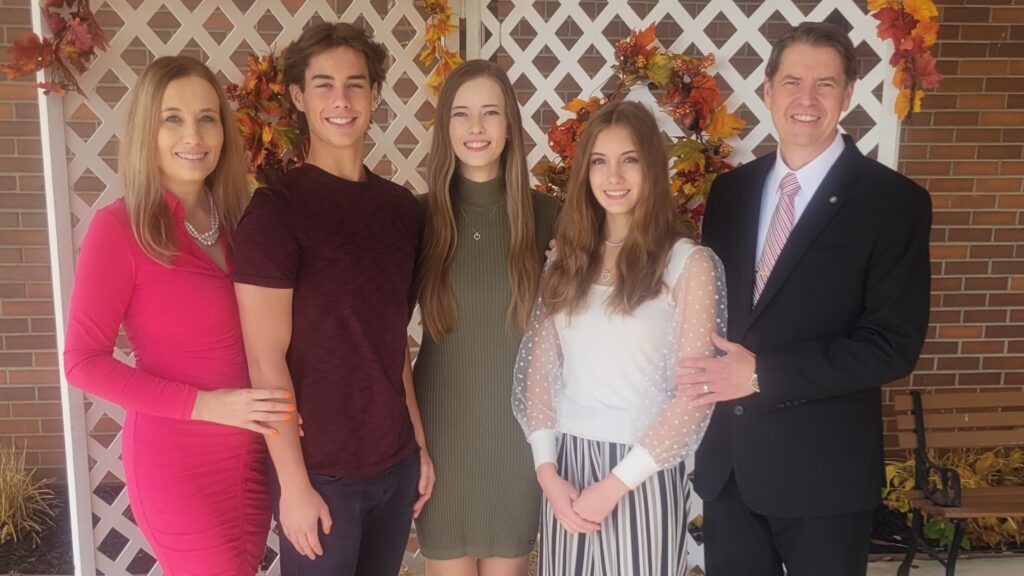
An in-depth interview with Rt. Rev. Dr. Csaba Krasznai, Hungarian Reformed Bishop of the Calvin Synod Conference of the United Church of Christ and Honorary Consul of Hungary; and his wife, Beáta Krasznai, a teacher, psychologist, principal of the church’s Sunday school and the Nebuló Hungarian Language School, who have been living and serving in Cleveland for more than 20 years.
At a time when public debate is increasingly polarized and superficial, Hungarian Conservative remains committed to depth and independent thought.
Donate Now
Please consider supporting our mission.