









In this article we further investigate the persistence of inequalities under state socialism to demonstrate that it is not only impossible to eradicate inequality, but that inequality is a phenomenon far too complex for any single ideology to single-handedly address.
During the 1956 Revolution, as prime minister, Imre Nagy committed the Hungarian regime to introduce a free multiparty system, leave the Warsaw Pact, and work towards the neutrality of the country.
In his self-criticism after the Revolution, one of the leading politicians of state-socialist Hungary admitted that they were interested in only having the ‘right number of women’ in positions of responsibility, instead of genuinely working on women’s equality in representation.
Hirsi Ali establishes a link between immigration and increasing sexual violence against women, and traces back the root of the problem to the cultural differences between Christian Europe and Muslim-majority countries.
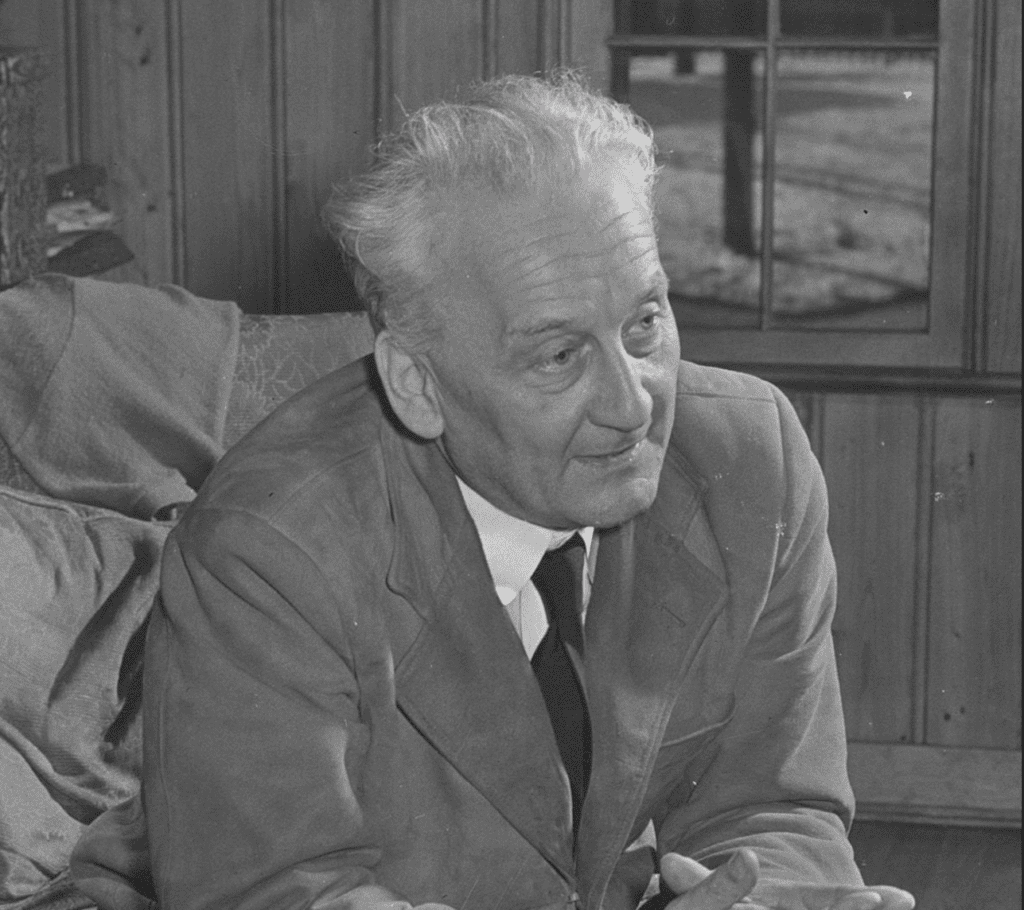
This particular date on which the achievements of Hungarian inventors is celebrated was selected because one of the first Hungarian Noble Prize winners, physician and biochemist Albert Szent-Györgyi, who first isolated vitamin C and discovered the components of the citric acid cycle, announced his invention on this day in 1932.
Some argue that the current push in the USA to extend discussions about sex in schools originates from György Lukács, and it has very malevolent intentions.
One of the greatest achievements of the new Protestant belief was delivering the first complete Hungarian translation of the Holy Script and promoting literacy and the use of Hungarian to the general population.
The conquerors shaped Hungarian cities and architecture: Christian temples were redesigned as mosques, new minarets and spas were built.
The collective Hungarian memory remembers him as a modern day martyr who fought for and believed in the freedom of Hungary until his premature death.
Overall, the German automotive industry employs around 50, 000 people in the country and generates 2.5 per cent of the Hungarian GDP. The production value of the industry rose by 165 per cent between 2010-2019, so the influence and significance of the auto manufacturing industry is on the rise in Hungary.

At a time when public debate is increasingly polarized and superficial, Hungarian Conservative remains committed to depth and independent thought.
Donate Now
Please consider supporting our mission.