

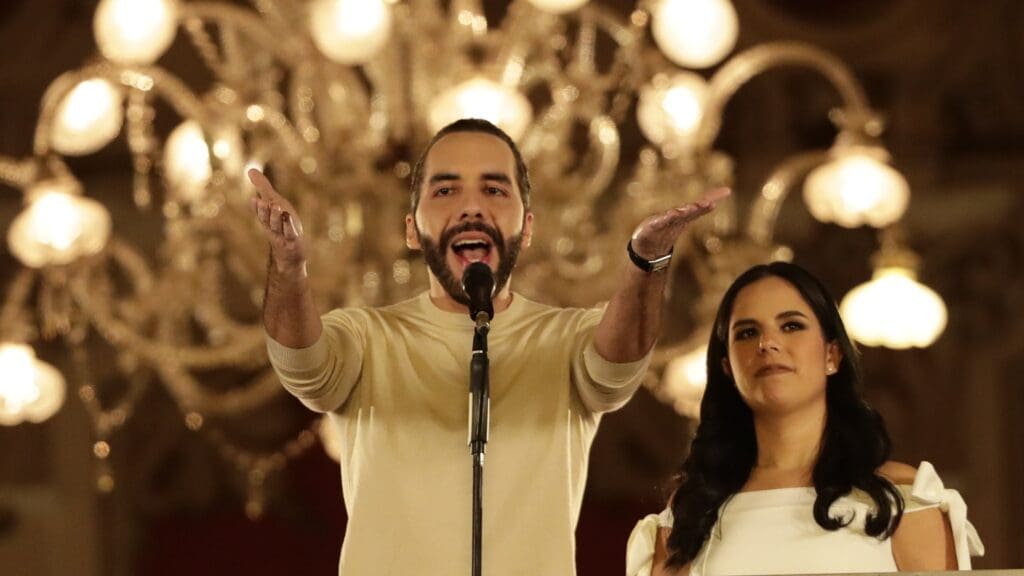
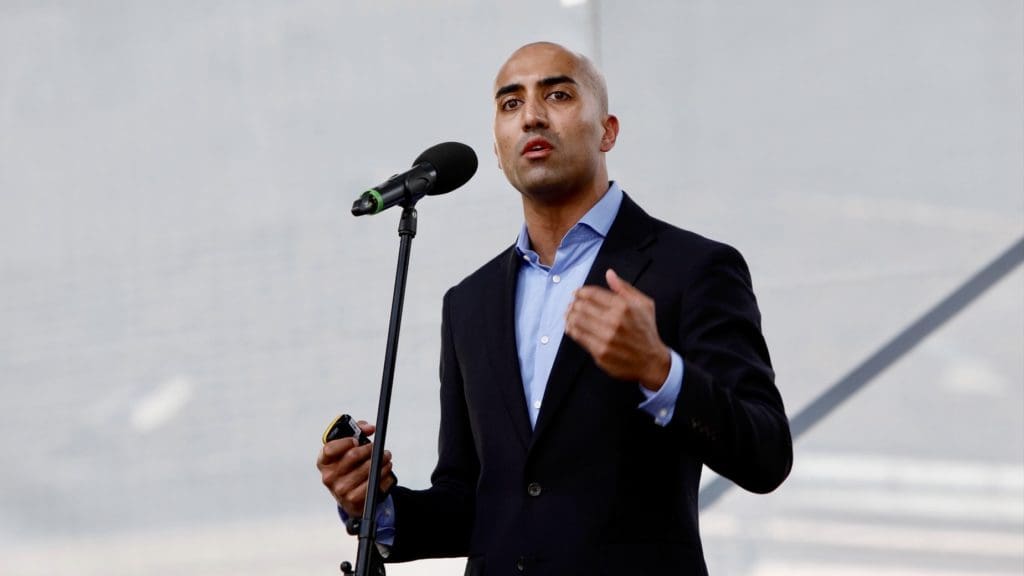
US foreign policy is set ‘to remain volatile and subject to disruption with changes of government and the whims of the political class. For a country like Hungary—arguably lacking the same geopolitical leverage vis-à-vis Washington—the Salvadoran reality might not offer a blueprint, but it does present a lesson’, our contributor Michael O’Shea argues.
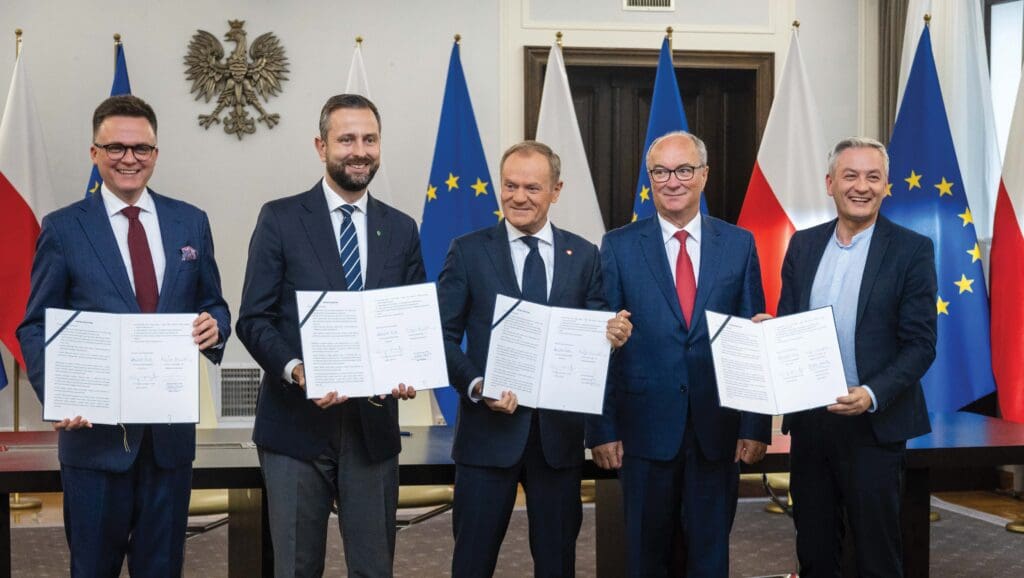
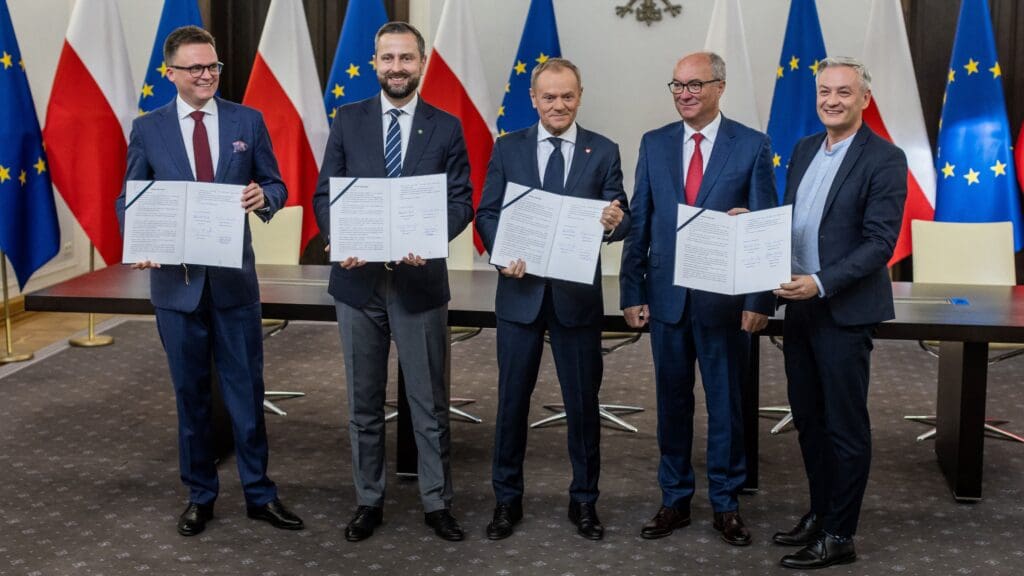
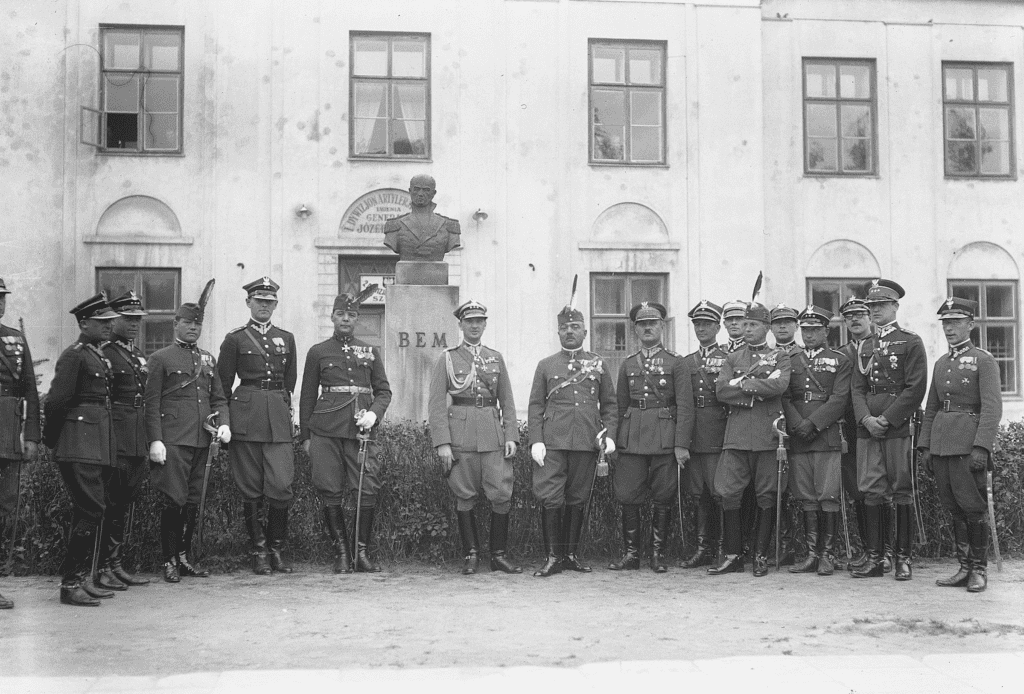
For Hungary, this is an unmitigated disaster. While Robert Fico’s return to power in Slovakia offers some reason for optimism, Hungary’s northern neighbours certainly will not replace the Poles as steadfast, influential allies in Europe.
‘Once the power transition issue subsides, revenge is likely to become a central issue in Polish politics. Among the presumed incoming government’s proposals are journalistic purges and political show-trials, precisely the sort of banana-republic behavior anti-PiS voices have long alleged on the part of the outgoing government.’
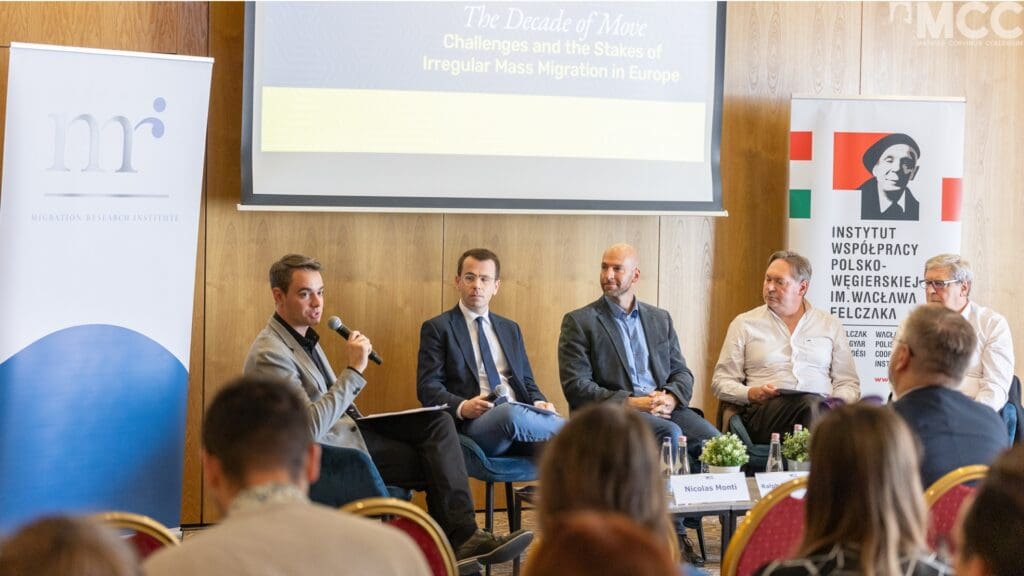
The Mathias Corvinus Collegium, in collaboration with the Migration Research Institute and the Wacław Felczak Institute of Polish-Hungarian Cooperation, held a conference in Budapest, in which renowned experts discussed one of Europe’s most pressing issues of the time: migration.

The editors of The Guardian must have overlooked it, so Hungarian Conservative is now publishing the response of Danube Institute visiting fellow, alumnus of the Budapest Fellowship Program Michael O’Shea to Bence Szechenyi’s now infamous defamatory op-ed.
These Central European brothers find themselves amid the type of calamity inevitable in all bilateral relationships. Yet, history, geography, politics, and economics all ensure they will continue to raise glasses together, as they have for centuries.
Nations are no longer defined by their geography, or past, or history. They can imagine a new destiny for themselves with technology.
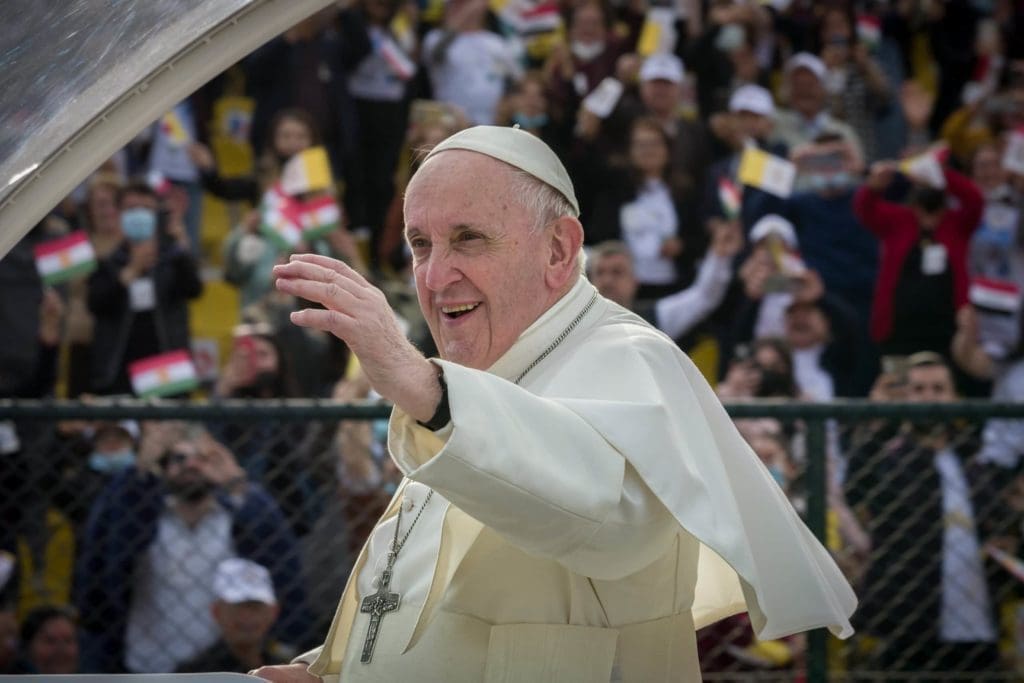
Pope Francis missed this opportunity to embrace a country that has charted a remarkably Catholic course in the heart of secular Europe.

At a time when public debate is increasingly polarized and superficial, Hungarian Conservative remains committed to depth and independent thought.
Donate Now
Please consider supporting our mission.
‘The Best Defence of MCC is the Intellectual Content Created There’ — An Open Letter to the Editorial Board of The Guardian