



‘But the central question is no longer simply what AI can do for civilization. The more unsettling question concerns the kind of civilization that emerges once permanent connectivity, behavioural modelling, and technological mediation become its organizing principles.’
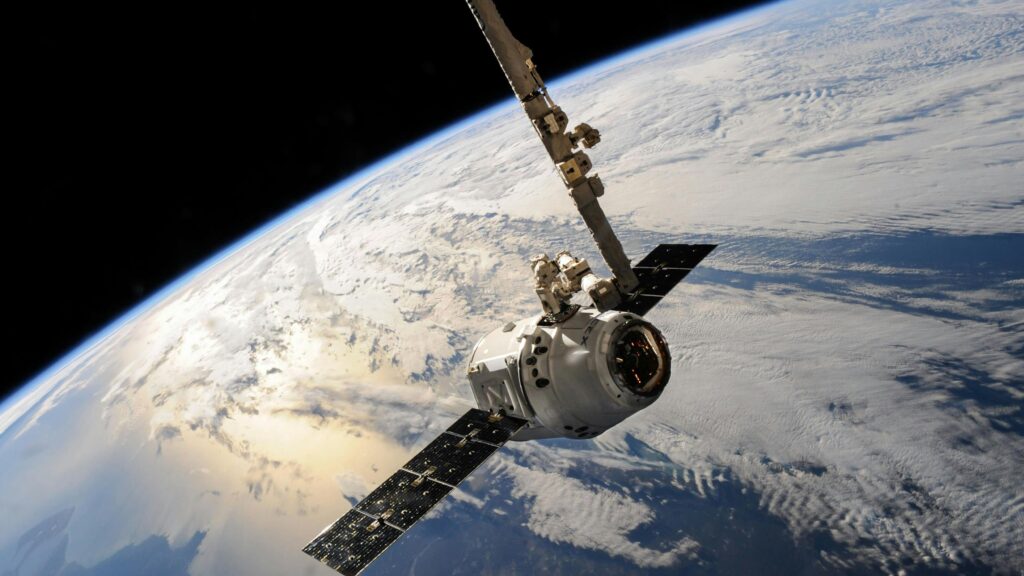
‘The question is therefore not whether Hungary can compete with great powers in space—the answer is obvious. The question is whether it can secure a position in which it is not merely a user but a partial shaper of the emerging new infrastructure.’
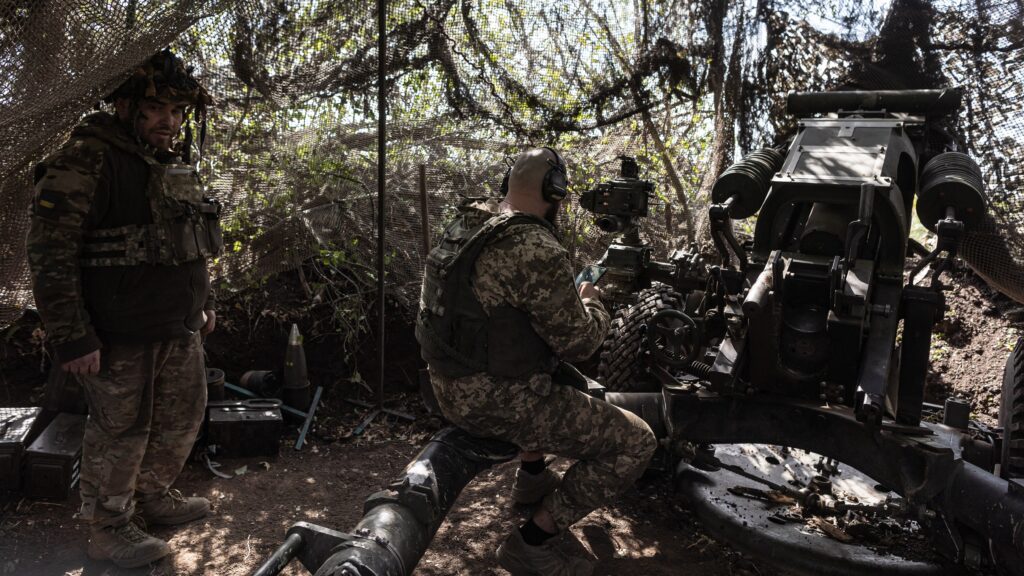
‘Ukraine’s agile innovations and Russia’s scaled standardization both demonstrate how gaming culture can bolster sovereignty against aggression, yet unchecked, it threatens to dissolve the human element in warfare, turning soldiers into avatars in a perpetual virtual arena.’
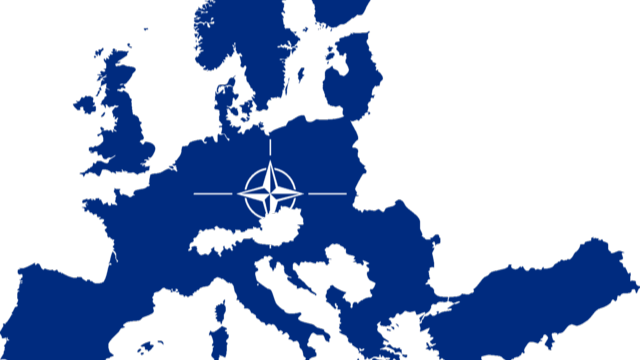
‘For more than three decades after the Cold War, deterrence in Europe was largely taken for granted…Security debates focused less on territorial defence and more on crisis management, expeditionary missions, and stabilization operations far from Europe’s borders. That strategic comfort has now decisively ended.’
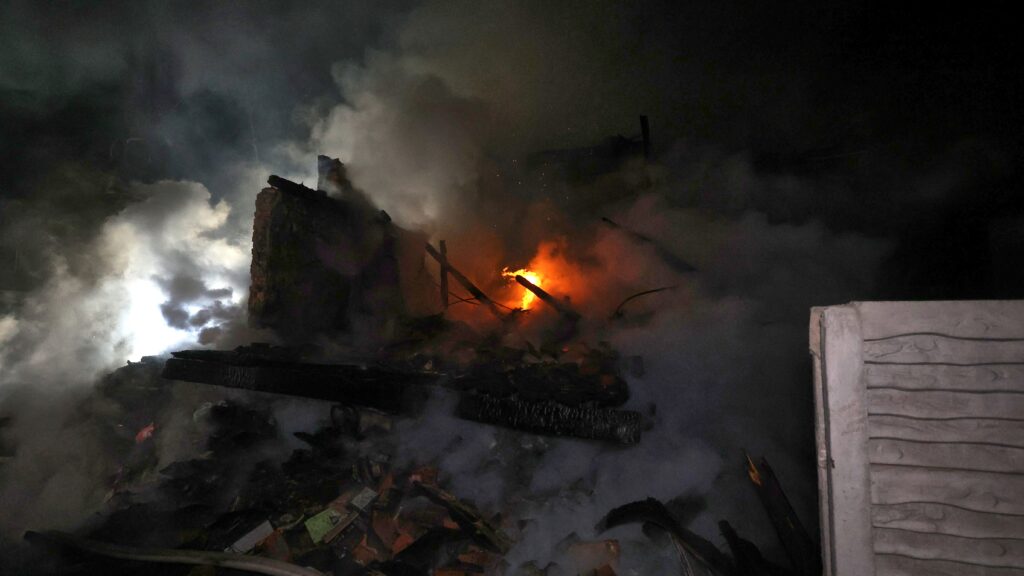
‘Pokrovsk’s encirclement emerged from these dynamics not as a sudden catastrophe but as the predictable outcome of long-developing trends.’
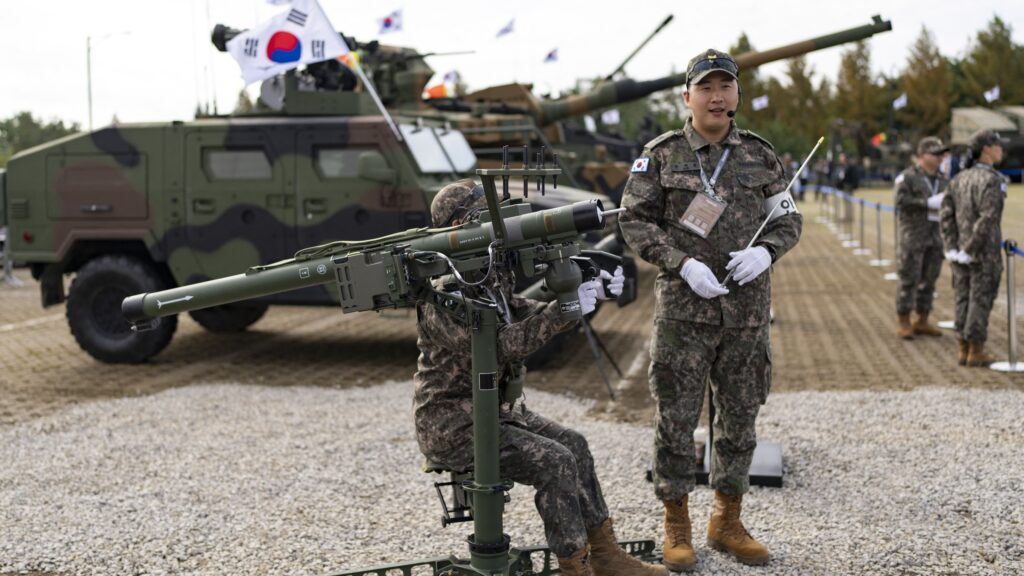
‘The debut of a Korean hypersonic missile prototype was one of the exhibition’s highlights, placing Seoul into an elite club.’
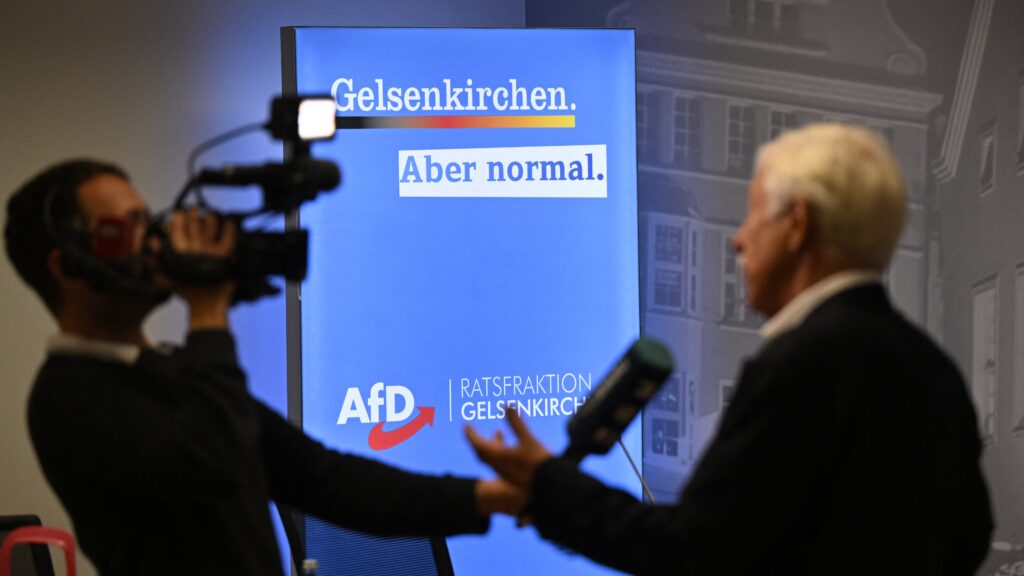
The deaths of seven AfD candidates before North Rhine–Westphalia’s local elections stirred controversy after economist Stefan Homburg called the cluster ‘statistically almost impossible’. Despite official findings of natural causes, AfD leader Alice Weidel echoed concerns—highlighting broader tensions around democratic pluralism in Germany.
‘The current epoch marks another revolutionary shift: the digital warfare paradigm, driven by rapid advances in artificial intelligence, cyber capabilities, autonomous weapons, and real-time data integration…It is no longer sheer numbers or tonnage of materiel that decide battles, but information superiority, network resilience, and the speed of decision-making.’
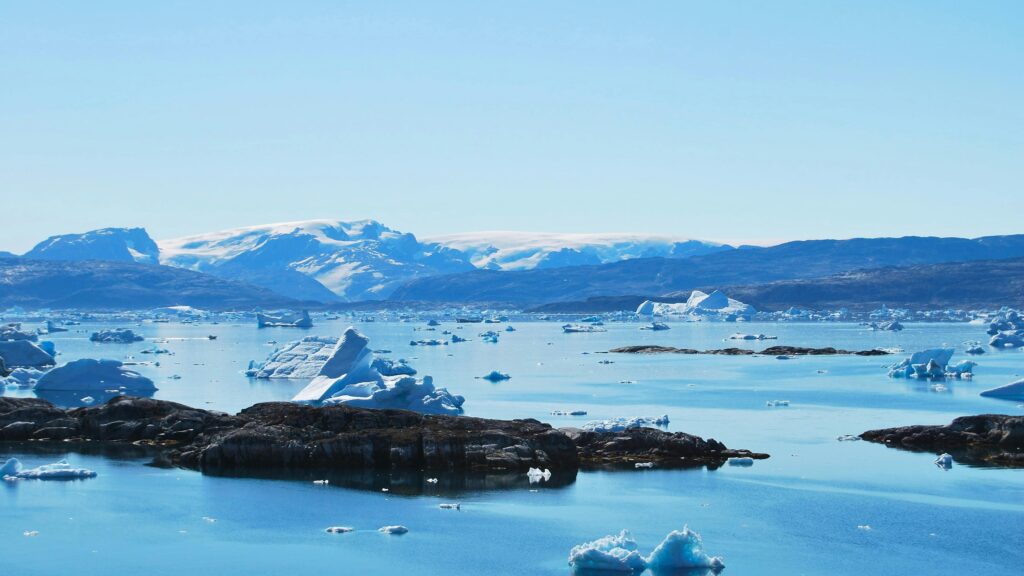
‘Greenland, the world’s largest island, has attracted US interest not only for its natural resources but also for its geostrategic location. Both the Cold War and today’s geopolitical competition demonstrate that Arctic regions are increasingly significant from military and economic perspectives.’
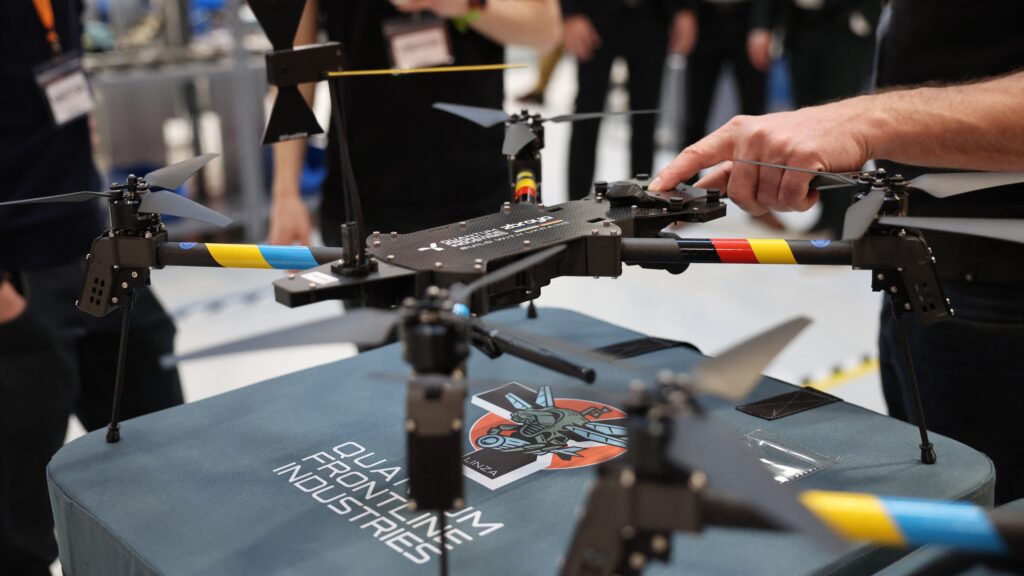
‘Technology is rapidly revolutionizing warfare, fundamentally changing the circumstances in which conflicts unfold. With modern drones and artificial intelligence, a paradigm shift is taking place that fundamentally rewrites our concepts of war. The battlefield no longer necessarily requires human presence…The era of self-sacrificing captains is disappearing, if not already gone.’

At a time when public debate is increasingly polarized and superficial, Hungarian Conservative remains committed to depth and independent thought.
Donate Now
Please consider supporting our mission.