

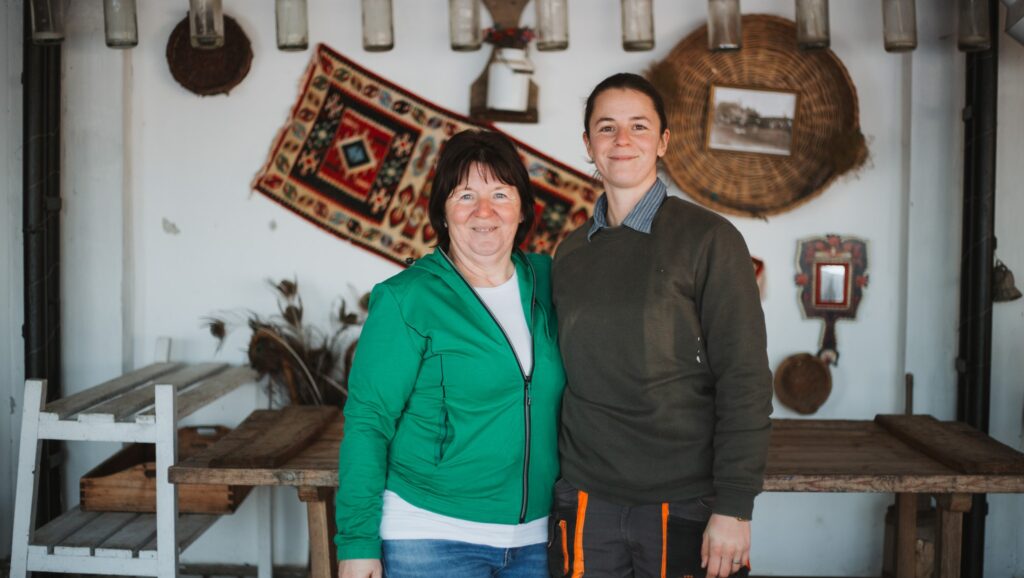



‘Perhaps it’s that we’re genuine: we’re exactly as people see us…Week after week, we offer what we have—no more, no less—but with a great deal of love.’
‘The guidance of the Holy Spirit is difficult to put into words. Whenever we try to describe it, we are attempting to grasp the ungraspable—searching for images that might express that sometimes wonderfully gentle sensitivity, at other times firmer guidance, through which the Holy Spirit is able to work together with the human person.’
‘The revival of nature also encourages people to renew and purify themselves, and in folk tradition, Holy Week was a prominent period for this. These days are associated with customs aimed at ensuring people’s health and well-being, keeping diseases away, and protecting their homes and property.’
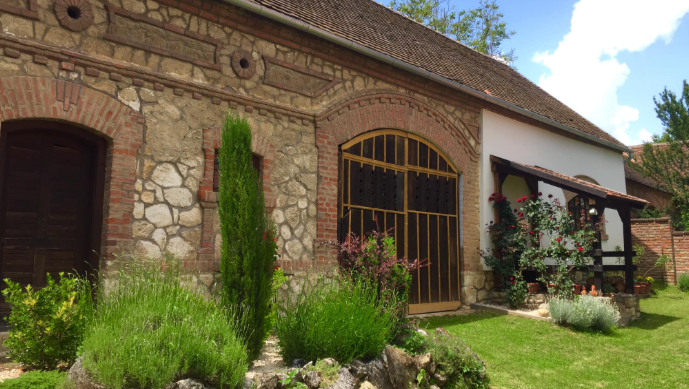
‘Béla and his wife had a long-standing dream to create a traditional accommodation. They fell in love with the barn, and even as they began renovating it, they were amazed at how many people stopped to visit and learn about the history of the building.’
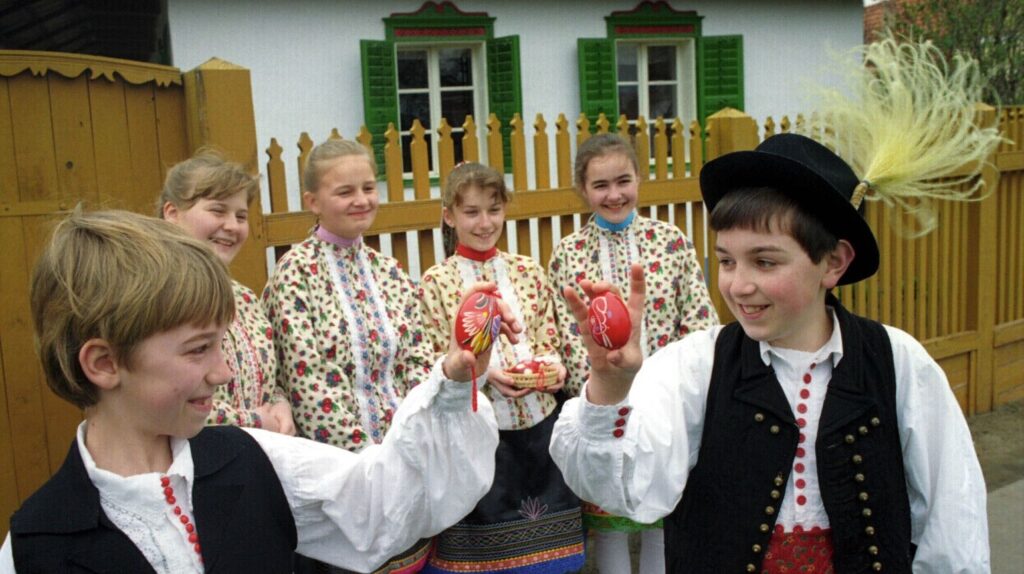
With Easter, the fasting restrictions came to an end, and the arrival of spring weather meant people could once again play and celebrate outdoors. Our ancestors took full advantage of this: on Easter Monday at dawn, they would already be making their rounds through the village, and they spent as much time outside as possible, playing games like egg rolling and others.
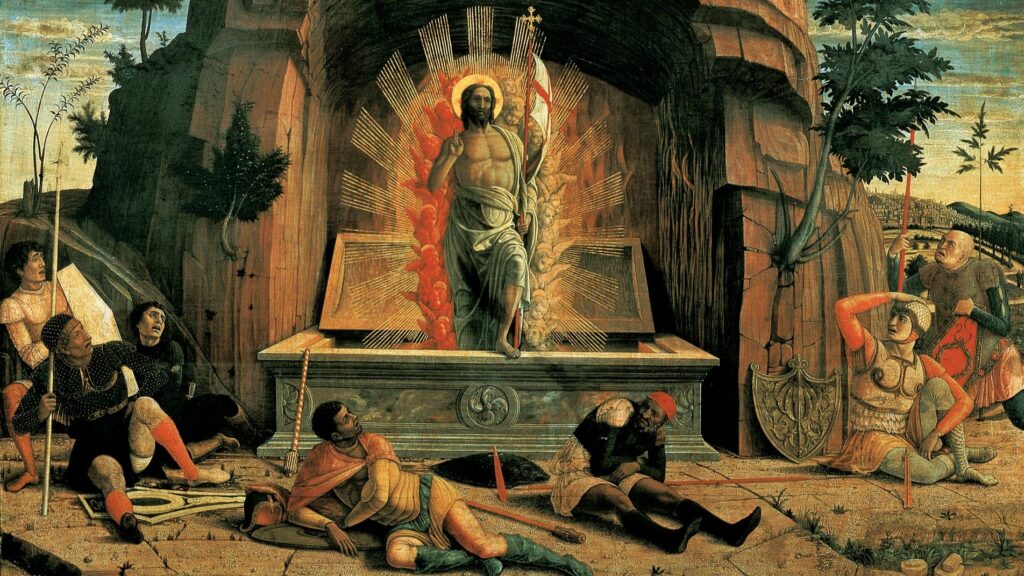
Why was the statue of the risen Christ hidden among the crosses at the village border? Why did people walk the boundaries of their settlement at Easter? What rituals were tied to the blessing of Easter foods? In this article, we explore the traditional folk customs of Easter Sunday.
What does the flame that was lit again on Holy Saturday represent? What does the ember of consecrated fire protect against? Why do we shake apple trees and keychains when the bells ring again? In this article we look at the traditions and customs of Holy Saturday.
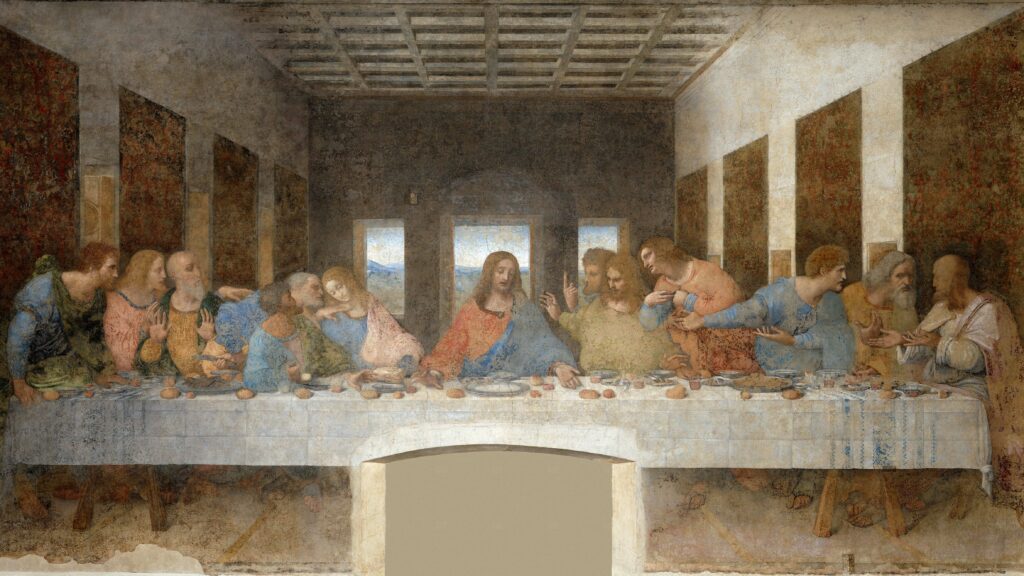
With processions including tableaux, passion plays drawing on the apocryphal tradition, black masses and a re-enactment of the holy sepulchre, the burial of Jesus and the subsequent vigil were part of the popular liturgy, alongside commemorations of his passion and death on the cross.
‘I see that more and more people are drinking tea in Hungary, and more and more people are interested in where tea comes from, how it is grown, and how it is prepared. People are open to better quality teas and are also beginning to understand that tea is very healthy. That is why I encourage everyone to drink tea regularly because it is a pure drink full of antioxidants, vitamins, and minerals.’

At a time when public debate is increasingly polarized and superficial, Hungarian Conservative remains committed to depth and independent thought.
Donate Now
Please consider supporting our mission.