

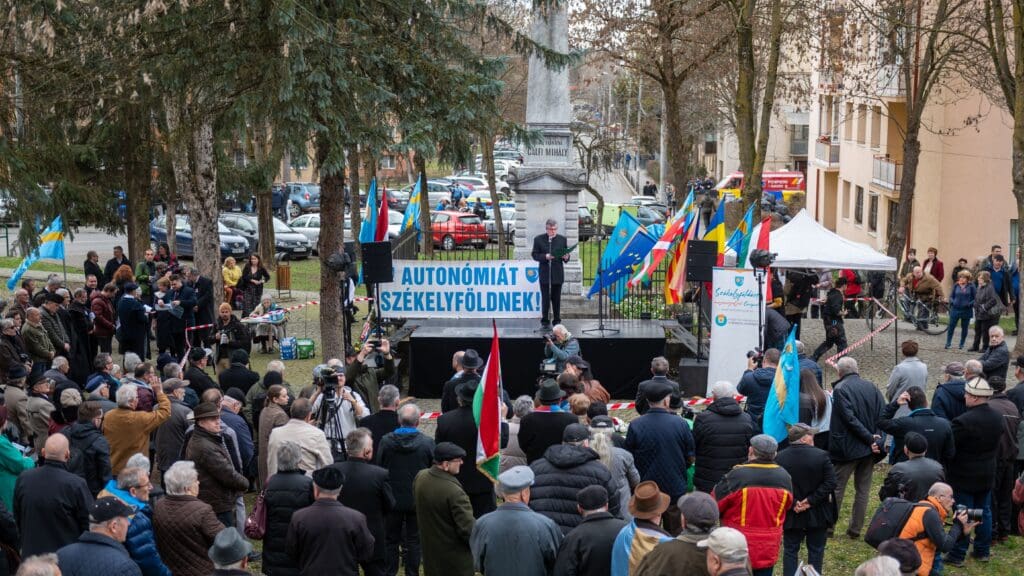
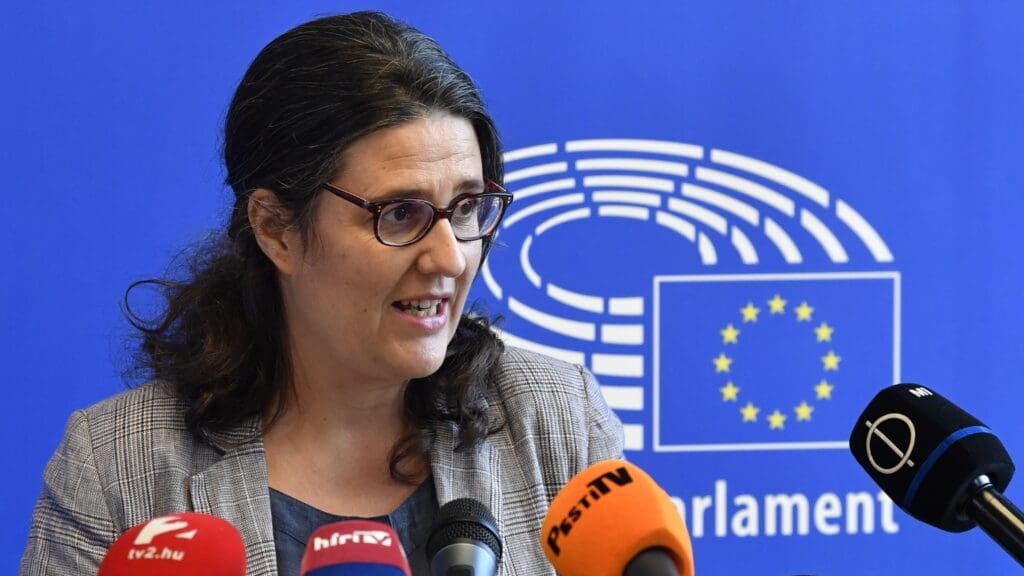
In accordance with the established practice, special rapporteurs submit annually their thematic report on the events and experiences of the previous period. On 6 March, UN Special Rapporteur on Minority Issues Fernand de Varennes published the Proposal for a Draft Global Convention on the Rights of Minorities attached to his annual thematic report.
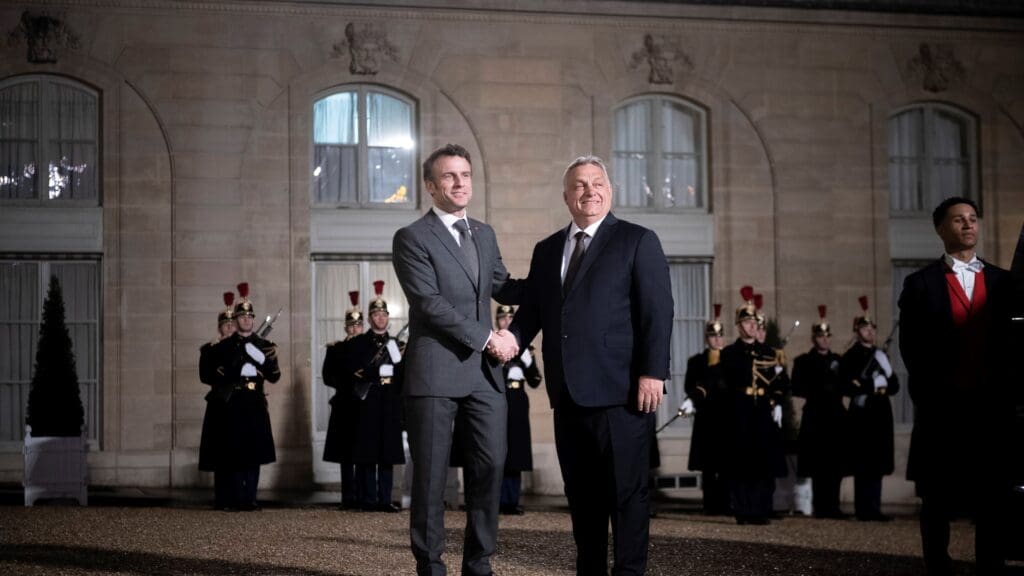
Last week’s invitation of the French President shows that despite Hungary having disputes with the European Union and the EU funds due to our country are being withheld, the Hungarian Prime Minister is not at all an isolated actor in European political life.
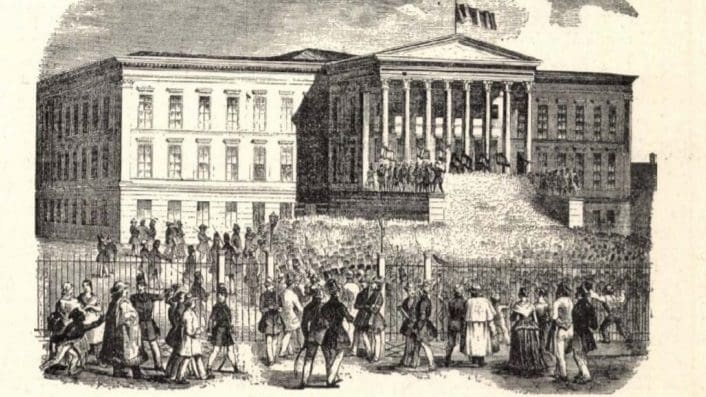
In the spring of 1848, there were a series of revolutionary movements aimed to overthrow or reform monarchical government systems and create new nation states throughout the whole of Europe, which partly contributed to the outbreak of the Hungarian Revolution in Pest on 15 March 1848.
Despite the continual support and humanitarian aid provided by Hungary, serious anti-Hungarian voices and resentment of Hungary still appear in the Ukrainian media.
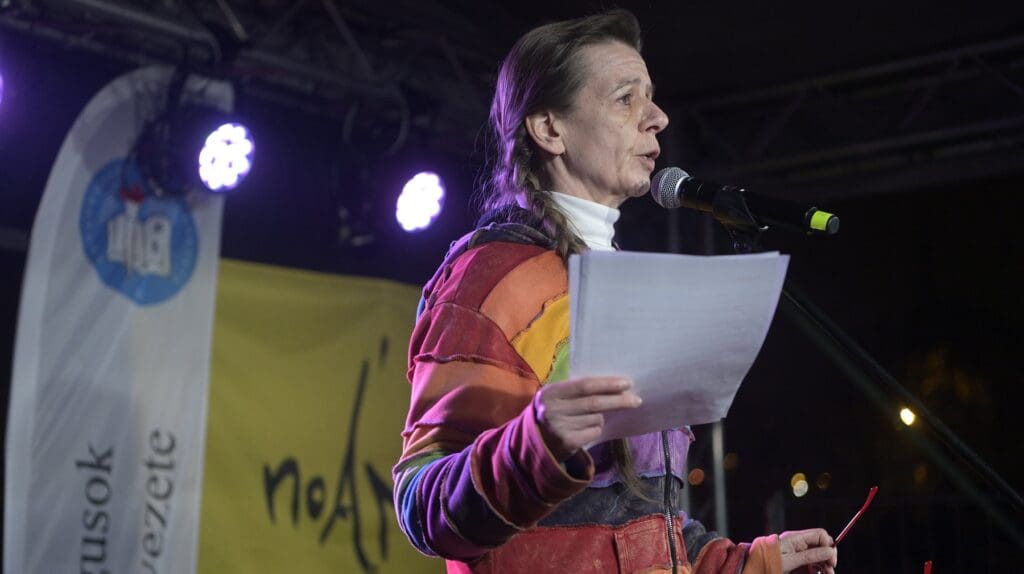
‘We can only speak of civil disobedience if the perpetrator makes it public that they have consciously broken the penal code and accepted its ramifications. This is therefore not a legal, but a moral decision.’
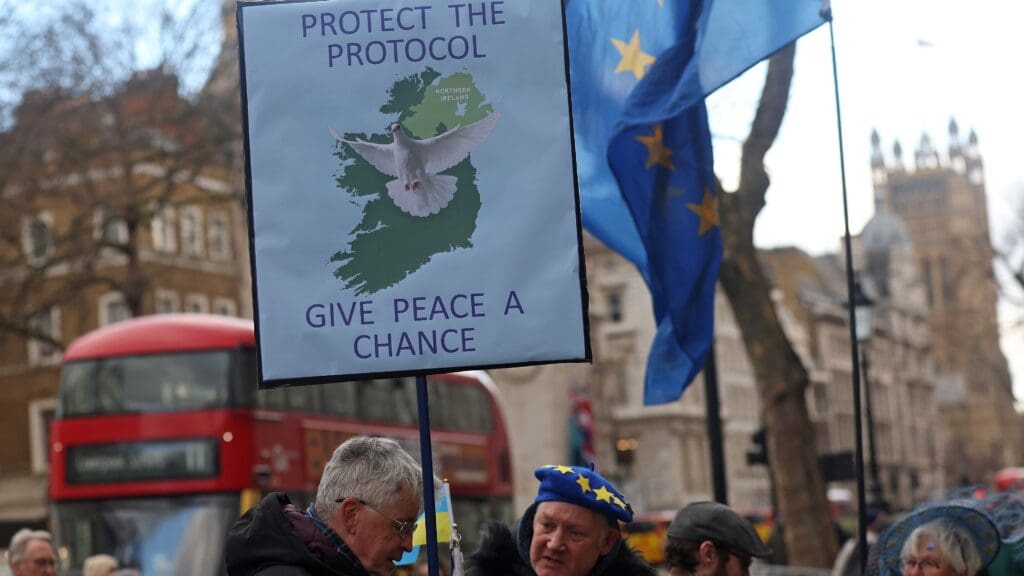
The mechanism of the Northern Ireland Protocol made the everyday lives of citizens and businesses in Northern Ireland significantly more difficult. Food supply, for example, proved to be particularly problematic, as the EU’s strict consumer protection requirements caused serious disruptions and shortages in Northern Ireland.
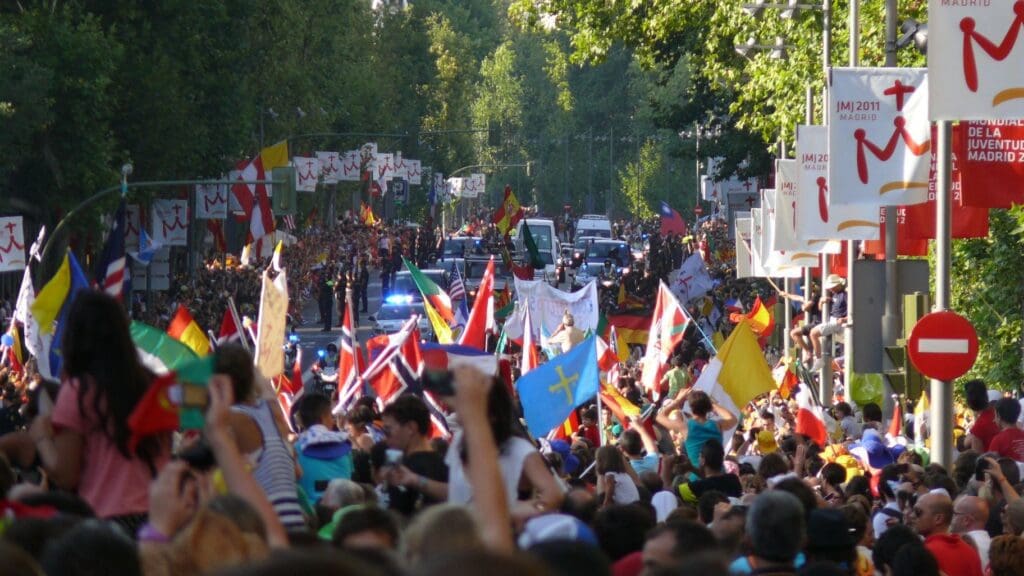
At the 2005 World Youth Day, Pope Benedict said that only on the basis of the dignity of human life can we authentically strive for non-violence, sustainable development, justice, peace and care for the environment.
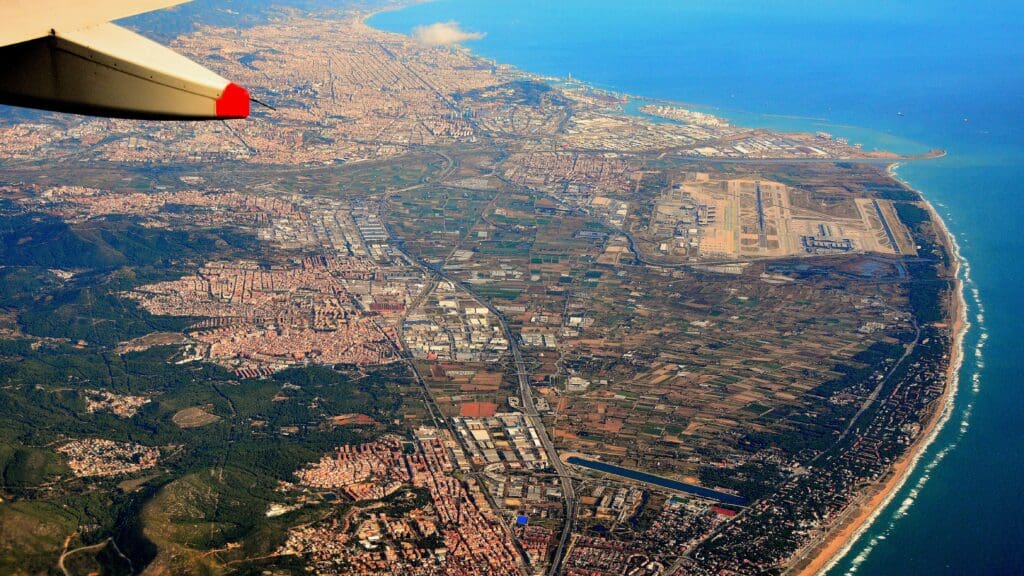
While it is unlikely that forced landings in the European Union will become commonplace in the future, they are clearly an effective method of illegal immigration.
Last April, the overwhelming majority of Hungarian people voted against the left-wing opposition in favour of the current government party, conscious that it promised to protect Hungary’s peace and security above all—even if the excisemen of the war would have it otherwise.
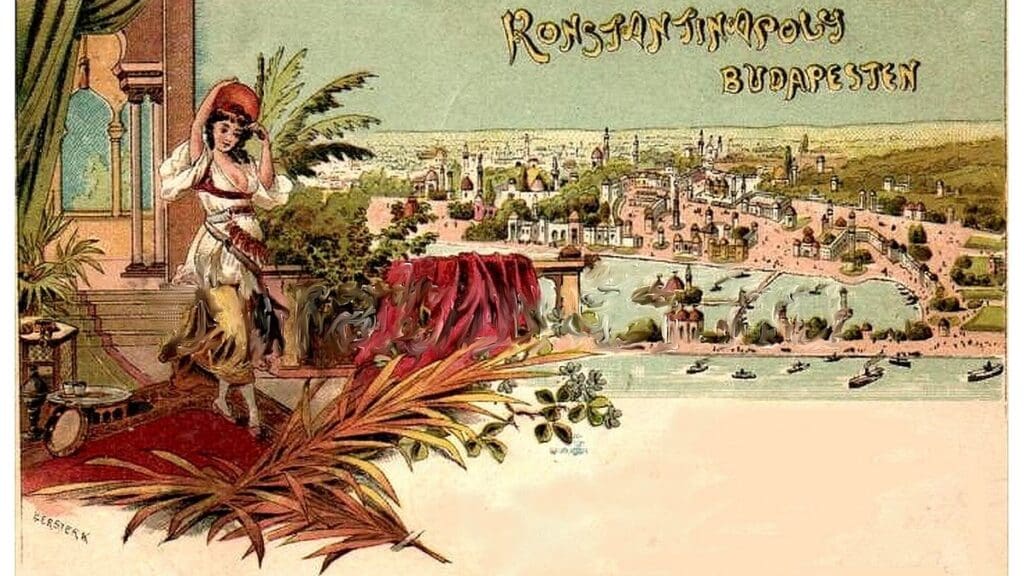
By the turn of the century, not only the development of today’s historic parts of Budapest took place, but, among other things, huge investments also began in the area of Lágymányos Lake between today’s Liberty Bridge and Rákóczi Bridge.

At a time when public debate is increasingly polarized and superficial, Hungarian Conservative remains committed to depth and independent thought.
Donate Now
Please consider supporting our mission.