

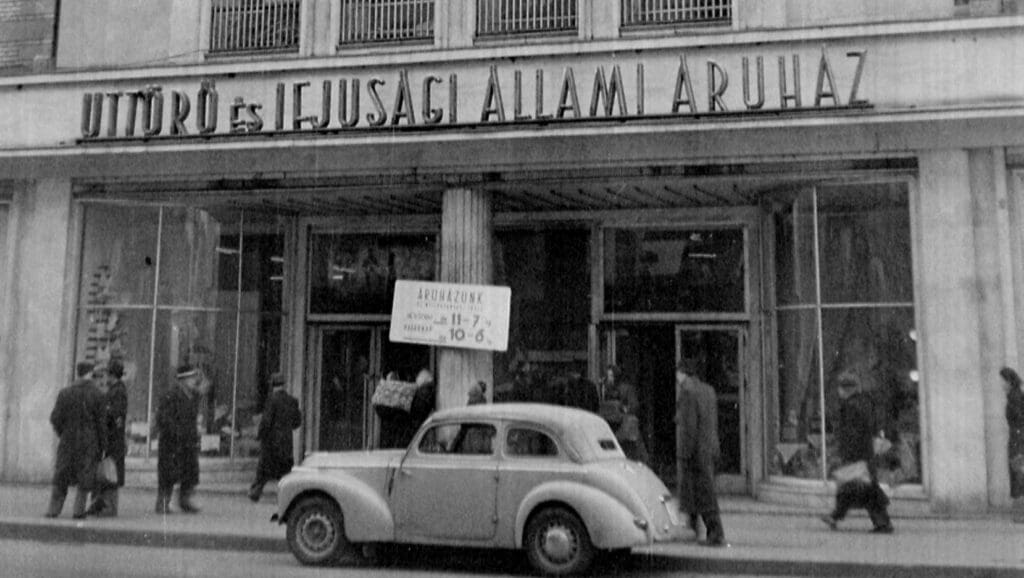

On the left side of today’s Rákóczi Road, on the way to Astoria, stood the Úttörő és Ifjúsági (Pioneer and Youth) State Store, which opened in the autumn of 1950 and was one of the most important shopping outlets for the youth of the time. Among its main goods were children’s clothing, sports and play equipment, children’s furniture, and, of course, as its name suggests, pioneer paraphernalia as well.
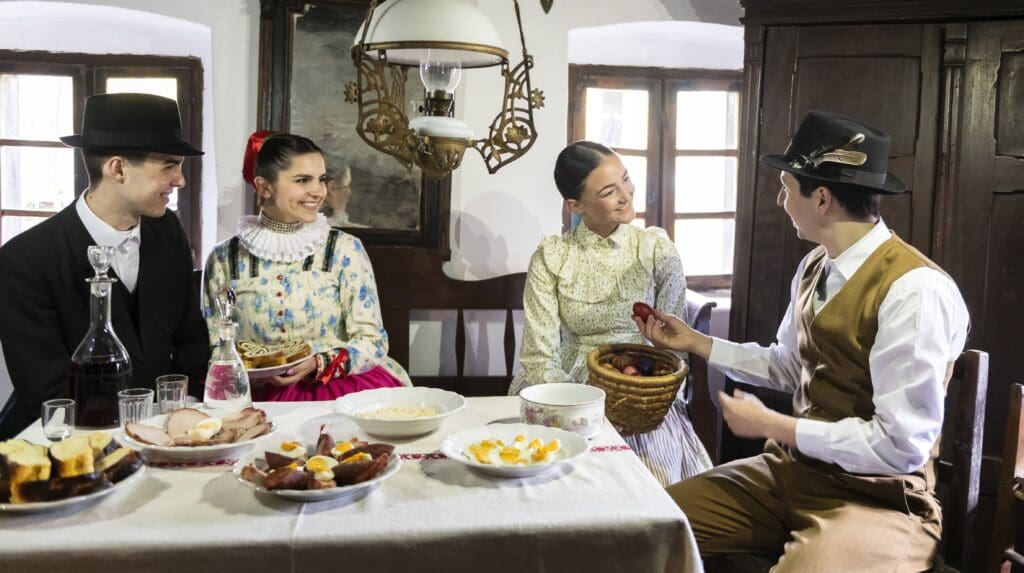
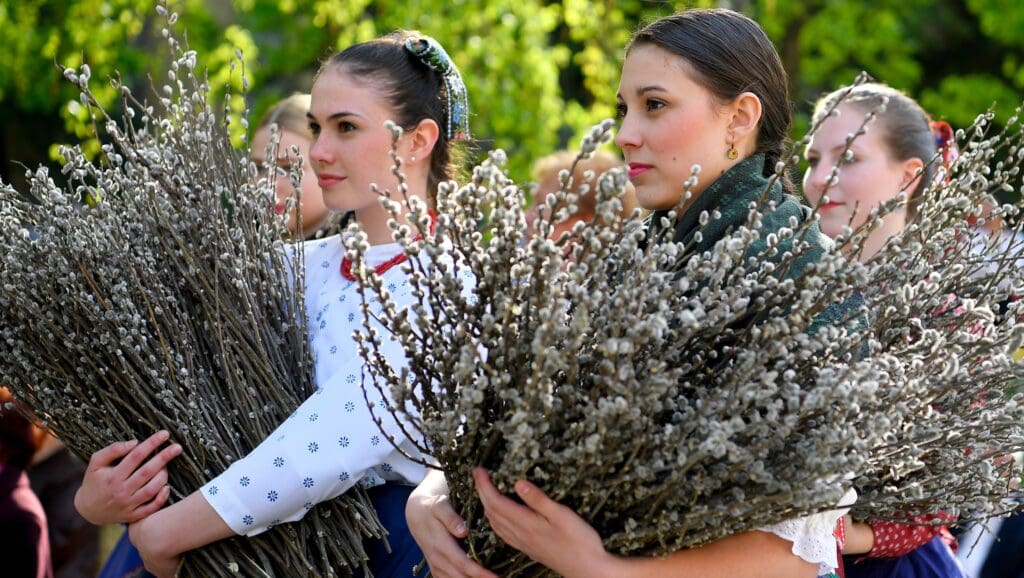
Easter is the most solemn celebration in the Christian world, commemorating the redemptive death on the cross and resurrection of Jesus Christ. In addition to egg-painting and sprinkling water, there are many folk customs and traditions associated with Easter, which you can read below in the collection of Magyar Krónika.
In Reform Era Hungary, on Easter Monday in the countryside maidens would be grabbed by boys, dragged to the nearest river and ‘dipped’ in it. If there was no river nearby, they would be taken to wells, laid in troughs and doused with cold water. On more than one occasion the poor girls would get a stroke from the cold water or die of pneumonia a few days later.
‘This is the message of Easter. Sharing the most ordinary beautiful experiences with each other: that is transforming the world. It just takes courage. For believers and non-believers alike. We should respect each other. Because none of us can create life. Destroy it, all the more.’
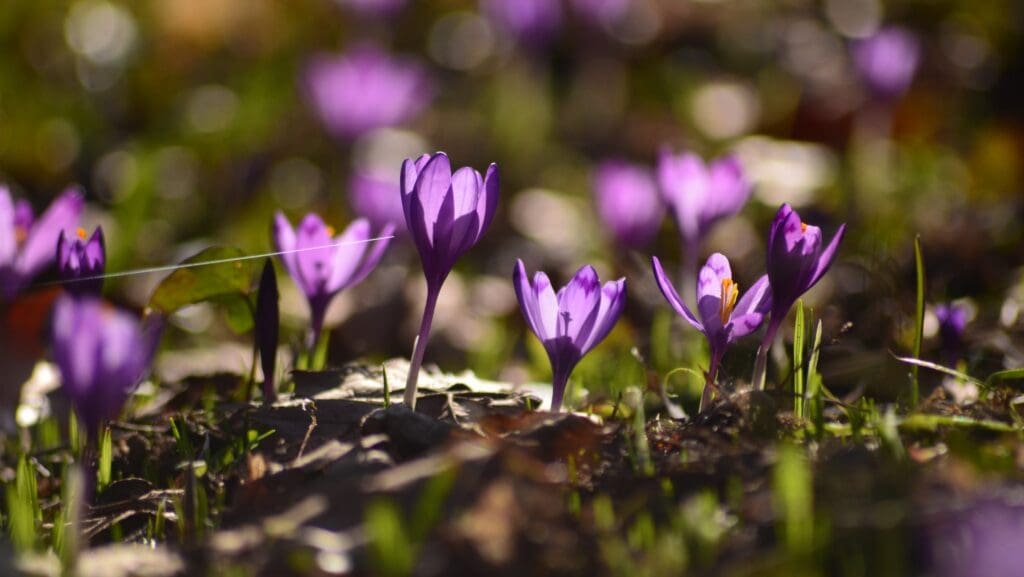
With the early arrival of spring this year, the country’s arboretums and botanical gardens are in full bloom now. Magyar Krónika collected a set of arboretums worth visiting this March.
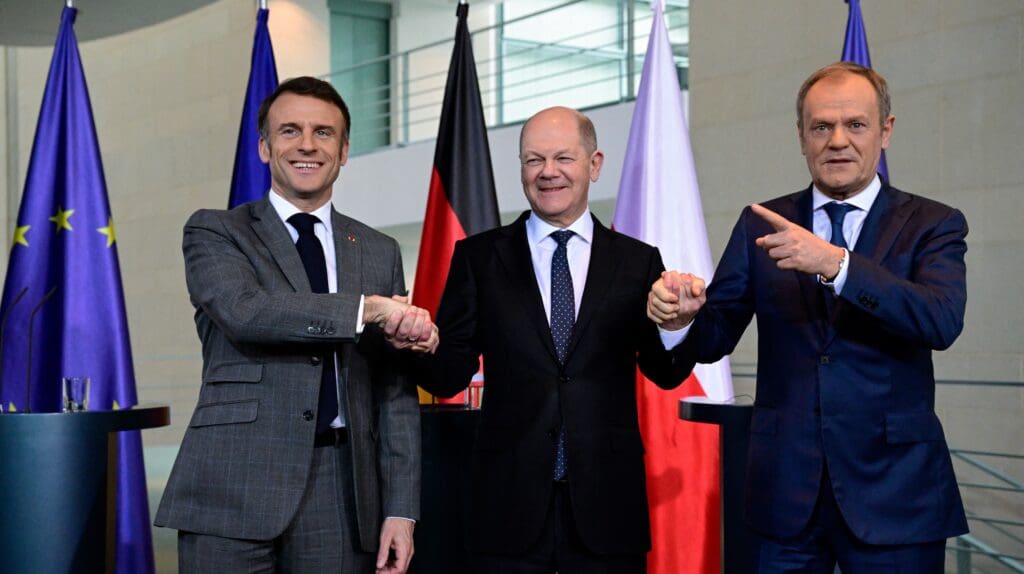
‘Strategic uncertainty is not a universal elixir, but merely one of the tools in a politician’s and a strategist’s toolbox. It is important to know when to use it, but it is perhaps even more important to know when not to. For strategic uncertainty to be an effective tool, serious kinetic action must sometimes be added to the bluffing and the show of force.’
Our Lenten traditions include some elements that promote cooperation, while others are about cleaning up our environment or purifying our bodies and souls. By transposing these into the present day we may gather much needed strength in these difficult times.
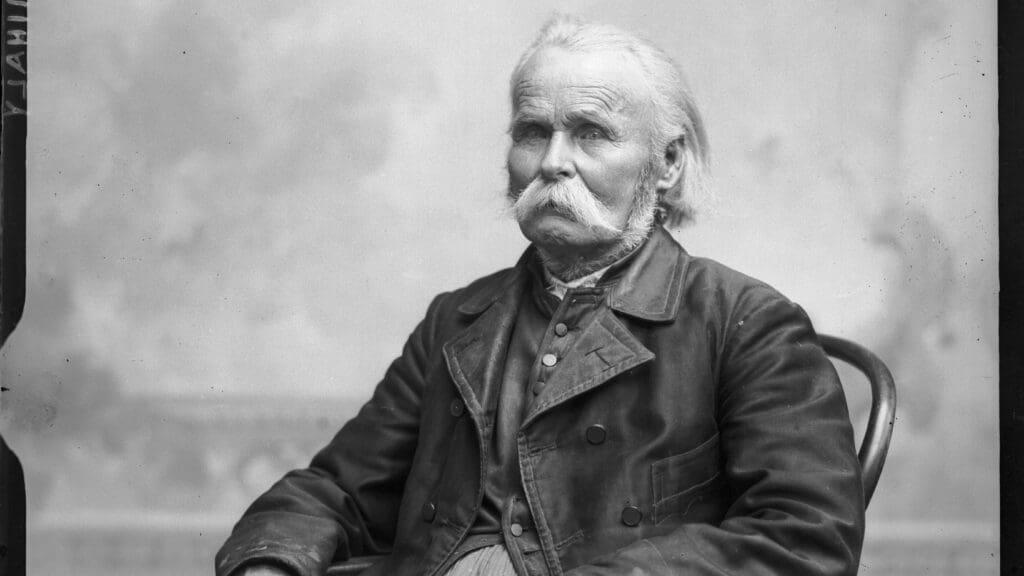
Old-aged men from the Great Hungarian Plain standing or sitting straight up face the camera and indirectly us, the viewers of these portraits today. What was previously only known from history books and clichéd speeches at the 15 March commemorations becomes, when seeing these pictures, the unvarnished truth, a gesture of an encounter with the past.
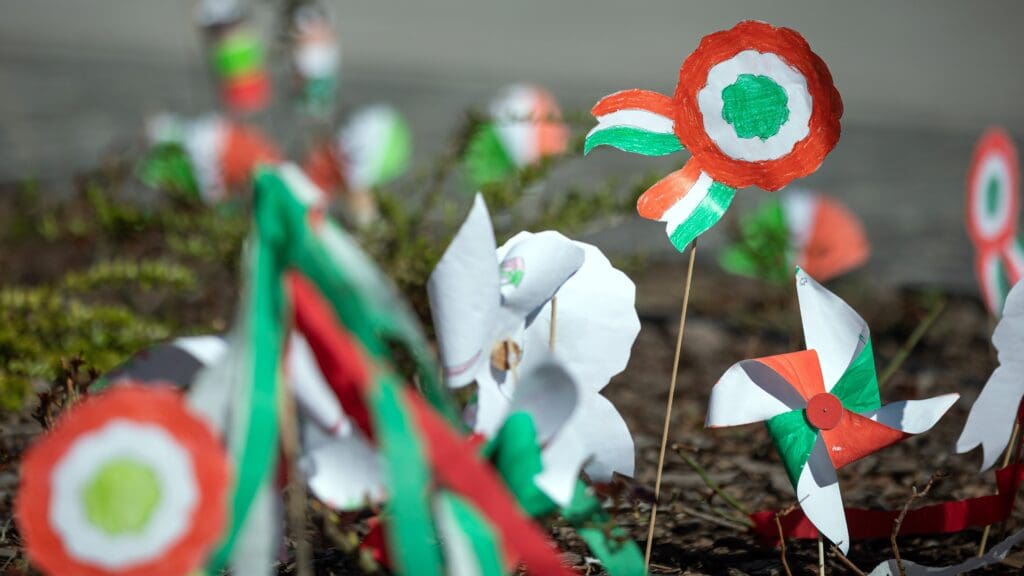
The cockade is one of the best-known and most significant Hungarian symbols, which has played a decisive role in our history. Over the centuries, the cockade has become an emblem of patriotism and Hungarian identity, which we have proudly worn on all our national holidays ever since the Hungarian Revolution of 1848.
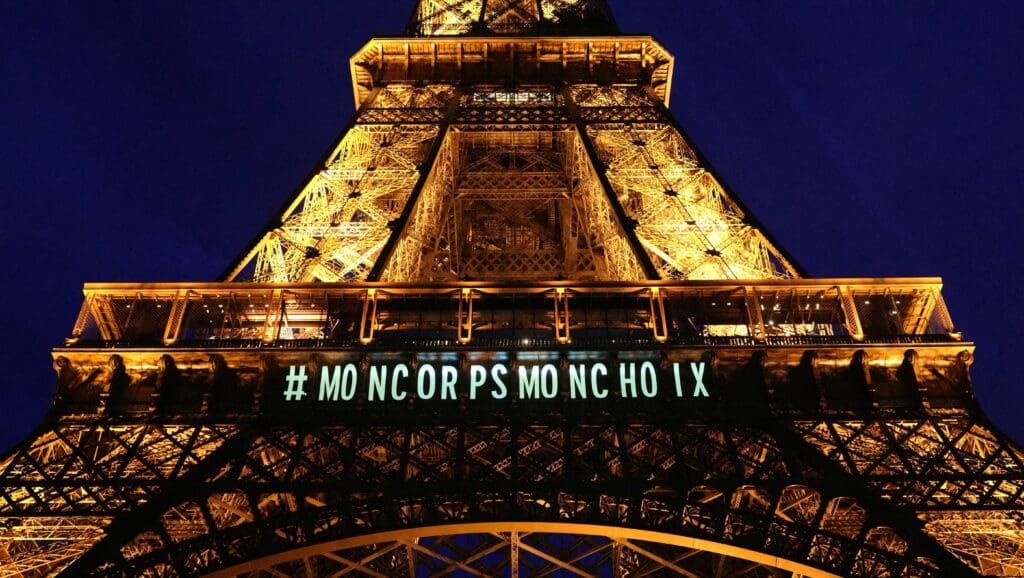
‘On the evening of 4 March, the two houses of the French Parliament voted 780 to 72 in favour of a constitutional amendment of the Fifth Republic to protect women’s freedom to have deliberate abortions…All it indicates is that the French people no longer regard foeticide, this infernal evil, as merely necessary but also as valuable.’

At a time when public debate is increasingly polarized and superficial, Hungarian Conservative remains committed to depth and independent thought.
Donate Now
Please consider supporting our mission.