

‘What are Western institutions for? To impose left-wing progressive ideologies on the world? If so, how are they any different from the Warsaw Pact or its late successor, the “Russian World”?’
‘If the Hungarian government’s foreign policy in recent months had truly been to serve Russian interests, then, for example, the NATO secretary general would not have left Budapest with a free hand from Hungary to negotiate and conduct NATO training and support for Ukraine, as well as to undertake a long-term financial commitment required for military support, even if Hungary will not itself participate in these NATO efforts.’
‘In Hungary, most of society and the government view the state of democracy operating in the institutions of the EU with growing concern and mounting criticism. This mutual criticism increasingly defines the relationship between Hungary and the system of EU institutions in Brussels.’
After the victorious election, the prime minister made it clear that the Russian aggression against Ukraine was forcing us to partially revise our strategy in foreign affairs, adjusting it to the changed circumstances. It is hardly surprising, then, that proposals and ideas of a strategic nature have increasingly claimed centre stage at in-camera government sessions and in public forums alike.
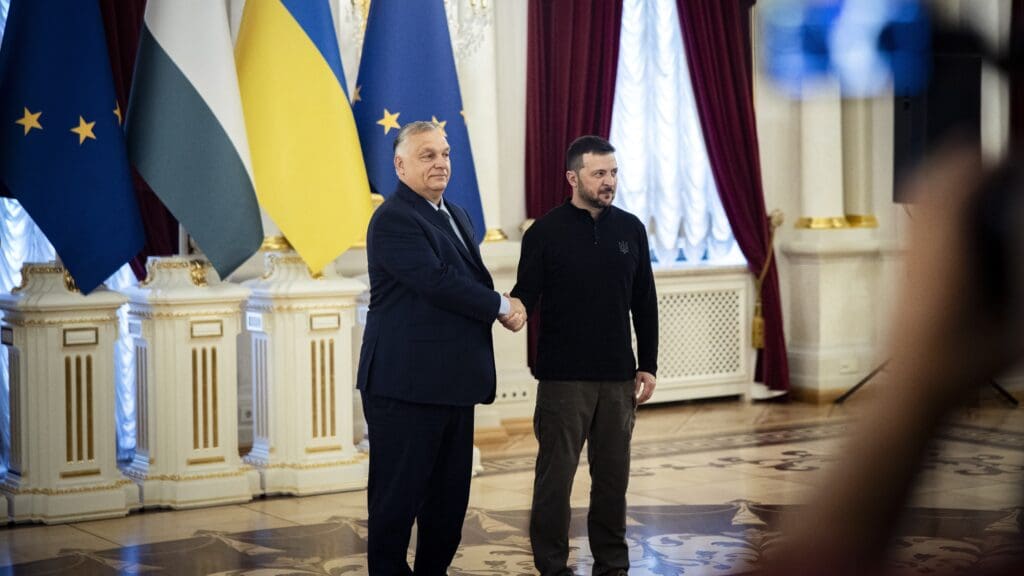
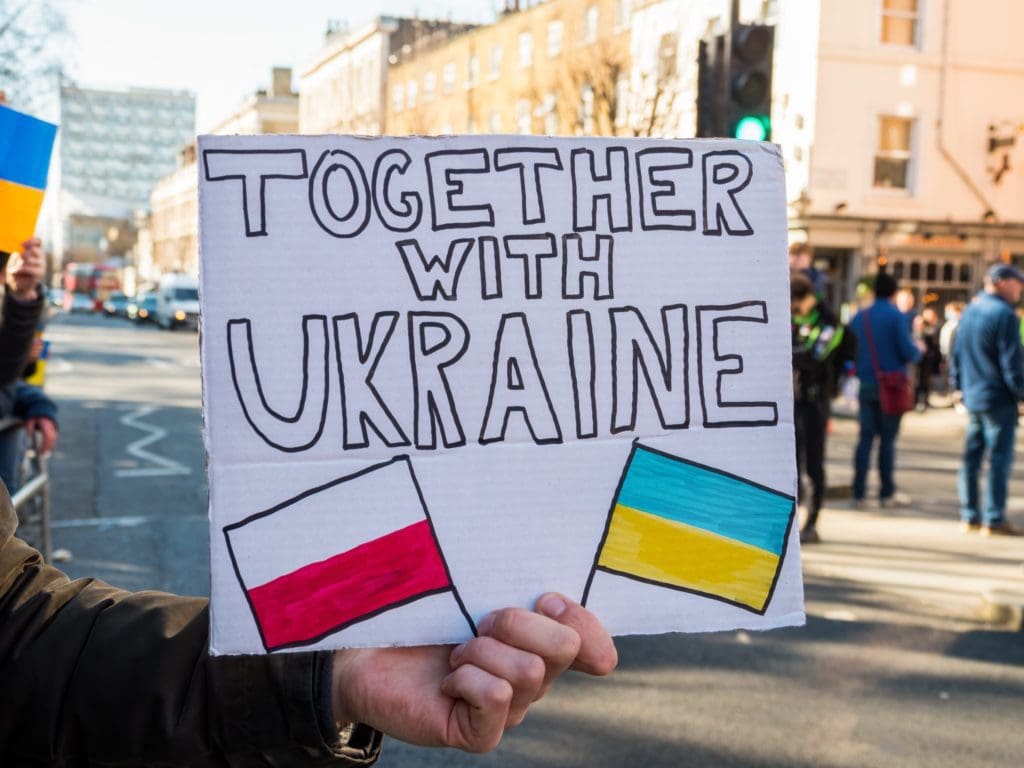
It is high time to start building a close strategic partnership with the new member of the ‘Central European family’ that—as the only one of us—got a seat at the G7 table while it is fighting a heroic fight for freedom to regain its occupied territories: i.e., Ukraine.
It is our position that the Russian troops must be withdrawn from the occupied territories. Ukraine’s sovereignty, territorial integrity, and the human and minority rights within its borders must be restored.
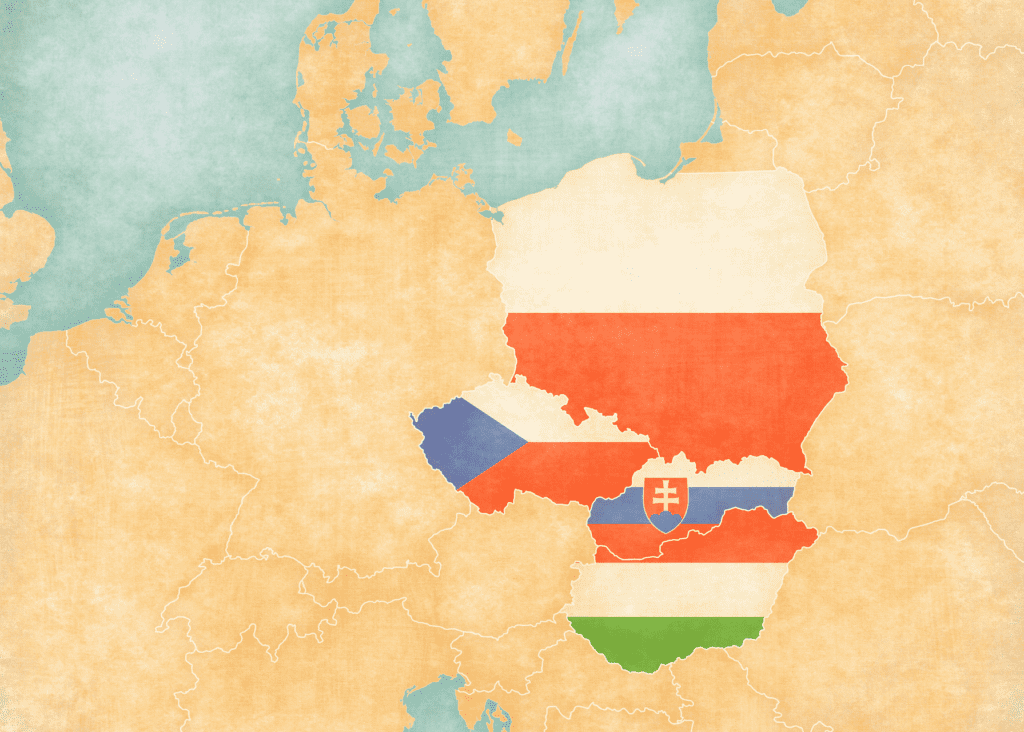
To sum up, there are the so-called ideological ‘leftists’ who are in power in much of Europe, including Berlin and Paris, and there are the pragmatic ‘rightists who are in power in the Visegrád Group countries, especially in Budapest and Warsaw, but, for the time being, they are in opposition to most of Europe.
Today, the two major contexts of Hungarian foreign policy are determined by the evolution of the Hungarian economy and society after the economic restart and reconstruction, along with the surrounding international relations.

At a time when public debate is increasingly polarized and superficial, Hungarian Conservative remains committed to depth and independent thought.
Donate Now
Please consider supporting our mission.