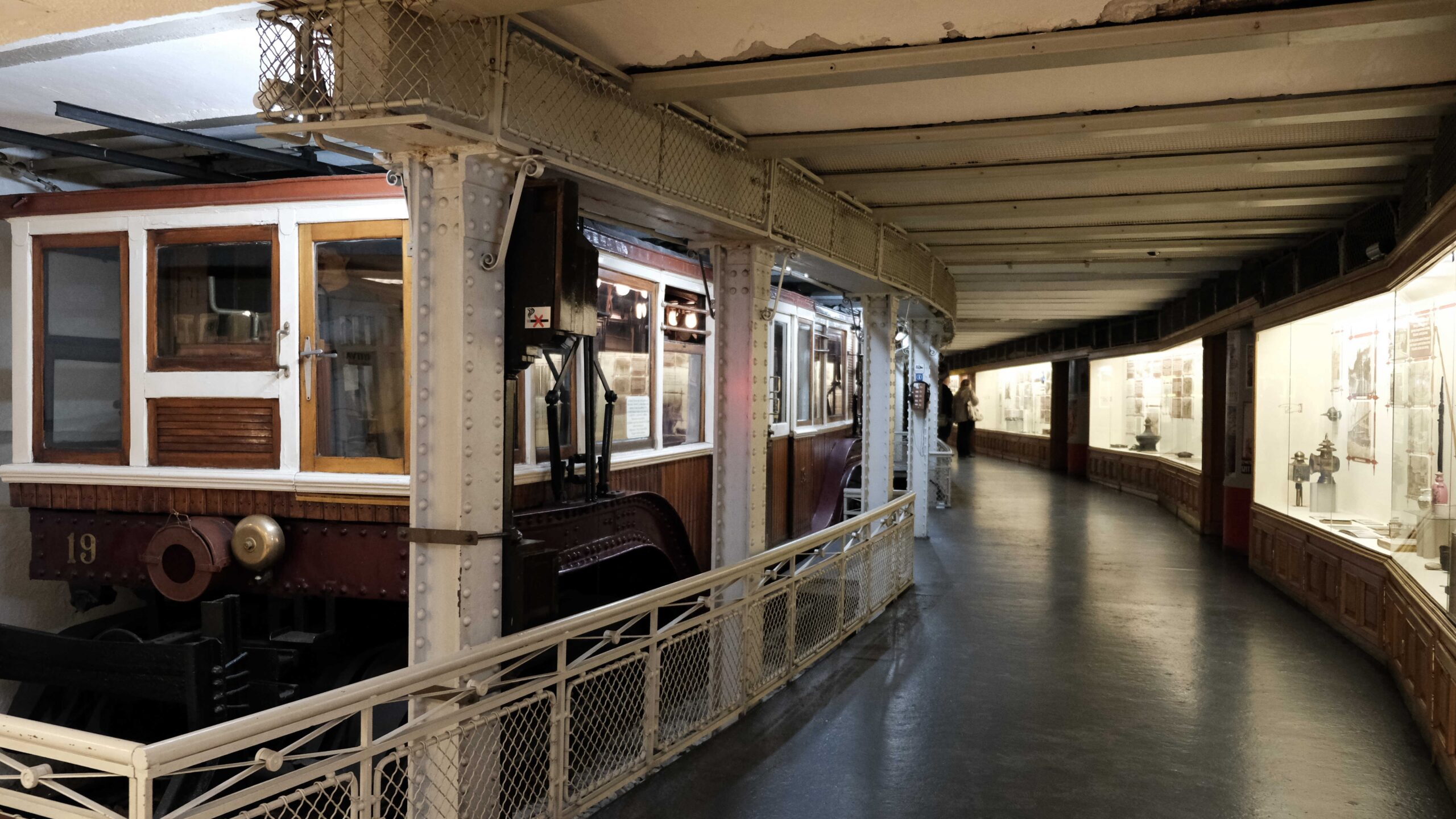
A new temporary exhibition exploring the rich and often surprising history of Budapest’s public transport system is opening at the Deák Square Underground Railway Museum.
Titled Budapest Transport Stories, the exhibition opens to visitors on Friday and presents a collection of nostalgic, humorous, remarkable and occasionally tragic episodes from the history of the Hungarian capital’s public transportation network.
Organized by BKV (Budapest Transport Privately Held Corporation), the exhibition brings together a wide range of historical artefacts, transport memorabilia, passenger information materials, photographs, posters and documents that illustrate both the development of Budapest and the evolution of its public transport system.
The exhibition is divided into ten thematic sections, each focusing on a different story from Budapest’s more than 150-year history. These stories highlight both well-known and lesser-known chapters of the city’s transport heritage, showcasing events and innovations that shaped Budapest’s development, culture and everyday life.
Visitors will encounter iconic vehicles that once defined the cityscape, the people who operated them and the passengers who travelled on them. The exhibition also explores the origins of transport regulations and signage that are now considered commonplace, alongside several unusual initiatives that have long since faded from public memory.
Among the exhibition’s highlights are stories about the horse-drawn vehicles that once travelled through Budapest’s streets, as well as the pioneering public transport technologies that attracted the attention of visiting dignitaries, including the Emperor of Brazil. Visitors can also learn how tram routes were identified before the introduction of numerical line designations.
Other sections examine the role of women in Budapest’s transport sector, revealing when they first entered the workforce in public transportation. The exhibition also looks back at the measures introduced on public transport vehicles during the Spanish flu pandemic and explores the preparations that preceded Budapest’s transition from left-hand to right-hand traffic.
The exhibition further explains why trolleybus routes began receiving numerical designations in the 1970s and highlights the role of ‘tram libraries’, a unique initiative that helped promote reading and cultural access among commuters.
The temporary exhibition can be visited throughout the year with the same admission ticket that grants access to the museum’s permanent collection.
Those interested in learning more about Budapest’s transport heritage can also purchase a companion book bearing the same title as the exhibition. The publication is available at the museum and through BKV’s online shop.
The stories featured in the exhibition will also be shared through BKV’s newly launched bilingual Facebook platform, BKV Tour & Gift. The page, which debuted on 1 June, serves as a hub for transport-related tourism and heritage preservation, offering information on attractions including the Buda Castle Funicular, the Zugliget Chairlift, Danube sightseeing boats, nostalgic transport services, memorabilia auctions, the Underground Railway Museum and the Urban Public Transport Museum in Szentendre.
Through both the exhibition and its digital platforms, BKV aims to bring Budapest’s transport history closer to residents and visitors alike, showcasing how public transportation has helped shape the city’s identity across generations.
Related articles:
At a time when public debate is increasingly polarized and superficial, Hungarian Conservative remains committed to depth, intellectual honesty, and independent conservative thought.
Producing high-quality journalism requires resources. Your contribution helps us expand our coverage, reach new audiences, and keep our content accessible.

Please consider supporting our mission.