It appears that in every culture, there is a connection to different bodies of water. People have an intrinsic sense of reverence and respect when it comes to water as the essence of life. Therefore, in pagan times around the world, these were often venerated and tied to some type of deity. The ancient Romans, for example, saw different creatures in the water’s mixing crystal-like surface. They tied lesser gods, goddesses and even nymphs to the springs and creeks; these were then remembered for generations. In turn, Fontus was the Roman god of wells and springs. The ancient Romans celebrated their feast day, Fontinalia, on 13 October. It was obvious to these people that water was the key to life and that nature was a powerful force; thus, they respected it.
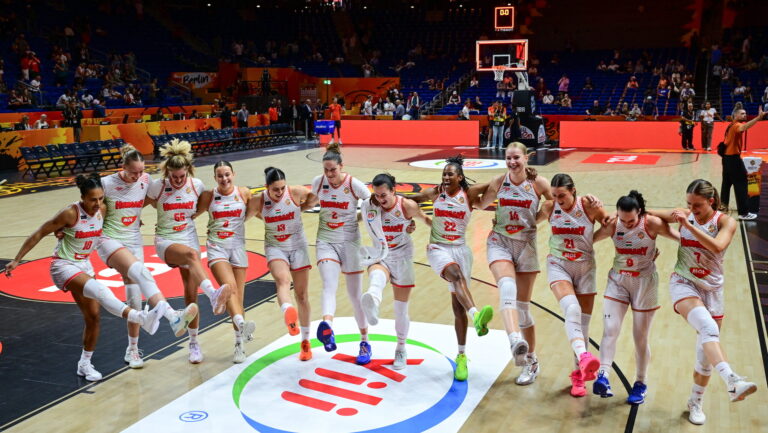
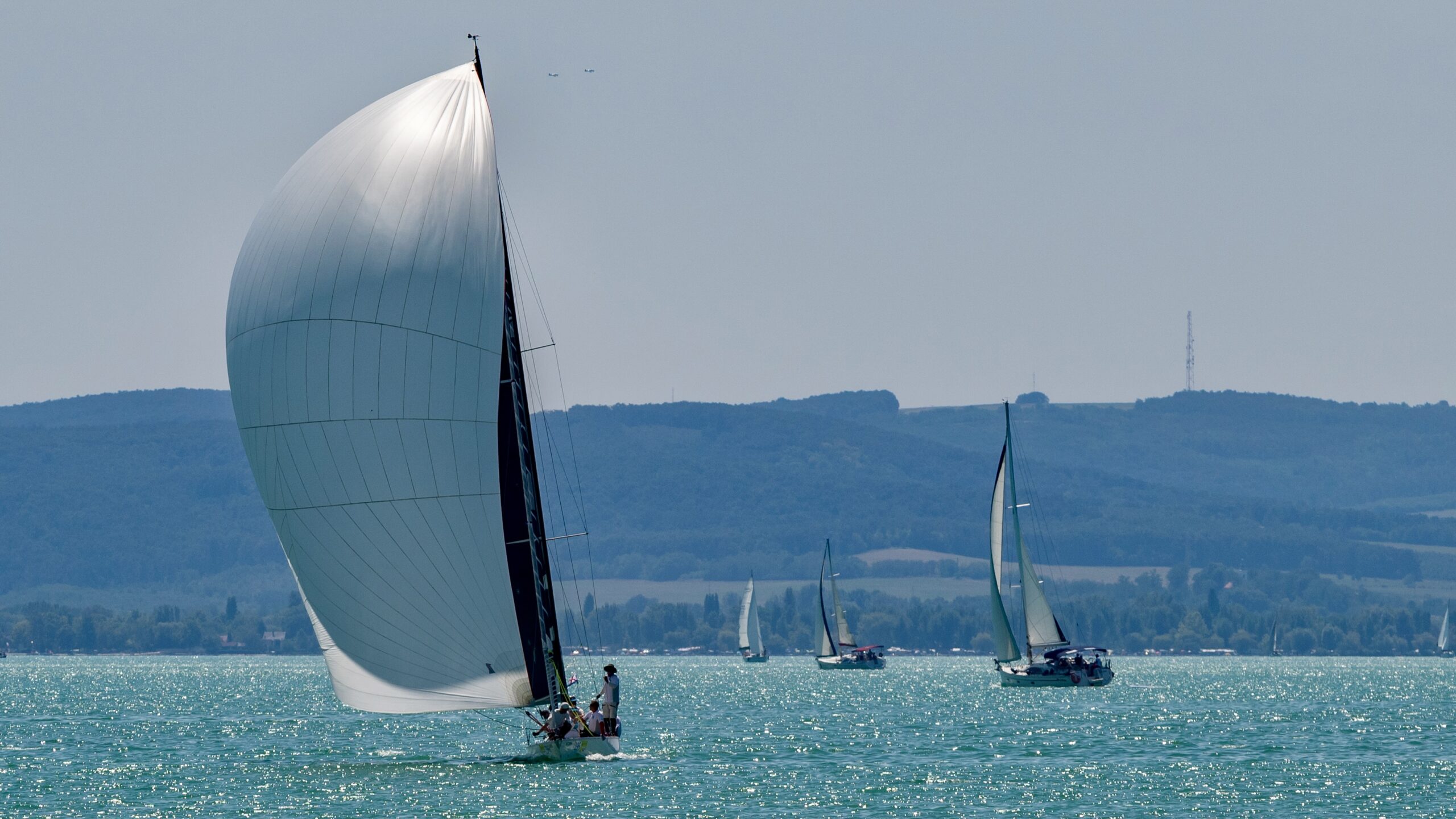
As was the case then, there is still one particular country that directly comes to mind today when thinking about how closely a nation is connected to freshwater. That is Hungary—a small nation with lots of freshwater resources compared to its size. The country contains the largest lake in Central Europe, and many creeks and streams of varying sizes flow through it. Hungarians have generally always considered themselves somehow close to water culture, so to speak. There was always a culture of either bogs and swamps, rivers and lakes. Almost always freshwater. This may also very well be observed in the sports Hungary excels at in the Olympics and other games. Virtually, all of the top sports are water-oriented in some manner. These include kayaking and canoeing, swimming, rowing and, of course, water polo. Hungary dominates water sports at the international level, which means that competition is immensely tough nationally as well.
It is an important point to consider how a nation can achieve so much in water sports when it is not connected to the sea. Usually, it is observed that nations whose athletes perform best in water sports are coastal; often, the longer the coastline, the better they do. This holds true for England, Australia, many Balkan states, and the United States as well. Of course, population also plays a large part in these figures. Then again, this makes Hungary a somewhat interesting exception.
‘It is an important point to consider how a nation can achieve so much in water sports when it is not connected to the sea’
The sort of sacredness once held in ancient times towards water is still found in traces today in Hungary, with the difference that streams and wells are not connected to holy places but to Christian beliefs and persons. These may be the Holy Mary—the Mother of God—different saints, and local legends. Often these stories consist of different miraculous healings or sightings which took place on the site of the spring, which are often found in forests and other places around the nation. The locals know where they are located most of the time; sometimes they are quite famous pilgrimage sites, such as Mátraverebély-Szentkút—a place where apparitions are held to be true, thus many pilgrims make their way to its waters.
Also connected to this is the lore of Saint László the King (Szent László), the most famous Hungarian knight-king. The legend holds that, nearly a thousand years ago, he and his soldiers were trapped by the enemy in a narrow valley region and were unable to retrieve water. Then the King, after jumping over a narrow valley with his horse, created a spring where the hoof of the steed landed. Some others hold that he split the bare rock with his battle-axe, causing more water to spring. This captivated the spirit of the Hungarians for a long time, filling them with respect and admiration towards the great King. This legendary creek is still visitable. It is located in the eastern Cserhát forest region, not far from Mátraverebély.
It is observable that Hungary is home to many thermal baths. This tradition was introduced first by the Romans and then later by the Turks. Both peoples had a great impact and brought their bathing traditions with them, along with the creation of houses. Hungary is rich in a dense blanket of thermal springs and waters. There is an unusually high amount of these dotting the landscape compared to the size of the country. Only Budapest, the capital, has many springs and over ten famous functioning thermal baths, some more touristy than others. Many do not stop and consider how unique this is for one city. Some of the best baths are the Széchényi Gyógyfürdő, the Gellért Gyógyfürdő, the Lukács Gyógyfürdő, and the Hévíz Lake in western Hungary. The Hévíz Lake is the largest natural thermal water lake in Europe. It is situated very close to Lake Balaton, which is the largest lake in Central Europe. The water of Hévíz Lake is exceptionally warm, with temperatures reaching near 40 degrees Celsius in the summer and staying in the 20s in the winter. The water is quickly renewed through the springs beneath the lake. A truly unique experience.
There have also been famous Hungarian inventions tied to water. One of the largest was the development and creation of the manufacturing process for carbonated water by Ányos Jedlik. Theodore von Kármán developed a significant amount in the field of fluid dynamics. Engineers such as Pál Vásárhelyi contributed greatly to river management and control through their construction and restructuring of the Tisza and Danube rivers. The way we think about water as a science today, the way our rivers look and flow, and the manner in which we create soda water are all, on some level, due to Hungarians.
It is remarkable how such a small nation with so much freshwater lives in abundance from this natural resource, and how there is a whole culture, steadfastly and integrally developed, around it. I can only encourage everyone to take an interest in and appreciate the vastness of this important but less-discussed aspect of Hungarian culture and identity.
Related articles:
At a time when public debate is increasingly polarized and superficial, Hungarian Conservative remains committed to depth, intellectual honesty, and independent conservative thought.
Producing high-quality journalism requires resources. Your contribution helps us expand our coverage, reach new audiences, and keep our content accessible.

Please consider supporting our mission.