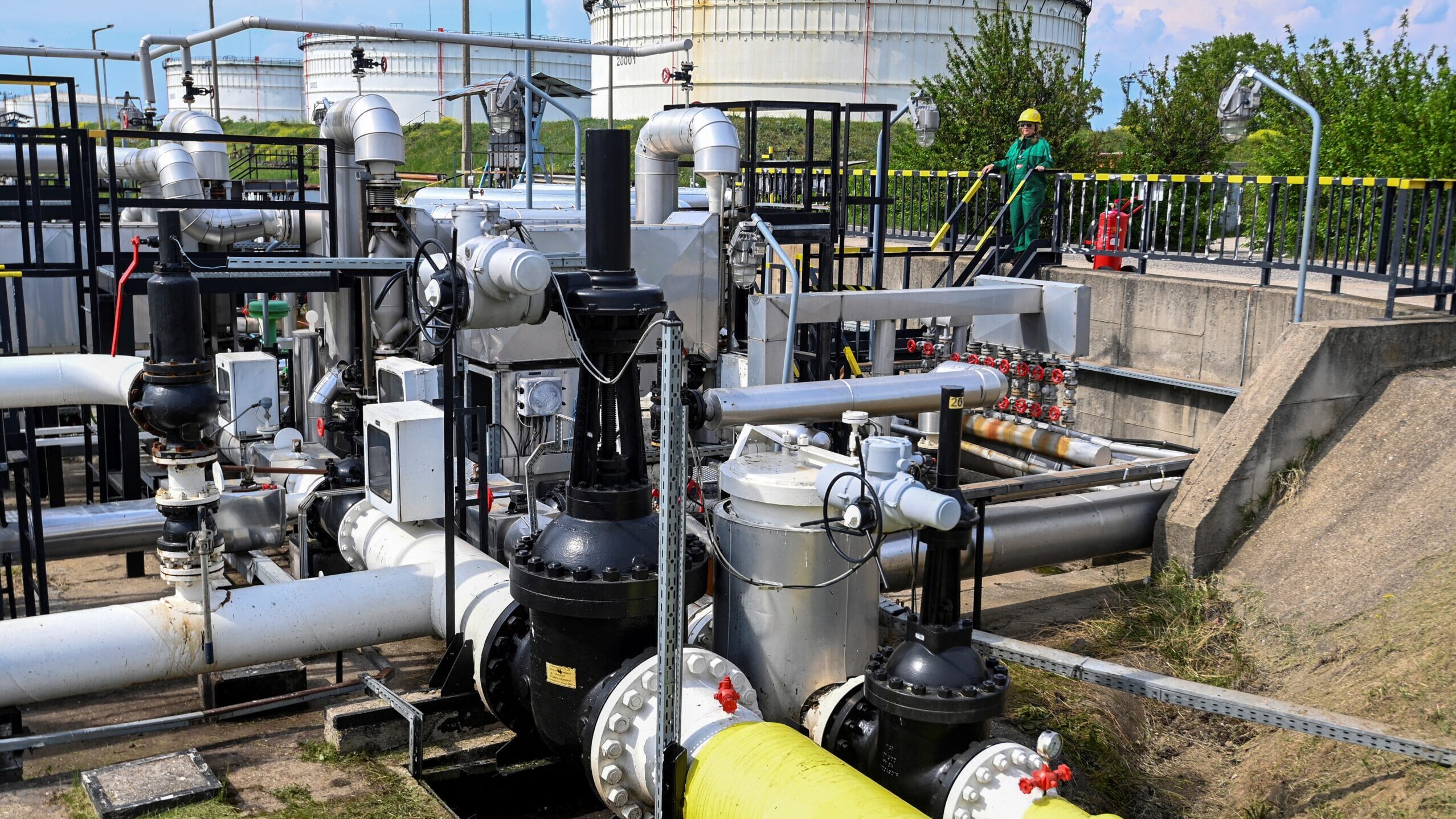
The European Commission has sent a clear signal to Ukraine that it expects a timeline for the restart of the Druzhba oil pipeline, EU Energy Commissioner Dan Jørgensen said on Monday in Brussels.
Speaking at a press conference following a meeting of EU energy ministers, Jørgensen said the current situation stems from the fact that Russia had rendered the pipeline inoperable.
‘We must remember why there is a problem with this pipeline, because Russia destroyed it,’ he said, as he ignored the fact that Hungarian satellite images proved that the pipeline is functional.
According to the commissioner, the disruption does not currently pose a supply security risk for EU member states, as alternative energy sources are available and neighbouring countries have helped ensure continued supply.
Jørgensen also indicated that the Commission is preparing a proposal to introduce a full ban on Russian oil imports into the European Union. While sanctions are already in place, he noted that two member states still benefit from exemptions. ‘All countries must prepare for this situation. In the future, we do not want to buy energy from Russia,’ he said. The commissioner also addressed the impact of tensions in the Middle East on energy prices, warning that rising costs are placing additional pressure on European households and businesses. He said the Commission is currently examining ways to reduce energy bills.
In the short term, the EU aims to support the most vulnerable groups and businesses, with immediate measures under preparation. Jørgensen added that emergency tools may also be needed to help member states protect consumers and economies if the situation worsens. Over the longer term, he stressed the need for structural changes to reduce the EU’s exposure to global energy market volatility. This includes reviewing the four main components of energy bills: energy prices, network charges, taxes and levies, and carbon costs.
He said the EU now faces a strategic choice: remain exposed to fluctuations in global energy markets or take control of its energy future.
According to the commissioner, this will require expanding clean energy production within Europe, strengthening and better integrating electricity grids, ensuring a well-functioning energy market, and accelerating electrification.
Related articles:
At a time when public debate is increasingly polarized and superficial, Hungarian Conservative remains committed to depth, intellectual honesty, and independent conservative thought.
Producing high-quality journalism requires resources. Your contribution helps us expand our coverage, reach new audiences, and keep our content accessible.

Please consider supporting our mission.