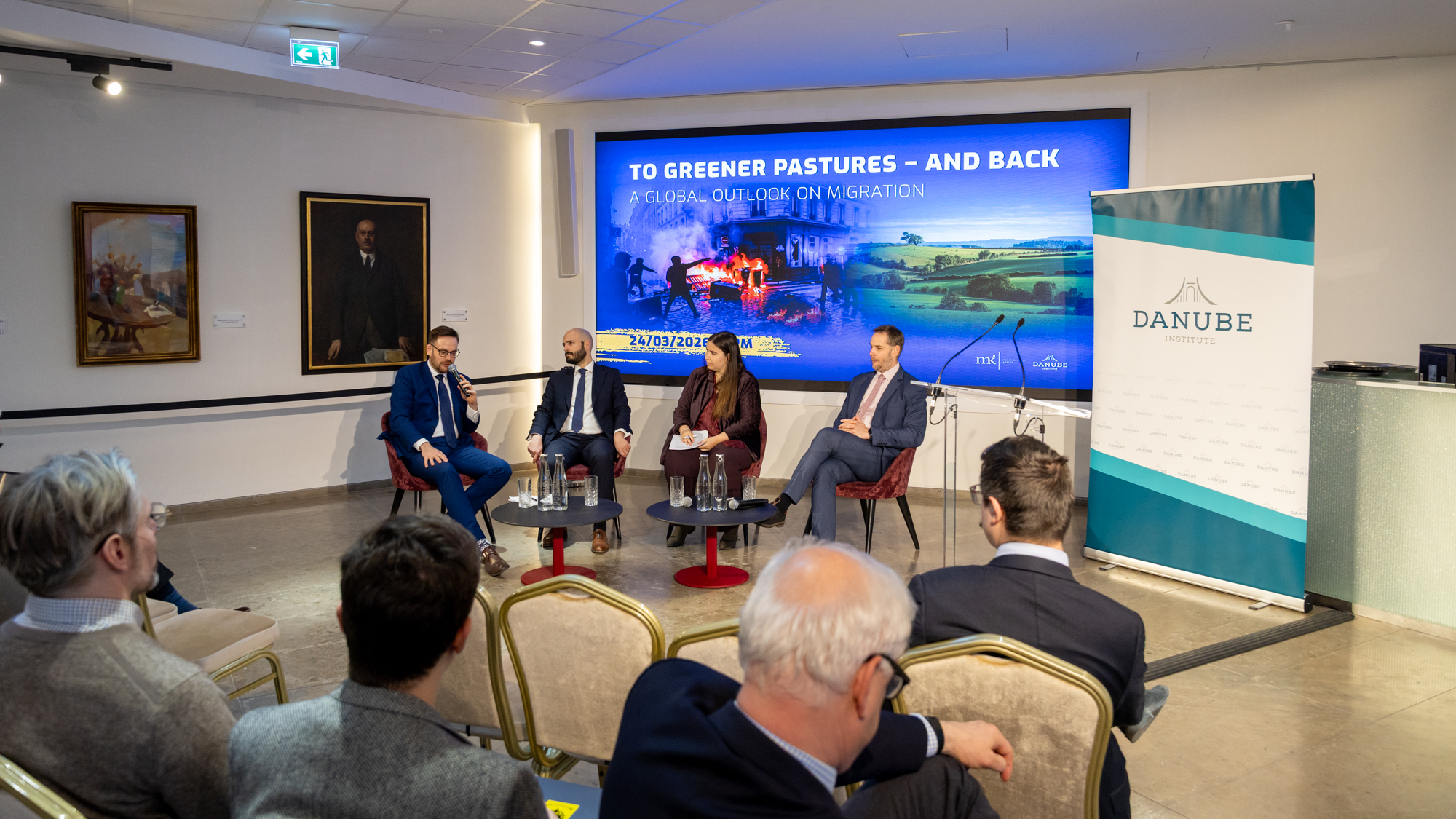
Rising instability across origin countries, transit routes, and destination states is putting global migration systems under increasing strain, experts warned at a panel discussion hosted by the Danube Institute in Budapest.
Moderated by International Director of the Danube Institute Kristóf György Veres, the discussion brought together MCC Visiting Fellow Andres de Castro Garcia, Executive Director of IEAM Beatriz de León Cobo, and Executive Director of the Migration Research Institute Viktor Marsai to examine the shifting dynamics of migration affecting Europe and beyond.
While the panel took a global perspective, the discussion focused heavily on Europe and the pressures building along its external borders. One key concern raised was the potential impact of the ongoing conflict involving Iran.
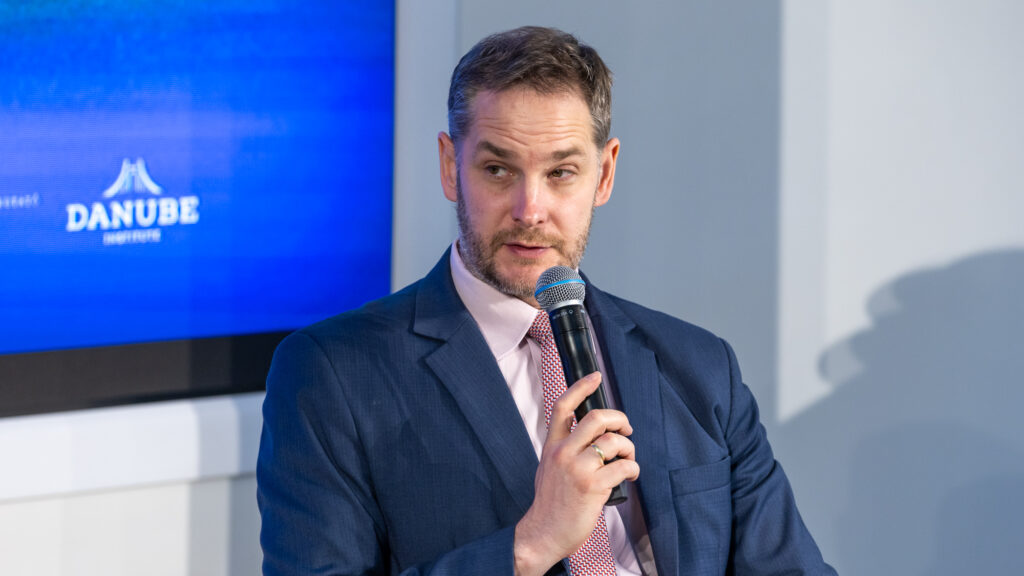
Marsai noted that while a large-scale migration wave is not inevitable, it remains a possibility depending on how long the conflict lasts and whether state structures weaken significantly. He argued that a more immediate concern may lie elsewhere. Even before the current crisis, Iran had begun deporting Afghan migrants back to Afghanistan, raising the prospect that parts of this population could move toward Europe. At the same time, he pointed out that most people displaced by war tend to remain close to their home regions, often seeking refuge in neighbouring countries such as Türkiye or Iraq. The largely sealed Turkish–Iranian border, he added, currently limits irregular crossings, though this could change if migration pressures intensify.
Looking at Africa, de Castro Garcia emphasized the importance of demographic and perceptual factors. High fertility rates combined with widespread perceptions of opportunity in Europe are driving migration decisions. He noted that many prospective migrants hold unrealistic expectations about life in Western countries, often reinforced by networks that profit from facilitating migration. Transit countries also play a critical role. Cooperation between countries such as Morocco and Spain illustrates the complexity of managing migration flows that span multiple jurisdictions, each with its own political and economic constraints.
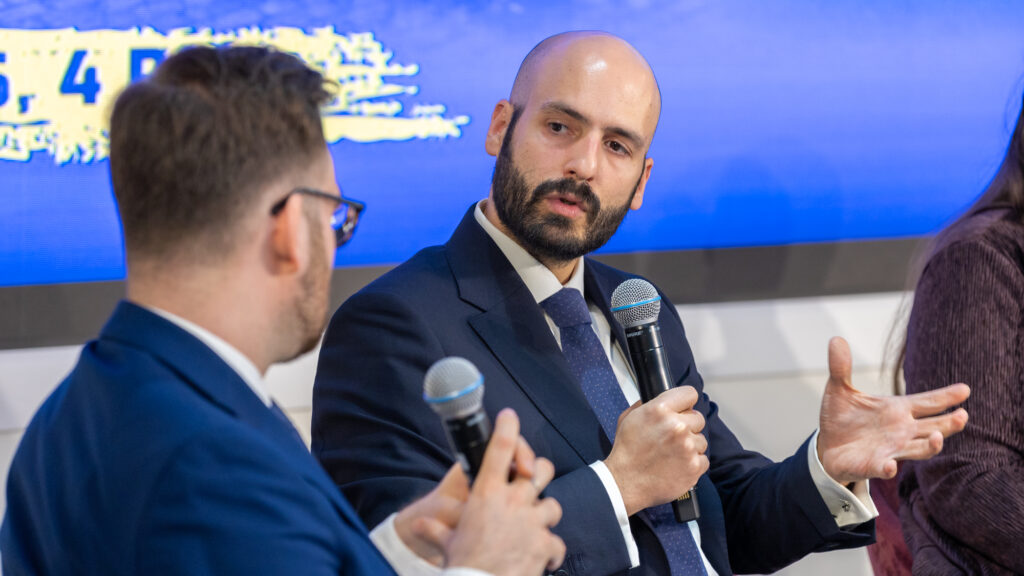
Cobo highlighted Spain’s evolving approach, particularly its use of bilateral agreements with African countries such as Senegal. These agreements go beyond return policies, encompassing cooperation between security and maritime forces, as well as development initiatives aimed at discouraging departures. While early results along routes to the Canary Islands appear promising, she cautioned that it remains unclear whether these measures are sustainable in the long term.
The effectiveness of development aid was a point of contention among the speakers. De Castro Garcia expressed scepticism, arguing that funds often fail to reach their intended targets and can instead reinforce local power structures. He described this dynamic as a ‘hypocrisy cost’, suggesting that European policymakers need a more realistic assessment of how such programmes function in practice.
Marsai offered a more nuanced view, stressing that local involvement is key to successful projects. He cited examples where community participation ensured accountability and long-term viability. However, he also argued that fragmented aid efforts often miss the larger issue: job creation. Without viable employment opportunities, he said, education alone is unlikely to reduce migration pressures.
Cobo agreed, pointing out that economic factors remain the primary driver of migration from Africa. In countries such as Senegal, where around 100,000 young people enter the labour market each year, the lack of job opportunities pushes many to seek prospects abroad.
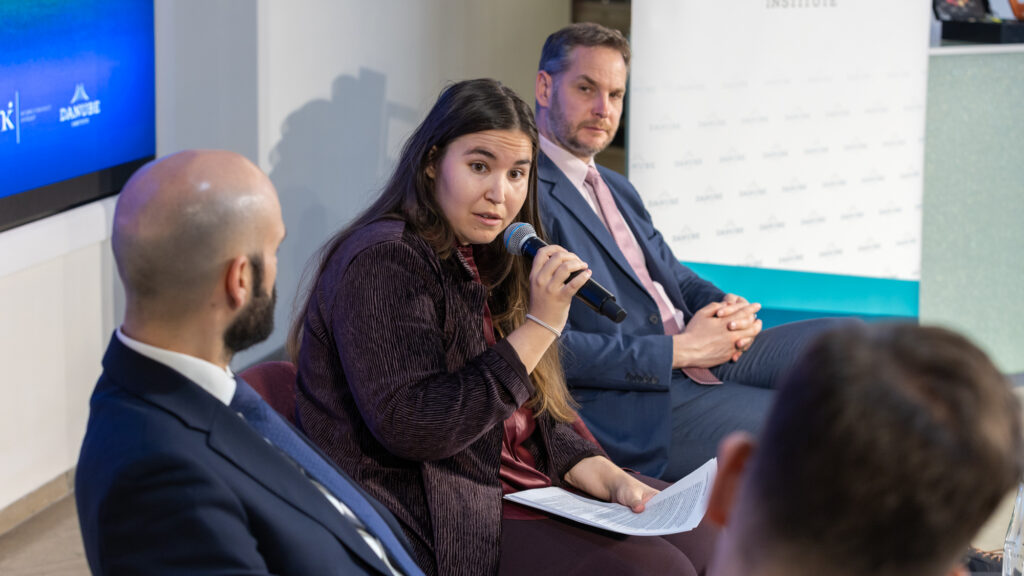
The discussion also turned to political developments within Europe. In Spain, recent efforts to regularize undocumented migrants have sparked controversy. According to the speakers, the proposed measures could allow hundreds of thousands of people to obtain legal status under relatively lenient criteria, only having to prove one has been in the country for five months for example, raising concerns about administrative capacity and long-term integration.
De Castro Garcia argued that migration policy has become deeply politicized, shaped by coalition dynamics and electoral strategies. He also stressed the importance of national sovereignty in determining migration policy, warning that social tensions could increase if integration challenges are not addressed.
At the EU level, Marsai outlined recent changes to asylum policy, including the expansion of ‘safe country of origin’ and ‘safe third country’ concepts. These measures aim to accelerate asylum procedures and reduce pressure on the system, but their effectiveness depends heavily on cooperation from third countries, which may refuse to accept returned migrants.
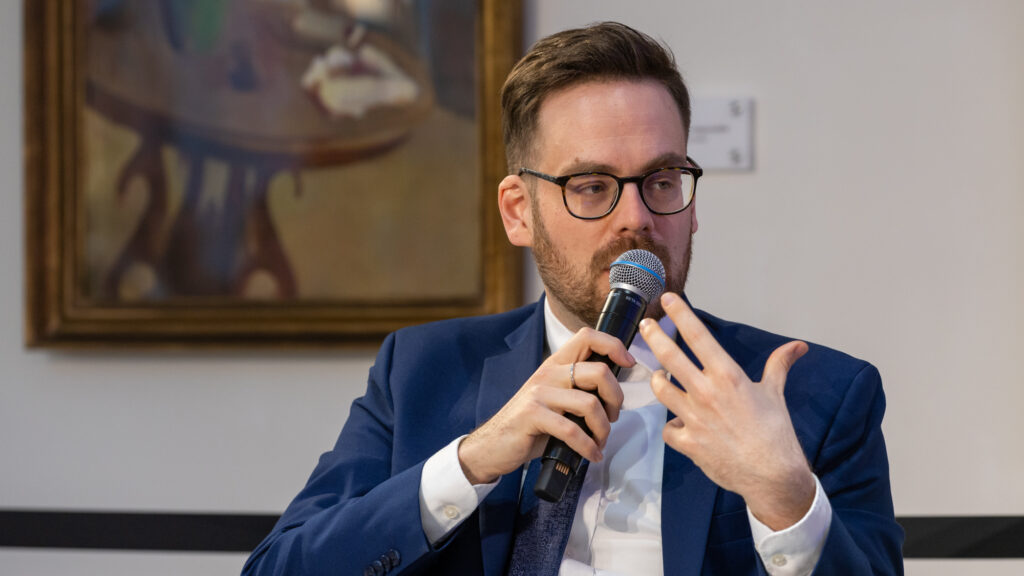
Overall, the panel painted a picture of a migration system under mounting pressure, where economic disparities, political constraints, and geopolitical instability intersect. As Veres noted in closing, the key question may no longer be whether migration systems will come under strain, but where the next breaking point will emerge.
Related articles:
At a time when public debate is increasingly polarized and superficial, Hungarian Conservative remains committed to depth, intellectual honesty, and independent conservative thought.
Producing high-quality journalism requires resources. Your contribution helps us expand our coverage, reach new audiences, and keep our content accessible.

Please consider supporting our mission.