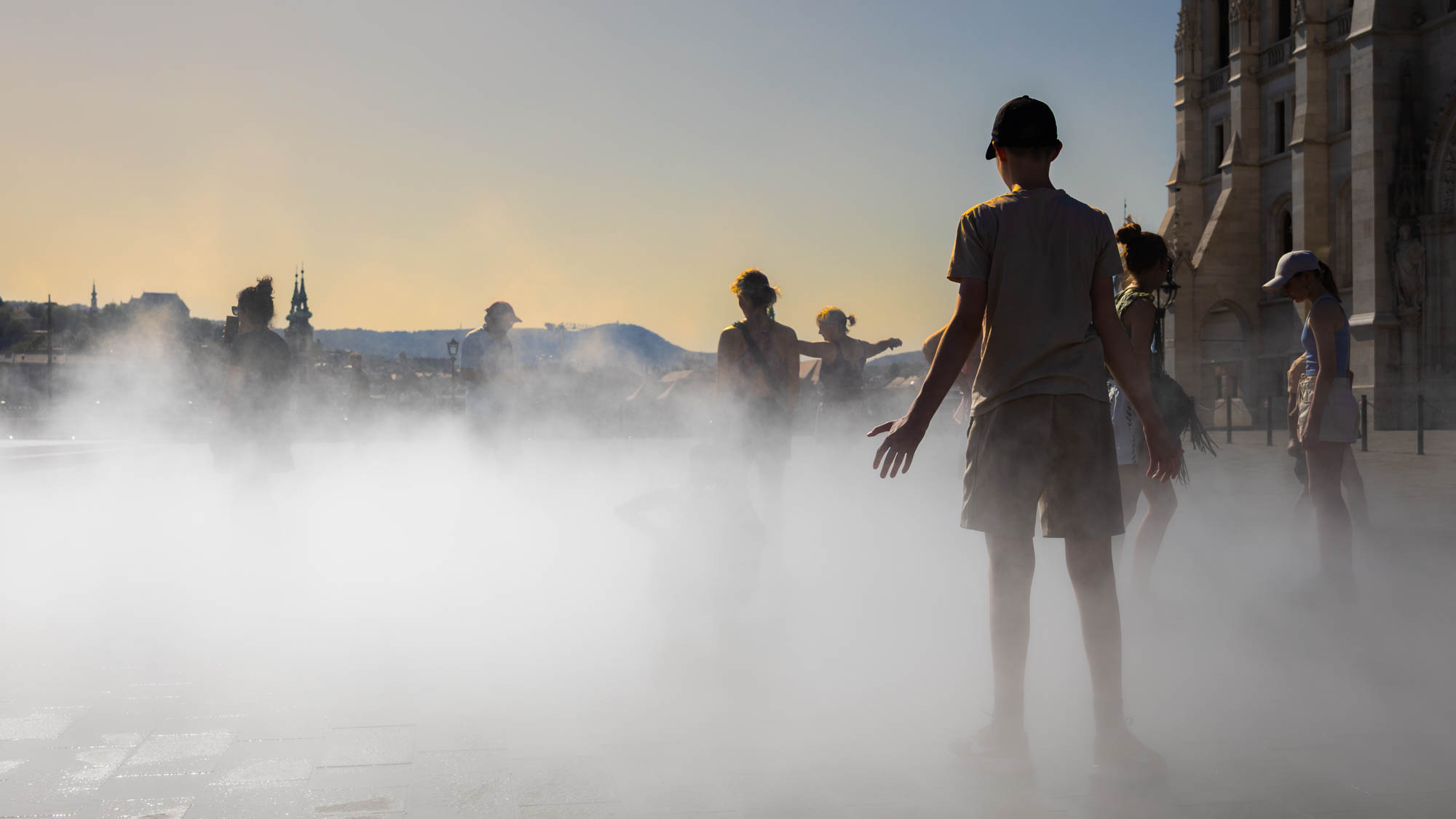
Most Hungarian adults have reduced their electricity and water consumption in response to the ongoing energy crisis, according to a new Europion survey released on Wednesday.
The poll, conducted on 4 August among 1,600 respondents, found that 84 per cent of adults have cut their electricity consumption, with nearly one-third reporting significant reductions. Meanwhile, 78 per cent said they had also reduced their water use.
The most common energy-saving measure was using household appliances less frequently, cited by 50 per cent of respondents. This was followed by reducing garden irrigation (46 per cent), washing cars less often (45 per cent) and limiting air conditioning use (40 per cent).
Only 12 per cent of respondents said they had made no changes to their energy consumption.
The survey found that the government’s handling of the energy crisis received broadly positive ratings overall, with 50 per cent awarding it either a ‘good’ or ‘excellent’ grade. By comparison, 26 per cent rated its performance as either ‘poor’ or merely ‘satisfactory’.
However, opinions differed sharply depending on political affiliation. Among supporters of the ruling Tisza party, 81 per cent gave the government’s response a good or excellent rating. Only 13 per cent of Fidesz supporters did the same, while supporters of Mi Hazánk (Our Homeland Movement) were generally more critical. Respondents who did not vote in April or who support smaller parties tended to express more favourable views.
When asked about the causes of the current crisis, 40 per cent blamed shortcomings of the previous government, while 34 per cent cited extreme weather and climate change. A further 18 per cent said the current government’s lack of preparedness was primarily responsible.
Political preferences also shaped these responses. Among Tisza supporters, 68 per cent blamed the previous Fidesz-led government, whereas 45 per cent of Fidesz voters identified the current government’s preparedness as the main factor behind the crisis.
The survey also examined long-term energy preferences. Only 9 per cent of respondents favoured a future energy system based primarily on nuclear power. By contrast, 42 per cent preferred one centred on renewable energy sources, while another 42 per cent supported an equal mix of nuclear and renewable energy.
Related articles:
At a time when public debate is increasingly polarized and superficial, Hungarian Conservative remains committed to depth, intellectual honesty, and independent conservative thought.
Producing high-quality journalism requires resources. Your contribution helps us expand our coverage, reach new audiences, and keep our content accessible.

Please consider supporting our mission.