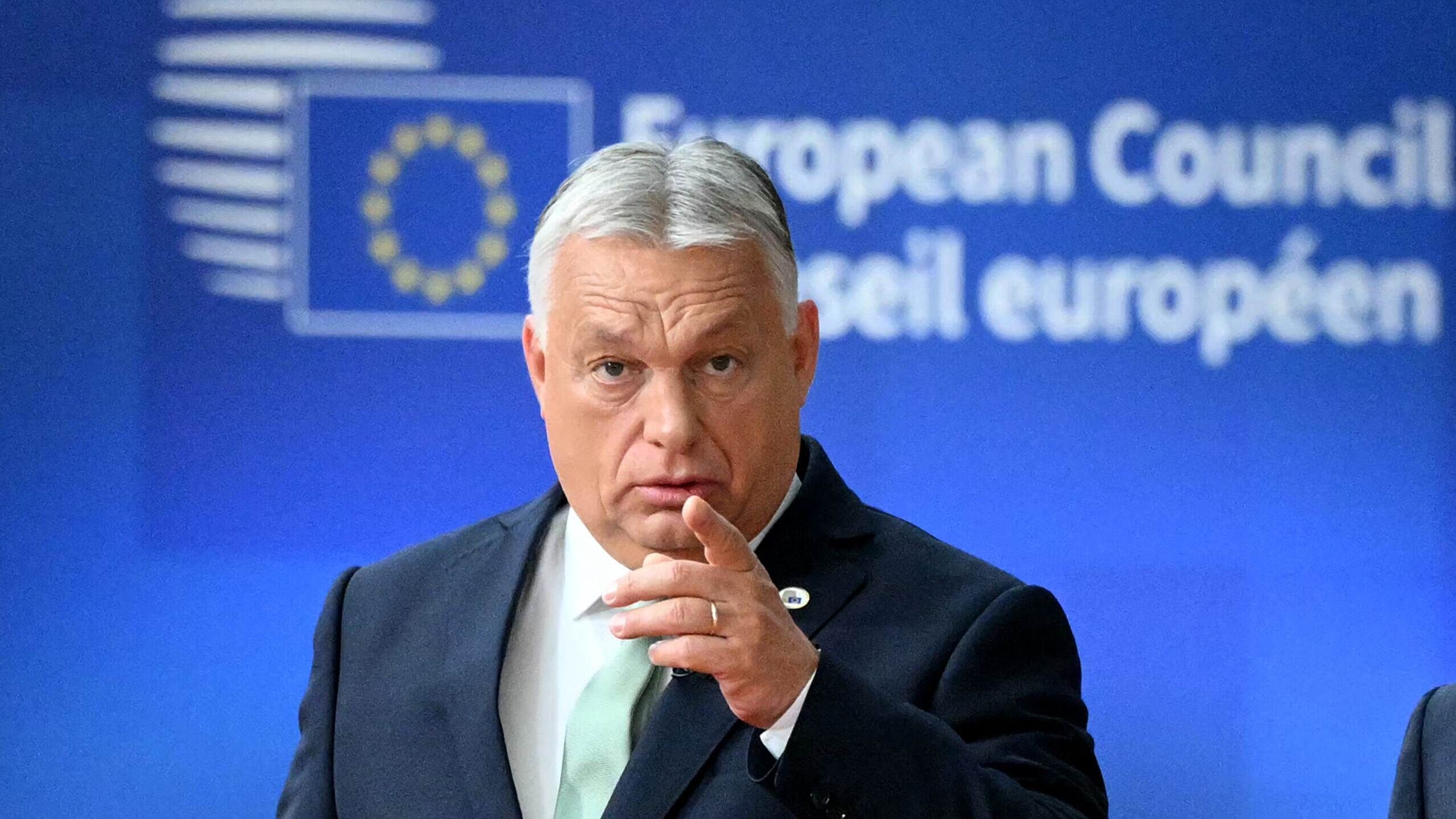
Facebook has begun restricting content from Hungarian Prime Minister Viktor Orbán just weeks ahead of the high-stakes parliamentary election scheduled for 12 April. According to a post on X by right-wing political commentator Mario Nawfal, the move followed a call by a member of the opposition Tisza party, Dóra Dávid—a former employee of Meta—who urged supporters to mass-report Orbán’s posts.
Nawfal also raises questions about the online performance of Tisza leader Péter Magyar, whose engagement figures are described as disproportionately high compared to those of global political figures, despite Hungary’s relatively small and linguistically limited user base. It further alleges that Magyar has used a personal ‘professional mode’ profile rather than an official political page, potentially circumventing Meta’s established rules governing political content.
According to Nawfal, there are also concerns about the neutrality of Meta’s content moderation practices, as a regional official has publicly expressed positions aligned with mainstream European narratives, including pro-Ukraine messaging and content critical of the Hungarian government.
Nawfal’s post was shared by Political Director of the Hungarian Prime Minister Balázs Orbán.
According to another X post by Irish economist Philip Pilkington, the Meta official involved in moderating the content of Prime Minister Orbán is Oskar Braszczyński, Meta’s Government & Social Impact Partner for Central and Eastern Europe. Pilkington points to possible connections of Braszczyński to Hungarian opposition circles, pro-Ukraine positions and broader progressive causes, citing publicly available social media profiles. The post further notes that Braszczyński is Polish and appears to reside outside Hungary, arguing that this raises concerns about foreign influence over political content moderation in the country.
Meta’s censorship comes just days after the European Commission activated the rapid response system, aimed at ‘countering potential disinformation campaigns’ ahead of the Hungarian election. Commission spokesperson Thomas Regnier confirmed that the mechanism—agreed upon by 44 signatories, including major platforms such as Meta and TikTok—will operate until one week after the vote.
Describing the system as voluntary, Regnier stated that it involves cooperation between technology companies, fact-checkers, and civil society organizations to ensure that suspected foreign interference, particularly from Russia, is swiftly identified and addressed.
Claims about Russian interference in the Hungarian election have intensified in recent weeks after a report by Hungarian outlet Direkt36 alleged that Russian military intelligence (GRU) deployed an operative team in Hungary to influence the vote. The report, however, provides no evidence to substantiate these allegations.
Related articles:
At a time when public debate is increasingly polarized and superficial, Hungarian Conservative remains committed to depth, intellectual honesty, and independent conservative thought.
Producing high-quality journalism requires resources. Your contribution helps us expand our coverage, reach new audiences, and keep our content accessible.
Please consider supporting our mission.