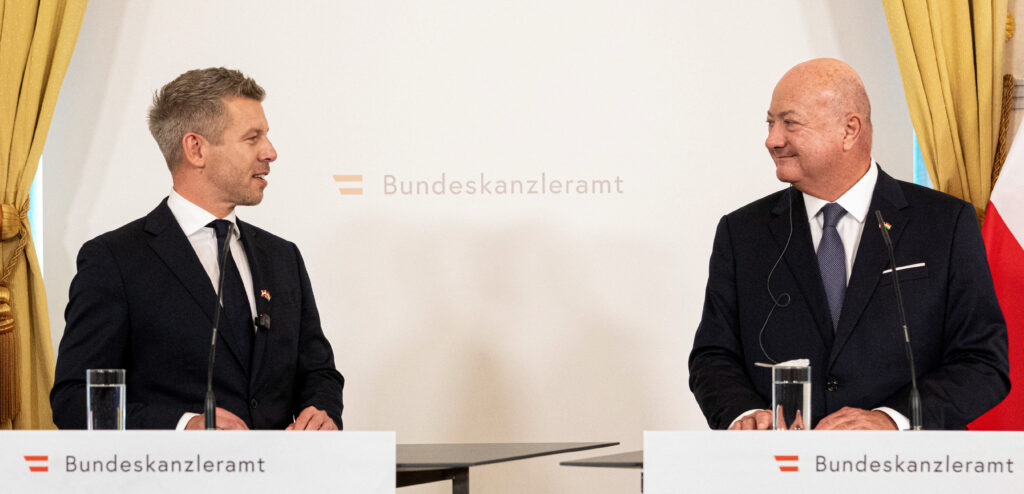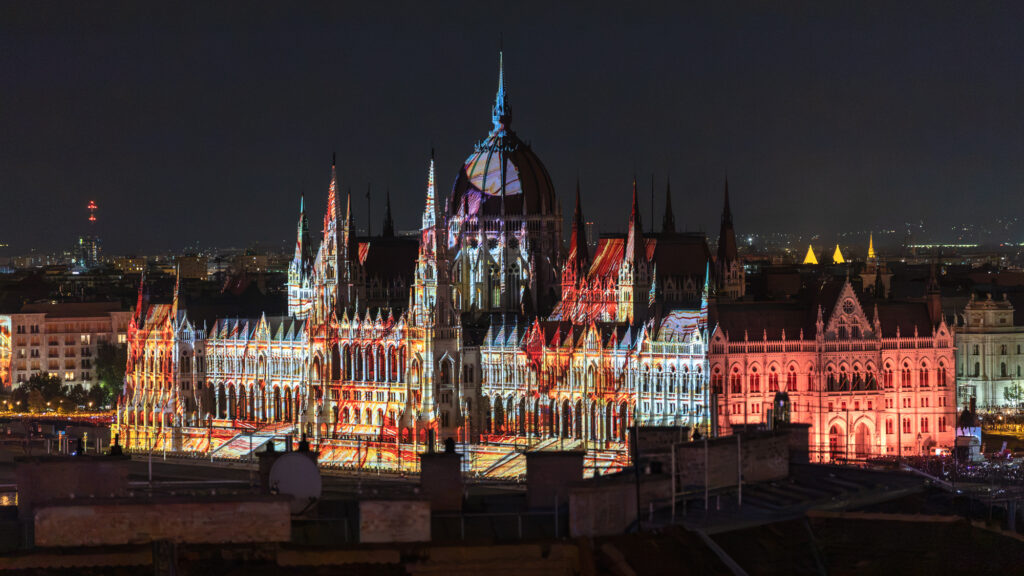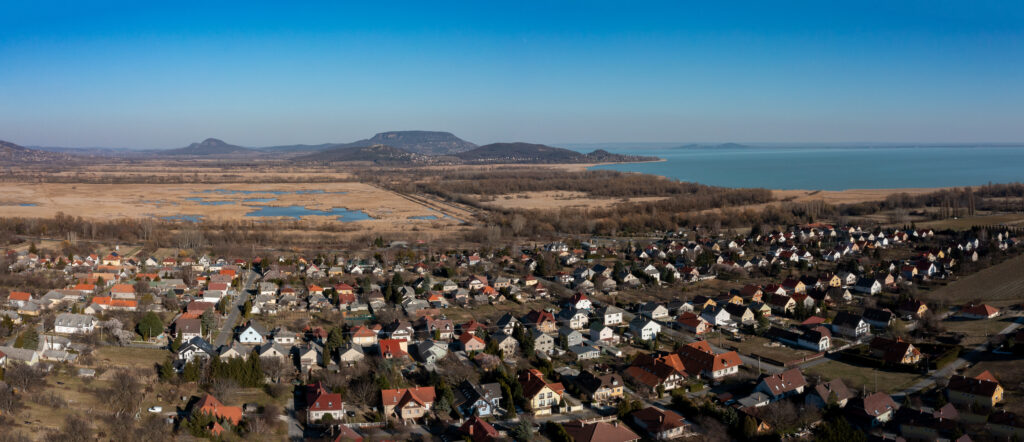
Hungary’s only nuclear power plant will stop generating electricity for the first time in its 44-year history as record-low Danube levels collide with another scorching heatwave, Prime Minister Péter Magyar said on Sunday, 2 August.
‘We are facing the most critical five days ahead,’ Magyar said in a video message. ‘Tomorrow, the Paks power plant will not be generating, while the hottest, 40-degree days are ahead.’ He said the grid, public services and households would come under ‘enormous strain’ and asked businesses and citizens to reduce or reschedule consumption between 5pm and 10pm.
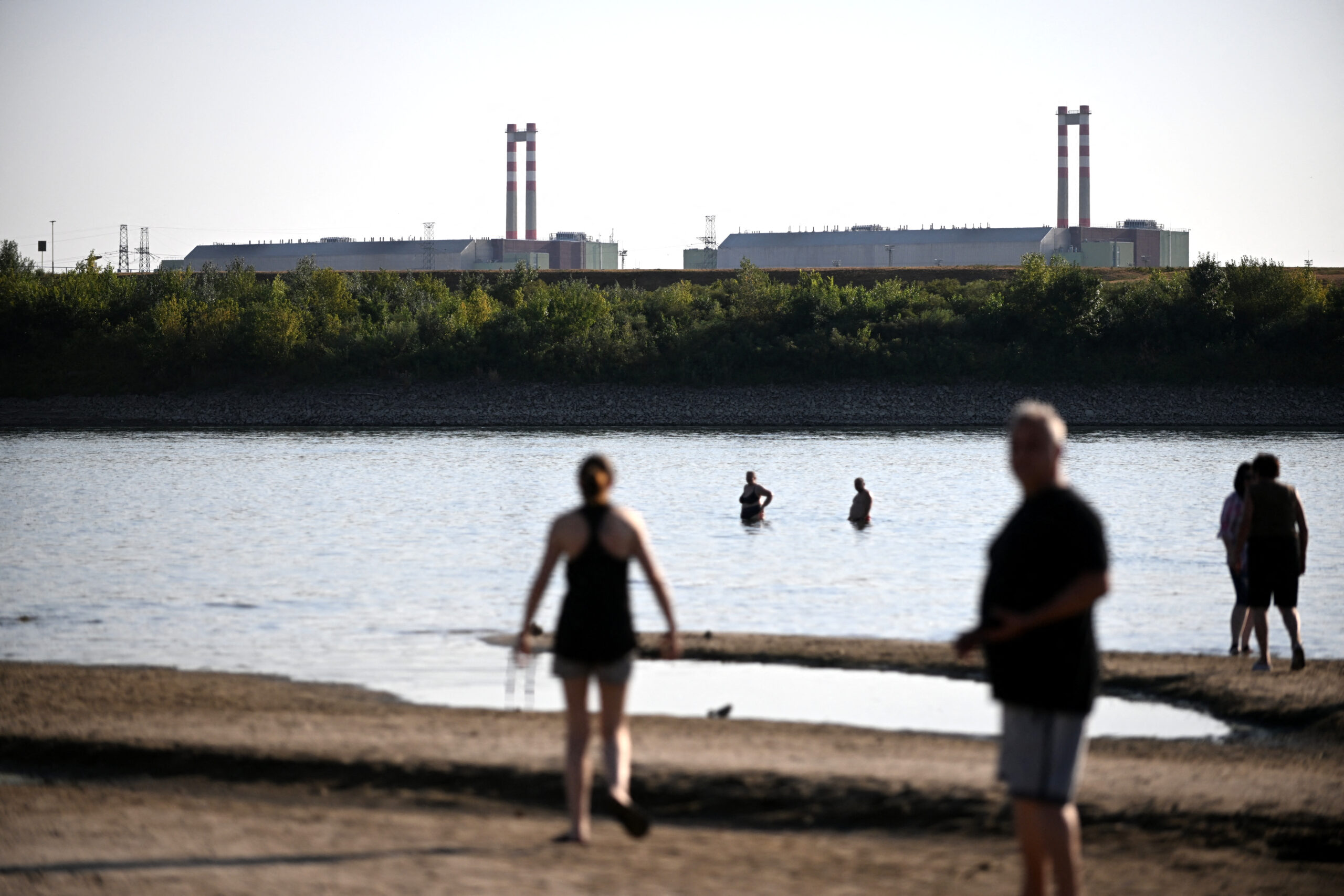
Paks’s four Russian-built reactors have a combined capacity of about 2,000 megawatts, but only Unit 2 remained online on Sunday afternoon, producing 234 MW. The problem is not a reactor failure: prolonged heat and drought have driven the Danube to record lows, leaving the plant’s existing intake pumps unable to draw enough cooling water for generation. Shut-down reactors require far less water and can be kept safe with emergency systems.
The Tisza government says the natural emergency exposed an inherited infrastructure failure. Economy and Energy Minister István Kapitány claims that a new low-water pumping station costing roughly HUF 10 billion could have prevented the shutdown and has ordered an inquiry into why it was not built. MVM, nevertheless, had launched several related investments over the past 16 years, including a low-water cooling programme, pump maintenance and replacement projects, although it is not clear the investment Kapitány mentioned was included or planned.
Paks normally supplies around 40 per cent of Hungary’s domestic electricity generation, making it the country’s largest stable source when solar production falls after sunset. Its separate €12.5 billion expansion, awarded without an open tender to Russia’s Rosatom in 2014, became a defining symbol of Viktor Orbán’s relationship with Moscow. After his April election defeat, Orbán acknowledged the long delay to Paks II as a serious failure of his government, arguing that Hungary would otherwise already have more electricity available at lower prices.
‘Orbán acknowledged the long delay to Paks II as a serious failure of his government’
Prime Minister Magyar also framed the present shortage as at least partly avoidable had the expansion been completed on schedule, arguing that the loss of Paks I would have been considerably easier to absorb if the two new reactors were already running.
Fidesz parliamentary leader János Bóka rejected Tisza’s attempt to place responsibility on the former government, arguing that worsening river forecasts gave Magyar’s administration weeks to prepare reserves and demand cuts. André Palóc, the group’s economic spokesperson, said the government had not solved the shortage but merely transferred its costs to industrial users and consumers.
The government moved on Saturday to announce a decree targeting large industrial consumers, requiring them to cut use and allowing MAVIR, Hungary’s electricity system operator, to disconnect companies that refuse. The government task force will decide later on Sunday whether to implement the mandatory industrial-consumption reduction system from Monday.
Major industrial consumers have already pledged between 400 and 500 MW in voluntary reductions, according to Kapitány. The largest commitments include 63 MW from MOL Petrochemicals, 32.8 MW from Samsung SDI’s battery plant in Göd, 22.5 MW from Hungary’s state railway-infrastructure operator, and 22 MW each from battery manufacturer SK On Hungary and the Audi Hungaria automotive plant.
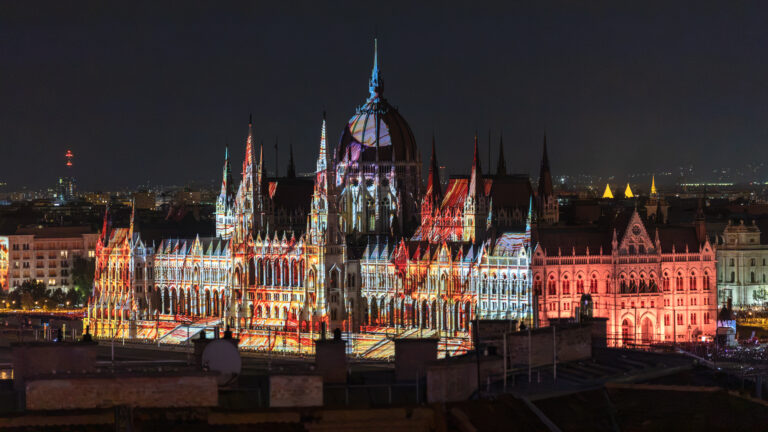
Magyar also asked shopping centres to reduce cooling, municipalities and churches to switch off decorative lighting, and households to postpone tasks that would consume significant amounts of electricity, such as air conditioning and charging, to avoid the critical period between 5pm and 10pm. According to the prime minister, the public is playing its part in tackling the crisis: Saturday’s electricity demand was about 500 MW below MAVIR’s forecast.
A similar emergency situation occurred in Romania, with Bucharest moving to shut down both reactors at Cernavodă, which normally provide about one-fifth of the country’s electricity. Officials expect disruption for a period of one or two weeks.
Magyar said Foreign Minister Anita Orbán had opened talks with Austria, Slovakia and Germany over emergency electricity-supply options, while the government was also consulting neighbouring Danube countries on whether coordinated water-management measures could help limit the river’s further decline.
In a show of solidarity, Slovak Prime Minister Robert Fico offered Bratislava’s help if Hungary’s energy security was threatened, calling the crisis ‘unprecedented’ in scale.
‘Prolonged shortages could lead to rolling outages’
Acting head of state and parliamentary speaker Ágnes Forsthoffer summoned Magyar for an ‘urgent briefing’ on the measures already taken and those still planned on Monday morning. The leaders of all parliamentary groups have also been invited, potentially setting the stage for a heated debate over the causes and management of the crisis. Both Fidesz and its former junior governing partner, KDNP accepted the invitation, while the hard-right Our Homeland (Mi Hazánk) is also expected to attend.
In Paks, a town of 17,000, the negative impacts of the crisis are already visible. As the last operating unit prepares to go offline, about 6,000 residents across 2,771 flats, together with 181 public institutions, are expected to lose hot water after the plant’s complete shutdown; the municipality is installing electric boilers, opening public showers and deploying shower containers.
Elsewhere, household electricity cuts remain a last resort rather than an announced measure, but analysts warned that prolonged shortages could lead to rolling outages, with individual residential districts disconnected for one to three hours before supply is restored and restrictions move elsewhere.
Related articles:
At a time when public debate is increasingly polarized and superficial, Hungarian Conservative remains committed to depth, intellectual honesty, and independent conservative thought.
Producing high-quality journalism requires resources. Your contribution helps us expand our coverage, reach new audiences, and keep our content accessible.

Please consider supporting our mission.