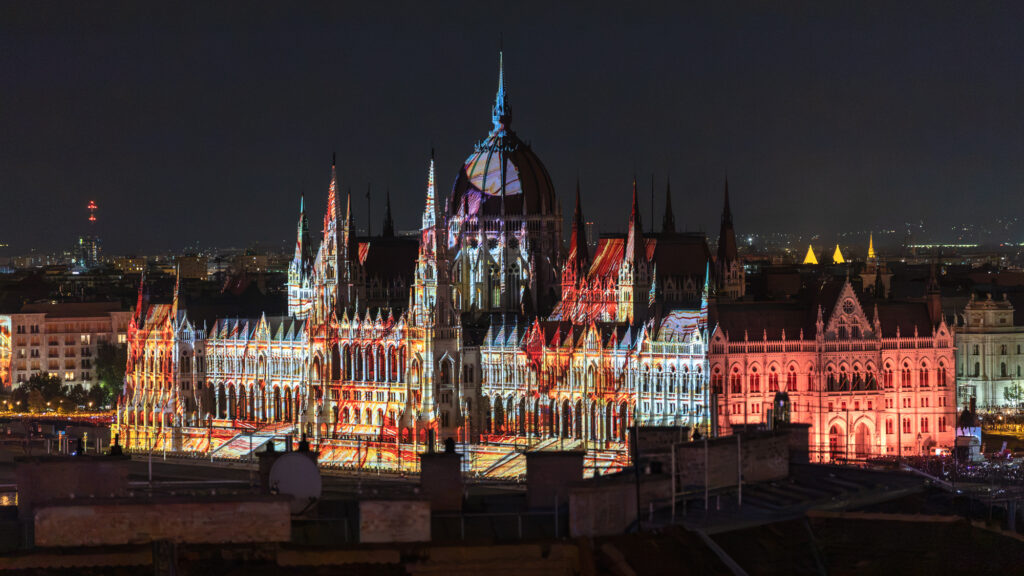
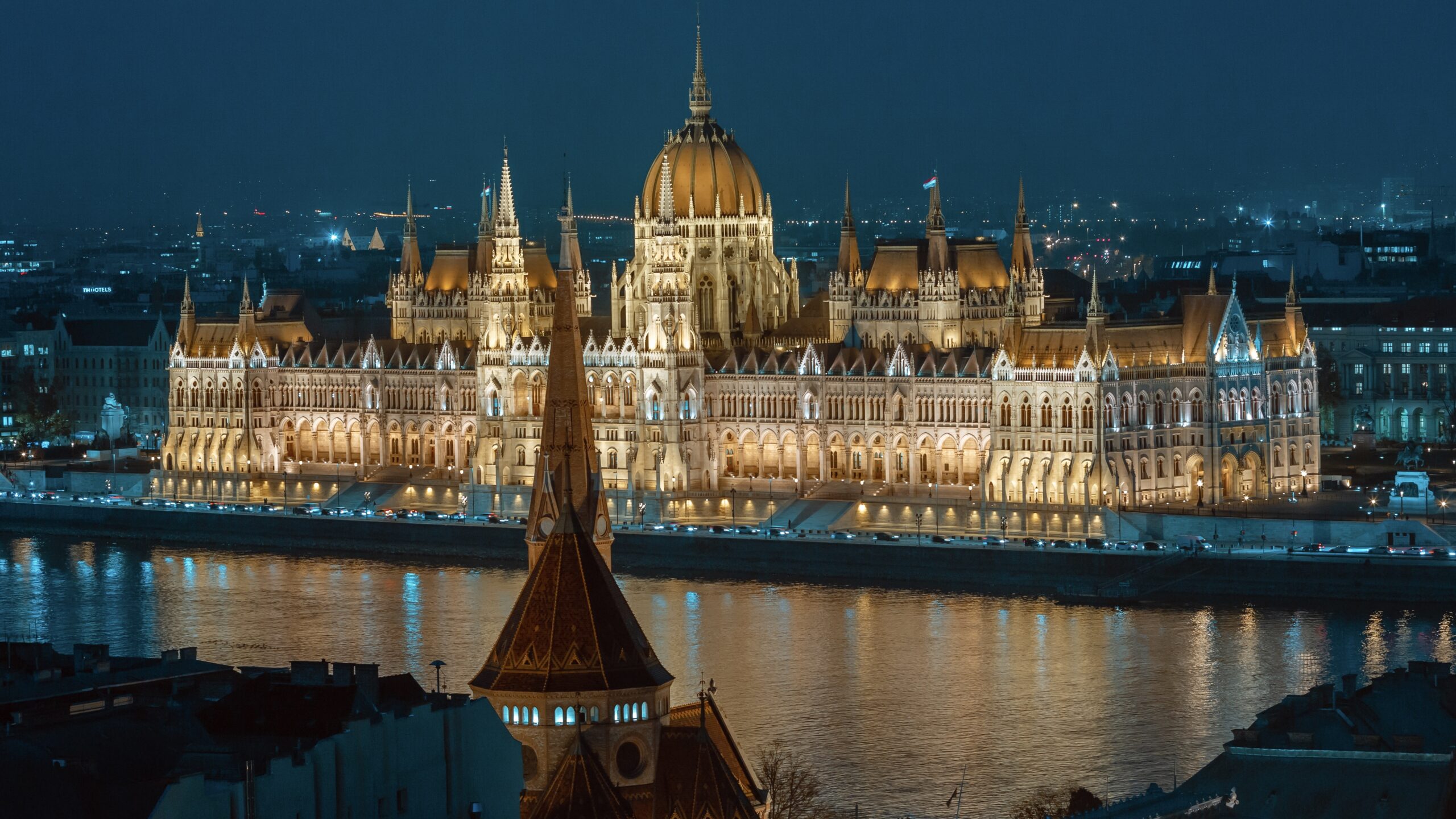
Hungary’s parliament will hold a two-day session next week, with lawmakers expected to vote on a constitutional amendment that would limit the maximum time a prime minister can serve in office to eight years.
According to Deputy Speaker Anikó Hallerné Nagy of the Tisza Party, Monday’s sitting will be the final regular session of the spring parliamentary term. Any meetings held during the summer will be classified as extraordinary sessions, although standing committees will continue to meet throughout the recess.
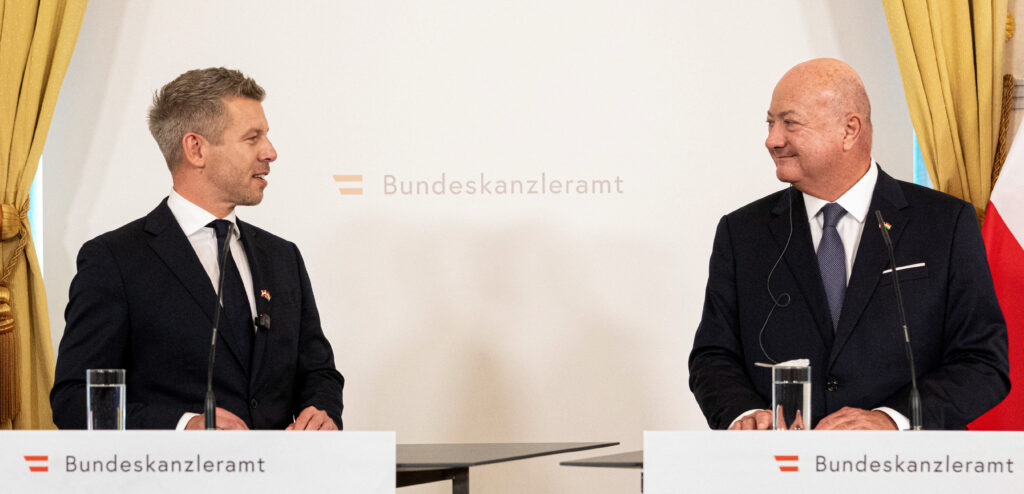
The session is expected to begin with a pre-agenda address by Prime Minister Péter Magyar, followed by interpellations and parliamentary questions.
Lawmakers will then vote on the 16th amendment to Hungary’s Fundamental Law. In addition to introducing an eight-year term limit for prime ministers, the amendment would address the future of public interest asset management foundations and lay the groundwork for the dissolution of the Sovereignty Protection Office.
Parliament is also scheduled to decide on the establishment of a committee tasked with investigating alleged abuses related to enforcement proceedings. Lawmakers will additionally vote on whether to suspend the parliamentary immunity of Mi Hazánk (Our Homeland Movement) leader and parliamentary group chairman László Toroczkai.
Monday’s agenda will conclude with immediate questions, regular questions and post-agenda speeches.
On Tuesday, which will be held as an extraordinary sitting, members of parliament will commemorate the anniversary of the reburial of former Prime Minister Imre Nagy and his fellow martyrs before turning to a series of general debates.
Among the most significant items on the agenda are legislative proposals linked to Hungary’s efforts to regain access to European Union funds, reforms to the teacher performance evaluation system, and amendments to financial sector legislation aimed at aligning Hungarian law with European regulations.
Hallerné Nagy noted that the package of laws related to EU funding will be debated as a formal European Union agenda item.
Parliament will also discuss amendments to its procedural rules to facilitate the legislative work required under Hungary’s commitments related to unlocking EU funds.
The proposed changes would temporarily increase the number of urgent legislative procedures that can be initiated each half-year. Until 1 January 2027, the maximum number of urgent procedures would rise from six to fifteen, while the cap on exceptional procedures would increase from four to ten.
According to Hallerné Nagy, the temporary measures are intended to support the accelerated legislative timetable required to meet Hungary’s obligations, after which the normal pace of lawmaking would be restored.
Related articles:
At a time when public debate is increasingly polarized and superficial, Hungarian Conservative remains committed to depth, intellectual honesty, and independent conservative thought.
Producing high-quality journalism requires resources. Your contribution helps us expand our coverage, reach new audiences, and keep our content accessible.
Please consider supporting our mission.