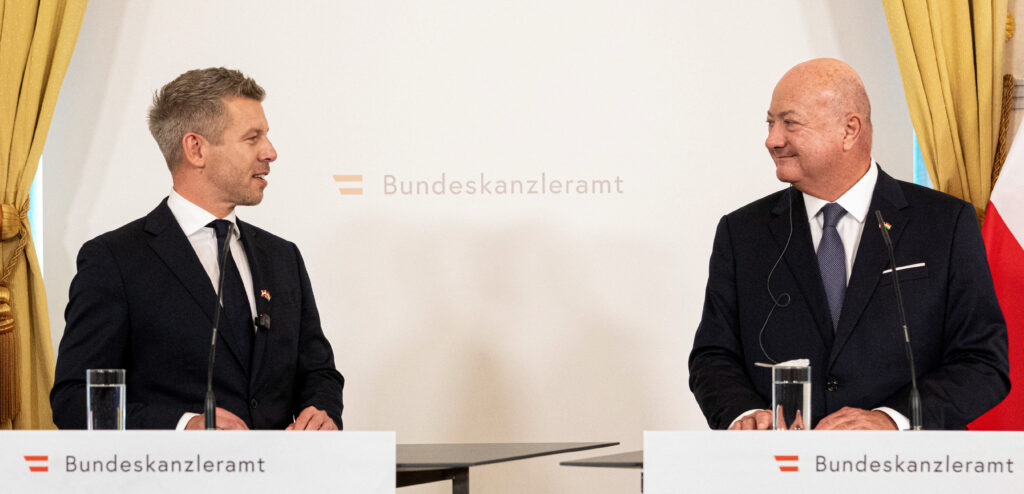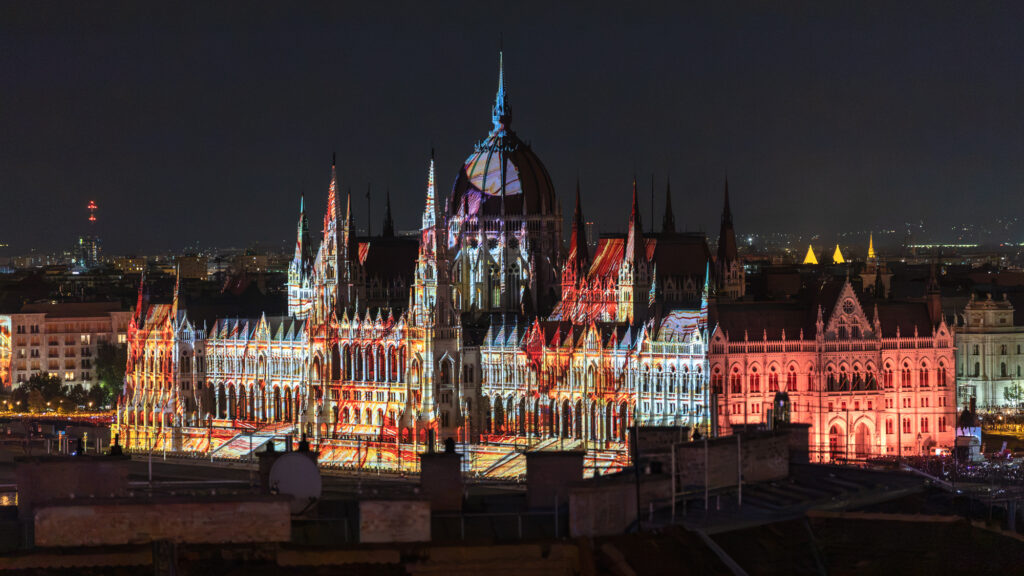
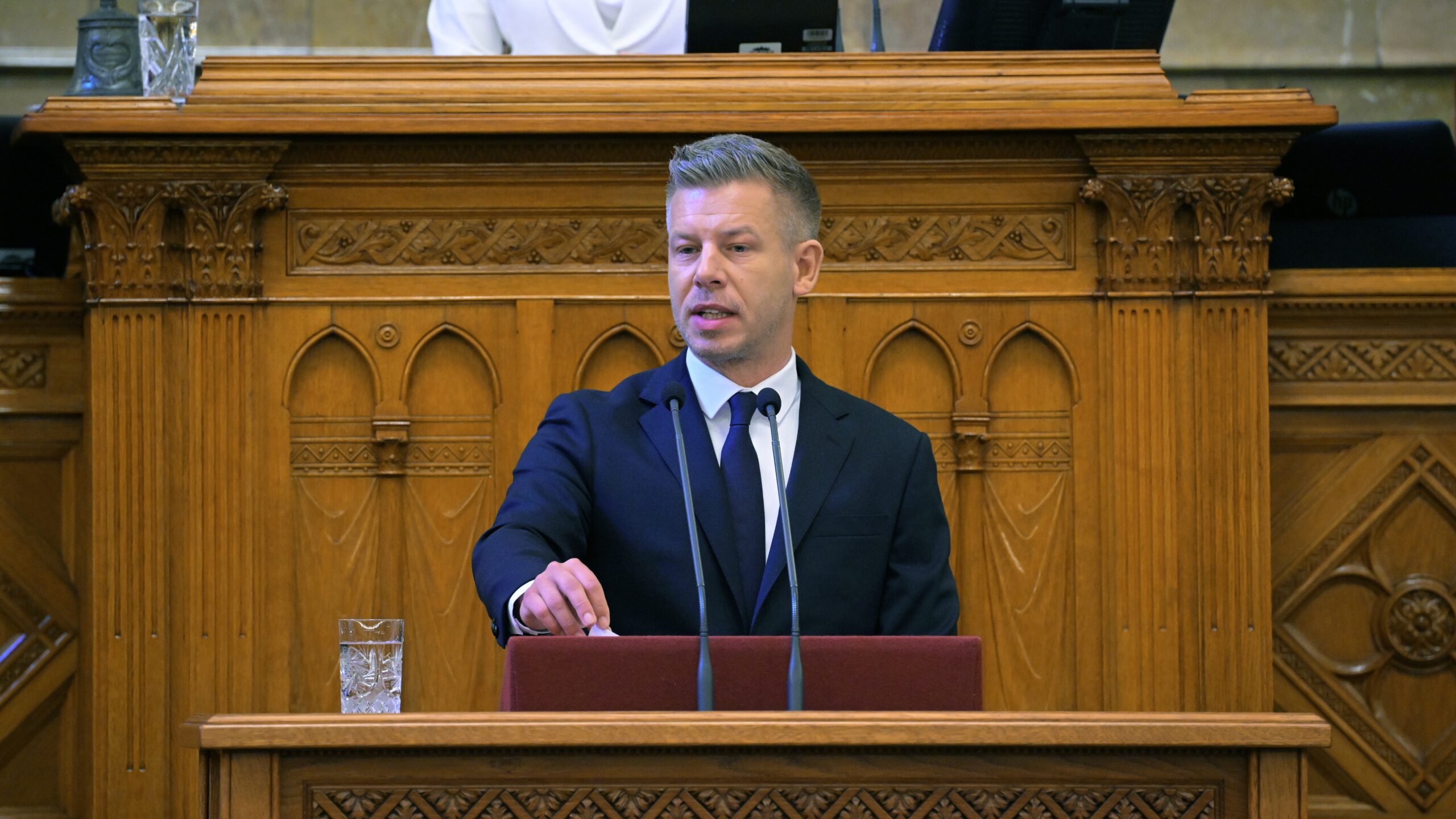
Hungarian Prime Minister Péter Magyar said Central Europe is ‘present, strong, and ready to shape its own future’ as he outlined his expectations for Tuesday’s meeting of the Visegrád Group (V4) leaders in Hungary.
Addressing Parliament before the day’s agenda, Magyar described Central Europe as home to more than 65 million people, one of Europe’s most important industrial regions, a key driver of the European Union’s economic growth and an increasingly significant contributor to the continent’s security.
‘If we do our job well, in a few decades Central Europe’s story will be remembered as one of progress, self-confidence, peace and cooperation,’ the prime minister said. He added that future generations could look back on this period as the time when the region’s countries recognized their own strength, rebuilt mutual trust and helped shape Europe’s future together.
Magyar called on the four V4 members—Hungary, the Czech Republic, Poland and Slovakia—to work together to become stronger than ever before.
Recalling the group’s founding in 1991, he said Central European leaders recognized after the fall of communism that freedom alone would not guarantee success. Instead, they understood the need to build democratic institutions, economic cooperation and the rule of law, while acknowledging that these goals could be achieved more effectively together than individually. He noted that disagreements and competing national interests existed even then, but leaders placed greater importance on their shared future.
The prime minister argued that under the previous Orbán government, the Visegrád Group had reached a low point, despite serving the interests of neither Hungary, the region, nor Europe. According to Magyar, Hungary lost the trust of its regional partners, cooperation within the V4 weakened, and the country fell behind many of its Central European neighbours across a range of economic indicators.
At the same time, he acknowledged that Hungary continues to have disagreements with neighbouring countries, including serious differences with Slovakia regarding the rights of ethnic Hungarians living abroad. However, he stressed that regional cooperation does not require agreement on every issue but should instead be based on the recognition of shared history, geography and common interests.
‘The thousand-year friendship between Hungary and Poland cannot be destroyed by a few misguided years’
Magyar confirmed that he will meet his V4 counterparts in Gödöllő on Tuesday. He also said it was no coincidence that his first foreign visit after winning the election was to Warsaw, arguing that restoring Hungarian–Polish trust, rebuilding Visegrád cooperation and resuming regular political dialogue are all in Hungary’s national interest. ‘The thousand-year friendship between Hungary and Poland cannot be destroyed by a few misguided years,’ he said.
Looking ahead, the prime minister identified transport and energy connectivity, coordinated development policy, joint support for strategic investments and the creation of a competitive economic environment as key priorities for V4 cooperation. He also highlighted the importance of strengthening partnerships in higher education, research and innovation, alongside rebuilding political trust.
Related articles:
At a time when public debate is increasingly polarized and superficial, Hungarian Conservative remains committed to depth, intellectual honesty, and independent conservative thought.
Producing high-quality journalism requires resources. Your contribution helps us expand our coverage, reach new audiences, and keep our content accessible.
Please consider supporting our mission.