Prime Minister Keir Starmer of the United Kingdom announced his resignation as both Prime Minister and Leader of the Labour Party on Monday, 22 June.
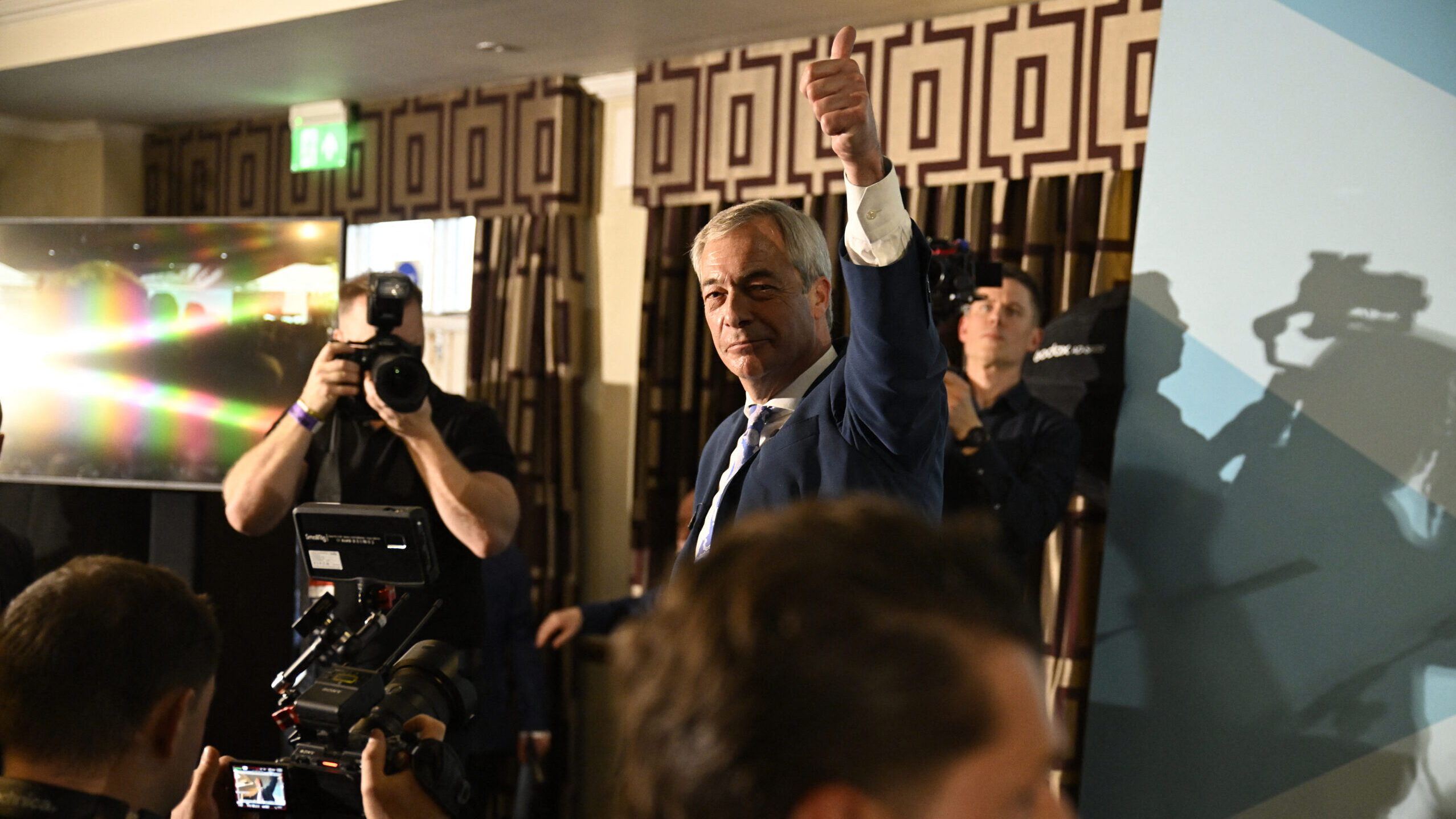
In response, the Leader of the right-wing populist Reform UK Party, Nigel Farage, posted a public video message on his social media pages in which he calls for a new general election rather than having sitting Labour MPs choose the next head of the British government.
As Farage himself points out in his video, Prime Ministerial resignations are certainly not unique occurrences in UK politics lately.
‘Unbelievably, we are about to have our sixth Prime Minister in seven years. I remember growing up thinking Italy was totally ungovernable as they went through a new Prime Minister every year, and yet that’s where we are here.’
David Cameron quit the position on its own volition in 2016 following the Brexit referendum vote (spearheaded by Farage). Theresa May resigned in 2019 due to delays and deadlocks in the Brexit negotiations with the EU, while her successor, Boris Johnson, also resigned in 2022 following a scandal over his breaking of strict COVID-19 pandemic restrictions. Liz Truss holds the record for the shortest premiership in British history, only having served between September and October 2022. She resigned after her own Conservative Party lost confidence in her fiscal policy.
She was followed by Rishi Sunak, who managed to get to the next general election—all these British PMs listed above were from the Conservative Party. In July 2024, the Labour Party won the election with a large majority in parliament, and Keir Starmer became the first Prime Minister the left-wing party delegated since Gordon Brown.
Now that Starmer is leaving office as well, Farage believes a new general election is the best way to select his successor, as Labour had advocated at times when Conservative Party prime ministers resigned in recent years.
‘I have no idea whether there will be a contest or a “coronation”. What I do know is that the British public have simply had enough of political parties chopping and changing their leaders at will.
We vote for somebody in a general election to be our Prime Minister. We expect them to serve their term. And barring ill health or exceptional circumstances, what is going on here is frankly reminiscent of a banana republic that has totally devalued the very process of general elections and democracy.
I demand, we at Reform demand a general election. After all, when the Conservatives were chopping and changing Prime Ministers, Labour kept saying that there should be a general election,’ Farage stated in his video message.
Why Did Keir Starmer Resign?
Starmer’s approval rating has been in the 20s since the end of the year he was elected, in 2024. Despite Labour winning a large number of seats, the party received only 33.7 per cent of the popular vote, while the right-wing vote was split between the Conservative Party and the surging new populists, Reform UK.
In July 2024, the very month PM Starmer took office, the Southport stabbings prompted anti-immigration riots across England and Northern Ireland. Frustrations with mass migration prevailed from the time of Tory governments, although PM Starmer did try to mitigate the issue with harsher rhetoric on illegal immigration.
Generally, the high cost of living and energy prices, which were only worsened by the US–Israel war with Iran, also contributed to the low popularity of the Labour government. After his party lost nearly 1,500 seats in the English council elections in May 2026, calls for PM Starmer to resign within his own political group intensified.
Andy Burnham ran in the Makerfield by-election earlier this month with the specific campaign promise of challenging PM Starmer for Labour leadership. Burnham won in a landslide, which made Starmer’s position untenable as Prime Minister and head of Labour.
Related articles:
At a time when public debate is increasingly polarized and superficial, Hungarian Conservative remains committed to depth, intellectual honesty, and independent conservative thought.
Producing high-quality journalism requires resources. Your contribution helps us expand our coverage, reach new audiences, and keep our content accessible.

Please consider supporting our mission.