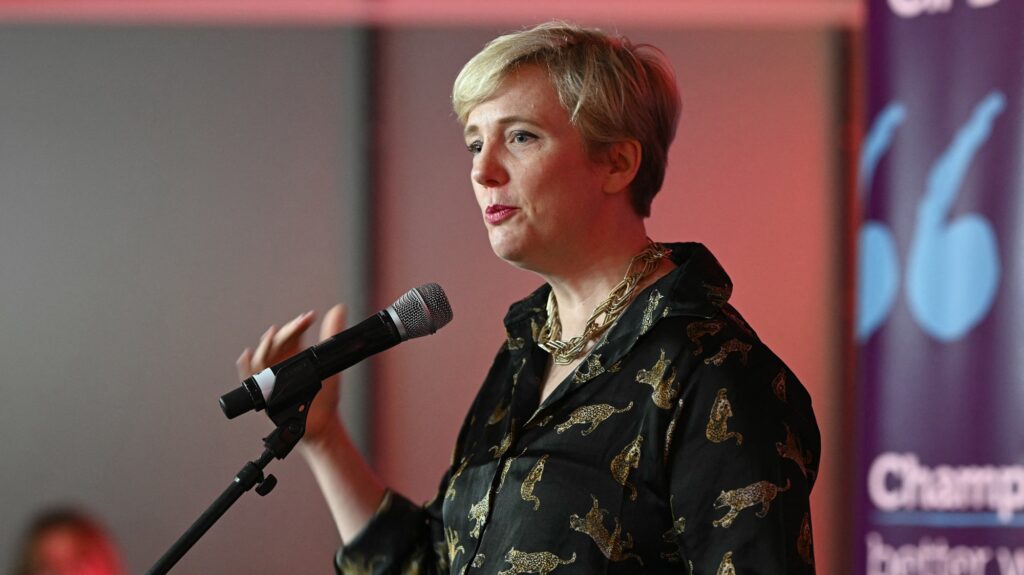
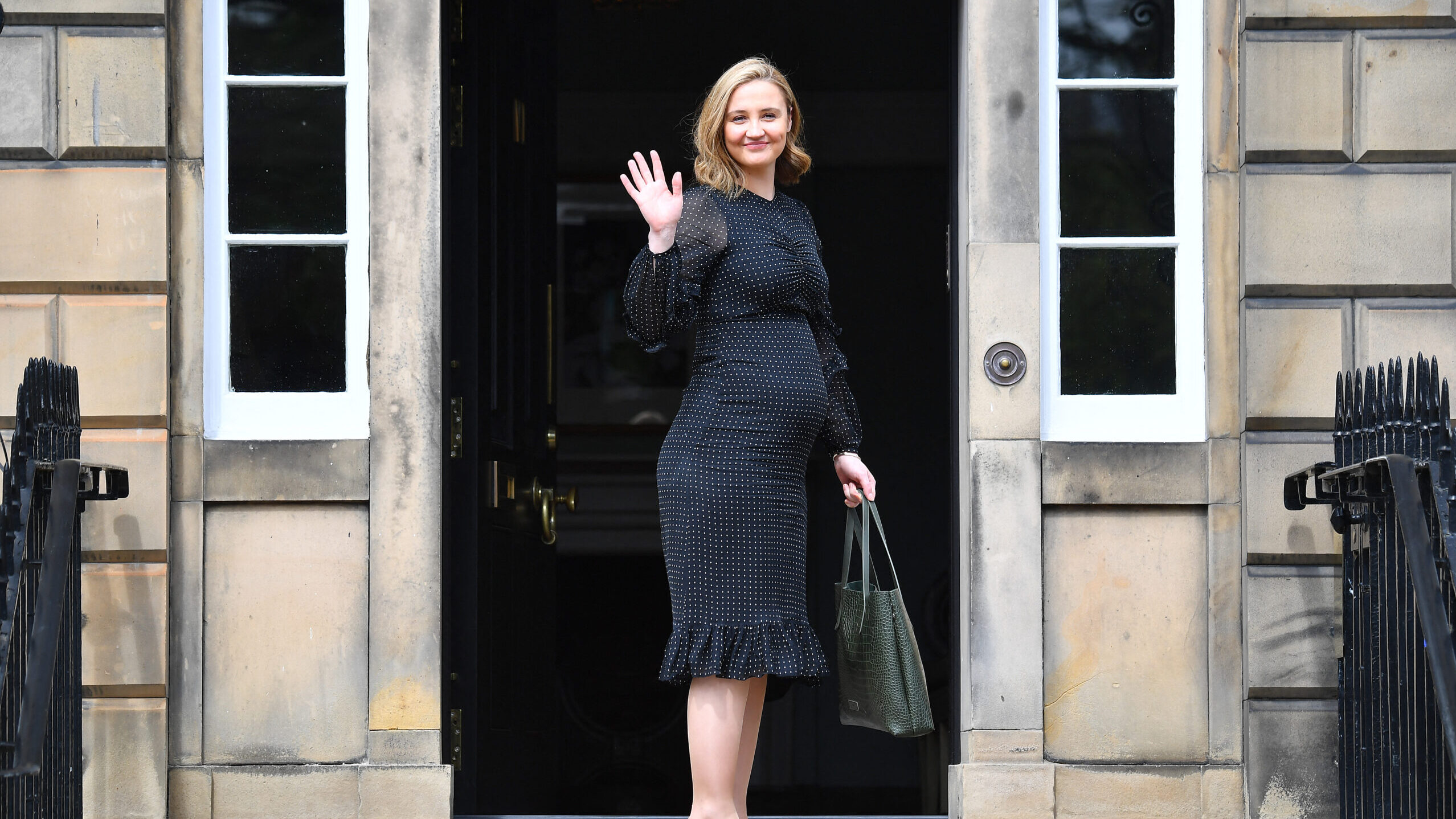
Scottish National Party (SNP) minister Mairi McAllan claimed that ‘too few’ migrants are coming to Scotland, arguing that migration is ‘good and necessary’ for the country’s economy. Speaking during a televised debate ahead of the upcoming Holyrood election, McAllan, who serves as housing secretary, added that Scotland is a ‘welcoming nation’ and maintained that migration plays a crucial role in sustaining economic growth.
Her remarks exposed sharp political fault lines among the parties contesting the upcoming parliamentary race, while also illustrating the growing divide between elite and public perceptions of migration.
Reform UK’s Thomas Kerr warned that immigration is placing unsustainable pressure on public services, particularly housing, arguing that the system is already ‘at breaking point’. He cited figures from Glasgow suggesting that a significant proportion of homelessness applicants are migrants, claiming that local residents are increasingly being deprioritized.
Scottish Conservative representative Stephen Kerr echoed broader public concerns, arguing that voters increasingly believe governments have lost control over immigration policy. ‘We are a welcoming, warm-hearted people,’ he said, ‘but people feel that hospitality is being taken advantage of.’ He also criticized the broader political climate, suggesting that legitimate concerns about migration are too often dismissed as prejudice by left-leaning parties.
🏴 Scottish National Party minister for housing Mairi McAllan has said that "too few" migrants are coming to Scotland in a debate on immigration.
— Europa.com (@europa) April 27, 2026
More than half of temporary housing placements in Glasgow are going to asylum seekers, a statistic McAllan refused to address when… pic.twitter.com/K1ZAxP6yID
According to a BBC Scotland survey, immigration ranks as the fourth most important issue for voters, behind the cost of living, healthcare, and the broader economy—all of which are, in various ways, linked to migration.
This disconnect is increasingly visible in polling trends and electoral outcomes. Right-wing Reform UK is currently experiencing a surge in support, driven largely by its hardline anti-immigration platform. The party, led by Nigel Farage, achieved its first electoral breakthrough in Scotland last December, when candidate David McLennan won a council by-election in West Lothian with 1,177 first-preference votes, finishing ahead of both the SNP and Labour.
The result marked the first time Reform UK secured a seat in Scotland through an election rather than defection, signalling a shift in voter behaviour. Farage hailed the victory as a ‘huge message to the Scottish political establishment’, framing it as evidence of growing public demand for change and a tougher stance on migration.
The outcome has reinforced expectations that Reform could play a disruptive role in the 2026 Holyrood election, capitalizing on dissatisfaction with both the SNP and traditional unionist parties. Current polling places the SNP in the lead with 30–35 per cent, followed by Reform UK at around 18–20 per cent, with Labour and the Conservatives trailing. The election is scheduled for 7 May.
Related articles:
At a time when public debate is increasingly polarized and superficial, Hungarian Conservative remains committed to depth, intellectual honesty, and independent conservative thought.
Producing high-quality journalism requires resources. Your contribution helps us expand our coverage, reach new audiences, and keep our content accessible.

Please consider supporting our mission.