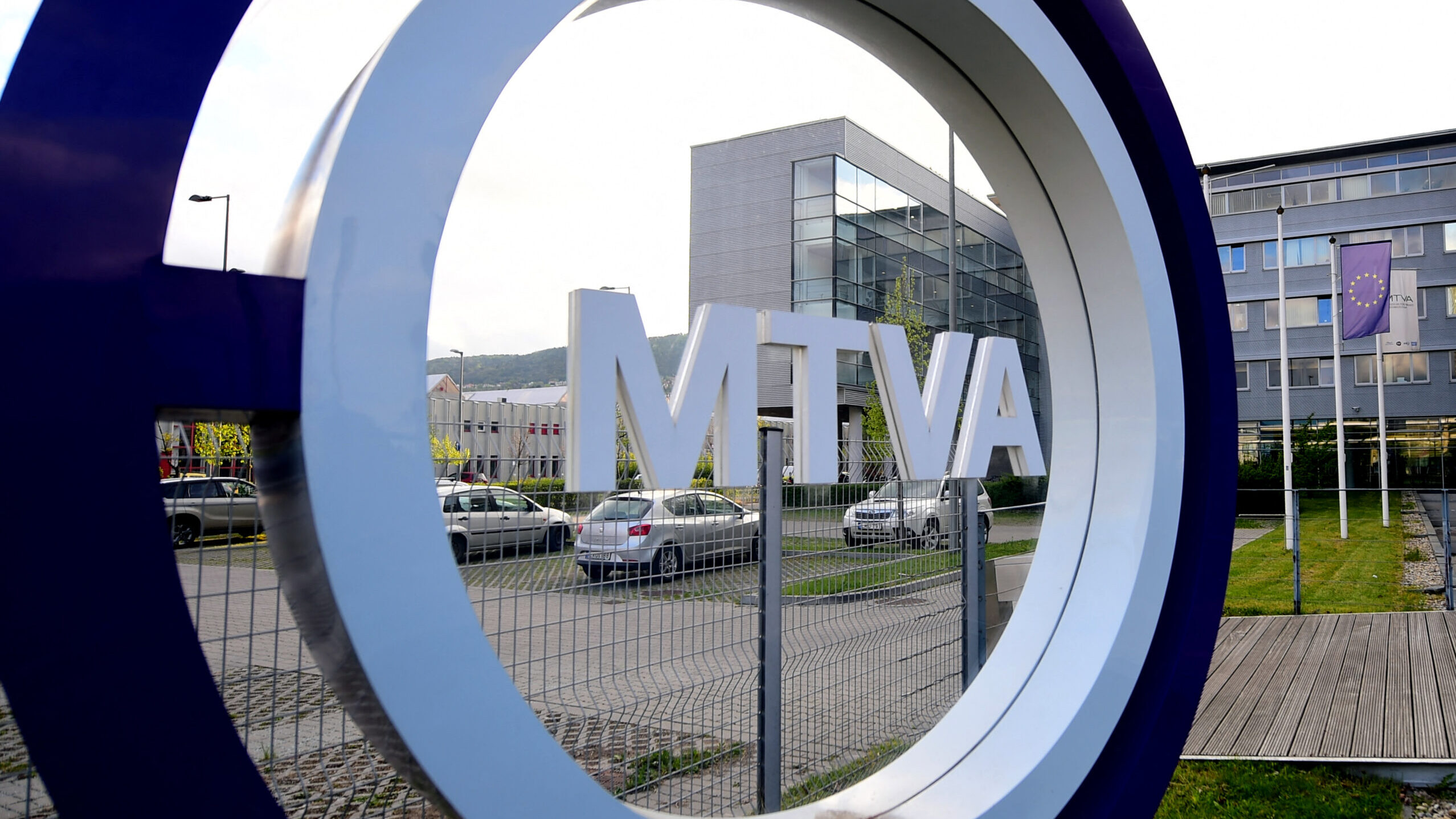
Tisza Party has been railing against the bias of the public media broadcasters in Hungary since the beginning of their campaign. Once in power, they vowed to establish the Independent Public Media Committee in charge of public media companies and their programming.
The Committee has been established, and as per the legislation creating it, it is supposed to be made up of three members nominated by the governing party, three independent experts, and three members put forward by the opposition parties.
The three Tisza and three non-partisan members have already been confirmed by the National Assembly of Hungary’s Committee on Culture. However, the Tisza majority has refused to confirm any of the candidates nominated by Fidesz, KDNP, or the Our Homeland Movement.
Fidesz nominated Beatrix Siklósi, a television and radio media expert; KDNP nominated Zoltán Martí, a journalist and media expert; and Our Homeland Movement (Mi Hazánk) nominated Zoltán Moys, a media expert, to the committee. All three candidates ran unsuccessfully again a week after their nominations were first rejected, since none of the parties changed their nominations.
However, the nomination of another candidate, Árpád Kollár, also caused a stir among Tisza supporters. The Tiszatáj Foundation, which nominated Kollár and has multiple ties to former Fidesz cultural policy official László L Simon, received more than 20 million HUF ($63,400) in annual funding from the National Cultural Fund (NKA), which found itself at the centre of a major funding allocation scandal this spring.
According to the Hungarian media news site Media1, the foundation has received a total of 120 million HUF ($38,000) in NKA funding over the past five years. Kollár himself, as a scholarship recipient of the Hungarian Academy of Arts, is set to receive 200,000 HUF ($630) per month—a total of 7 million HUF ($22,100)—between 2024 and 2027.
The parliamentary committee has elected media attorney and researcher Judit Bayer, one of the non-partisan expert nominees, as chair of the new independent public media authority.
Related articles:
At a time when public debate is increasingly polarized and superficial, Hungarian Conservative remains committed to depth, intellectual honesty, and independent conservative thought.
Producing high-quality journalism requires resources. Your contribution helps us expand our coverage, reach new audiences, and keep our content accessible.

Please consider supporting our mission.