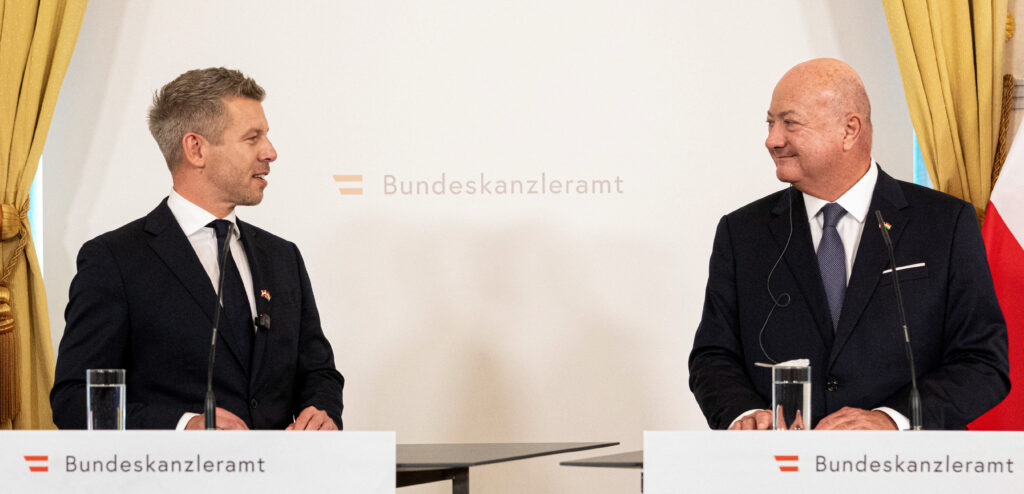
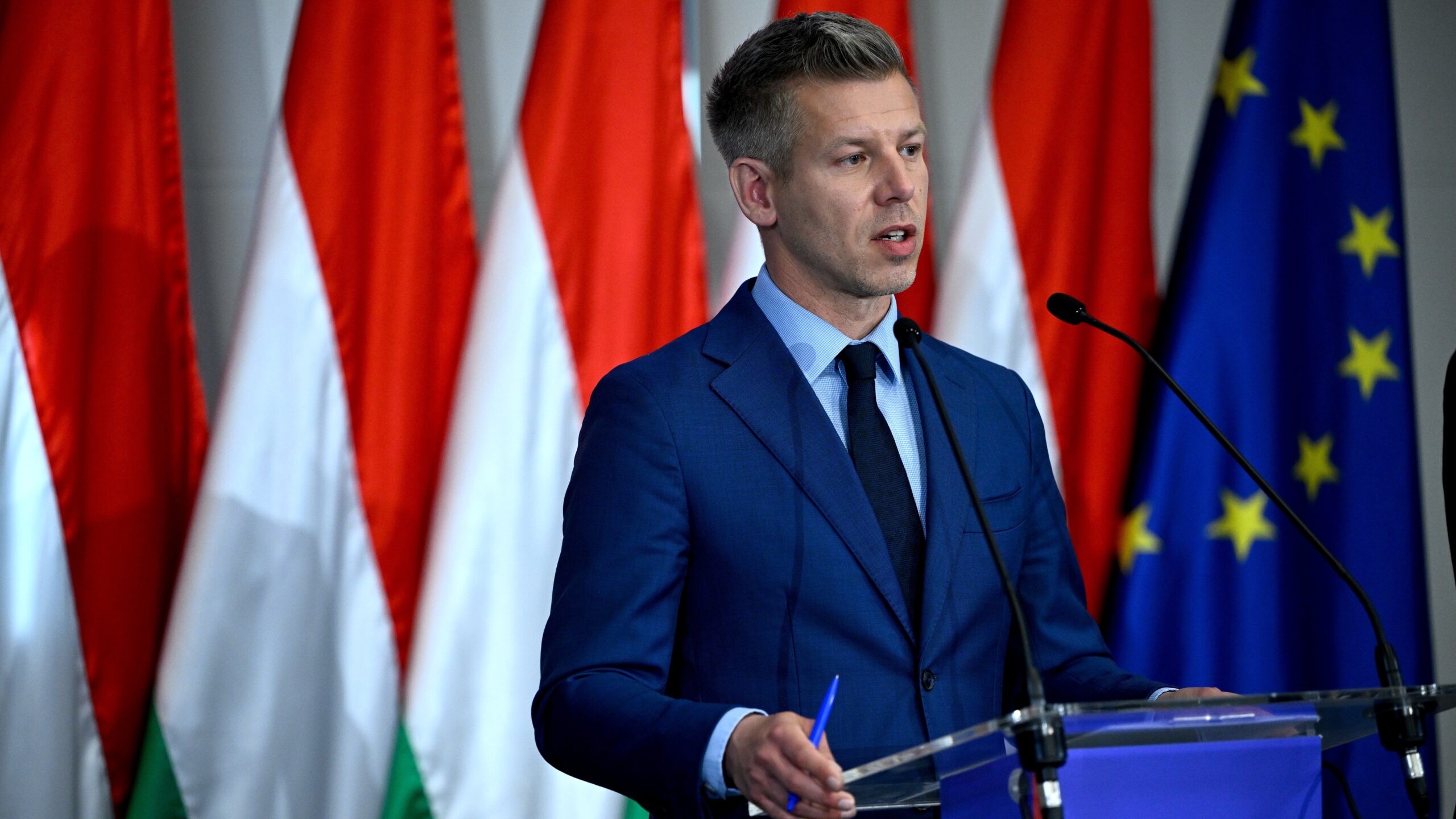
The Hungarian government has submitted what it describes as a historic legislative package to Parliament aimed at restoring access to European Union funding, Prime Minister Péter Magyar announced in a video message published on Tuesday.
According to the prime minister, the reforms will allow Hungarian citizens and businesses to gain access to approximately HUF 6 trillion in EU funds that have been withheld in recent years.
‘The Hungarian people and businesses can finally receive the EU billions they are entitled to, and all we need to do is implement the changes that Hungarians themselves expect from us: eliminate Orbán-era corruption,’ Magyar said.
He argued that previous governments had portrayed the dispute with Brussels as being about migration, Ukraine, or ideological disagreements, while publicly available EU documents made clear that the bloc’s concerns focused on anti-corruption measures, transparency, stronger institutional safeguards, and university autonomy.
Magyar said Hungary had reached a political agreement with the European Union within three weeks and was now moving forward with the legislative work required to secure the release of the funds.
A central element of the package is the strengthening of the Integrity Authority. Under the proposed reforms, the authority would receive expanded powers to challenge decisions to terminate corruption investigations and could seek judicial review if prosecutors dismiss complaints. It would also be able to intervene and launch investigations when irregularities are suspected in EU-funded public procurement projects.
The government also plans a comprehensive overhaul of the asset declaration system for public officials. Magyar said authorities would be empowered to conduct targeted investigations when significant assets are omitted from declarations or when wealth accumulation cannot be adequately justified.
‘We are opening a new chapter,’ the prime minister said. ‘Anyone who takes on a public role must not only exercise restraint but also be able to account for their wealth and its origins. Anyone who deliberately misleads the authorities should face criminal responsibility.’
The legislative package would also introduce greater transparency for private equity funds by requiring disclosure of their beneficial owners. In addition, the government intends to address the status of public-interest asset management foundations, arguing that substantial state assets were previously transferred into structures with limited public oversight.
According to Magyar, state-origin assets should ultimately serve the public interest. The government plans to return such assets to state ownership while establishing a transition framework designed to protect students, researchers, and academic staff.
The prime minister also pledged to restore academic freedom and strengthen university self-governance by returning key decision-making powers to university senates. He said these changes would help reintegrate Hungarian higher education into European academic programmes.
As a result, Hungarian students would once again be able to participate fully in the Erasmus+ programme, while researchers would regain access to funding under Horizon Europe.
Magyar described the reforms as an opportunity to secure funding for transportation, business development, housing, energy projects, education, and research.
‘The Hungarian people deserve these opportunities, and we will ensure they finally receive them,’ he said.
Related articles:
At a time when public debate is increasingly polarized and superficial, Hungarian Conservative remains committed to depth, intellectual honesty, and independent conservative thought.
Producing high-quality journalism requires resources. Your contribution helps us expand our coverage, reach new audiences, and keep our content accessible.

Please consider supporting our mission.