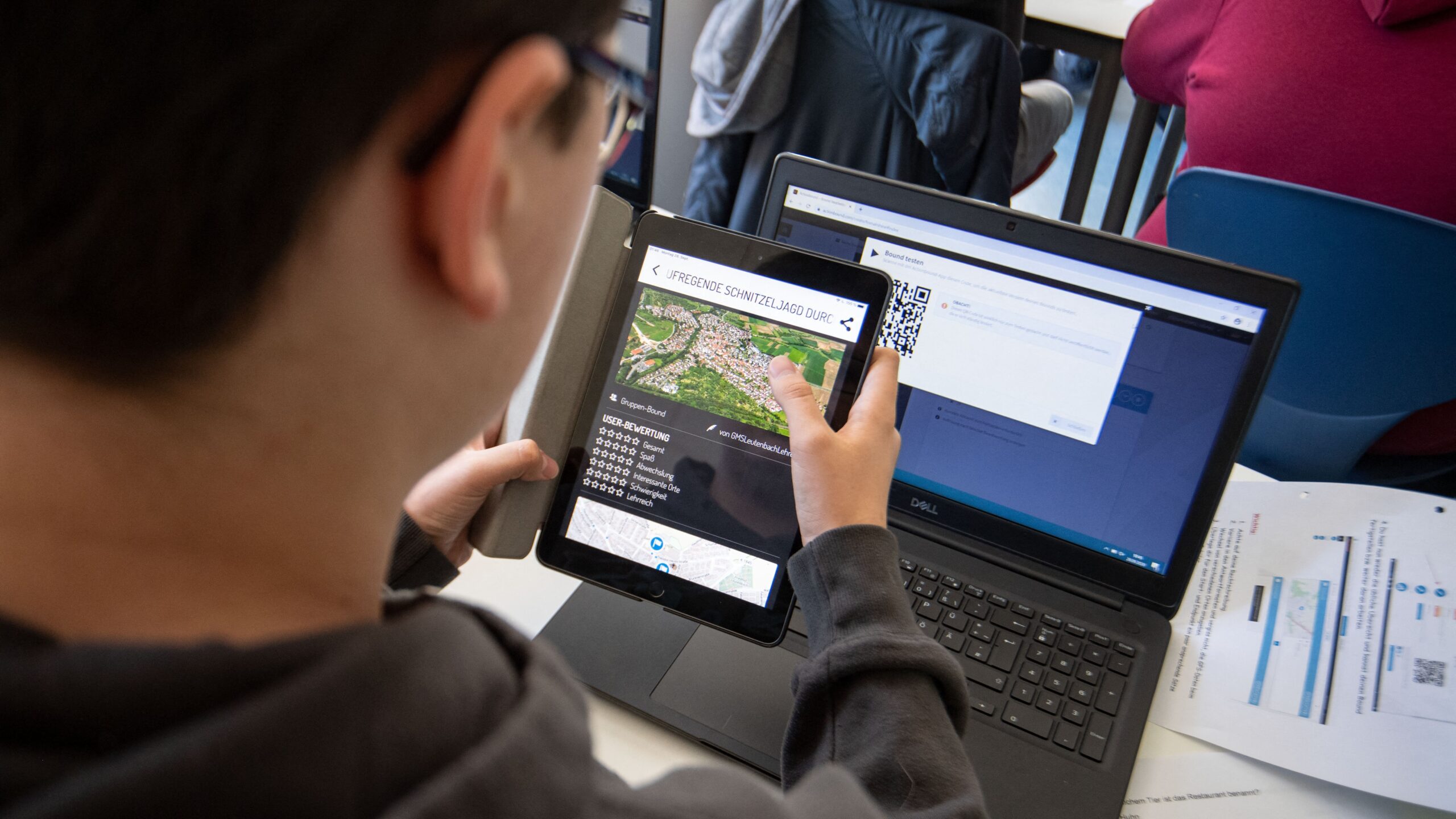
Chinese schools are increasingly adopting artificial intelligence (AI) systems to personalize learning, analyse student performance and support teachers, according to Chinese state media.
In some schools, AI analyses students’ classroom participation, homework and test results before lessons begin, using the data to generate personalized exercises and homework assignments. The system also identifies individual strengths and weaknesses, as well as learning challenges affecting entire classes, helping teachers plan lessons more effectively. Educators review and, where necessary, modify all recommendations generated by the AI.
The technology is being used across a range of subjects. In programming classes, for example, AI systems can evaluate students’ code before teachers review it, significantly reducing the time required for grading. The time saved allows teachers to focus on one-to-one support, lesson planning and professional development.
Elsewhere, students are using generative AI to create digital avatars that present their hometowns’ cultural heritage in local dialects.
Education experts emphasize, however, that artificial intelligence cannot replace teachers. Current systems are not yet capable of reliably assessing every type of assignment, while educators continue to play a crucial role in shaping students’ values, developing critical thinking skills and promoting the responsible use of technology.
Chinese education authorities say the primary purpose of AI is not to replace teachers but to make high-quality, personalized education more widely accessible.
China has identified artificial intelligence as a strategic national priority in recent years, both for technological development and educational applications. Under the country’s science and technology strategy through 2030, AI remains one of its leading research and innovation priorities. Chinese-developed open-source large language models, including DeepSeek, have also attracted growing international attention, particularly in developing countries.
Related articles:
At a time when public debate is increasingly polarized and superficial, Hungarian Conservative remains committed to depth, intellectual honesty, and independent conservative thought.
Producing high-quality journalism requires resources. Your contribution helps us expand our coverage, reach new audiences, and keep our content accessible.

Please consider supporting our mission.