The Gulf region is not only vital for global oil and gas flows; it also accounts for nearly 10 per cent of the world’s refined aluminium production. With the closure of the Strait of Hormuz, these supplies are increasingly at risk, triggering alarm across multiple industries.
Aluminium has rapidly become scarce, as the ongoing Middle East conflict disrupts supply chains and energy systems. Production in the region is being hit by power shortages, while shipping bottlenecks are slowing both imports of raw materials and exports of finished products. These combined pressures are tightening availability at a time when demand remains high.
The situation has sparked panic buying among the world’s largest carmakers, many of which fear that inventories could run out within months if the conflict drags on. Gulf-based producers, including Aluminium Bahrain and Qatalum, have already reduced output due to energy disruptions and logistical constraints.
Aluminium is a critical material used across industries, from automotive manufacturing to aerospace and construction. Executives in the sector say carmakers are now building up reserves as a precaution. ‘We have seen crises before, but this is different,’ one industry figure said, warning that panic buying could intensify if the current conditions persist.
Several Western manufacturers have reported difficulties securing new supplies, with some holding only a few months’ worth of stock. In response, companies are increasingly turning to recycled materials to reduce dependence on primary aluminium.
Japanese firms are among those most affected. According to industry sources, automakers and suppliers are even considering sourcing aluminium from Russia, despite a boycott in place since 2022. ‘We would prefer not to buy from Russia, but there may be no alternative,’ one trader said.
Toyota CEO Koji Sato highlighted the country’s reliance on Middle Eastern supplies, confirming that Japanese manufacturers are actively seeking alternative sources.
‘Shipments have been severely disrupted as maritime traffic through the Strait of Hormuz has nearly ground to a halt’
The Gulf region supplies around 10 per cent of global refined aluminium, with Europe importing roughly 14 per cent of its needs from the area, and Japan about 25 per cent. However, shipments have been severely disrupted as maritime traffic through the Strait of Hormuz has nearly ground to a halt.
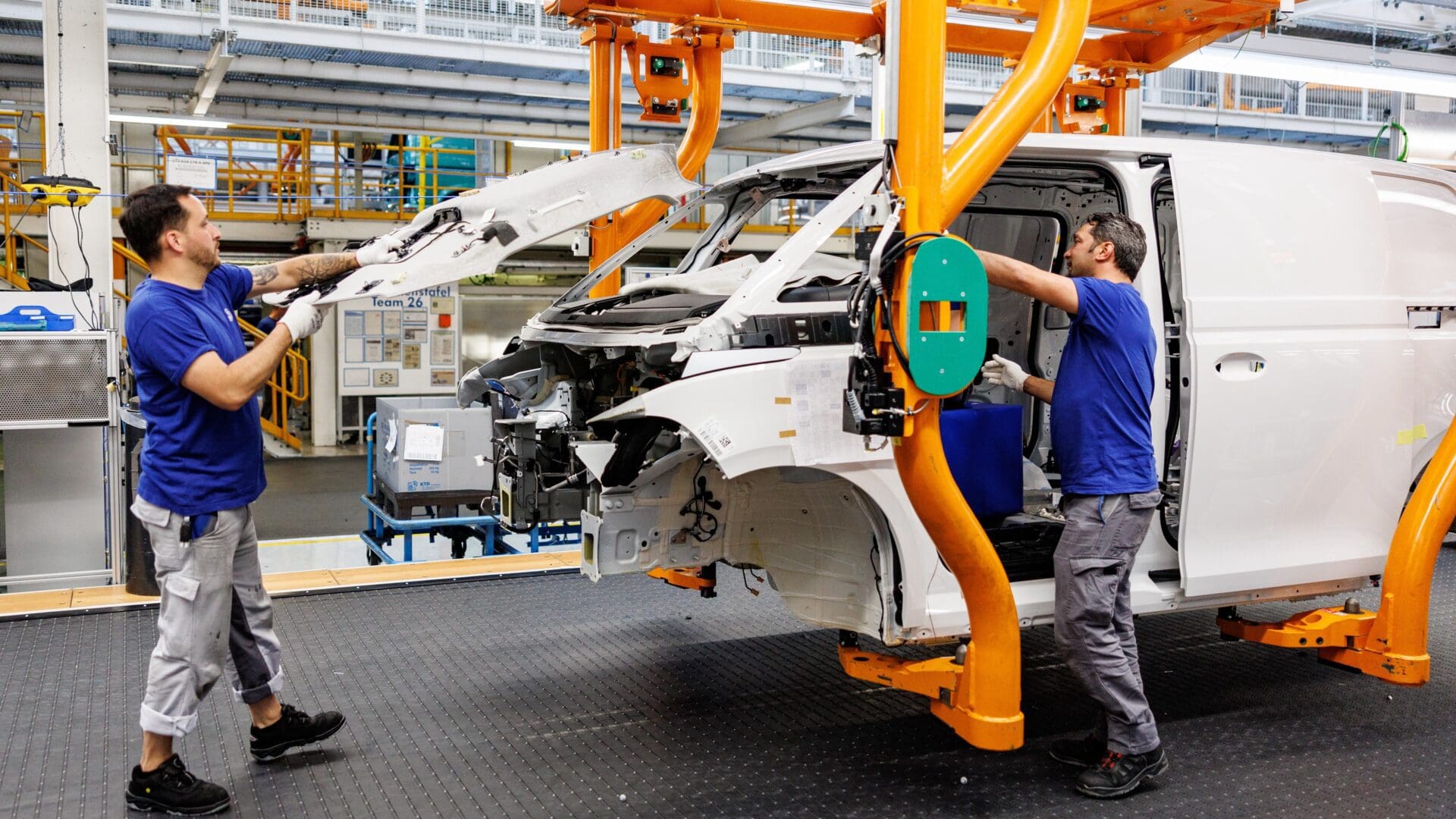
Industry insiders warn that the consequences could soon reach production lines. A Japanese supplier said output cuts may be unavoidable within four months if disruptions continue, while a European trader suggested carmakers could begin scaling back production as early as June or July.
Prices have also surged. Although aluminium on the London Metal Exchange initially rose by around 12 per cent after the conflict began, regional premiums in the US, Europe and Japan have climbed far more sharply. Some estimates suggest increases of 30–40 per cent.
Certain specialized products are already in particularly short supply, including alloys used for wheels and automotive components, as well as aluminium blocks essential for vehicle manufacturing. Carmakers face additional constraints due to strict specifications, which can make switching suppliers a process lasting up to 18 months.
The pressure is compounded by earlier disruptions. Ford had already faced production issues with its F-150 pickup after a fire at a supplier facility in New York. While the company says the current conflict has not yet affected its supply chain, the broader outlook remains uncertain.
Related articles:
At a time when public debate is increasingly polarized and superficial, Hungarian Conservative remains committed to depth, intellectual honesty, and independent conservative thought.
Producing high-quality journalism requires resources. Your contribution helps us expand our coverage, reach new audiences, and keep our content accessible.

Please consider supporting our mission.