There has been no shortage of breaking developments from the Middle East as the war with Iran rages on. From attempts to target Diego Garcia in the Indian Ocean to reports of possible ‘missile cities’ buried deep in the mountains, the stream of information remains constant. When contending with constant live updates on newsfeeds and endless comments on social media from commentators declaring the war is going one way or the other, many are left wondering what is actually going on. In the chaos of war, where events are constantly changing, it is important to pay attention to what is often overlooked in order to understand what is really happening.
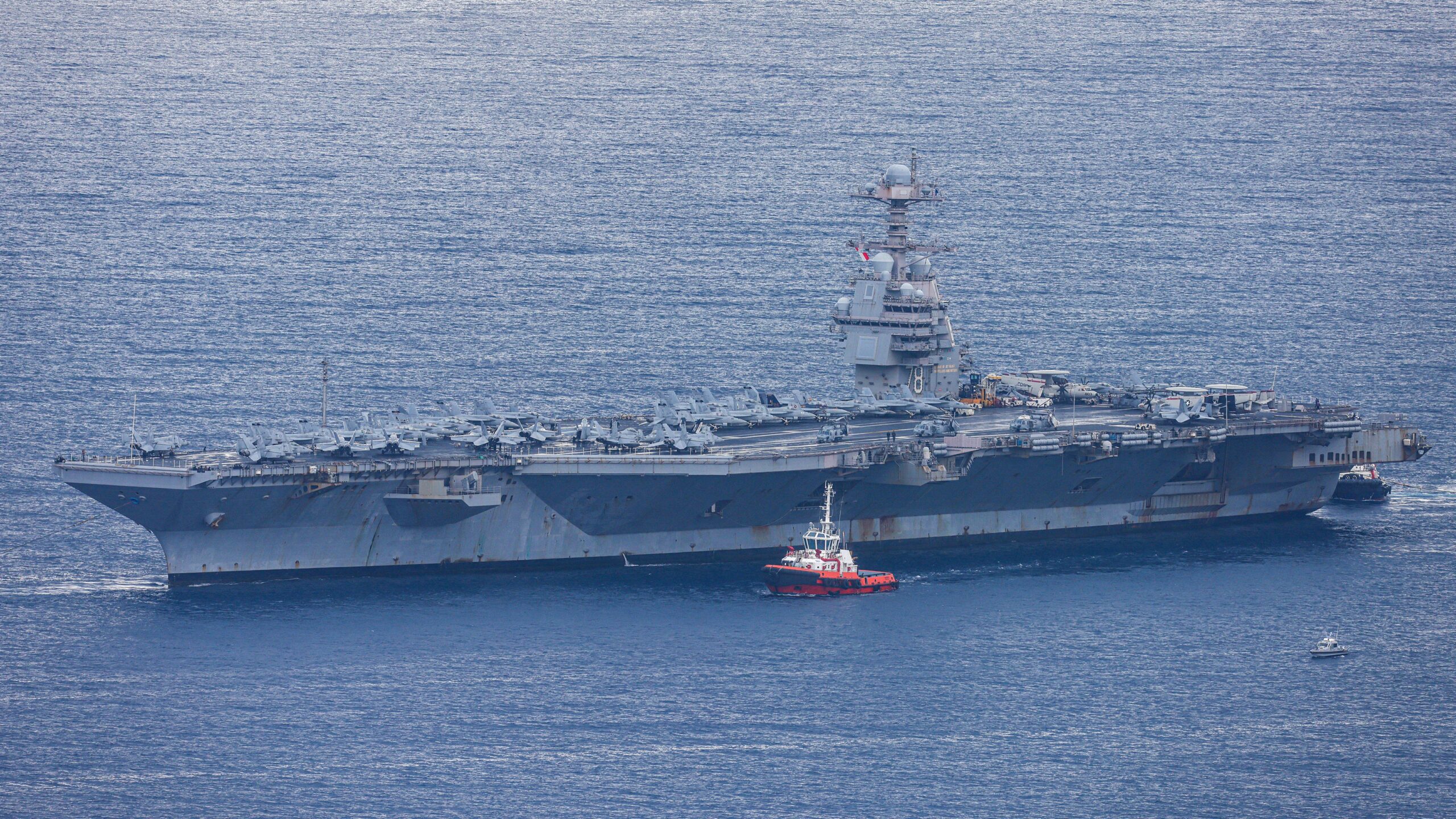
There have been definite, and often underplayed signals that may show that this war is coming to a close, and that the Iranian regime is on its last legs. Beyond the constant news of successful American bombing missions and over 8000 targets destroyed (including the entirety of the Iranian Navy), its important to note what the U.S. is using.
Right now in the Strait of Hormuz, the U.S. is using A-10 warthogs and Apache helicopters to conduct missions at will. From targeting Iranian speedboats to mainland targets, these aircraft are operating in theater, and very successfully. While they are both infamous in their own right, these aircraft, while historically deadly, have little to no air defenses of their own. They are low-flying vehicles meant to take out ground targets at close range. The fact that they can operate in Iran means one thing: the United States has established total aerial superiority, and Iran is unable to strike what should be a sitting duck.
Beyond the military dimension of the war, some of the most revealing signals come from the reactions of the Gulf States. One thing is clear: they did not want this conflict. Given their past experience with Iranian drones targeting their capital cities, it would not be surprising to see resentment or public backlash directed at the United States. Yet the opposite appears to be the case.
Amid the fighting, countries such as the UAE have publicly reaffirmed their ties with Washington and confirmed that their planned $1.4 trillion investment in the U.S. economy remains on track. Even more tellingly, from Saudi Arabia to Qatar, Gulf governments have begun severing diplomatic relations with Iran and expelling its envoys.
‘From Saudi Arabia to Qatar, Gulf governments have begun severing diplomatic relations with Iran’
This shift is particularly striking in the case of Saudi Arabia, which until recently had made a genuine effort to reconcile with Iran in the interest of regional stability. Those efforts ultimately proved futile after Iranian drone attacks targeted Riyadh.
This war is far from over, and the situation continues to evolve rapidly. While its duration remains uncertain, one point stands out: the United States has established clear military superiority, and regional actors appear to be positioning themselves accordingly. As the number of targets struck in Iran rises—from 8,000 to 9,000, 20,000, and beyond—the timeline of the conflict remains difficult to predict.
For the current Iranian regime, the only viable strategy may be to endure long enough for American public opinion to turn, in the hope that domestic pressure will compel the Trump administration to halt its campaign. However, with US midterm elections still eight months away at the time of writing, this remains a risky gamble. Moreover, if Iran’s airpower has been so degraded that the US can operate aircraft introduced as far back as 1977—nearly half a century ago—within its airspace, the regime’s prospects of sustaining prolonged resistance appear limited.
The future of Iran—and the entire Middle East—will be determined before our eyes one way or another relatively soon. As President Trump orders thousands of more troops and assets to join the campaign in the Middle East, the world is waiting to see how far the United States will go to meet its objective. As events progress, be sure to pay attention to the small details—what equipment is being used in theater, the diplomatic responses and internal discussions of the Gulf States: those will be the greatest indicators of what direction the war is truly going.
Related articles:
At a time when public debate is increasingly polarized and superficial, Hungarian Conservative remains committed to depth, intellectual honesty, and independent conservative thought.
Producing high-quality journalism requires resources. Your contribution helps us expand our coverage, reach new audiences, and keep our content accessible.

Please consider supporting our mission.