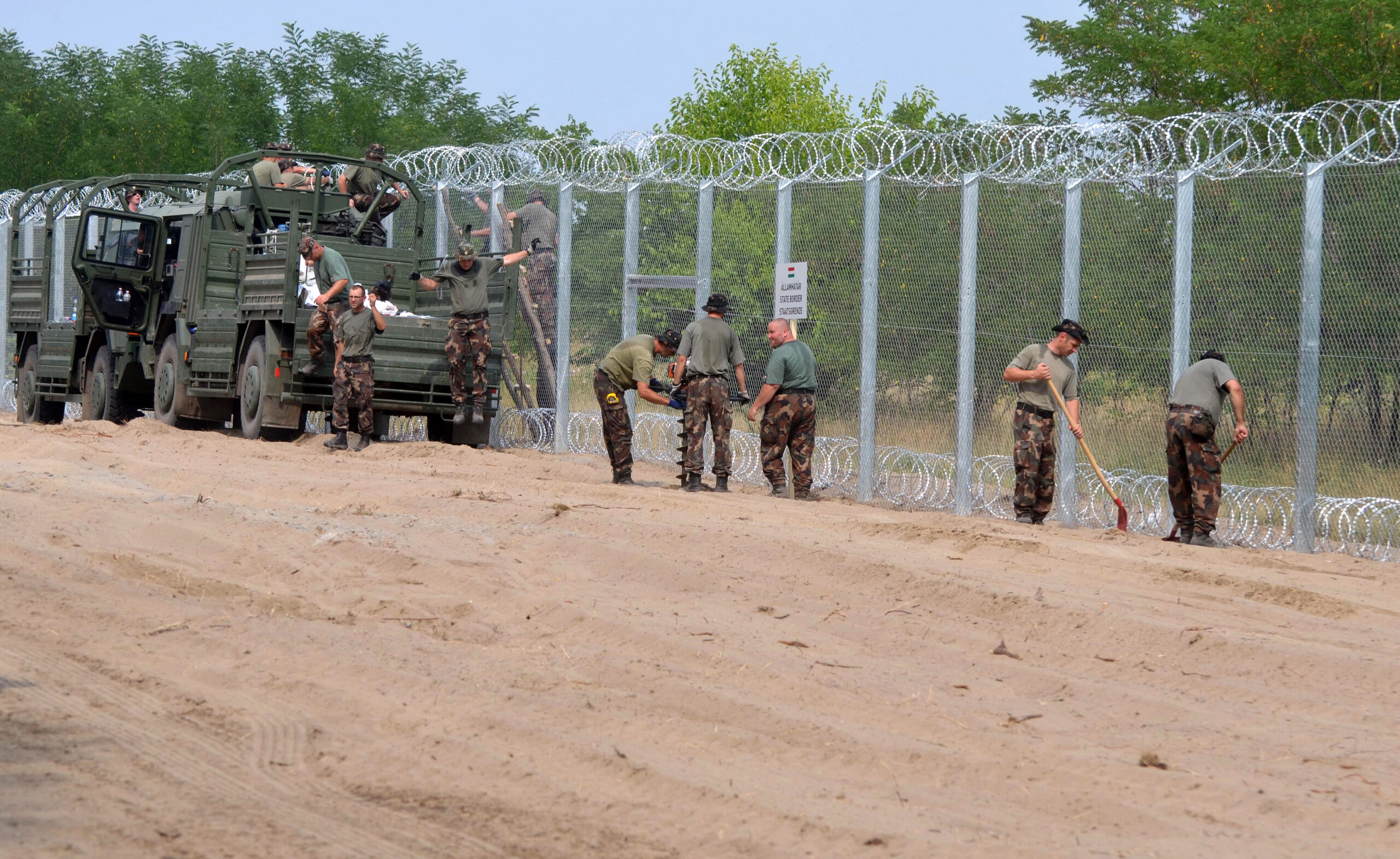
Hungary continues to reject the European Union’s migration pact in its current form and has therefore not prepared a national implementation plan, Interior Minister Gábor Pósfai said during a meeting of Parliament’s Committee on European Affairs on Monday.
Speaking about discussions held at the recent meeting of the European Union’s Justice and Home Affairs Council in Luxembourg, Pósfai said the government has no intention of submitting an implementation plan in the future unless the framework changes.
According to the minister, Hungary only considers one of the pact’s solidarity mechanisms acceptable: technical assistance for member states facing migration pressure. Budapest rejects the other pillars, including mandatory relocation quotas and financial contributions in lieu of accepting migrants.
Pósfai noted that preliminary discussions and bilateral consultations on technical assistance took place during the council meeting. However, no agreements were reached on the matter.
‘Budapest rejects…mandatory relocation quotas and financial contributions in lieu of accepting migrants’
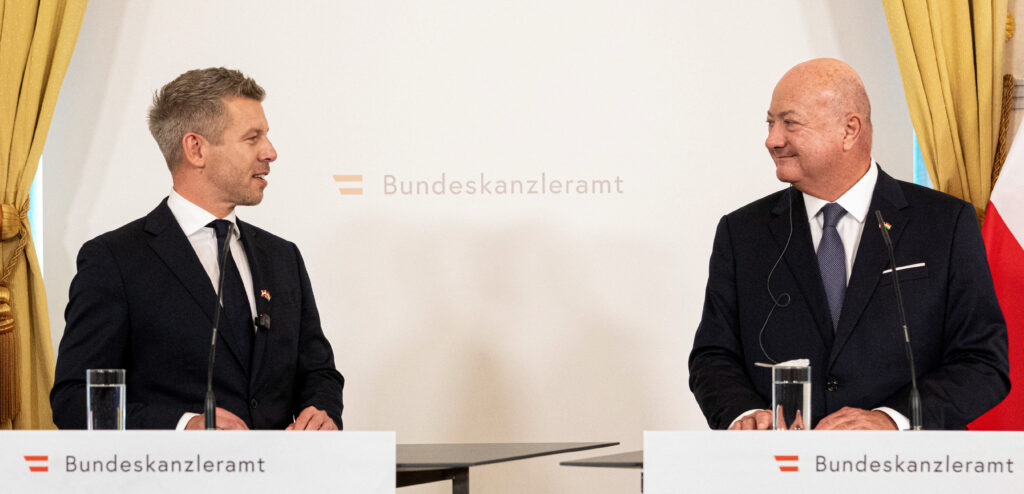
The minister also addressed talks concerning the Schengen Area. Hungary remains opposed to the continuation of internal border checks, he said, adding that he held bilateral talks with Austria’s interior minister on possible alternatives. One proposal discussed would replace permanent border controls with coordinated inspections carried out by Austrian and Hungarian authorities within border regions rather than directly at the frontier.
Another major topic was the temporary protection status granted to Ukrainian citizens who fled Russia’s invasion. Pósfai said Ukraine had suggested that member states hosting large numbers of refugees should consider not extending protection to military-age Ukrainian men.
Hungary opposed narrowing the scope of beneficiaries and argued against limiting protection for any specific category of Ukrainian refugees.
The minister reported that during the meeting, European Commissioner for Internal Affairs and Migration Magnus Brunner stated that the Schengen system remains functional, citing a continued decline in illegal border crossings. According to figures presented at the meeting, irregular crossings fell by 37 per cent in 2024 and a further 21 per cent in 2025.
Brunner also stressed the need to strengthen external border protection, reform EU visa policies, and simplify administrative cooperation among member states.
Ministers additionally discussed concerns over Russian hybrid threats and growing numbers of visas issued to Russian citizens. Several member states called for a review of the EU Visa Code after short-term Schengen visas issued to Russian nationals increased from 565,000 in 2024 to 619,000 in 2025.
Some countries warned that former Russian military personnel travelling within the Schengen Area could pose security risks and described the trend as a cause for concern.
The council also reviewed progress on the European Travel Information and Authorisation System (ETIAS), which is currently scheduled to launch in the fourth quarter of 2026. Testing difficulties have delayed preparations, leading several countries to request that exemptions from biometric data collection remain available beyond September to avoid slowing border procedures.
Migration from Somalia was another item on the agenda. Pósfai said Somali nationals currently represent one of the largest groups of irregular migrants entering the EU. He noted that Somalia accepts only around 3 per cent of returned migrants, creating significant challenges for deportation efforts.
As a result, member states supported stricter visa restrictions for Somalia and discussed linking EU financial assistance more closely to cooperation on migrant returns. Hungary reiterated its position that migration challenges should be addressed outside the European Union, either in countries of origin or in transit states closer to migration routes.
During the committee meeting, opposition lawmaker János Bóka, deputy chair of the committee, said his party also opposes reducing the categories of Ukrainians eligible for temporary protection. He further stated that there is no migrant camp in Vitnyéd and that none has existed there, adding that only the current government could answer whether such a facility may be established in the future.
Related articles:
At a time when public debate is increasingly polarized and superficial, Hungarian Conservative remains committed to depth, intellectual honesty, and independent conservative thought.
Producing high-quality journalism requires resources. Your contribution helps us expand our coverage, reach new audiences, and keep our content accessible.

Please consider supporting our mission.