

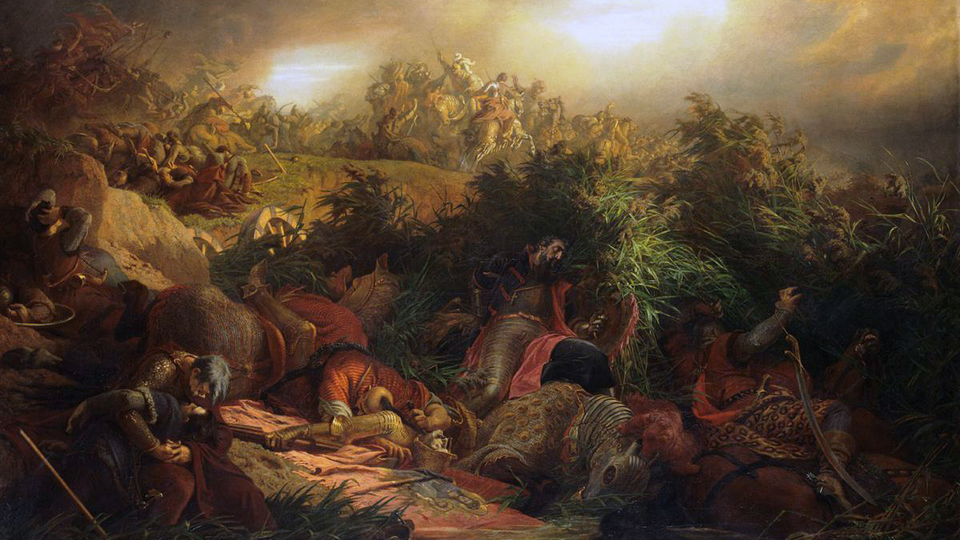
‘Hungary commemorates the 500th anniversary of the Battle of Mohács against the Ottoman Empire today, 29 August 2026. The date is crucial to Hungarian history and identity. But what exactly happened there that makes it so important?’
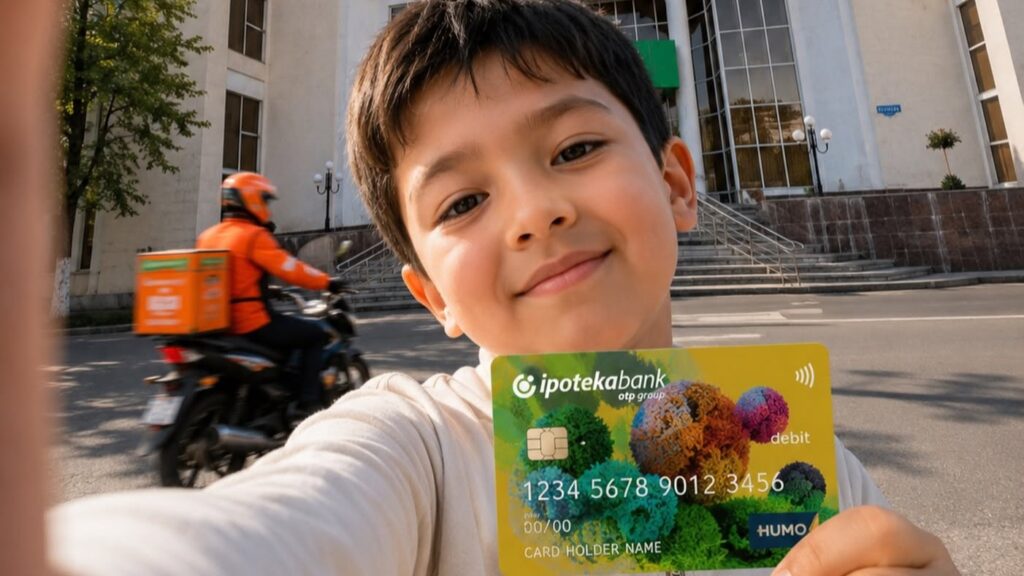
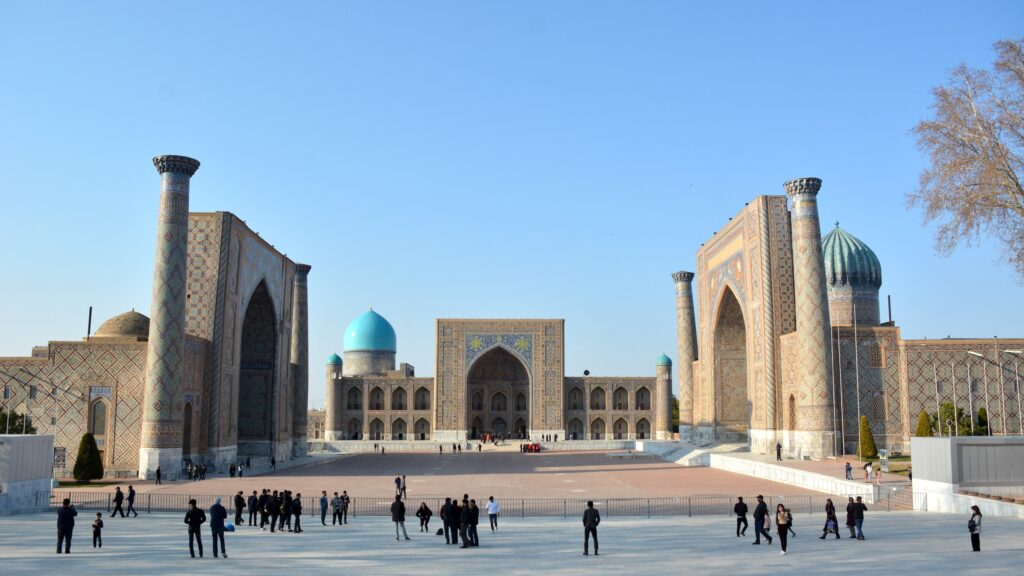
‘The Ipoteka acquisition shows how Hungary can leverage its geopolitical connections with the Turkic world through its observer status at the OTS into economic and commercial benefits. Uzbekistan is not just another frontier market. It is a substantial…country that has strong and improving transport links eastwards to China and westwards through Kazakhstan towards the Caspian Sea and Europe.’
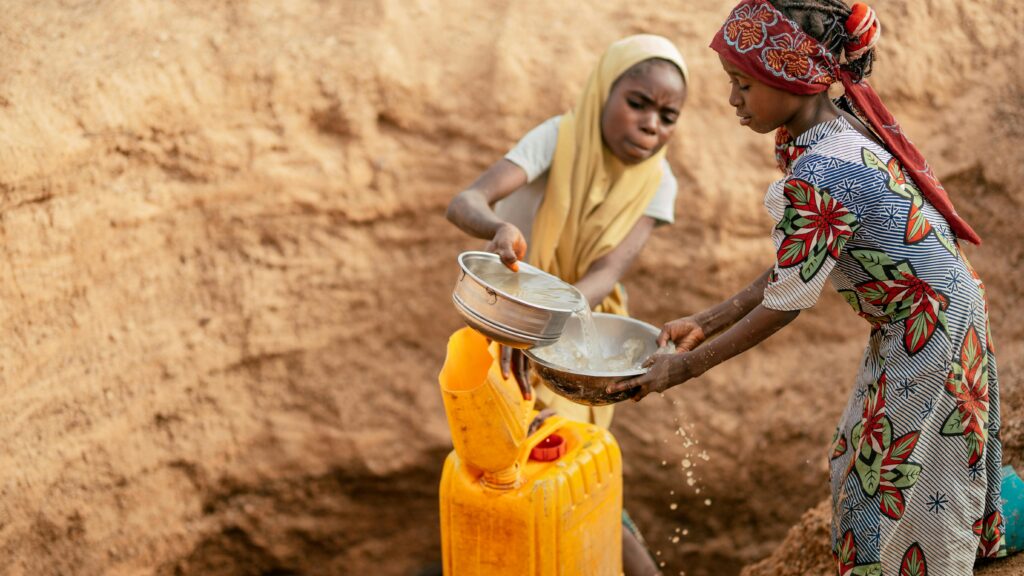
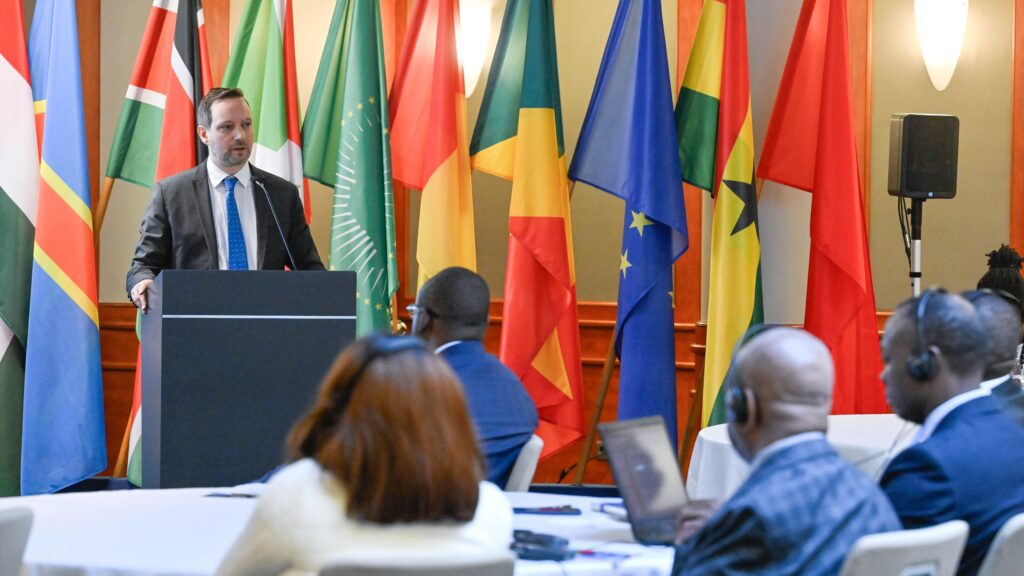
As Hungary restructures its international development system, the key question is no longer institutional reform but strategic direction. Participation in the EU’s Global Gateway could allow Hungarian aid agencies to leverage multilateral funding, expand their impact, and redefine Hungary’s role as a donor in an increasingly interconnected world.
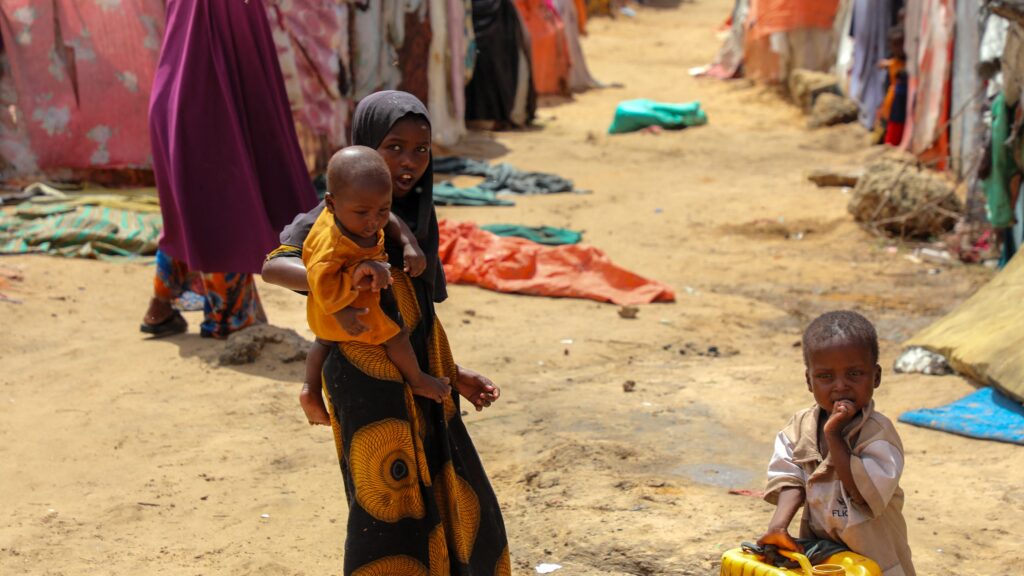
As global development aid declines amid mounting geopolitical and economic pressures, Central European countries may need to rethink how assistance is delivered. Closer regional coordination, targeted ‘pilot projects’, and partnerships in regions such as the Sahel could help smaller European states preserve influence, build soft power, and shape a distinct model of development cooperation.
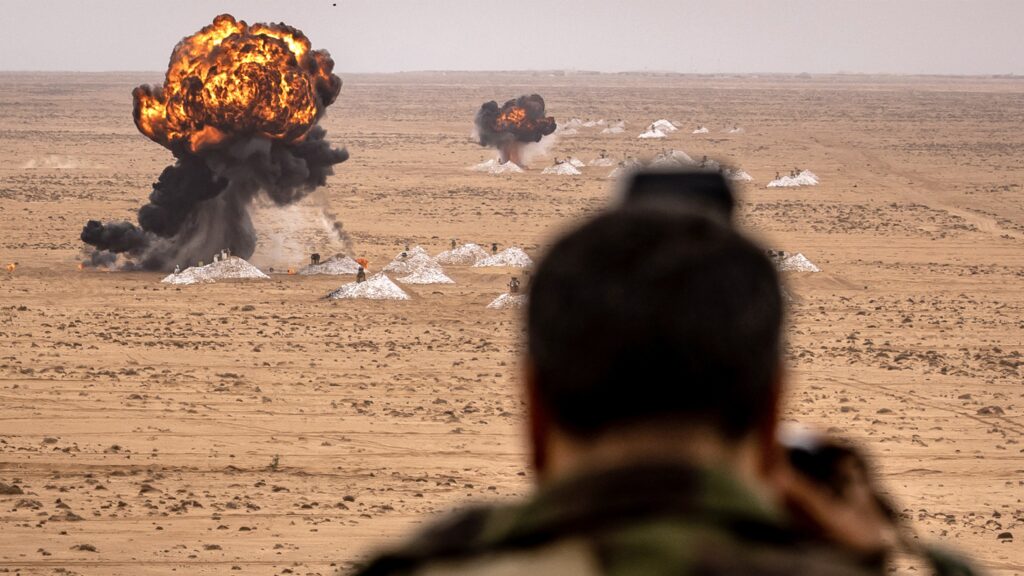
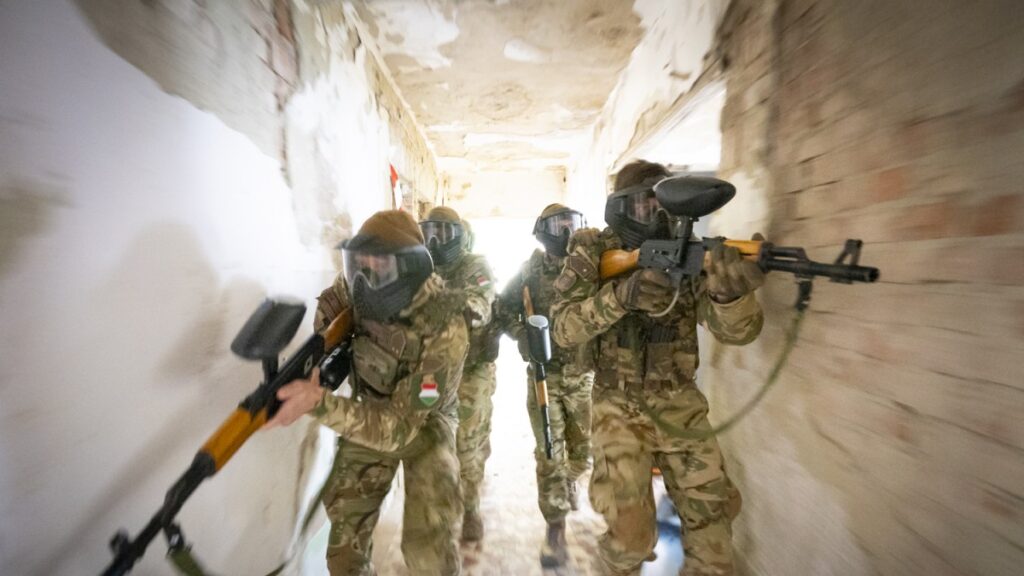
Hungary’s participation in African Lion and Flintlock 2026 reflects a growing strategic role within Western security frameworks. Beyond alliance commitments, these exercises provide operational experience, strengthen military networks, and enhance Hungary’s global presence through cooperation with African and Western partners.
‘One of the answers to the problem that Uzbekistan quite quickly realized was digital transformation. This is making the state more “legible”, that is, more bureaucratically comprehensible and manageable…This is where the Hungarians can come in. Helping the Uzbeks with their technology to be more efficient.’
‘In this sense, we can now observe an interesting process in which the Hungary Helps model converges with US state objectives. The pivot of a small, semi-peripheral nation towards a distinctive approach to international aid preceded that of the United States, long regarded as being at the forefront of organizational innovation.’
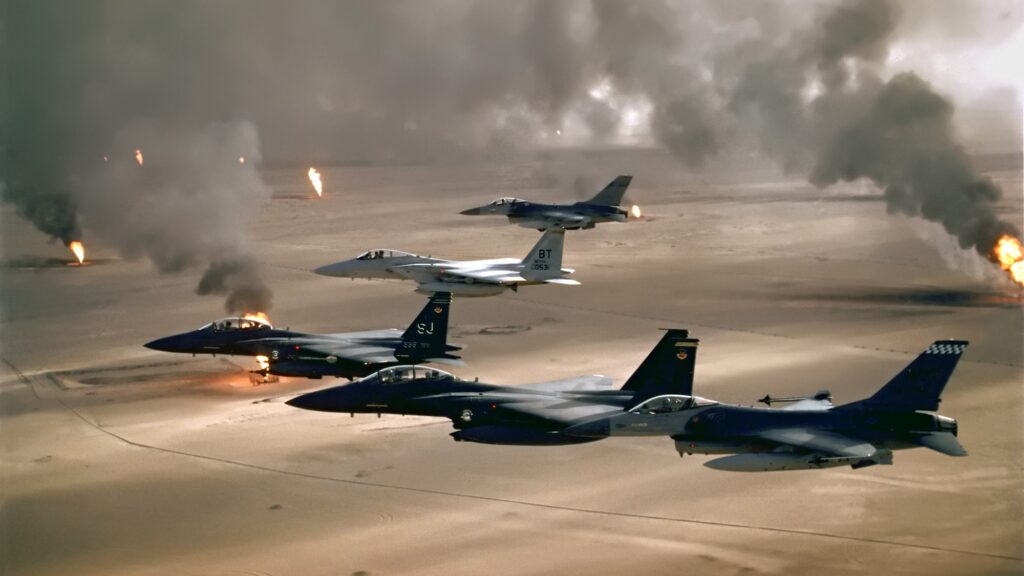
‘It was not just another gesture to the Americans; it was a landmark event in getting back to the Western fold. It was about the Gulf War.’
Hungary’s rearmament is looking to its traditional German suppliers, while also reaching beyond blocs to Türkiye and Brazil.
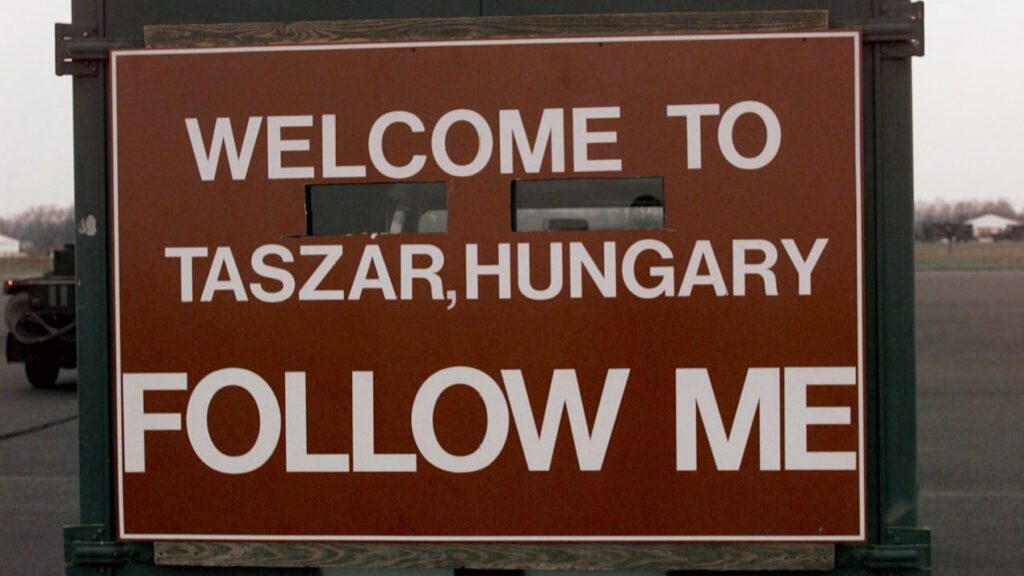
‘The Americans left Somogy county, but they left behind the tradition of American–Hungarian cooperation and friendship—making it possible, perhaps for the first time in Hungary’s history, to host the army of a great power not as occupiers, but as guests.’

At a time when public debate is increasingly polarized and superficial, Hungarian Conservative remains committed to depth and independent thought.
Donate Now
Please consider supporting our mission.