

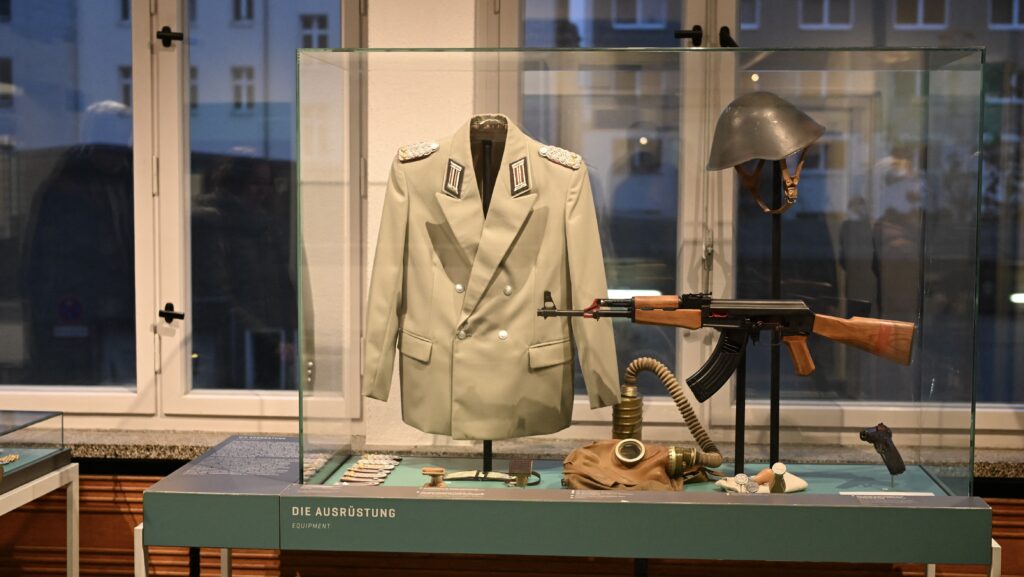

‘The Ministry of Security, like other Eastern European services, kept a tab on almost every workspace and its “characters of interest” through the pervasive use of civilian informants. “Anti-state activity” was not necessarily stifled with apparent repression; the “black car” did not necessarily come for “wrongdoers”, but they were relentlessly bullied into submission by making the everyday life of them and their families unbearable.’
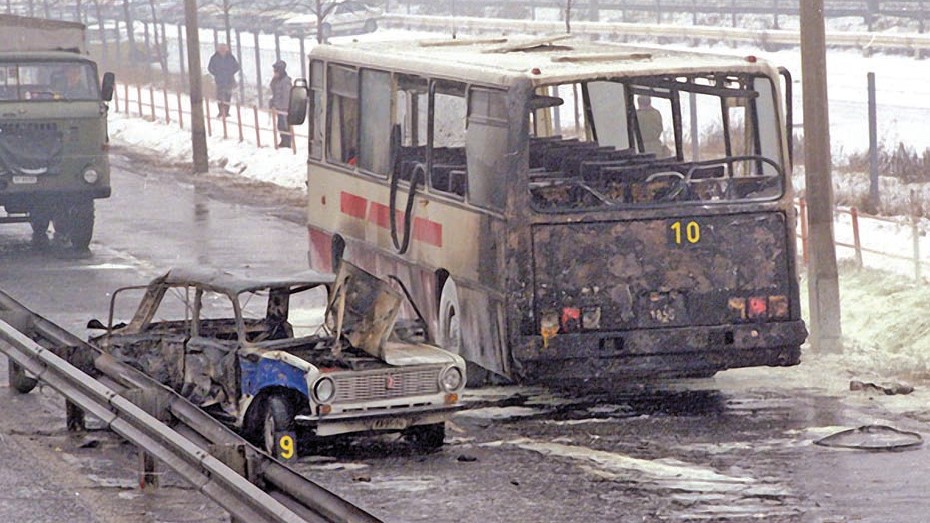
The Moscow offices of the Hungarian national airline were teeming with clients in the autumn of 1989, and most of the customers were Jewish. They were looking for a way to get away from the societal collapse of the Soviet Union. Ultimately, Hungary offered the way out to 160,000 of them between March 1989 and January 1992.
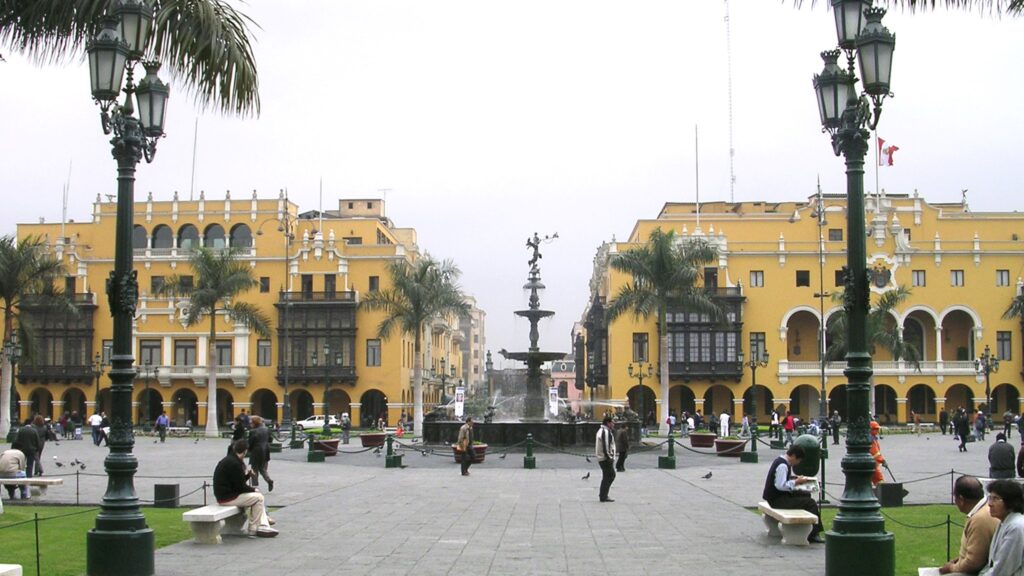
Emőke’s story from the flight from Hungary as a small baby and an accidental move to Peru to her stage performances in multicultural Lima and her endurance through local crises illustrate the destiny of a unique group of Central Europeans finding refuge and a new community far from Hungary.
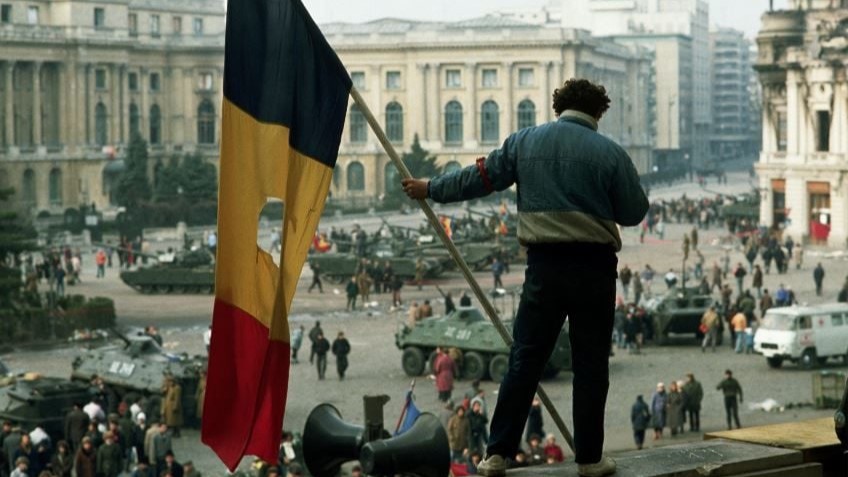
‘The Romanian Revolution teaches several lessons. First, an age-old truth: Freedom isn’t free. There is a lot of talk about how it was the cooperation of superpowers that made Central European democratization possible. But Romania is the main example that it would not have been enough that Gorbachev caved in to Reagan and Bush Sr. If the Romanian people had remained silent, there would have been no pressure of a critical magnitude to remove the dictator.’
One of the most pressing issues in enhancing the competitiveness of Europe is the need to optimize defence spending. Europeans now spend much more on defence in the wake of Vladimir Putin’s invasion of Ukraine, with ten European NATO members set to reach the 2 per cent of GDP spending threshold by the end of 2024. However, developing and acquiring modern weapon systems of cutting-edge technology demand an exponential level of spending for development and production, which can hamstring the capabilities of nation-states if they want to fit out their armies fully with domestically produced equipment, from building tools to jet fighters.
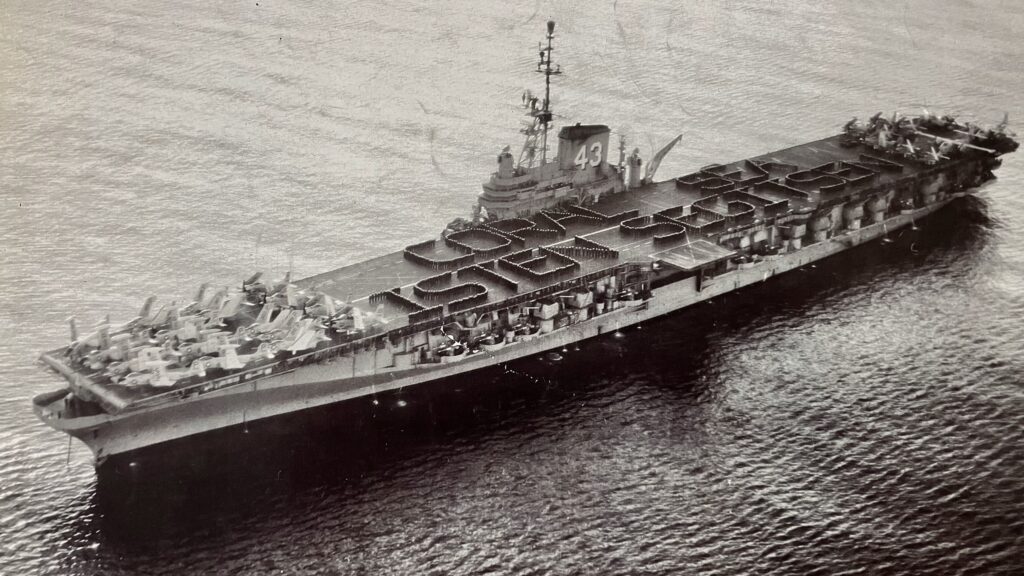
An American sailor of Hungarian origin served on the Coral Sea, perhaps as a helmsman. He was probably the one to come up with the idea that the money originally collected for the crew’s Christmas presents be given to Hungarian refugees instead, and a total of 7,500 US dollars were thus donated to the refugee aid fund. It may have been the same serviceman to suggest that the crew form the message ‘May God help you’ in Hungarian on the deck. Unfortunately, the name and story of the Hungarian American sailor remain unknown.
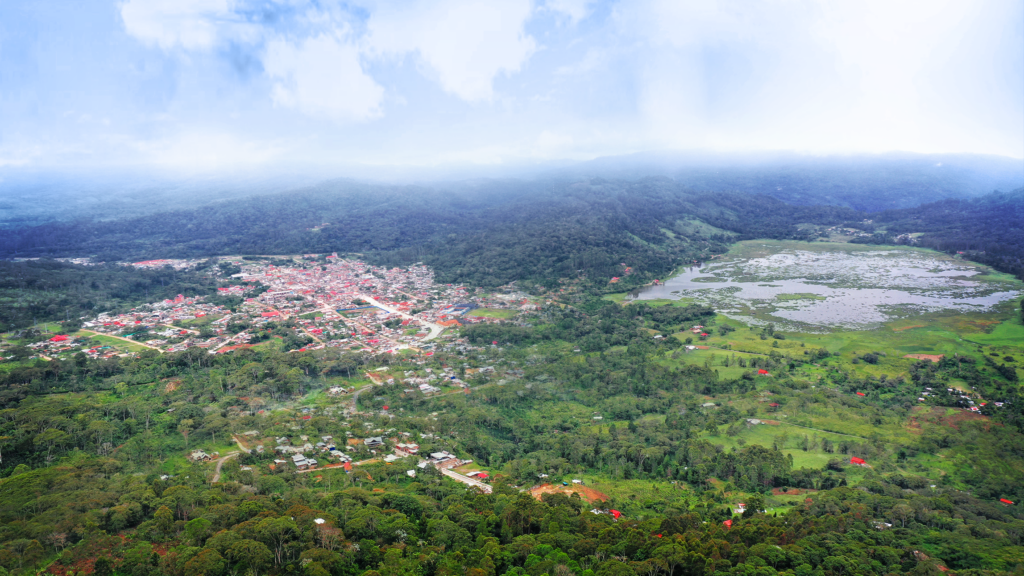
Esteban Vajda Széchenyi, born in 1923 as István Vajda in Nagykőrös, Hungary, was a prominent member of the Villa Rica community in the Central Jungle of Peru. Although he found a new home in the South American country, he preserved his Hungarian heritage throughout his life, and passed it on to his children and grandchildren as well.
‘The post–1989 period has not been free from debates and conflicts on how Hungary could and should assert its national interest while integrating into the Western order. The Left has been anxious about not integrating into and aligning with the “developed” West fast enough, while Conservatives have feared the loss of tradition, identity, and national consciousness in the melting pot of accelerating globalization.’
The war quite literally consumes people; they are killed or maimed physically and psychologically at an unprecedented rate. Using foreign fighters is consequently quite logical for both sides. They alleviate domestic pressure to recruit more soldiers, with the new fighters likely being versed in military matters. They also demonstrate the global clout of the given side by showing the diverse coalition that stands behind it. Of course, this is a double-edged sword, which is why there is an intense war of narratives about whether these people are mercenaries or volunteers.
‘The country, alongside Chile, is the most developed country of the region. While in Chile anti-establishment sentiments led to a left-wing experiment with the government of Gabriel Boric, Milei represents the opposite in this regard. It will be interesting to see which direction could serve as a model for the hemisphere: would it be a new Pink Tide or, as a result of the Argentine experiment, conservative-leaning supercharged libertarianism?’

At a time when public debate is increasingly polarized and superficial, Hungarian Conservative remains committed to depth and independent thought.
Donate Now
Please consider supporting our mission.