

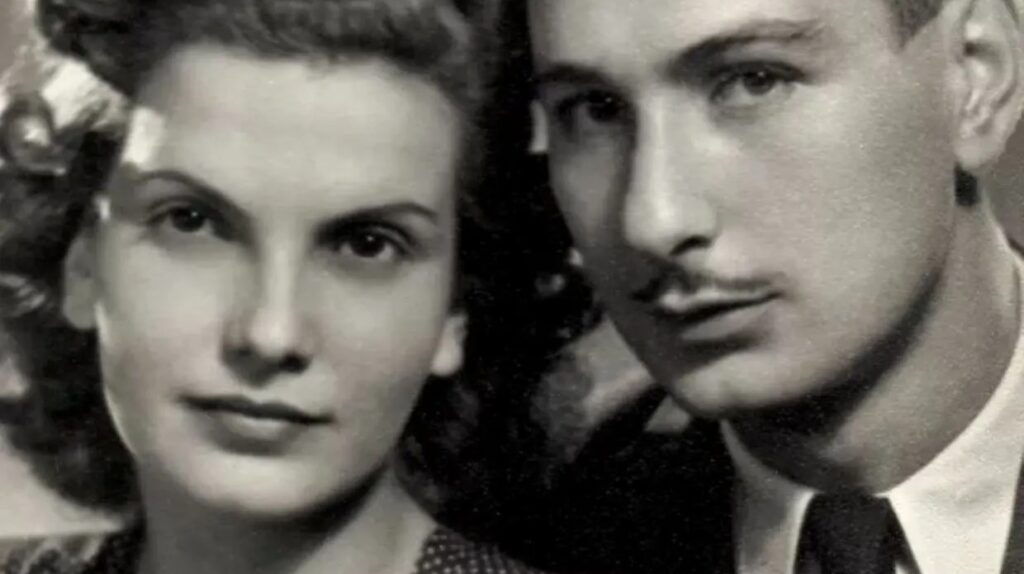


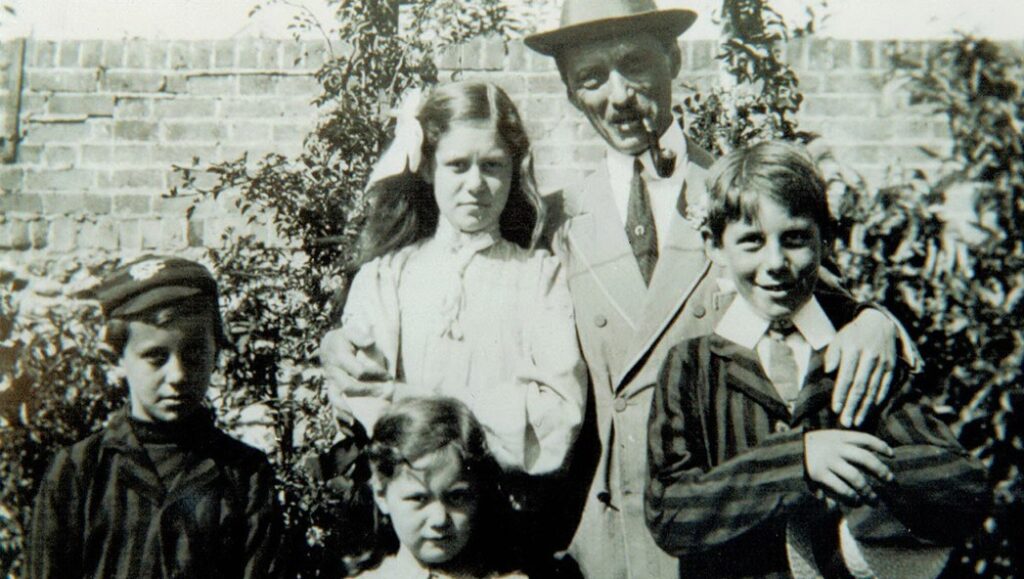
‘The photos and films depicting the mass scale of murder and annihilation are horrifying. Still, it is perhaps even more harrowing to look into the eyes of those staring at us from the photos, people whose fates we do not know.’
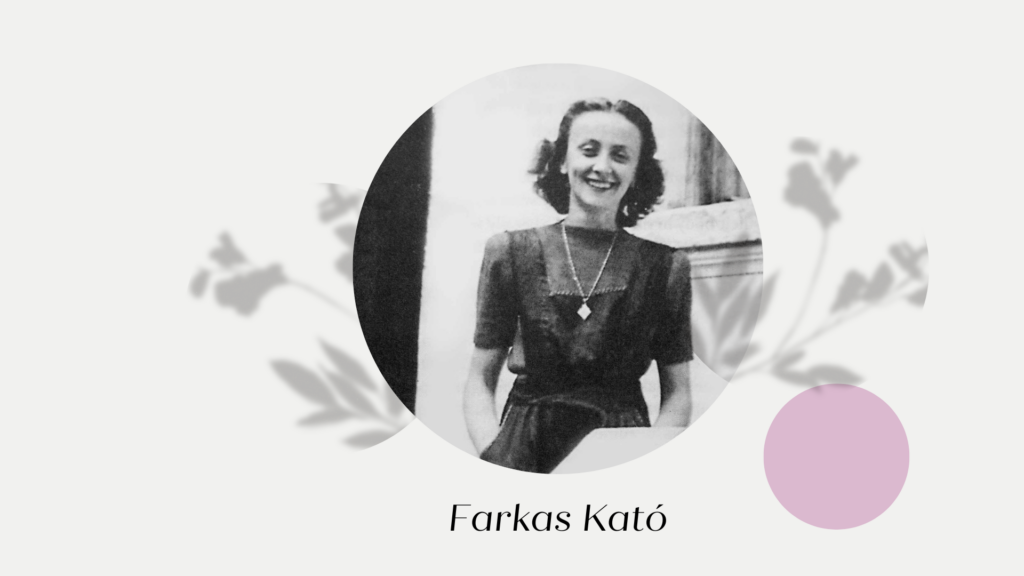
‘To survive—that was the guiding principle of Kató Farkas’s life, who passed away in her 100th year. No matter what happens, that is all you have to think about, she always told herself and others.’
‘A little girl who learned to love nature and freedom from her parents cares little about those who think that a young doctor and mother of two children should stay at home and look up recipes for baby food instead of seeking challenges.’
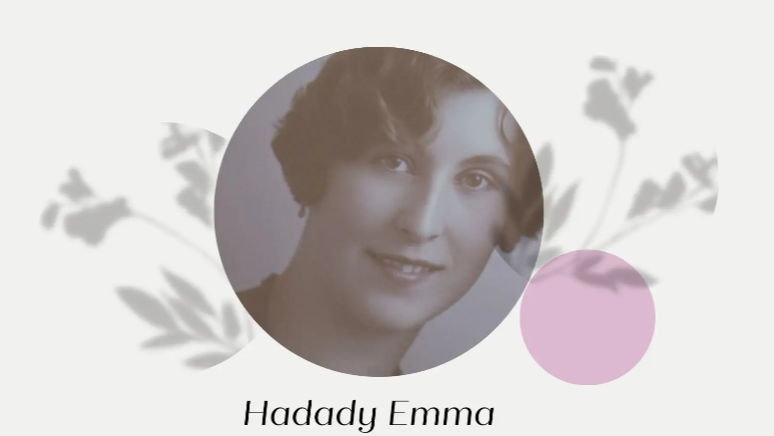
Kind, educated, and beautiful—that was the general opinion of Bailiff Hadady’s daughter. The next heroine in Magyar Krónika’s series about famous Hungarian women is Emma Hadady, who died a martyr’s death in Celebes during World War II alongside her doctor husband.
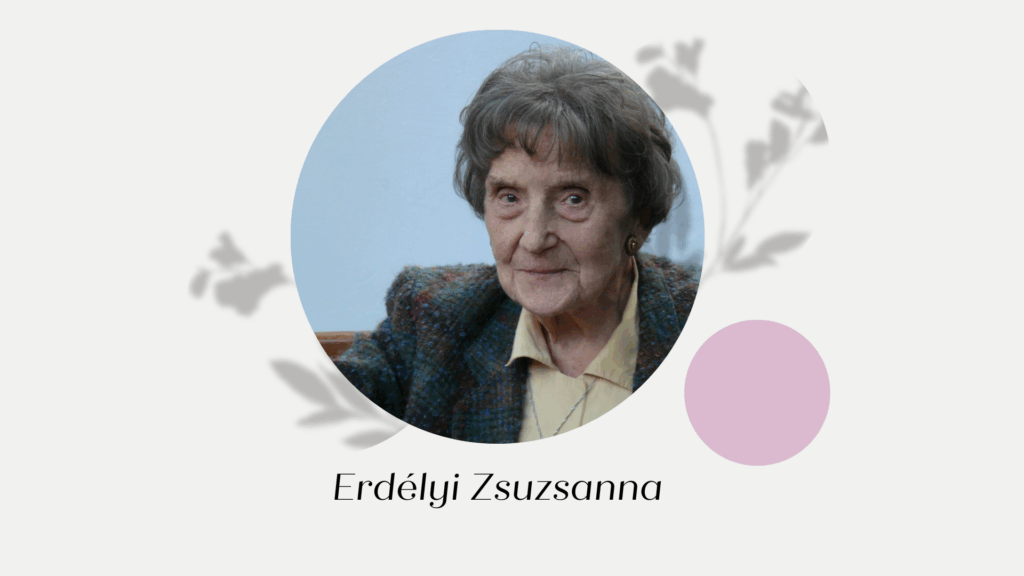
Her hobby became her job: travelling. She leads groups to destinations around the world—excursionists, hikers, and travellers drawn to her relaxed, easy-going style. Get to know the story of Zsuzsanna Kovács, aka Female Yeti.
‘She searched, researched, and reached the oldest layers of our culture, whose memories had been passed down through generations in words, melodies, and spirituality. She rescued our archaic folk prayers from oblivion and became the defining figure, analyst, and systematizer of the genre.’
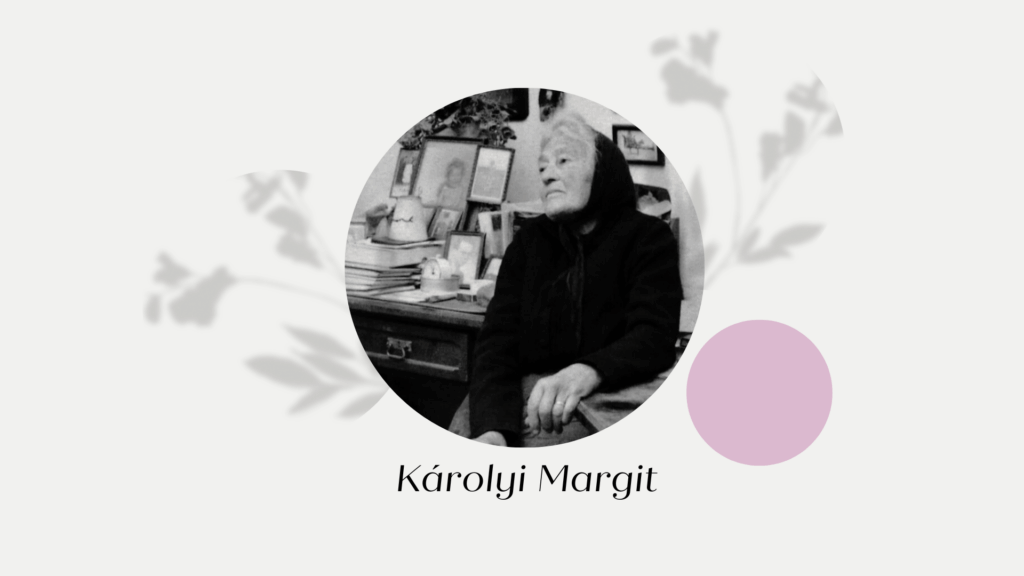
‘My grandmother was not a revolutionary; she was a lady of grace, but she treated everyone equally,’ Péter Esterházy wrote about his grandmother. A countess who lost her home, her two sons died, and her husband and daughter fled abroad—Mrs Margit Károlyi Esterházy lived in a monastic cell next to the family castle during the last years of her life.
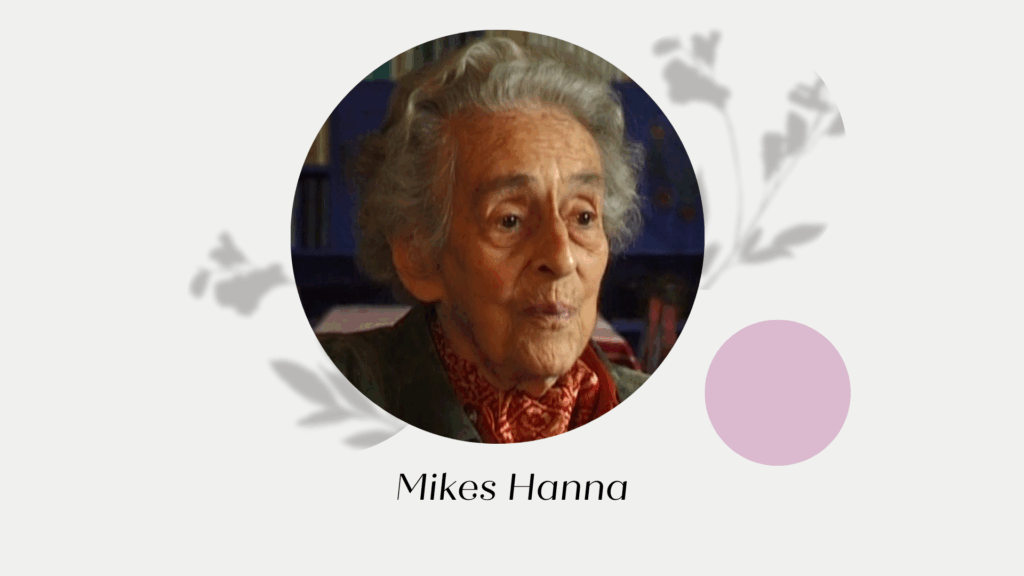
She was the daughter-in-law of Pál Teleki, and in her heart she remained Transylvanian to the very end. The untamed countess of Zabola—the eternal rebel—the story of Hanna Mikes.
‘Our heroine wanted to become an engineer from an early age and chose the least feminine of all disciplines—structural engineering. She drew up the plans for the reinforced concrete structures of the national swimming pool designed by Alfréd Hajós…and it was her task to reinforce the collapsed roof structure of the damaged National Theatre.’
‘In international studies, the Hungarian merchant is considered one of the discoverers of Tibetan art, as he recognized the cultural values of the Himalayan peoples early on…He is also considered the second founder of the Asian Art Museum, founded by Ferenc Hopp, as he donated so many, mainly Indian and Tibetan statues and scroll paintings, to the collection.’

At a time when public debate is increasingly polarized and superficial, Hungarian Conservative remains committed to depth and independent thought.
Donate Now
Please consider supporting our mission.