
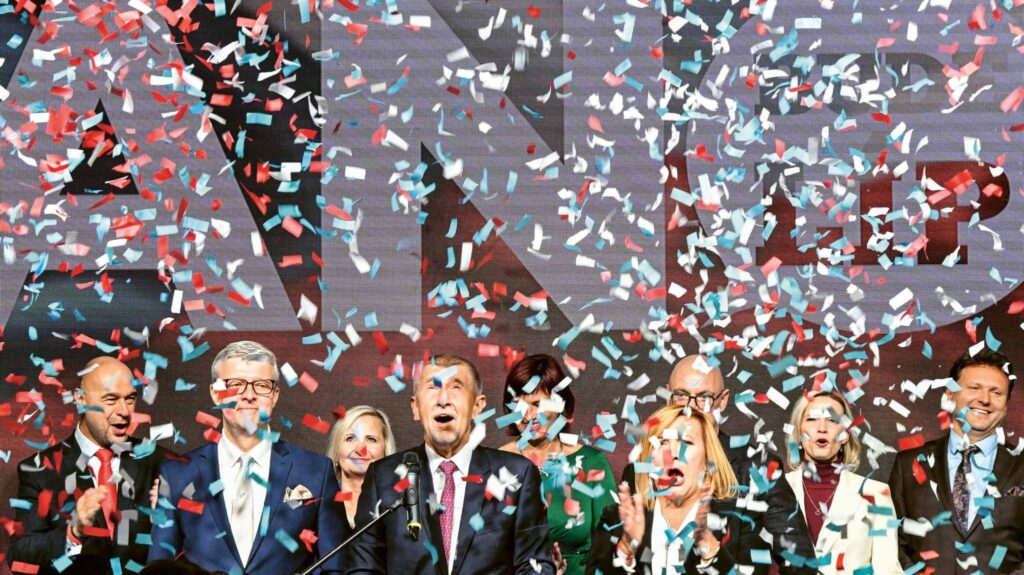


‘The Czech Republic’s new coalition government…marks a shift towards a sovereignty-focused, security-conscious, and state-centred model of governance.’
Slovakia’s parliament has passed a constitutional amendment asserting the primacy of domestic over international law. Backed by PM Robert Fico’s government, the changes enshrine traditional values, define gender as male and female, restrict adoption rights, and give parents more control over sex education—moves likely to spark criticism from the EU.
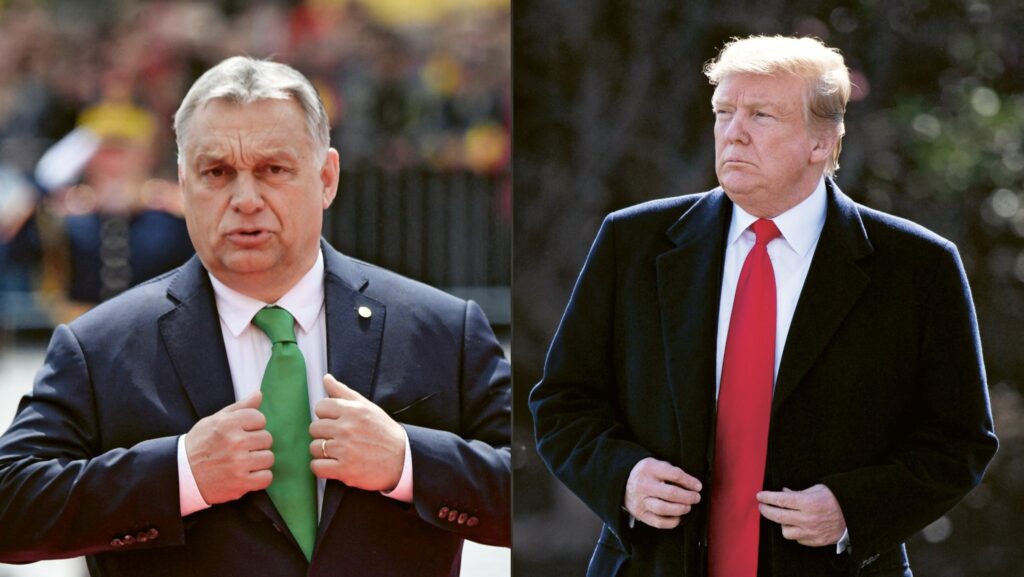
‘There is a historic chance for US–Hungary relations to peak, and it depends in no small part on the two leading players. Even though Hungary is a member of the EU and NATO, in the last two decades, American Democratic administrations have been explicitly hostile towards it…With the US president behind him, Orbán could be much more effective in strengthening his conservative agenda in Brussels, which until now has been an uphill struggle.’
As has been revealed many times, the goal of both the three-party coalition and the new president is to pursue a sovereigntist policy within the Euro-Atlantic region. Hungary has been doing the same thing for over a decade. For this reason, it is likely that in the near future, the two nations will be able to support each other in exerting their influence in the EU and NATO. Hopefully, the beneficiaries of such international cooperation will also include the ethnic Hungarians living in Slovakia.
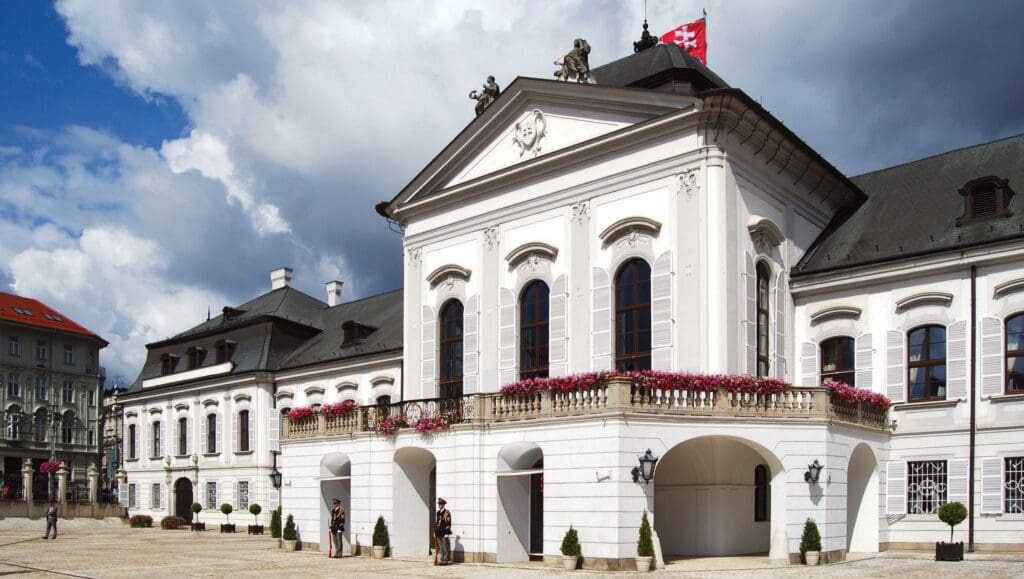
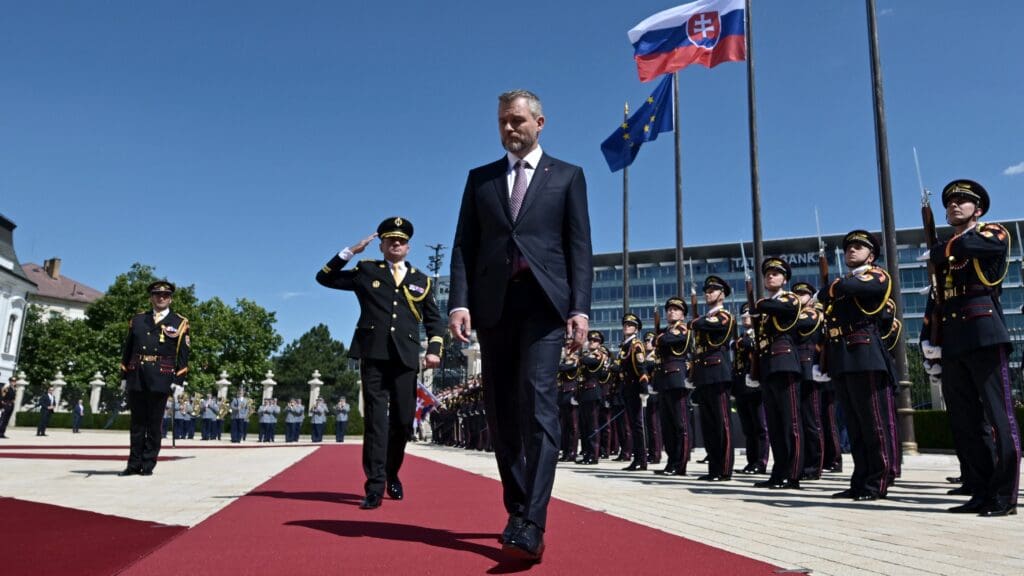
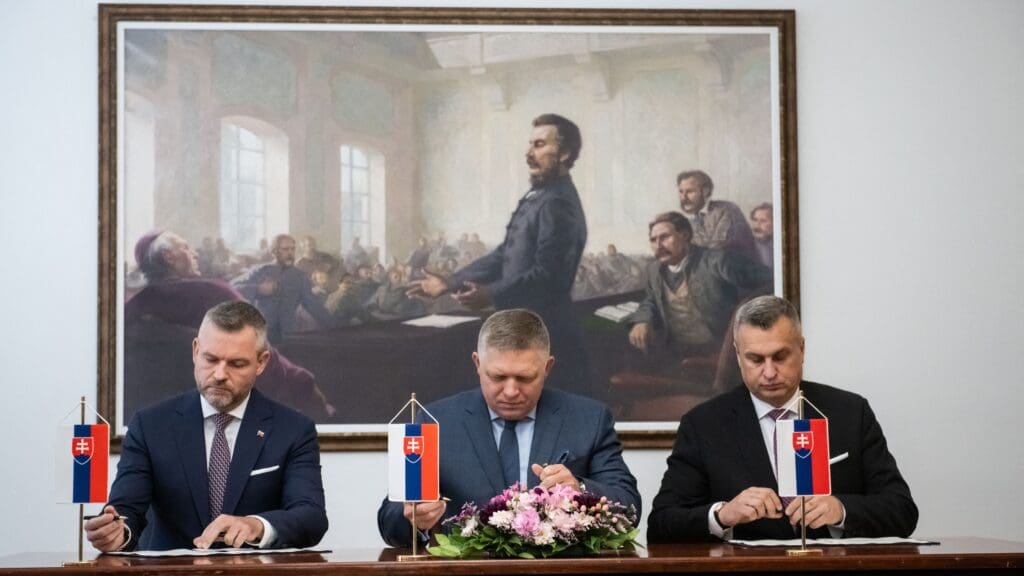
Slovakia’s newly elected president, Peter Pellegrini (49), was inaugurated on Saturday, 15 June in Bratislava. This historical moment is not simply a change of guard but, after the 2023 parliamentary elections, it is the last step in a significant shift in the country’s political landscape, stirring anticipation and hope for a patriotic future in Central Europe.
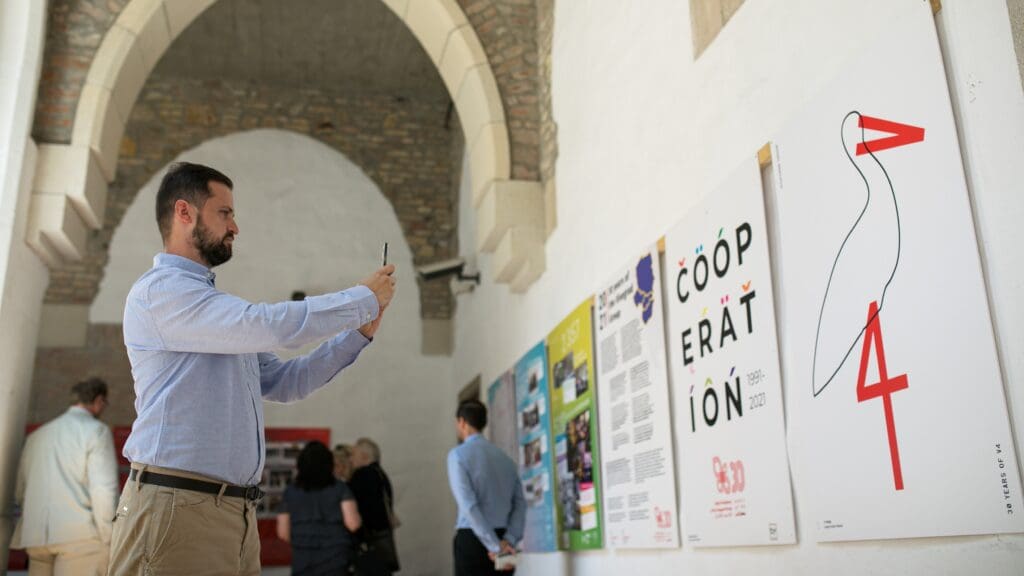
On Thursday, 23 May the Warsaw Institute of Poland organized an online panel discussion on the future of the Visegrad Group, focusing on issues such as the Russo-Ukrainian war and the EU integration of the West Balkans.
According to Slovak media, the assailant of Prime Minister Robert Fico is a 71-year-old man from Levice who kept a gun legally. PM Fico is currently undergoing life-saving surgery according to Slovak reports. Not long after the assassination attempt, Hungarian PM Viktor Orbán tweeted on X the following: ‘I was deeply shocked by the heinous attack against my friend, Prime Minister Robert Fico. We pray for his health and quick recovery! God bless him and his country!’
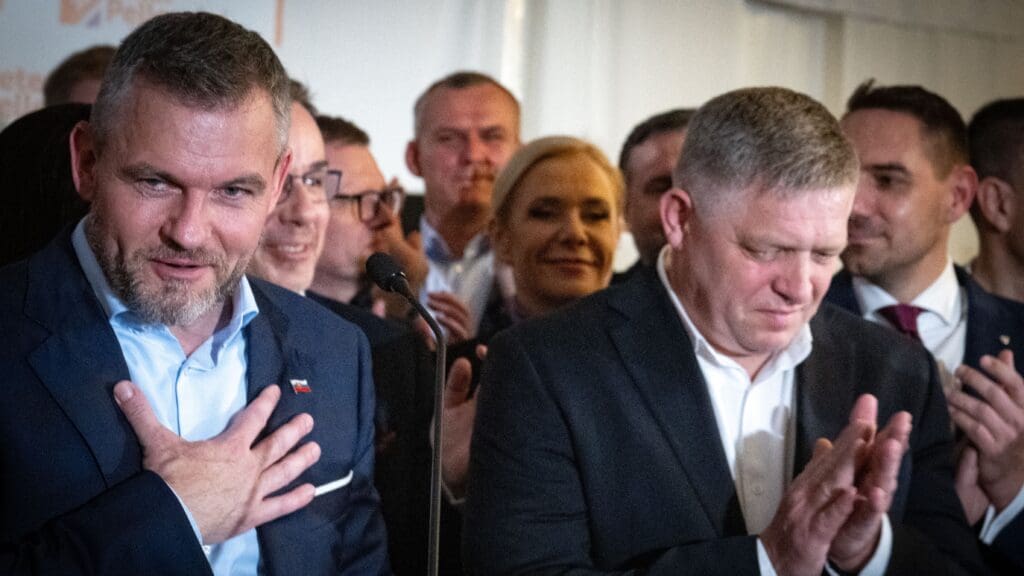
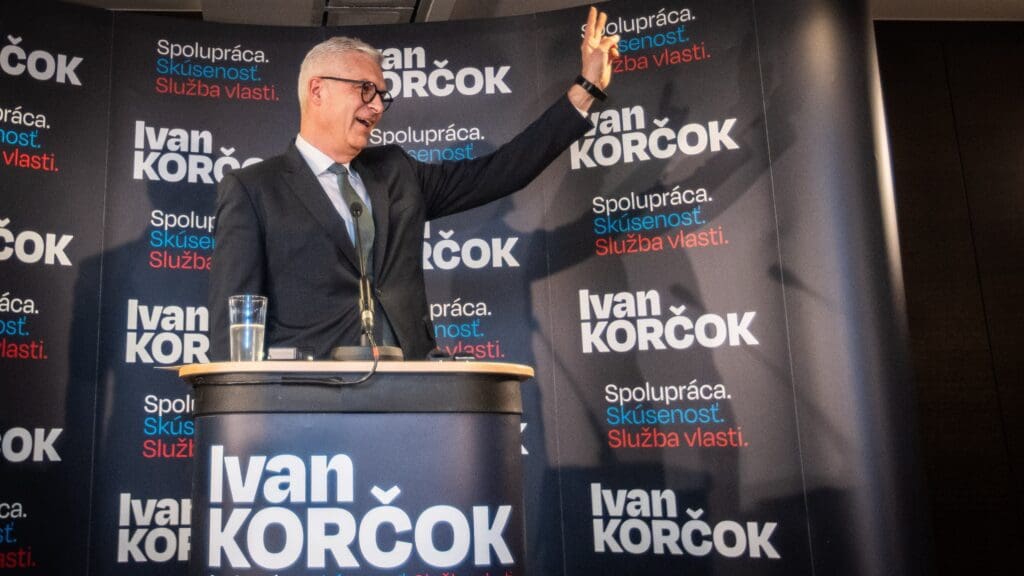
Amid a record high voter turnout, former House Speaker Peter Pellegrini, the sovereigntist candidate, won the Slovak presidential election with more than 1.4 million votes, including those of most ethnic Hungarian voters.
While conservative ethnic Hungarians mainly stood behind Alliance candidate Krisztián Forró, a significant part of the liberal camp either stayed away from the polls or voted for the liberal–progressive Slovak candidate in the first round. From the Hungarian perspective, it is also ominous that the participation in the Hungarian-majority Southern areas was well below that of the rest of the country. If this trend is not reversed shortly, it could lead to dire political consequences for the whole ethnic community.
‘The main criticisms against the four Slovak governments of the past three years were the lack of competence and the imposition of ad hoc solutions. The current government coalition has produced the exact opposite: it carries out the programme that its political opponents are most afraid of and does so with panache.’

At a time when public debate is increasingly polarized and superficial, Hungarian Conservative remains committed to depth and independent thought.
Donate Now
Please consider supporting our mission.