
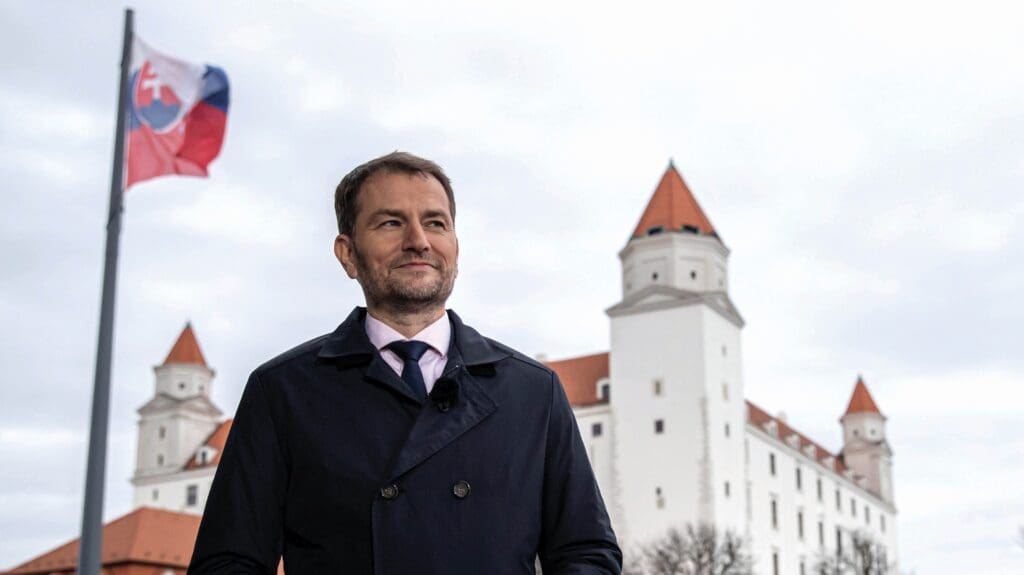
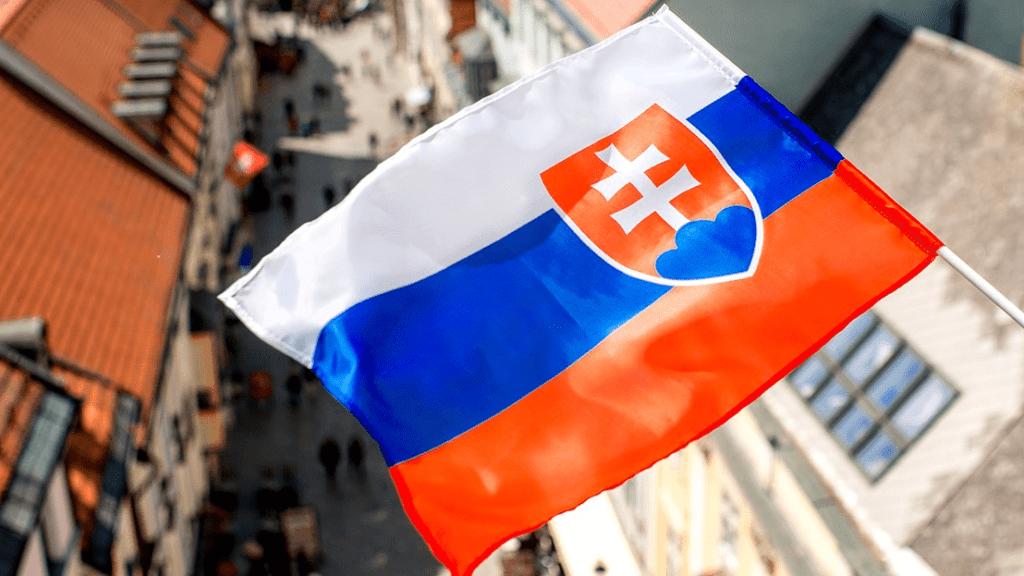
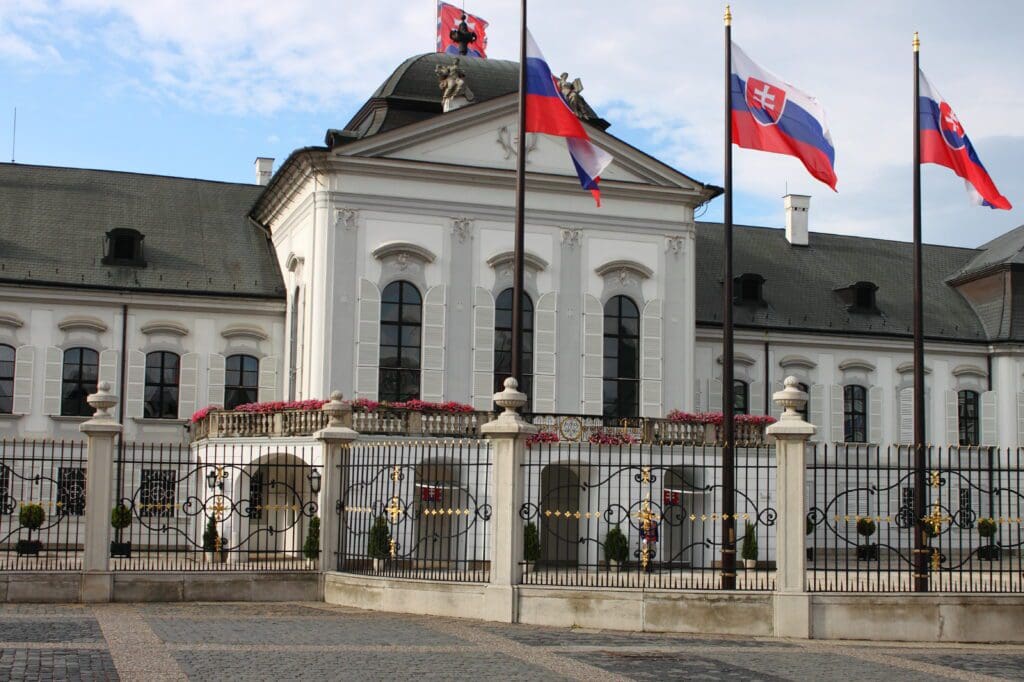
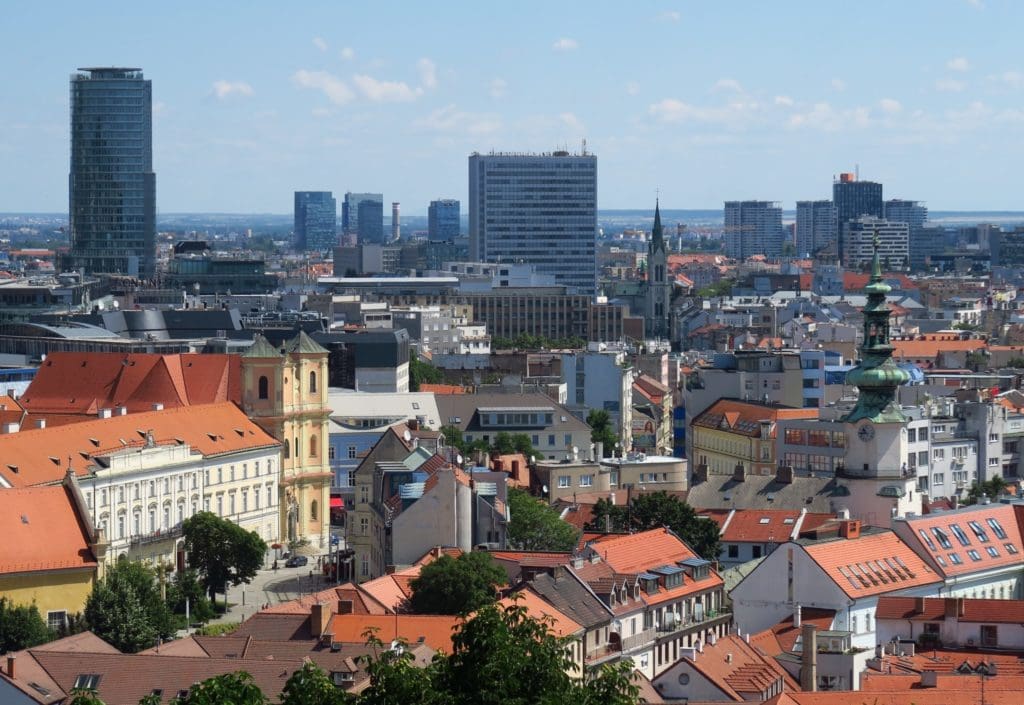
The 2023 elections in Slovakia were looked upon with great anticipation by both the conservative and liberal sides. The stakes were high: whether the Central European country would remain on a progressive road or take a national turn.
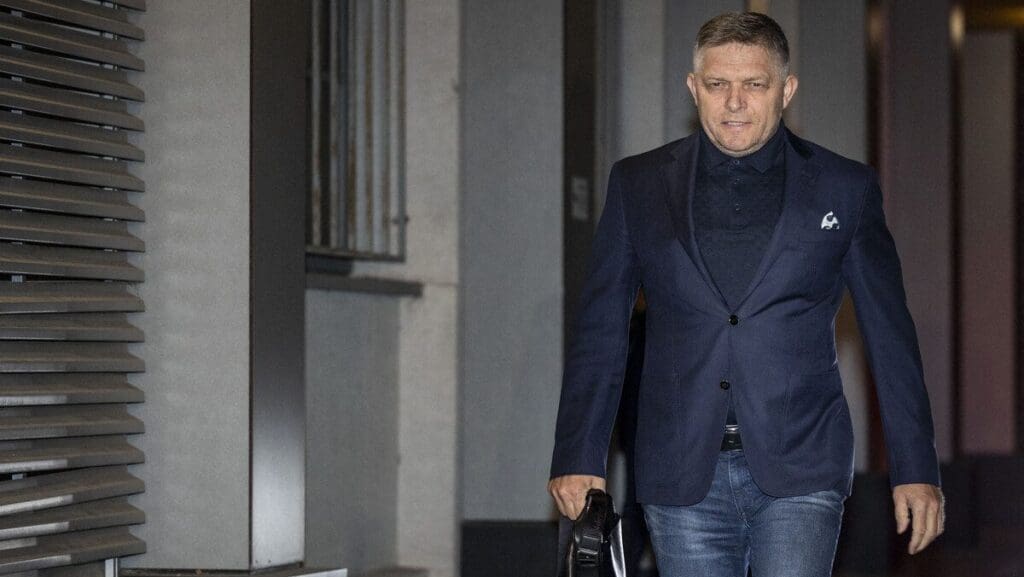
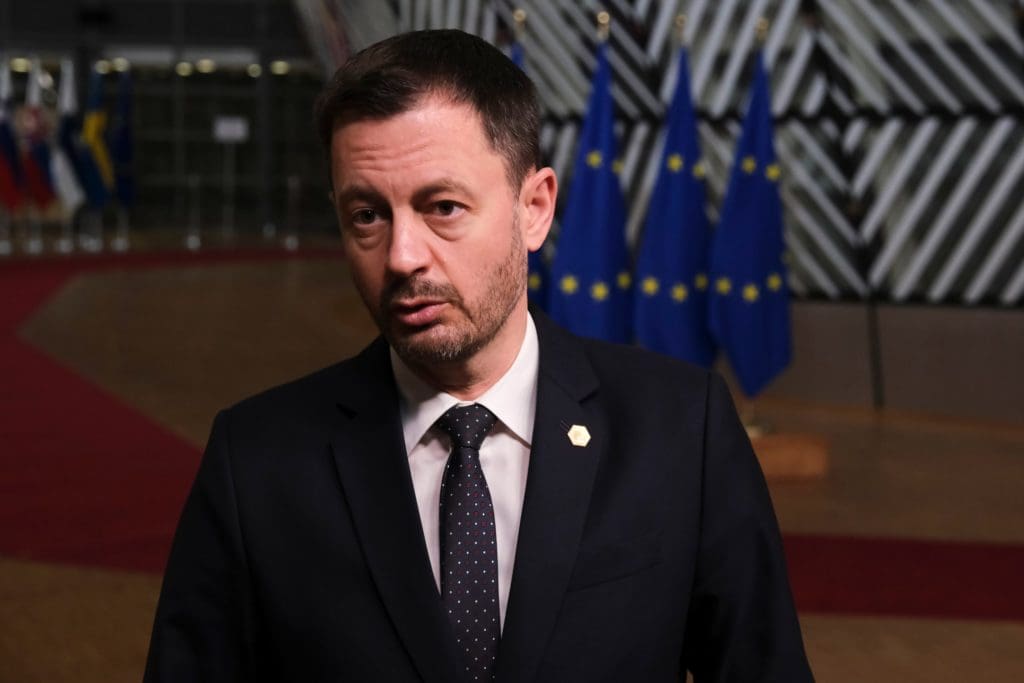
Fulfilling the predictions of the recent polls, the SMER party has won the early elections in Slovakia. Robert Fico will likely be elected prime minister for the fourth time in the history of the Central European country.
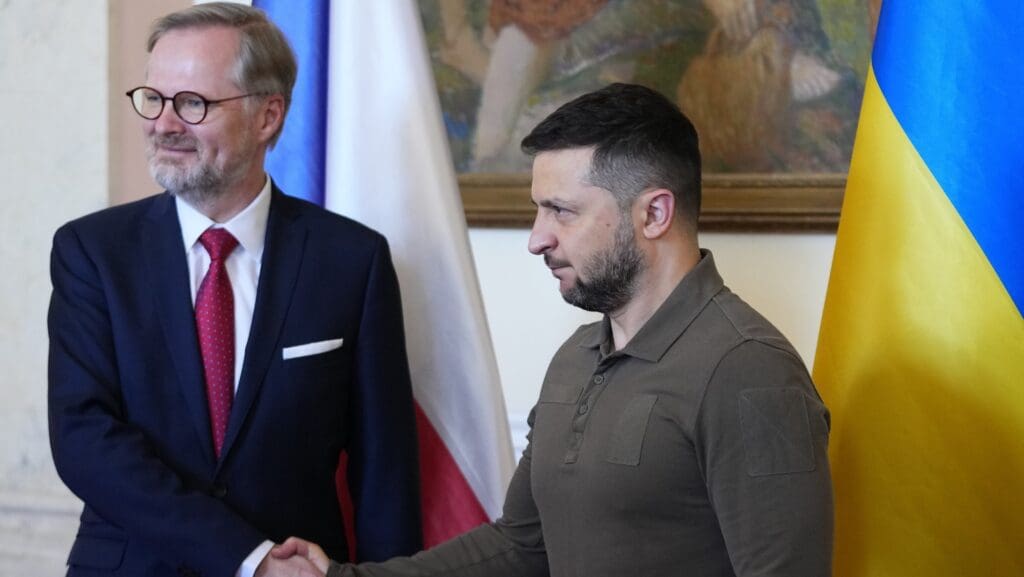
While Sofia, Prague, Bratislava and Ankara seemed to be eager to send more aid to Ukraine and support the war-torn country in its NATO bid, the NATO summit in Vilnius must have been a disappointing ending to a promising start for Zelenskyy.
‘Slovakia has turned thirty years old. Whether the past three decades can be considered a success story remains an open question. The Slovak nation achieved the independence it had always wanted.’
On the state level, the most widely supported party happened to be the 2021-founded unified Hungarian formation, Aliancia – Szövetség, which will obtain almost 13 per cent of the available seats and have 54 representatives state-wide in the next cycle alone. This is an excellent result and an encouraging sign for ethnic Hungarians two years before the upcoming parliamentary elections.
Until now, Hungarian international investments were present most spectacularly in the banking and oil industries, but the phenomenon has also been spreading to a much lesser extent in the cultural sector. This time, the hostile attitude towards Hungarian capital outflows is most noticeable in Slovakia.
The opposition is growing at the political level and demanding early elections. According to Matovič, the coalition may fall in the Autumn. Sulík considers this differently: there is no reason for the government’s fall but the replacement of the Minister of Finance.
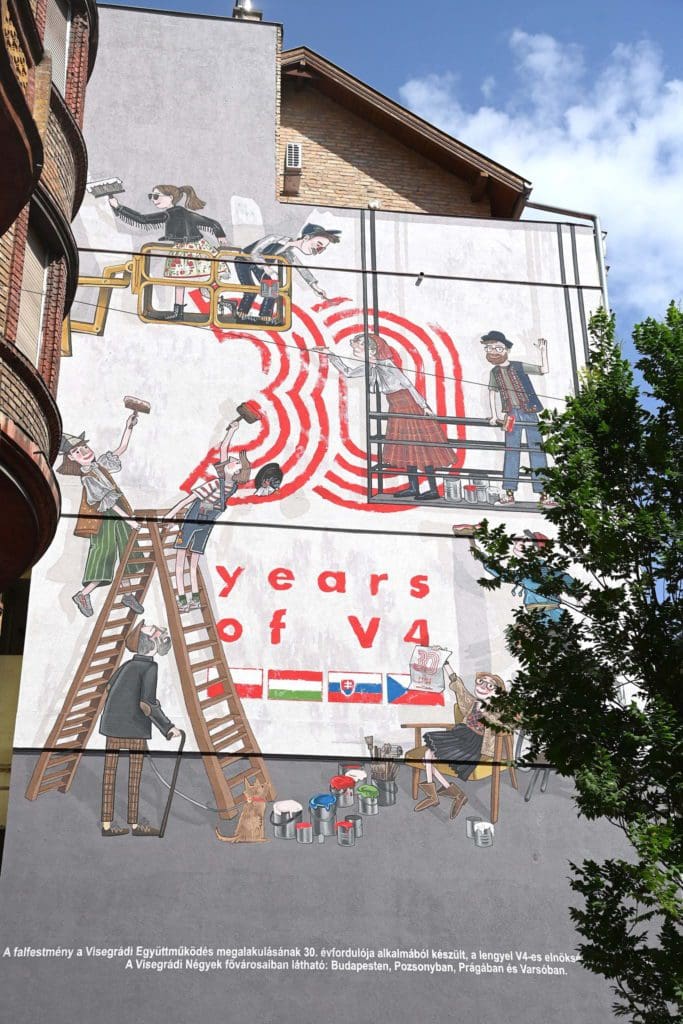
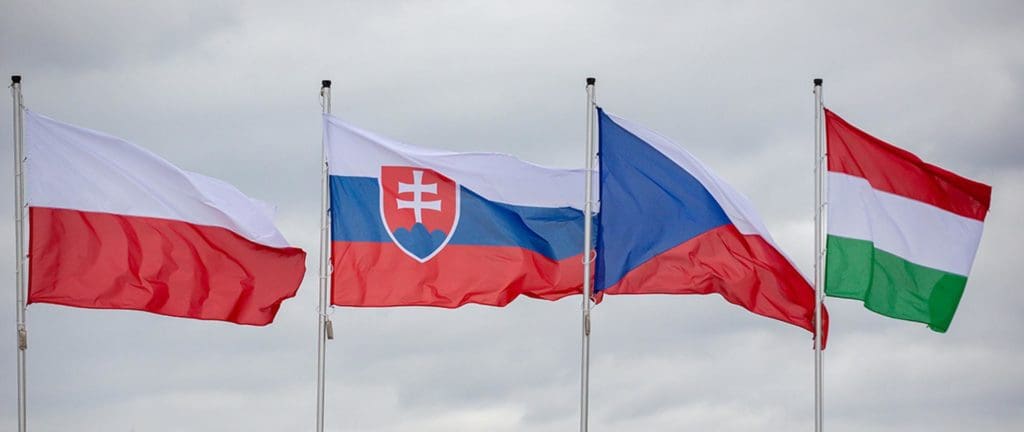
In the last decade, both Poland and Hungary have been actively formulating European policy; however, this duo is not strong enough without the active support of the Czech Republic and Slovakia. It is also a warning sign that the loudest criticisms of Hungary and Poland can often be heard from inside the V4.
What is certain is that there is no shortage of creative ideas on how to support Ukraine. What is surprising, however, is how forcibly and spectacularly the Slovak Republic, which was extremely close to the Russian Federation in the nineties, is trying to oppose this great nuclear power.
The Hungarian Prime Minister, Viktor Orbán also condemned the Russian move and at the same time made it clear that deploying Hungarian soldiers or military equipment to Ukraine was out of the question.
At a time when public debate is increasingly polarized and superficial, Hungarian Conservative remains committed to depth and independent thought.
Donate Now
Please consider supporting our mission.