

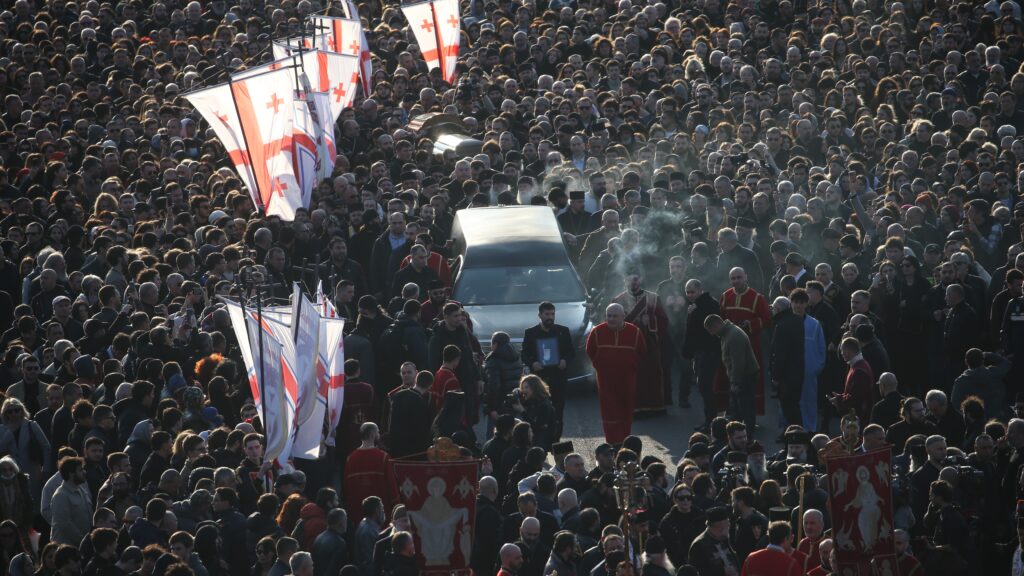


‘The Church, much as it had been during Tsarist Russia, became thus a means of resistance, of assertion of one’s national identity—of Georgianness. The fall of the USSR allowed for this religiosity to flourish…Patriarch Ilia, by the early 1990s at the helm of the Church for little more than a decade, ensured this renewed religiosity would not be a fleeting sparkle but an enduring flame.’
‘In the coming years, the main fault line in European politics will be less political and more historiographic: between those who see the West as having started 2000 years ago, and those who see its birth as intrinsically tied to a 20th-century political model.’
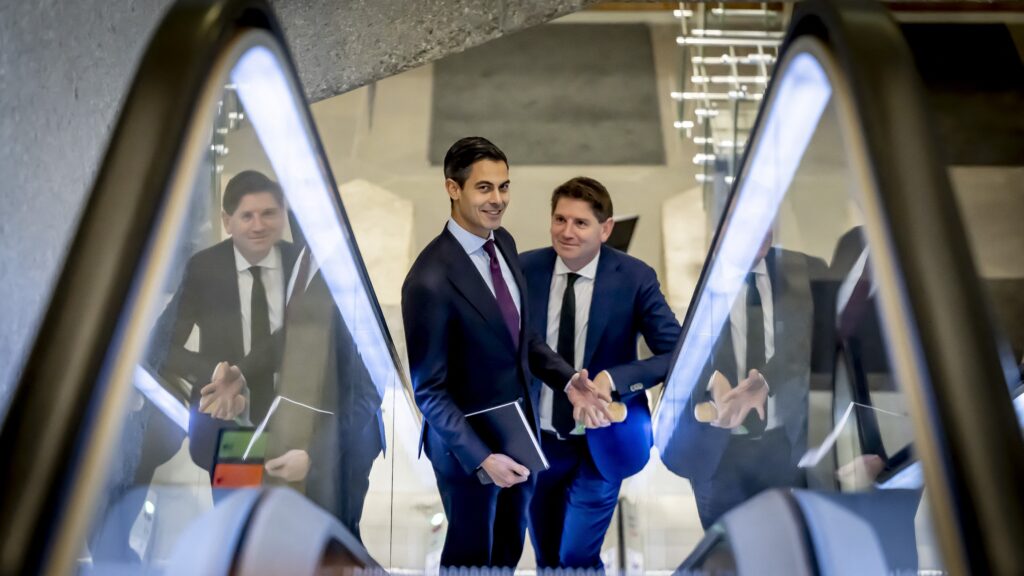
‘A D66-led government would most likely eliminate most Dutch resistance, from environmental projects to diplomatic disputes between EU Members and foreign policy.’
‘In a country aiming for EU membership, the Church chose confrontation over passive acceptance of draconian laws. And it won.’
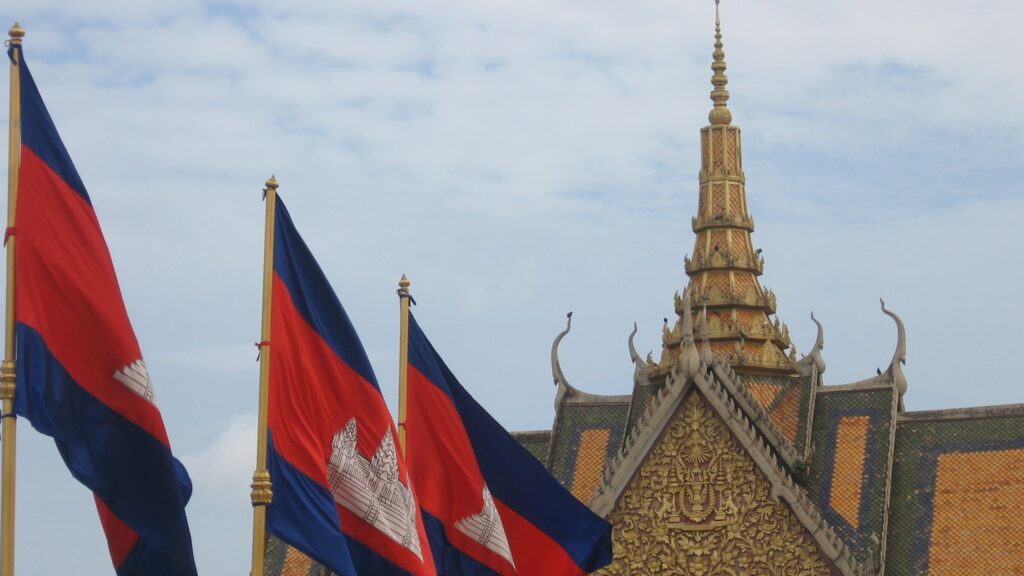
‘Beyond the purely political and economic, a strong civilizational synergy remains between the two nations. Hungary and Cambodia share the common fate of being ancient countries undergoing processes of national renewal and self-discovery, with the traumas of Communist anti-historicism—and the temptations of liberal ahistoricism—now largely behind them.’
‘Paying homage to a towering figure is always a herculean task…That this simple building with its Romanesque arches would house the Mausoleum of a great King, and some of the most beautiful murals in the entire country, is more than a virtuous artistic choice. It is a metaphor for Hungary itself—a nation of immense beauty, history, and faith, if one knows where to look.’
‘Trzaskowski lost because he should never have been the candidate—because his party distanced itself from its own electorate to the point of no longer being able to read their intentions, desires, and positions. Add to that the ever-growing urban–rural divide in present-day Europe, which…proved too steep even to be acknowledged by a party membership that is mostly urban and liberal-leaning.’
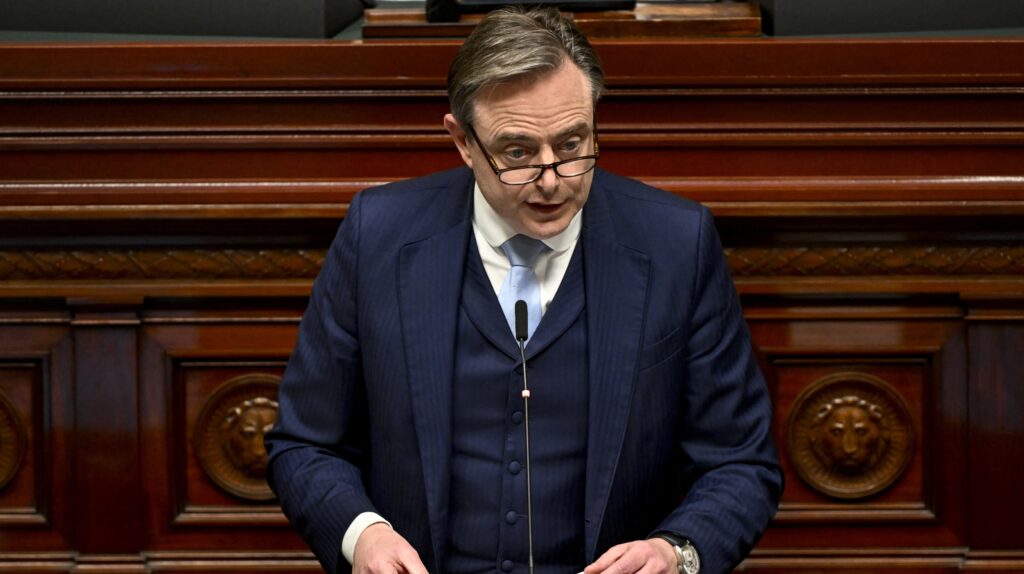
The leader of Belgium’s most important Flemish nationalist movement in decades has been put in charge of a right-leaning coalition in the country he once vowed to split.
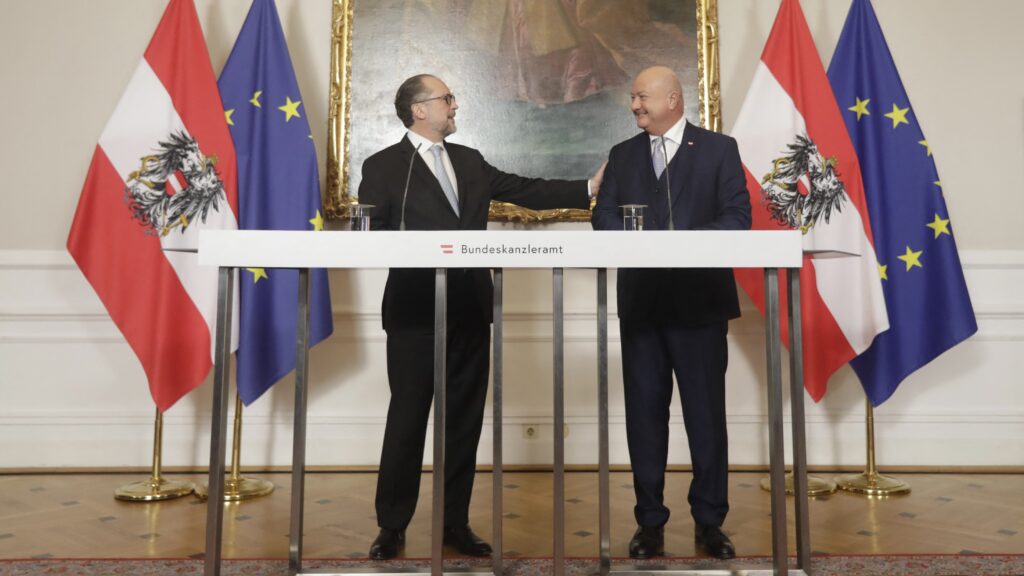
‘Stocker’s old-fashioned, almost managerial Christian democratic character and his almost accidental path to the Chancellorship add to the contradiction between the electoral results and the resulting government…it is undeniable that voters have overwhelmingly rejected the previous ÖVP–Green coalition, with both parties suffering major losses, and voted for change rather than continuity.’
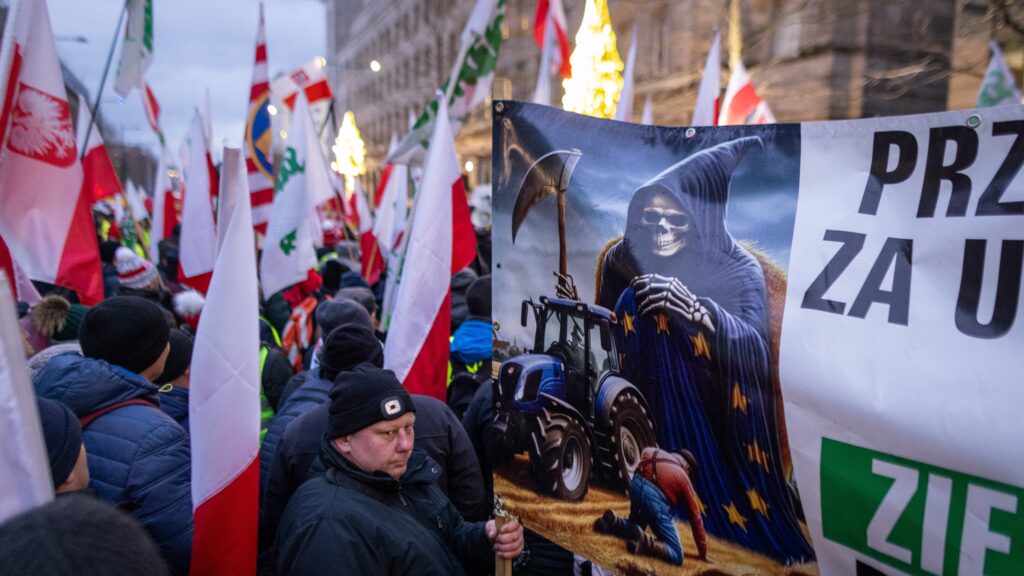
‘One is constantly reminded of Hallstein’s [Stresa] speech when analysing the turbulences of the recent years in Europe’s fields and countryside towns, occasionally bringing the distinct view of columns of tractors and piles of hay to the polished streets and thoroughfares of European capitals. And, out of the several farmers’ movements that have swept the EU since 2022, few dialogue so much with Hallstein as the Polish one.’
At a time when public debate is increasingly polarized and superficial, Hungarian Conservative remains committed to depth and independent thought.
Donate Now
Please consider supporting our mission.