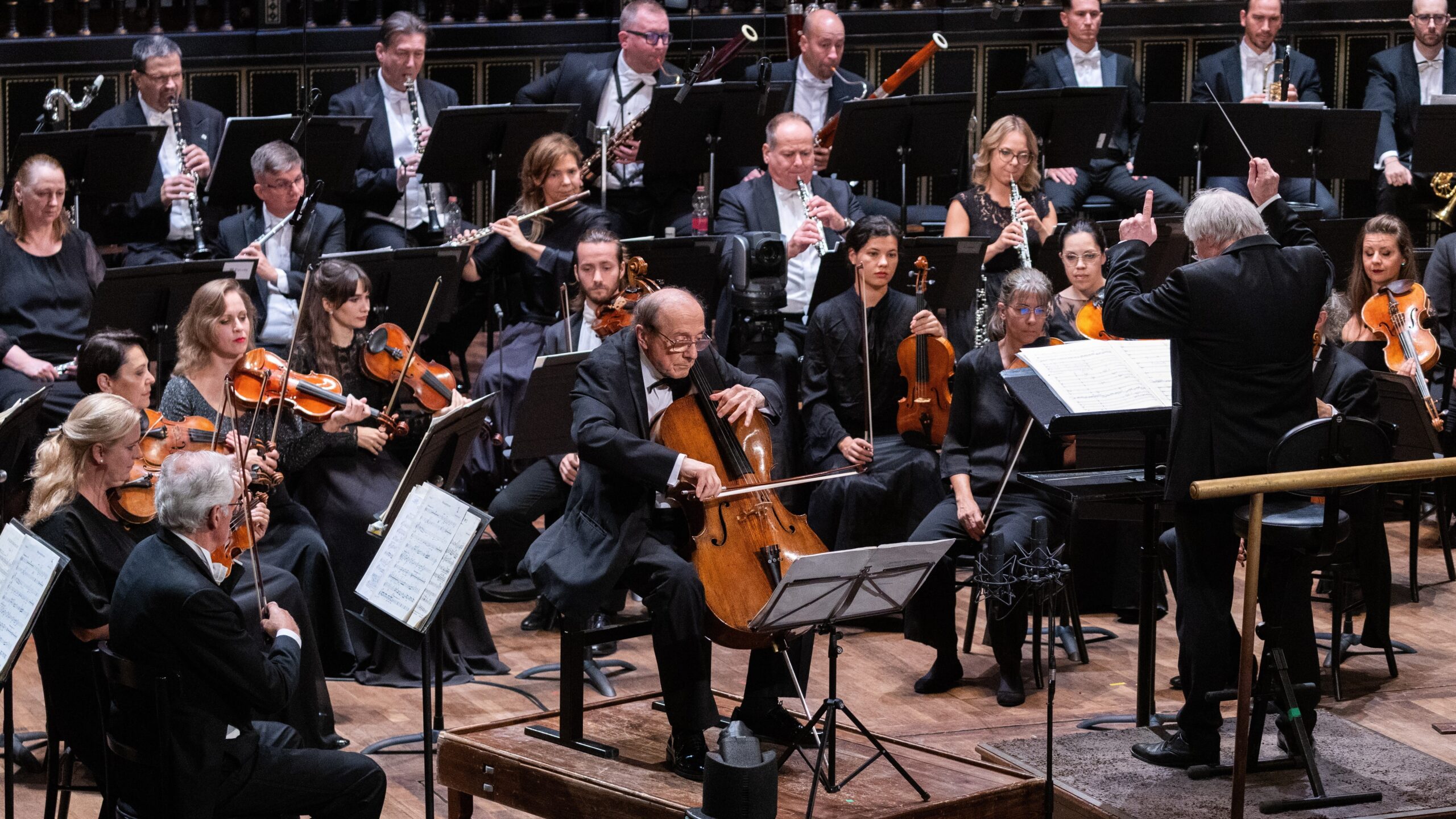
Generative artificial intelligence could put nearly one-fifth of Hungary’s music royalty revenues at risk by 2028, with cumulative losses potentially reaching 12 billion forints between 2025 and 2028, according to a report published by ProArt – Alliance for Copyrights on Wednesday.
The organization’s latest music industry report examines the economic impact of generative AI and argues that technology companies have been using music content to train AI models without obtaining permission from songwriters, performers and record labels.
The report estimates that AI-related royalty losses in Hungary could reach 19 per cent in 2028, equivalent to 5.8–6 billion forints that year. The estimate covers music royalty revenues collected by Artisjus, the Performers’ Rights Protection Office (EJI) and Mahasz.
ProArt identified background music, production music and streaming as among the areas most exposed to the impact of AI. The report also introduces the concept of a new ‘value gap’ between the companies benefiting financially from AI-generated music and the creators whose work contributes to the development of the technology.
Technology companies such as Suno and Udio have achieved multi-billion-dollar valuations and generate significant subscription revenues, while Hungarian musicians and record labels receive no share of those revenues despite their works being among the material used to train AI systems, the report said.
Hungarian musicians generate more than 282 billion forints in added value each year, directly and indirectly, equivalent to around 0.3 per cent of GDP. ProArt warned that this economic contribution could be significantly weakened by the impact of AI.
The analysis, prepared by WhiteReport, is based on Hungarian data from Artisjus, EJI and Mahasz, international market data and 16 in-depth interviews with industry professionals. International studies cited in the report estimate global revenue losses of between 23 and 30 per cent by 2028.
ProArt called for several measures to address the issue, including requiring copyright holders’ prior consent before their works can be used to train AI models. It also said creators should receive a share of the economic benefits generated by the technology and that it should be possible to identify which works were used to train AI models.
The organization further called for AI-generated music to be clearly labelled on streaming platforms.
Deezer and Spotify have already taken steps towards detecting and labelling AI-generated content, ProArt noted, but comprehensive regulation has yet to be introduced.
Related articles:
At a time when public debate is increasingly polarized and superficial, Hungarian Conservative remains committed to depth, intellectual honesty, and independent conservative thought.
Producing high-quality journalism requires resources. Your contribution helps us expand our coverage, reach new audiences, and keep our content accessible.

Please consider supporting our mission.