Concerns about potential external influence on Hungary’s upcoming parliamentary elections have been outlined in an article by Balázs Orbán, published on X.
In the post, Orbán highlighted earlier criticism from the United States House Judiciary Committee, which argued that the European Union’s Digital Services Act (DSA) could be used to influence political processes within member states. According to the article, such mechanisms may shape online discourse in ways that affect electoral outcomes.
The issue was further amplified by Australian commentator Mario Nawfal, who drew attention to reports that the European Commission had activated a ‘rapid response’ mechanism related to Hungary. The system, according to these claims, involves cooperation with fact-checking networks and non-governmental organizations in moderating online content ahead of the vote.
Orbán argued that these developments could influence the digital public sphere in favour of opposition leader Péter Magyar. He also referred to claims about changes in social media visibility, including suggestions that content by Prime Minister Viktor Orbán has seen reduced reach, while opposition figures have experienced higher engagement.
The article also addressed the role of public opinion polling, noting that widely circulated surveys showing strong support for opposition forces may shape perceptions of likely electoral outcomes.
In addition, Orbán pointed to geopolitical tensions involving Zelenskyy and disputes over energy supplies as contributing factors to the broader political environment surrounding the election.
The European Commission has not publicly confirmed claims of political interference and maintains that the DSA is intended to combat disinformation and ensure transparency across digital platforms in the EU.
The topic has also drawn attention in the United States, where some policymakers have raised concerns about the broader implications of digital regulation for elections and free speech. Furthermore, in relation to the issue, Dutch political commentator Eva Vlaardingerbroek also expressed concern.
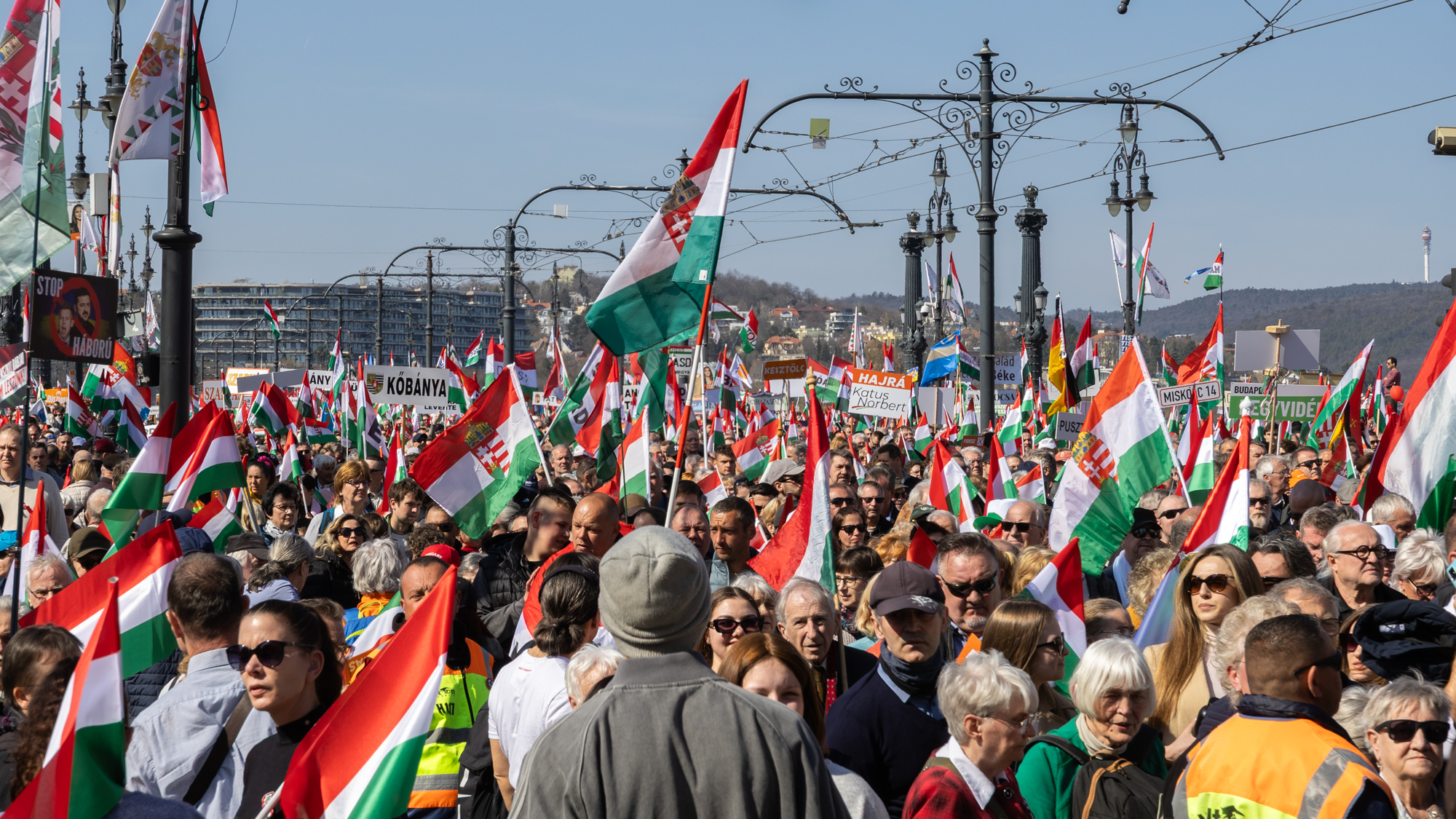
Meanwhile, political mobilization in Hungary has intensified ahead of the elections. Large demonstrations in Budapest and campaign events across the country reflect heightened public engagement, as Prime Minister Orbán continues his campaign while also attending European Union meetings in Brussels.
Related articles:
At a time when public debate is increasingly polarized and superficial, Hungarian Conservative remains committed to depth, intellectual honesty, and independent conservative thought.
Producing high-quality journalism requires resources. Your contribution helps us expand our coverage, reach new audiences, and keep our content accessible.

Please consider supporting our mission.