At least five girls aged 14 or younger who arrived in Ceuta during last week’s migrant invasion from Morocco have been treated at the Spanish enclave’s university hospital after allegedly being raped.
Local newspaper El Pueblo de Ceuta reported on Friday, 7 August, that prosecutors had opened preliminary proceedings in two cases and that no arrests had yet been made. Police separately confirmed to EFE an investigation based on one girl’s complaint; police sources said the perpetrator in that case was believed to be among those who entered Ceuta irregularly on 30 July.
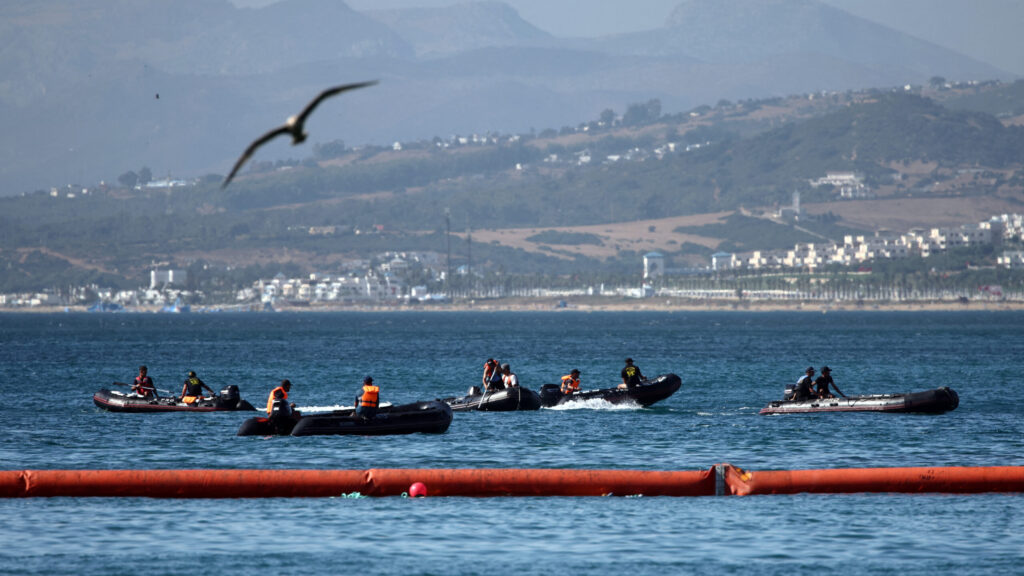
Last Thursday, tens of thousands of illegal migrants invaded Ceuta, a Spanish enclave in North Africa surrounded by Morocco, mainly by sea, after a Supreme Court ruling prohibited immediate pushbacks for sea arrivals. The Interior Ministry said on 4 August that a total of 72,000 migrants had arrived, adding that 70,000 had already returned. Mayor-President of Ceuta Juan Jesús Vivas said city authorities estimated 80,000 arrivals, of whom 6,000 to 8,000 remained. Madrid said about 2,000 were still in the city.
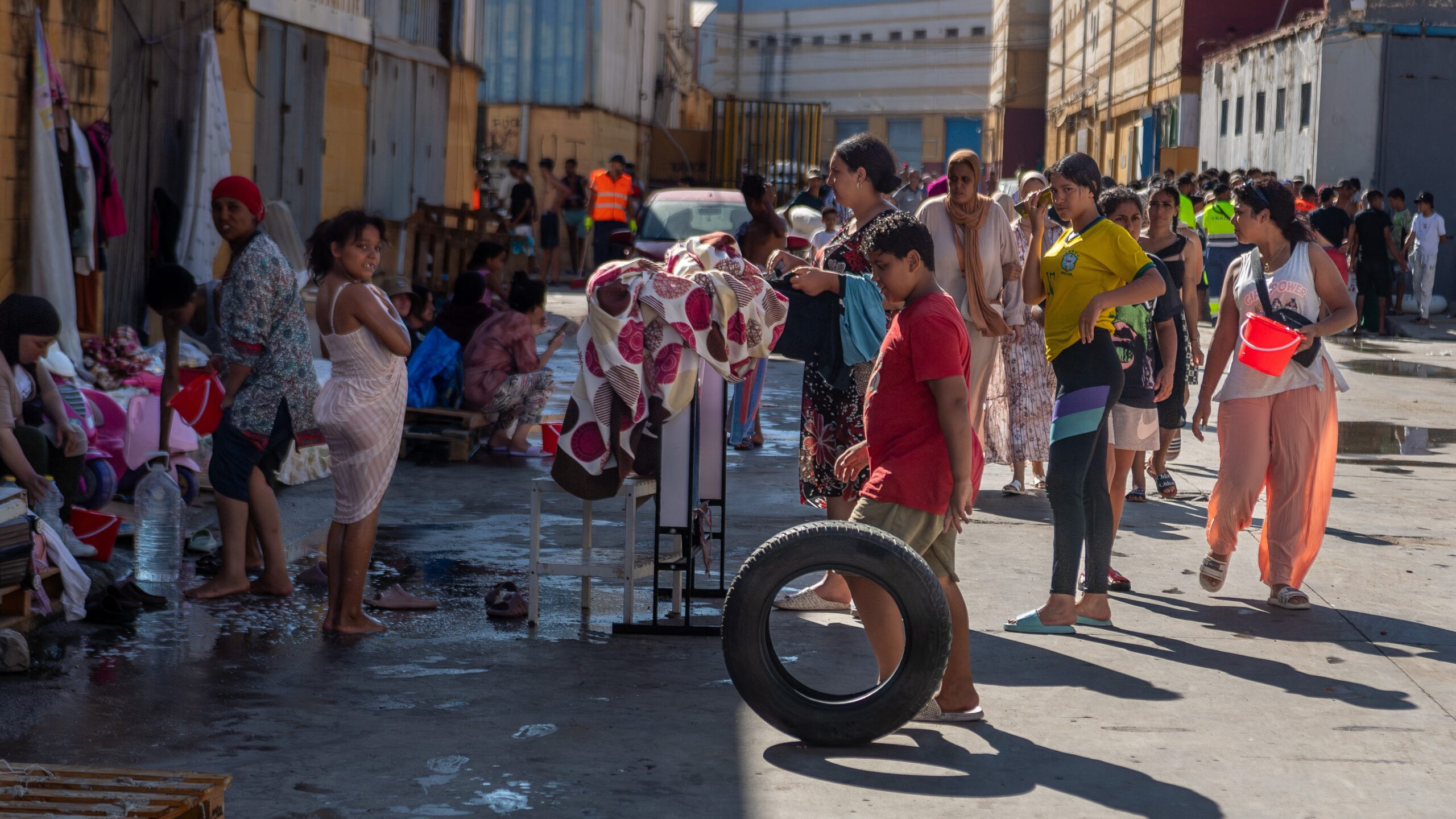
Many of the arrivals, and those who remained, are unaccompanied minors. Youth Minister Sira Rego said 1,342 had been registered by Friday. Reuters reported that Ceuta’s normal reception capacity for minors is about 90, against roughly 1,100 needing accommodation, with children sleeping rough, on the streets; while two schools already converted into emergency shelters. The government wants to transport minors to mainland Spain, distributing them between regions under the regional solidarity mechanism.
According to NGO Save the Children, the number is significantly higher, with between 4,000 and 7,000 minors still in the city. Juan Jesús Vivas also acknowledged that the precise number of unaccompanied minors was not known because some were still on the streets or hidden on beaches and in the mountains, while others were living in overcrowded conditions. He complained to the central government that not all the minors wandering around Ceuta had yet been identified, while describing the reception centres as operating at 2,600 per cent of their capacity. Under these circumstances, Save the Children warned, children face serious risks of sexual assault, trafficking and exploitation.
Morocco’s own data document a substantial background problem of violence against women. The High Commission for Planning’s 2019 national prevalence survey found that 57 per cent of women aged 15–74 had experienced at least one form of violence in the previous 12 months. Measured sexual-violence prevalence rose from 9 per cent in 2009 to 14 per cent in 2019; fewer than 3 per cent of victims of sexual violence reported the incident to police or another authority.
Ceuta is meanwhile preparing for another possible invasion wave. A Guardia Civil open-source assessment found an active social-media call for a new mass crossing on 15 August, but said its organizers, scale and likelihood remain unconfirmed. The Interior Ministry has ordered 45 additional riot-police officers to Ceuta, while the European Commission says it is monitoring the online mobilization.
Spanish intelligence reportedly concluded that Morocco now regards Sánchez as a political figure who is ‘spent’ and a ‘toy in its hands’, after having extracted what it wanted from his government. After the invasion, both the European Union and the Spanish government said they were ready to provide greater support for Morocco’s border-control efforts, including financially.
Related articles:
At a time when public debate is increasingly polarized and superficial, Hungarian Conservative remains committed to depth, intellectual honesty, and independent conservative thought.
Producing high-quality journalism requires resources. Your contribution helps us expand our coverage, reach new audiences, and keep our content accessible.

Please consider supporting our mission.